
Hear from Our Customers
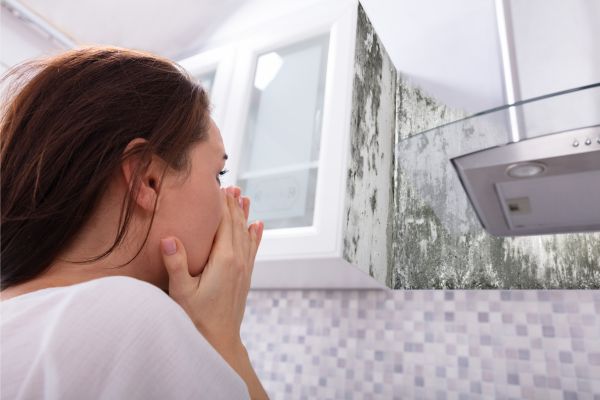
You’ve noticed the musty smell in the basement. Or maybe your allergies flare up every time you’re home. You’re not imagining it.
Point Breeze’s older rowhouses weren’t built with modern ventilation. Shared walls trap moisture. Brick basements sweat during humid summers. Plaster hides slow leaks until the damage spreads.
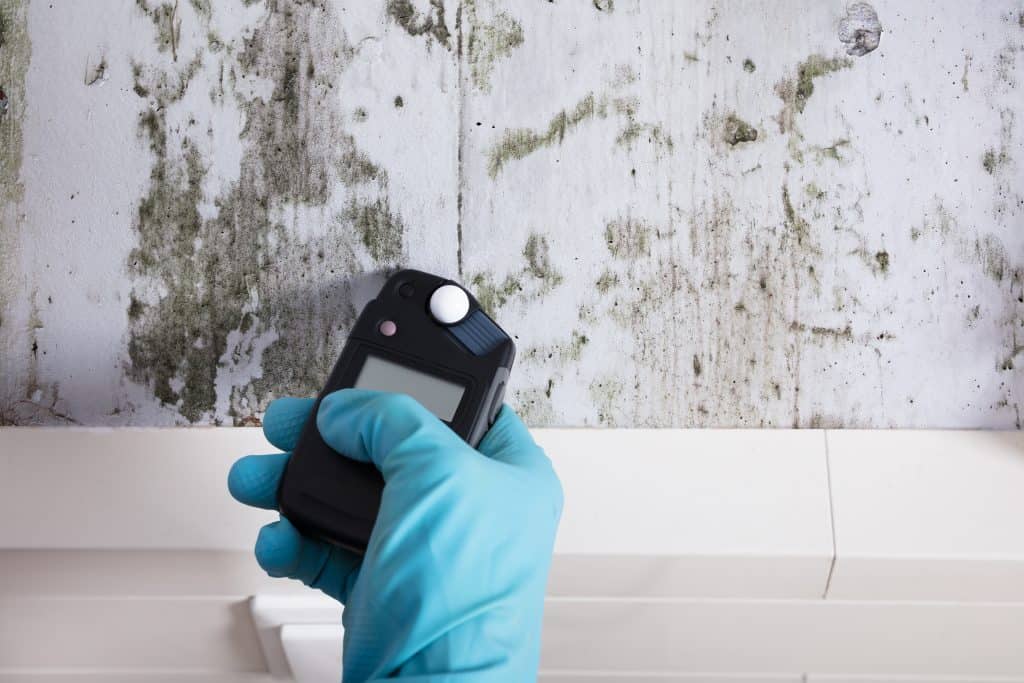
Professional mold testing tells you exactly what’s happening inside your walls and in the air you’re breathing. We use calibrated equipment to sample your indoor air, compare it against outdoor baselines, and send everything to a certified lab. You get species identification, spore counts, and a clear picture of whether you have a problem worth addressing.
No guessing. No DIY kits that leave you wondering if the results mean anything. Just data you can use to make informed decisions about your home and your family’s health.
We’ve been testing and treating mold in South Philadelphia for over 15 years. We’ve inspected more than 2,000 properties across the region, and we understand what makes Point Breeze different.
The housing stock here is old. Many homes date back a century or more, with cast iron pipes that corrode and galvanized lines that develop pinhole leaks. Add in Philadelphia’s summer humidity—regularly over 70% in July and August—and you’ve got conditions where mold doesn’t just grow, it thrives.
We’re certified through InterNACHI with more than two decades in construction. We keep our testing separate from remediation so you get unbiased results, not a sales pitch. And we work with Eurofins, the country’s leading microbiology lab, to deliver accurate data you can trust for insurance claims, real estate transactions, or just peace of mind.
First, we walk through your property and look for visible signs of moisture or mold growth. We’re checking basements, bathrooms, attics, and anywhere water might be hiding. We use moisture meters and infrared cameras to find problems behind walls and under floors.
Next, we collect air samples using Air-O-Cell cassettes. These pull a known volume of air across a sticky surface that captures both living and dead mold spores. We sample multiple locations inside your home and take an outdoor control sample to establish a baseline.
Then we send everything to the lab. A microbiologist identifies and counts each spore type under a microscope. You get a full report showing what species are present, how many spores per cubic meter, and whether those levels are unusual compared to outdoor air.
Finally, we review the results with you. If there’s a problem, we explain what’s causing it, how far it’s spread, and what your options are. If the results come back clean, you have documentation proving your home’s air quality is safe.
Ready to get started?
You get a complete visual inspection of your property, including areas you can’t easily access yourself. We’re looking for active growth, water damage, condensation patterns, and ventilation issues specific to Point Breeze’s older construction.
You get professional air sampling with equipment that meets industry standards. We’re using the same Air-O-Cell technology that 90% of industrial hygienists rely on. Each sample captures airborne spores that could be affecting your respiratory health, even if you can’t see mold growing anywhere.
You get lab-certified results from Eurofins with species identification and spore counts. This isn’t a pass/fail test. You get actual data showing what types of mold are present and whether the concentrations are higher than normal outdoor levels. That matters for insurance claims, which almost always require lab documentation before they’ll pay out.
You also get our recommendations based on what we find. If moisture is feeding mold growth, we’ll tell you where it’s coming from. If your humidity levels are too high, we’ll explain why that’s happening in your specific type of home. And if remediation is needed, you’ll know exactly what needs to be addressed and why.
Professional mold testing typically runs between $300 and $600 depending on the size of your home and how many samples we need to collect. That includes the inspection, air sampling, lab analysis, and a detailed report with recommendations.
DIY test kits cost $10 to $150, but they’re not as reliable. You’re collecting the sample yourself without knowing if you’re testing the right locations. And many labs that process DIY kits don’t provide the same level of detail you’d get from professional sampling.
If you’re dealing with health symptoms, preparing for a real estate transaction, or filing an insurance claim, the investment in professional testing is worth it. Insurance companies don’t pay out based on photos or DIY results. They want documentation from a certified lab showing species and concentration levels, which is exactly what you get with our service.
Get tested if you’re experiencing unexplained respiratory symptoms that improve when you leave your home. That’s one of the clearest signs that something in your indoor air is affecting your health. Mold exposure is linked to coughing, wheezing, and asthma symptoms, especially in children.
You should also test before buying any home in Point Breeze. Undetected mold problems can lead to expensive repairs and uncomfortable living conditions. A pre-purchase inspection gives you leverage to negotiate repairs or walk away if the problem is serious.
Test after any water damage, even if it was cleaned up quickly. Mold can start growing within 24 to 48 hours of water exposure, and it often develops in hidden spaces like wall cavities or under flooring. And if you’ve had remediation done, testing afterward confirms the cleanup actually worked and spore counts are back to normal levels.
The most common types we find are Cladosporium, Penicillium, and Aspergillus. These grow in damp conditions and spread through airborne spores. They’re not always black, despite what people think. Mold can be green, white, gray, or even orange depending on the species and what it’s growing on.
Stachybotrys, often called black mold, shows up less frequently but gets more attention because it produces mycotoxins that can cause serious health effects. It needs consistent moisture to grow, which is why we find it near chronic leaks or in basements with ongoing water intrusion.
What matters isn’t just the species, though. It’s the concentration. Even common molds can cause health problems if spore counts are significantly higher indoors than outdoors. That’s why we always take an outdoor control sample. It gives us a baseline to determine whether something unusual is happening inside your home.
Absolutely, and it’s one of the biggest problems we see in Point Breeze. Rowhouses have shared walls that can trap moisture between units. If your neighbor has a slow leak or poor ventilation, it can affect your side of the wall too.
Plaster walls hide water damage better than drywall. You might not see staining or bubbling until the problem has been growing for months. And many of these homes have old pipes running through walls—cast iron that corrodes, galvanized steel that develops pinhole leaks. By the time you notice a problem, mold has often spread to studs, insulation, and other hidden areas.
That’s why we use thermal imaging and moisture meters during inspections. We’re not just looking at visible surfaces. We’re scanning for temperature differences and elevated moisture levels that indicate hidden growth. If we find something suspicious, air sampling helps confirm whether spores are escaping into your living space.
It depends on what caused the mold. If it’s from a sudden, accidental event like a burst pipe, your homeowners insurance may cover both testing and cleanup. But if it’s from long-term neglect, poor maintenance, or ongoing moisture problems, your claim will likely be denied.
Insurance companies want documentation. They need lab-confirmed results showing what species are present and at what concentration levels. Photos and visual inspections aren’t enough. That’s why professional testing is essential if you’re planning to file a claim.
Even if insurance doesn’t cover the mold itself, they might cover the water damage that caused it. Read your policy carefully and document everything. Take photos, save receipts, and get professional testing done as soon as you discover the problem. The longer you wait, the harder it is to prove the damage happened suddenly rather than over time.
The on-site inspection and sampling usually take one to two hours depending on the size of your home and how many areas we’re testing. We’re collecting air samples, checking moisture levels, and documenting any visible issues.
Lab results typically come back within three to five business days. The lab needs time to culture samples, identify species under a microscope, and count spore concentrations. Some labs offer rush processing for an additional fee if you need results faster for a real estate closing or insurance deadline.
Once we get the results, we’ll schedule a follow-up call or meeting to review everything with you. We’ll explain what the data means, answer your questions, and provide recommendations based on what we found. If remediation is needed, we can discuss next steps. If results are clean, you’ll have documentation proving your home’s air quality is safe.
Other Services we provide in Point Breeze