
Mold Inspection in Warminster Village, PA

Find Hidden Mold Before It Costs You Thousands

Unbiased mold detection using infrared cameras and air sampling. Know exactly what you’re dealing with—no guesswork, no sales pitch.
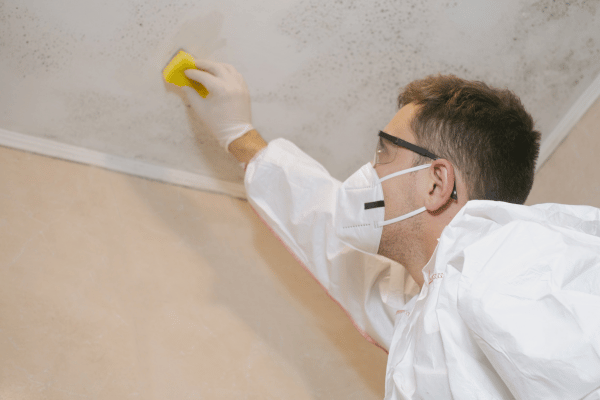
Protective worker in safety suit inspecting or treating mold spots on an indoor ceiling, addressing moisture damage and potential mold growth inside a building.

Hear from Our Customers

Professional Mold Detection Services Near You

You Get Real Answers, Not a Sales Pitch

Most homeowners don’t know they have a mold problem until it’s already spread. By then, you’re looking at thousands in repairs and a home value that just dropped 20-30%.

A professional mold inspection catches it early. We use thermal imaging to spot moisture you can’t see, air sampling to measure spore levels, and moisture meters to find the source. You get a full report that tells you exactly what’s happening and where.

If there’s no mold, you have documentation proving it. If there is mold, you know the scope before you spend a dime on remediation. Either way, you’re not guessing about what’s growing inside your walls.

Mold Inspection Company Serving Warminster Village

We Only Test—We Don't Sell Remediation

We serve homeowners throughout Warminster Village, PA with one focus: accurate mold detection. We don’t do remediation, so we have no reason to exaggerate what we find.

That matters in a town where nearly half the homes were built between the 1940s and 1960s. Older construction means outdated moisture barriers, settling foundations, and ventilation that wasn’t designed for today’s standards. We know what to look for in these homes because we’ve inspected hundreds of them.

You’re not hiring a national franchise reading from a script. You’re hiring someone who understands Bucks County homes and what actually causes mold here.

Protective worker collecting a mold sample from a stained indoor ceiling using a swab, inspecting moisture damage and potential mold growth inside a building.

How Our Mold Inspection Process Works

Here's What Happens During Your Inspection

We start with a visual assessment of your home, checking basements, attics, bathrooms, and anywhere moisture tends to collect. Then we use infrared cameras to detect temperature differences that indicate hidden moisture behind walls or under floors.

Next, we take air samples from multiple rooms to measure mold spore levels. We also collect surface samples if we see visible growth. Everything gets sent to a certified lab for analysis—not evaluated on the spot with a guess.

Within a few days, you receive a detailed report showing spore counts, mold types, moisture readings, and photos of problem areas. If remediation is needed, you’ll have documentation to share with contractors. If your home is clear, you have proof for buyers, insurance, or your own records.

The whole process takes about two hours. You don’t need to leave, and we don’t move furniture or tear into walls. We’re there to assess, document, and give you facts.

Home interior with mold remediation in progress as a worker sprays treatment on a wall using a ladder, while a resident relaxes on a covered sofa in a renovated living room.

Ready to get started?

Explore More Services

About Mack's Mold Removal

What's Included in Home Mold Inspection

You're Not Paying for Equipment—You're Paying for Answers

Every mold inspection includes thermal imaging, moisture mapping, air quality sampling, and surface testing where needed. We check the usual suspects—basements, crawl spaces, attics—but also areas most people overlook, like behind HVAC units and under sinks.

In Warminster Village, we pay extra attention to homes built before 1970. These properties often have stone foundations, minimal vapor barriers, and poor attic ventilation. That’s not a flaw—it’s just how homes were built back then. But it does mean moisture has more ways to get in and fewer ways to get out.

We also look at grading issues, gutter drainage, and exterior cracks that could be funneling water toward your foundation. Mold doesn’t grow without moisture, so finding the water source is half the job.

You’ll get a written report with lab results, photos, moisture readings, and recommendations. If there’s mold, we’ll tell you how much and where. If there’s a moisture problem but no mold yet, we’ll show you how to prevent it. No upselling, no scare tactics—just information you can actually use.

How much does a mold inspection cost in Warminster Village, PA?

Most mold inspections in Warminster Village run between $300 and $600, depending on the size of your home and how many samples we need to collect. A typical single-family home with a basement and attic usually falls in the $400-$500 range.

That includes the visual inspection, thermal imaging, moisture readings, air sampling, and lab analysis. You’re not paying extra for the report or follow-up questions. If we need to take additional samples because of what we find, we’ll let you know before we do it.

Some companies offer cheaper inspections, but they’re often tied to remediation services. They’ll lowball the inspection to get in the door, then sell you on cleanup whether you need it or not. We don’t do remediation, so our only job is to tell you what’s actually there.

A mold test is just lab work—someone swabs a surface or takes an air sample and sends it off for analysis. A mold inspection is the full process: visual assessment, moisture detection, air sampling, surface testing, and a written report that connects the dots.

Testing without inspection is like getting bloodwork without seeing a doctor. You might get results, but you won’t know what they mean or what caused them. Inspection without testing is just guessing based on what we can see, which misses hidden mold growing inside walls or under floors.

You need both. We use thermal imaging to find moisture, then test the air and surfaces in those areas to confirm whether mold is present and what type it is. The inspection tells us where to look. The testing tells us what we’re looking at.

You can, but it won’t tell you much. Most home test kits only confirm that mold spores exist—which they do in every home. What you actually need to know is whether the concentration is high enough to cause problems and where the moisture is coming from.

Home kits can’t measure airborne spore levels across multiple rooms. They can’t detect hidden moisture behind drywall. And they don’t come with a report you can use for insurance claims, real estate transactions, or remediation bids.

If you’re trying to save money, a home kit might seem like a shortcut. But if it comes back positive, you’ll still need a professional inspection to figure out the scope. And if it comes back negative, you might miss mold that’s growing somewhere the kit didn’t test. You end up paying twice—once for the kit, then again for the real inspection.

Lab results typically come back within 3-5 business days. We send samples to a certified lab that analyzes spore types and concentrations, and they don’t rush the process. Accurate results take time.

You’ll get a preliminary assessment the day of the inspection. We’ll walk you through what we saw, where we found moisture, and what we think is going on. But the official report—with lab-confirmed spore counts and mold identification—comes a few days later.

If you’re buying a home and need results before closing, let us know upfront. We can sometimes expedite lab work for an additional fee, but it’s not always necessary. Most real estate contracts give you enough time for standard turnaround.

If you’ve had water damage, notice a musty smell, or have unexplained allergies that get worse at home, yes. Mold grows in places you can’t see—inside walls, under flooring, in HVAC ducts, and above ceiling tiles.

In Warminster Village, older homes are especially prone to hidden mold. Basements with stone foundations, attics with poor ventilation, and crawl spaces with dirt floors all create conditions where mold can grow undetected for years. By the time you see it, it’s usually already spread.

A mold inspection finds problems before they become visible. We’re looking for moisture, not just mold. If we catch a leak or condensation issue early, you can fix it before mold ever starts growing. That’s a lot cheaper than tearing out drywall and replacing insulation after the fact.

Only if you ignore the results. Finding mold during an inspection gives you the chance to fix it before listing your home. Buyers finding it during their inspection gives them leverage to walk away or demand a price cut.

In Pennsylvania, you’re required to disclose known material defects, including mold. If you’ve had an inspection and it found mold, you can’t legally hide that from buyers. But if you remediate it properly and provide documentation, most buyers won’t care. They’ll actually appreciate that it was handled correctly.

What kills resale value is a history of mold that wasn’t addressed, or worse, mold that gets discovered during a buyer’s inspection when you claimed there wasn’t any. That’s when 50% of buyers back out and the other half lowball you. Getting ahead of it protects your investment, not the other way around.

Other Services we provide in Warminster Village