
Hear from Our Customers
You stop worrying about what’s growing behind your walls. The musty smell disappears. Your kids aren’t coughing at night anymore, and you’re not second-guessing every headache or stuffy nose.
That’s what complete mold removal looks like. Not just scrubbing what you can see, but tracing it back to the source, fixing the moisture problem, and making sure it doesn’t come back next season when the humidity spikes.
Pennsylvania’s climate makes mold a recurring problem if you don’t address the root cause. Older homes in Warminster Village deal with this constantly—basements that stay damp, crawl spaces that never quite dry out, attics with poor ventilation. A mold removal specialist doesn’t just clean. We solve the problem so you’re not calling someone else in six months.
You get your air quality back. You protect your property value. And you stop living with that nagging feeling that something’s wrong in your own home.
Mack’s Mold Removal has been helping families in Warminster Village deal with mold for years. We’re local, we understand how Pennsylvania’s humidity and older housing stock create perfect conditions for growth, and we’ve seen what happens when people try to handle it themselves or hire someone who cuts corners.
We’re not the cheapest option, and we won’t pretend a quick bleach spray fixes anything. What we do is find every trace of mold, figure out why it’s there, and remove it completely. Then we make sure the conditions that caused it don’t exist anymore.
Our technicians use thermal imaging, air sampling, and moisture meters—not because it looks impressive, but because that’s how you find hidden problems before they become expensive ones. You’re hiring people who know the difference between surface cleaning and actual remediation.
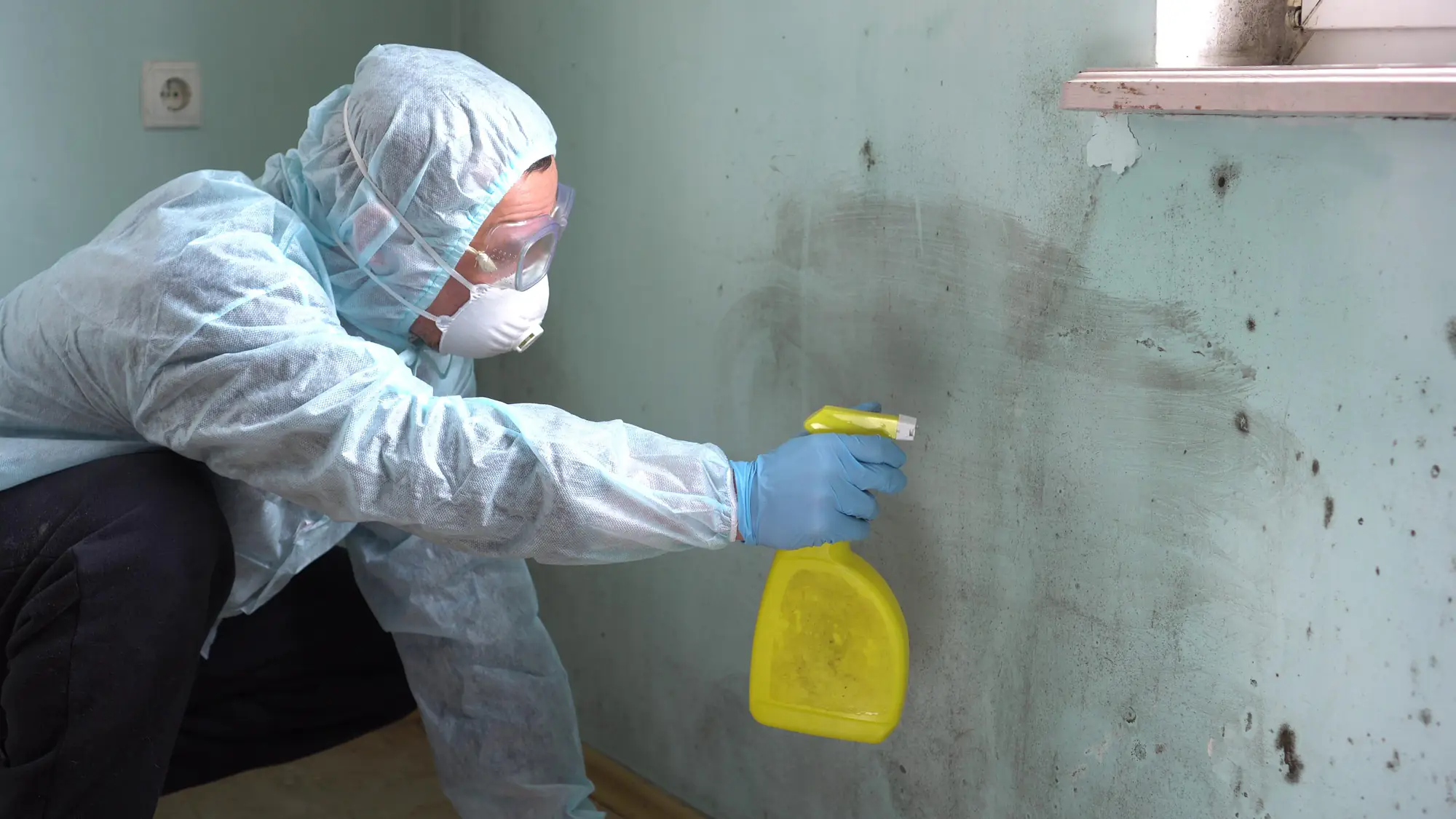
First, we inspect. Not just the obvious spots, but everywhere mold likes to hide—inside walls, under floors, in HVAC systems. We use thermal imaging to spot moisture you can’t see and take air samples to measure spore levels.
Then we contain it. Mold spreads through air movement, so we seal off the affected area with plastic barriers and negative air pressure. This keeps spores from contaminating the rest of your home while we work.
Next comes removal. We don’t just wipe surfaces. We remove contaminated materials that can’t be saved, treat what can be cleaned, and use HEPA filtration to pull spores out of the air. If your drywall or insulation is compromised, it comes out.
Finally, we fix the moisture problem. Whether it’s a leaky pipe, poor ventilation, or groundwater seeping into your basement, we address what caused the mold in the first place. Then we verify the air quality is back to normal and document everything.
You get a 5-year mold-free warranty because we’re confident the job was done right.
Ready to get started?
You get a full inspection with thermal imaging and moisture mapping. That means we find problems before they’re visible—wet insulation, humidity pockets, early-stage growth that hasn’t shown up as staining yet.
You get air quality testing before and after. We measure spore counts so you know exactly what you’re dealing with and can verify when it’s gone. This matters if you’re selling your home or dealing with health issues.
You get containment and proper removal. We follow IICRC standards and exceed OSHA requirements. Contaminated materials are bagged and disposed of correctly. HEPA filters run continuously during the job. We’re not spreading spores through your house while we work.
And you get the source fixed. Warminster Village homes deal with basement moisture, poor attic ventilation, and humidity that climbs above 60% in summer. We don’t just remove mold and leave you with the same conditions that caused it. Dehumidification, ventilation improvements, waterproofing recommendations—whatever it takes to keep it from coming back.
The best mold remediation company isn’t the one that shows up fastest. It’s the one that makes sure you don’t need us again.

If you can see mold, smell that musty odor, or you’ve had water damage in the past six months, you need a professional inspection. DIY cleaning works for small surface spots on non-porous materials like tile. It doesn’t work for anything behind walls, in insulation, or on wood and drywall.
The EPA estimates that half of US homes have damp conditions that support mold growth. In Pennsylvania, with our humidity and older housing stock, that number’s probably higher. If you’ve cleaned a spot and it came back, that’s not a cleaning problem—it’s a moisture problem, and surface treatments won’t fix it.
Health symptoms matter too. If anyone in your home has unexplained respiratory issues, headaches, or allergy symptoms that improve when they leave the house, mold exposure could be the cause. People with asthma or compromised immune systems can have severe reactions to mold that seems minor.
A professional inspection costs a few hundred dollars and tells you exactly what you’re dealing with. That’s cheaper than guessing wrong and either ignoring a serious problem or tearing apart your house unnecessarily.
Mold removal means getting rid of visible mold. Mold remediation means returning mold levels to normal and fixing the conditions that caused it. You can’t remove every mold spore from a building—they’re everywhere. What you can do is reduce them to safe levels and eliminate the moisture that lets them grow.
A mold removal specialist who knows what they’re doing focuses on remediation, not just removal. That means containment so spores don’t spread during the work. HEPA filtration to clean the air. Removal of materials that can’t be saved. Treatment of surfaces that can be cleaned. And most importantly, fixing the moisture source.
If someone quotes you for mold removal without talking about moisture control, they’re not solving your problem. They’re cleaning up the symptom and leaving you with the same conditions that will cause it to grow back.
Remediation also includes verification. Air testing after the work confirms spore levels are back to normal. You’re not just trusting that it looks clean—you have data proving it’s safe.
Most jobs run between $500 and $6,000 depending on the size of the affected area and how much material needs to be removed. A small bathroom with surface mold on tile costs less than a finished basement with contaminated drywall and insulation. Severe infestations that involve structural materials can cost more.
The cost depends on square footage, the type of materials affected, accessibility, and what caused the moisture problem. A leaky pipe that created a small patch of mold in a crawl space is cheaper to fix than a basement that’s been damp for years with growth throughout the framing.
You’re paying for containment, removal, disposal, air filtration, moisture control, and verification testing. Cutting corners on any of those steps means you’ll either have recurring mold or you’ll spread contamination during the cleanup. Neither saves you money.
Insurance sometimes covers mold remediation if it resulted from a covered event like a burst pipe. It typically doesn’t cover mold from long-term maintenance issues like poor ventilation or groundwater seepage. We can work with your insurance company and document everything needed for a claim.
Small jobs take one to three days. Larger projects can take a week or more. It depends on the extent of contamination, how much material needs to be removed, and how long it takes to dry out the affected area.
Containment and removal are usually the fastest parts. Drying and moisture control take longer because you can’t rush them. If we remove contaminated drywall and the studs behind it are damp, we need to dry them completely before closing things back up. Otherwise you’re trapping moisture and creating conditions for new growth.
We don’t leave your home torn apart longer than necessary, but we also don’t cut the process short to hit a timeline. Mold remediation done too quickly is mold remediation done wrong. You’re better off with a job that takes an extra day and actually solves the problem than one that’s fast and incomplete.
Most families can stay in their home during the work as long as the affected area is properly contained. If the contamination is severe or involves your HVAC system, we might recommend staying elsewhere for a few days. We’ll tell you upfront what to expect.
Bleach kills surface mold on non-porous materials like tile or glass. It doesn’t penetrate porous materials like drywall, wood, or insulation, which means it leaves the roots alive. It also doesn’t address the moisture problem, so the mold comes back.
The bigger issue is that DIY cleaning spreads spores if you don’t contain the area and use proper filtration. Scrubbing mold releases spores into the air, where they settle throughout your home and start new colonies anywhere conditions are right. Professional remediation uses containment barriers and negative air pressure to prevent that.
Bleach also doesn’t work on all mold types. Some species are resistant. And using bleach on porous materials can actually make the problem worse by adding moisture without killing the mold completely.
If you’ve got a small patch on a hard surface and you catch it early, bleach might work. If it’s on drywall, wood, insulation, or carpet—or if it’s larger than a few square feet—you need professional help. The CDC and EPA both recommend hiring professionals for mold problems larger than 10 square feet or caused by contaminated water.
Moisture. Mold needs water to grow. If you remove mold but don’t fix the moisture source, you’re just buying time until it grows back. That’s why remediation focuses on moisture control, not just cleaning.
Common moisture sources in Warminster Village homes include basement seepage, poor attic ventilation, leaky pipes, condensation on cold surfaces, and humidity above 60%. Older homes often have multiple issues—a damp crawl space, a bathroom without an exhaust fan, a basement that floods every spring.
Sometimes the moisture source isn’t obvious. A slow leak inside a wall can feed mold growth for months before you see staining. Poor grading around your foundation can direct water toward your basement. An oversized air conditioner that cycles on and off too quickly doesn’t remove enough humidity.
That’s why we use moisture meters and thermal imaging during inspections. We’re not just looking at the mold—we’re figuring out where the water’s coming from and how to stop it. Dehumidifiers, better ventilation, waterproofing, fixing leaks—whatever it takes to get moisture levels below the threshold where mold can grow.
If you’ve cleaned mold and it came back in the same spot, you didn’t fail at cleaning. You just didn’t solve the moisture problem.
Other Services we provide in Warminster Village