
Hear from Our Customers
You’re not guessing anymore. A professional mold inspection means you know exactly what’s happening inside your walls, under your floors, and in your attic—places you can’t see but mold loves to hide.
Neshaminy’s humid summers create perfect conditions for mold growth. Bucks County sits in an area where moisture hangs in the air longer, especially in neighborhoods with mature trees that shade homes and trap dampness. That means mold can start growing within 24 to 48 hours after water exposure, and you won’t know it’s there until it’s already spread.
When you catch mold early, you avoid the big problems. Health issues like respiratory trouble, allergies, and persistent coughing stop before they start. Structural damage gets prevented before it eats into your repair budget. And if you’re buying or selling a home in Pennsylvania, a clean mold inspection protects you from legal headaches under state disclosure laws.
You’re also protecting your investment. Homes with untreated mold can lose 20% to 37% of their value. A thorough inspection now saves you thousands later and keeps your home’s worth intact.
We specialize in mold detection and removal throughout Neshaminy and the surrounding Bucks County area. We’ve worked in enough local homes to know exactly where mold hides and why it keeps coming back.
Pennsylvania’s climate isn’t doing you any favors. Precipitation has increased 5% to 10% in recent years, and southeastern PA deals with a unique mix of humidity, temperature swings, and older housing stock that wasn’t built with modern moisture barriers. We see it every day—basements that stay damp, attics that don’t breathe, crawl spaces that trap water.
Our team uses advanced detection tools to find mold you can’t see. We don’t just look at the obvious spots. We check behind walls, under flooring, around HVAC systems, and in every corner where moisture collects. Then we give you a clear report that explains what we found, what it means, and what needs to happen next.
First, we walk through your home with you. You tell us about any concerns—musty smells, water damage, health symptoms, or visible spots. We listen because those details point us in the right direction.
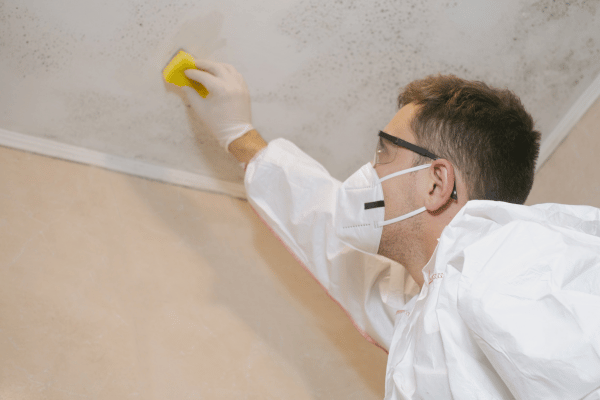
Next, we inspect every area where mold typically grows. That includes basements, attics, bathrooms, kitchens, crawl spaces, and around windows and doors. We use moisture meters to detect hidden water problems and thermal imaging to spot temperature differences that indicate moisture behind walls. If we find suspicious growth, we take samples for lab testing to identify the exact type of mold.
After the inspection, you get a detailed report. It shows you where mold is growing, what’s causing it, and how serious the problem is. We explain everything in plain language—no jargon, no runaround. If remediation is needed, we lay out a clear plan with realistic timelines and costs.
The whole process usually takes a few hours depending on your home’s size. You can schedule quickly by calling 215-431-4744, and we’ll get someone out to you fast because mold doesn’t wait.
Ready to get started?
You get a complete assessment of your home’s mold situation. We check all the common problem areas—basements that flood during heavy rain, attics that trap heat and moisture, bathrooms with poor ventilation, and any rooms that have experienced water damage.
In Neshaminy and Bucks County, we pay special attention to homes near the Neshaminy Creek or in low-lying areas where groundwater and humidity are constant issues. Older homes in the area often have stone foundations that wick moisture, and newer homes sometimes have ventilation systems that don’t account for Pennsylvania’s seasonal humidity swings.
Our inspection includes moisture mapping to identify where water is entering or collecting, visual examination of all accessible areas, air quality testing if needed, and surface sampling when we find visible growth. We also check your HVAC system because mold spores spread through ductwork and can contaminate your entire home even if the growth is isolated to one area.
You’ll receive a written report with photos, lab results if applicable, and specific recommendations. If we find mold, we explain what caused it—whether it’s a roof leak, poor grading around your foundation, condensation from temperature differences, or something else. Then we tell you how to fix it and prevent it from returning.
Mold inspection costs in the Neshaminy area typically range from $300 to $1,000 depending on your home’s size and the complexity of the inspection. A standard inspection for a single-family home usually falls between $400 and $600.
The price covers a thorough visual inspection, moisture detection, and a detailed report of findings. If lab testing is needed to identify specific mold types, that adds to the cost but gives you definitive answers about what you’re dealing with. Some companies charge extra for air quality testing or infrared imaging, so ask upfront what’s included.
It’s worth noting that a mold inspection is separate from mold remediation. The inspection tells you if you have a problem and how bad it is. Remediation is the actual removal and cleanup, which costs more depending on the extent of the damage. But getting the inspection first means you’re not paying for remediation you don’t need, and you’re not ignoring a problem that will get worse and more expensive over time.
A standard home inspection looks at the overall condition of a property—structure, roof, plumbing, electrical, HVAC, and general safety. The inspector might note visible mold or moisture issues, but they’re not trained to conduct detailed mold assessments or testing.
A mold inspection is specialized. It focuses specifically on finding mold growth, identifying moisture sources, and determining the extent of contamination. We use tools like moisture meters, thermal imaging cameras, and air quality monitors that general home inspectors don’t typically carry. We also know where mold hides and how to collect proper samples for lab analysis.
If you’re buying a home in Neshaminy or anywhere in Bucks County, a general home inspection is a good start. But if that inspector finds signs of water damage, musty odors, or visible mold, you need a follow-up mold inspection before closing. Pennsylvania law requires sellers to disclose known defects including mold problems, but not all sellers know they have mold—or they’re not being honest about it. A dedicated mold inspection protects you from inheriting someone else’s expensive problem.
You can buy DIY mold test kits at hardware stores, but they have serious limitations. Most kits only test the air or a small surface area, and they don’t tell you where the mold is growing or how extensive the problem is. They also can’t identify the specific type of mold, which matters because some molds are more dangerous than others.
Professional mold detection uses multiple methods to get the full picture. We check moisture levels throughout your home, use thermal imaging to find hidden water damage, inspect areas you can’t easily access, and take samples from the actual growth sites. That gives you accurate information about what you’re dealing with and what needs to be done.
The bigger issue with DIY testing is that even if you confirm mold is present, you still don’t know the source or the extent. Mold you can see is often just a small part of the problem. The real growth might be inside your walls or under your flooring. A professional inspection finds the source, maps out the affected areas, and gives you a plan to fix it properly so it doesn’t come back. That’s worth more than a $20 test kit that only tells you what you probably already suspected.
Most mold inspections take two to four hours depending on your home’s size and the number of areas we need to check. A small single-family home with no obvious issues might take two hours. A larger home with a basement, attic, and multiple bathrooms could take closer to four hours, especially if we’re doing comprehensive moisture mapping and air quality testing.
We don’t rush the process because missing something means you’re left with an incomplete picture. We check every room, test moisture levels in walls and floors, inspect your HVAC system, and look in crawl spaces and attics where most people never go. If we find visible mold, we take the time to document it properly and collect samples for lab testing.
After the physical inspection, you’ll get a detailed report within a few days. Lab results, if needed, typically come back within 48 to 72 hours. Then we walk you through the findings and answer any questions. The whole process from scheduling to getting your final report usually takes less than a week, and we can move faster if you’re on a tight timeline for a real estate transaction or you’re dealing with a health concern that needs immediate attention.
Musty odors are the most common sign. If your basement, bathroom, or any room smells like mildew or damp earth, there’s likely mold growing somewhere even if you can’t see it. Mold releases volatile organic compounds that create that distinctive smell, and it means spores are present in your air.
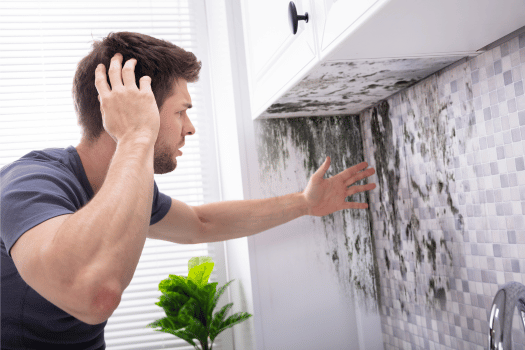
Visible growth is obvious—black spots on walls or ceilings, fuzzy patches in corners, discoloration around windows or on grout. But you should also watch for water stains, peeling paint, warped floors, and condensation on windows. Those are all signs of moisture problems, and where there’s persistent moisture, mold follows within a day or two.
Health symptoms are another red flag. If you or your family members have unexplained respiratory issues, persistent coughing, itchy eyes, skin rashes, or worsening allergies that improve when you leave the house, mold exposure could be the cause. Pennsylvania’s humid climate means many Neshaminy homes deal with mold without the owners realizing it, especially in older homes with poor ventilation or newer homes that were built too tight without proper moisture management. If any of these signs sound familiar, get an inspection before the problem spreads.
It depends on what caused the mold. If mold growth resulted from a sudden, accidental event like a burst pipe or storm damage, most Pennsylvania homeowners insurance policies will cover the inspection and remediation. But if the mold developed because of long-term neglect, poor maintenance, or gradual water seepage, your claim will likely be denied.
Insurance companies expect homeowners to maintain their properties and address water problems promptly. If you had a leaky roof for months and didn’t fix it, that’s considered negligence and you’re on your own for the mold cleanup. But if a pipe burst while you were at work and mold started growing before you could dry everything out, that’s typically covered.
The key is documentation and timing. If you discover water damage, document it immediately with photos and start the cleanup process within 24 to 48 hours. Call your insurance company right away and get a professional mold inspection to assess the damage. That creates a record showing you acted responsibly. Pennsylvania law doesn’t require specific mold coverage, so some policies exclude it entirely or cap the payout at a few thousand dollars. Read your policy carefully and ask your agent what’s covered before you need to file a claim. Either way, catching mold early through inspection keeps costs manageable whether insurance pays or you’re covering it yourself.
Other Services we provide in Neshaminy