
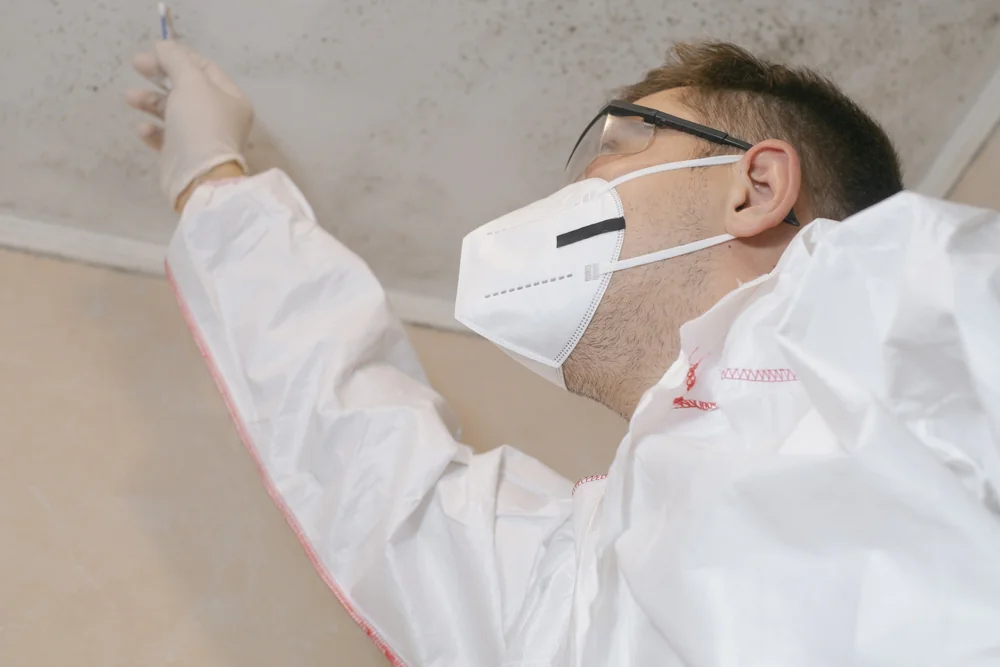
Hear from Our Customers
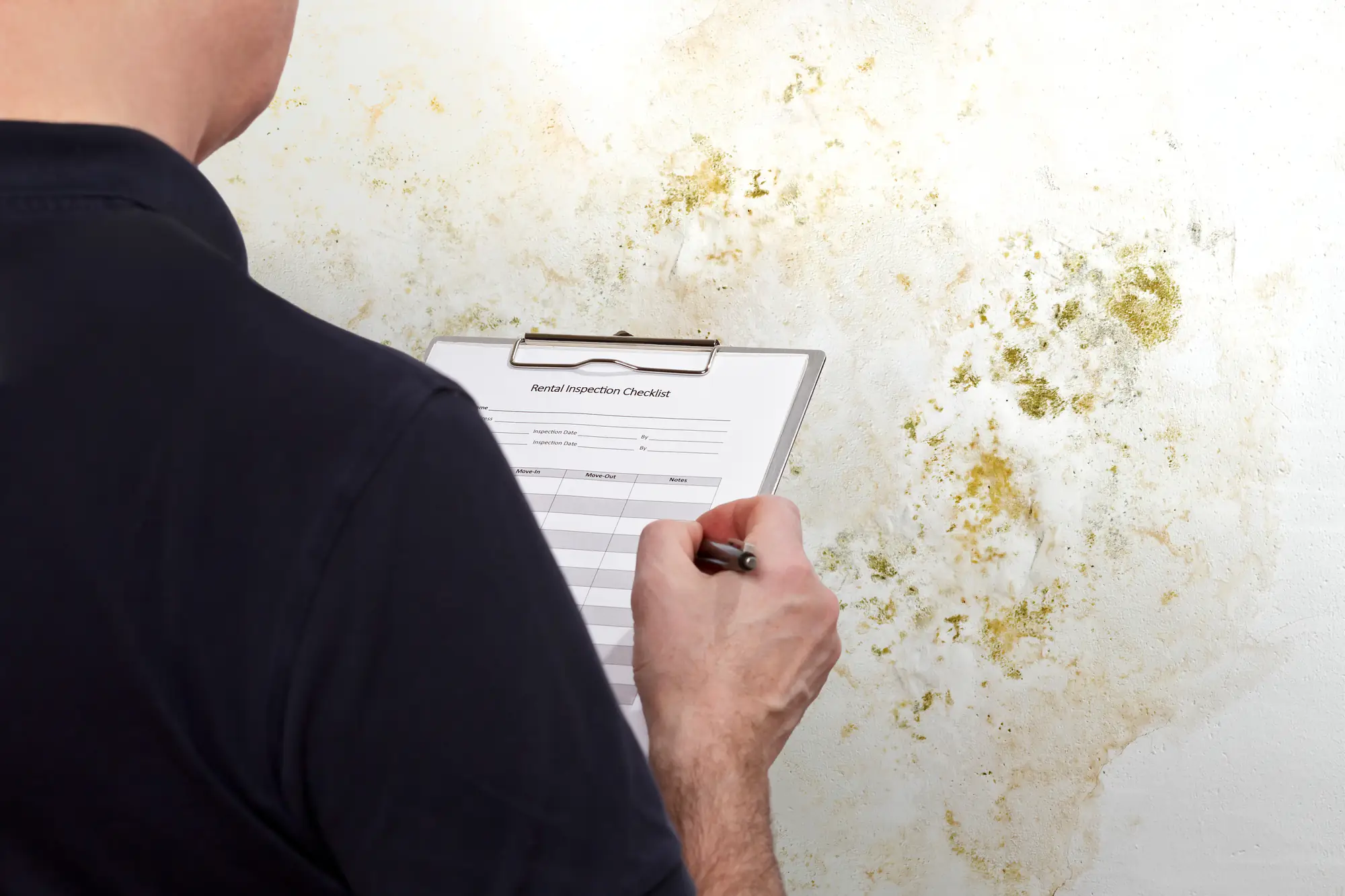
You stop wondering if that musty smell is actually a problem. You get real answers about what’s growing in your home and where it’s hiding.
Early mold detection means your kids aren’t dealing with mystery allergy symptoms that get better the moment they leave the house. It means you’re not lying awake thinking about what’s behind that wall or under those floors.
Here’s what actually happens when you catch mold before it spreads: you avoid the $10,000+ remediation jobs. You protect your home’s value. You breathe easier—literally and figuratively. Most importantly, you get documentation and a clear plan, not just a guy with a spray bottle telling you it’s fine.
Bridgetown homes built between 1940 and 1969 weren’t designed with today’s moisture barriers. That’s not a flaw—it’s just reality. Professional home mold inspection gives you the full picture of what’s happening in your specific house, with your specific construction, in Pennsylvania’s wet climate.
We serve Bridgetown and Bucks County with one focus: finding mold before it becomes your problem. We’re certified mold inspectors who understand how Pennsylvania’s climate—those wet winters, humid summers, and above-average precipitation—creates perfect conditions for mold growth.
You’re not getting a restoration company that “also does mold.” You’re getting specialists who know where mold hides in older homes, what black mold inspection actually requires, and how to give you hard evidence instead of guesswork.
We’ve seen what happens when Bridgetown families ignore that basement smell or assume their symptoms are just seasonal allergies. We’ve also seen how much money and stress early detection saves. That’s why we offer free inspections—because finding out what you’re dealing with shouldn’t cost you anything.
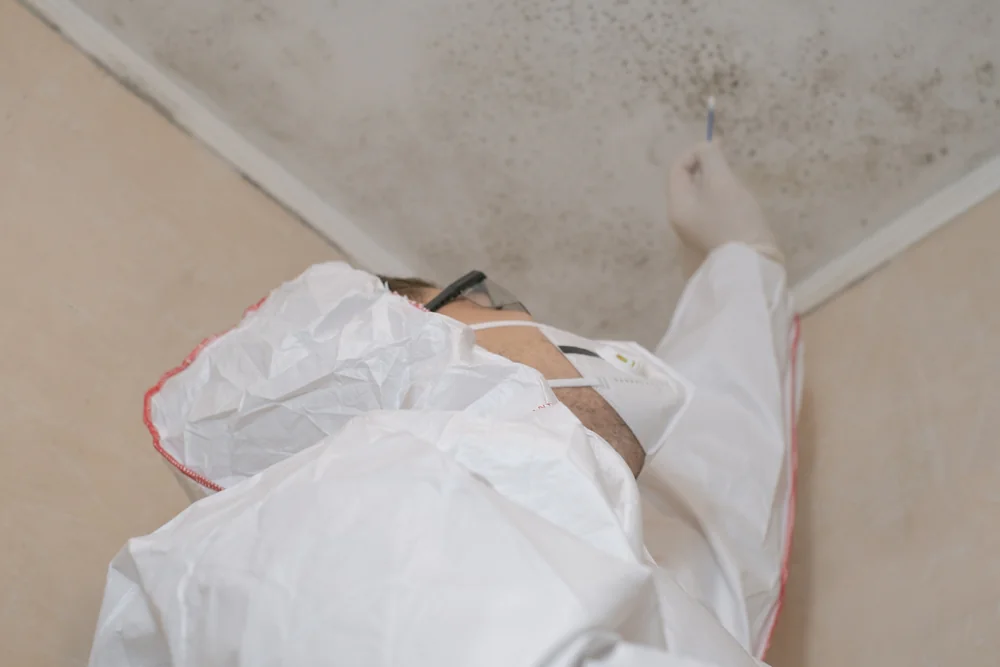
First, we talk. You tell us what you’ve noticed—smells, symptoms, water damage history, whatever’s making you concerned. This isn’t a sales pitch. It’s information gathering.
Then we inspect. We’re checking the obvious spots and the hidden ones: behind walls, under floors, in your HVAC system, around windows, in the basement and attic. We use moisture meters and thermal imaging to find problems you can’t see. If we find visible mold or conditions that suggest hidden growth, we take samples.
Those samples go to a lab. You get a detailed report that tells you exactly what type of mold you have, how much, and where it’s concentrated. No guessing. No “it’s probably fine.” Just facts.
Finally, we explain what it means. If you have a problem, we create a removal plan specific to your home. If you don’t, we tell you that too—and we’ll show you how to keep it that way. You’re not locked into anything. You’re just informed.
The whole process typically takes a few hours for the inspection, then 3-5 days for lab results. You’ll know what you’re dealing with and what it’ll take to fix it.

Ready to get started?
You get a certified inspector who knows Bucks County homes. Someone who understands that your 1950s house has different vulnerabilities than new construction, and that Pennsylvania’s 5-10% increase in annual precipitation over recent years means moisture problems are getting worse, not better.
We’re using thermal imaging cameras to spot temperature differences that indicate moisture. We’re using moisture meters to measure what’s actually happening inside your walls. We’re taking air samples and surface samples in areas where mold is likely growing. This isn’t a visual walk-through. It’s a full mold detection service with lab-grade testing.
You receive a written report with lab results, photos, moisture readings, and specific locations of any contamination. If we find mold, you’ll know what type it is—because not all mold is the same, and black mold inspection requires different protocols than other species.
You also get a remediation plan if you need one. Clear steps. Realistic timeline. Transparent pricing. And if you don’t have mold? You get peace of mind and prevention tips so you can keep it that way. Either way, you’re not left wondering.
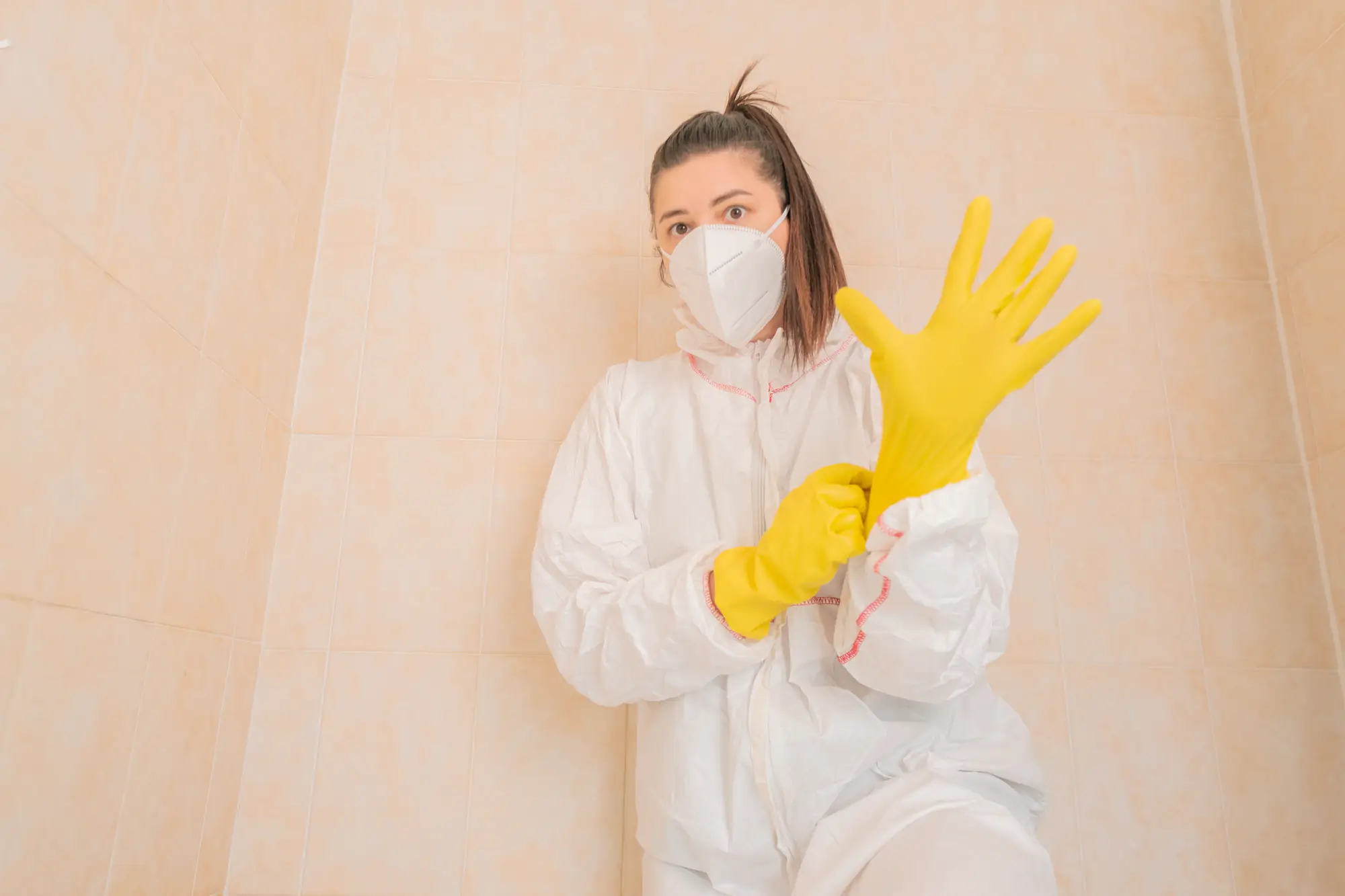
If you’re asking the question, you probably need one. But here are the specific signs: persistent musty odors that don’t go away, allergy symptoms or sinus issues that improve when you leave home, visible water stains or discoloration on walls or ceilings, or any history of water damage—even if it was “fixed.”
Bridgetown’s older housing stock makes this especially relevant. Homes built in the 40s through 60s often lack modern moisture barriers, and with Pennsylvania’s above-average rainfall, water finds its way in. You might not see mold, but that doesn’t mean it’s not growing behind drywall or under flooring.
The other reason to get inspected: you’re buying or selling a home. Mold issues tank property values and kill deals. A professional inspection gives you documentation either way—proof there’s a problem that needs addressing, or proof that your home is clean. Both are valuable.
Inspection is the visual assessment and investigation—we’re looking for mold, checking moisture levels, identifying conditions that support growth, and finding hidden problem areas. Testing is when we actually take samples (air or surface) and send them to a lab to identify the specific type and concentration of mold present.
You need both for a complete picture. Inspection tells you where the problems are. Testing tells you what you’re dealing with and how serious it is. Some molds are relatively harmless. Others, like certain black mold species, produce mycotoxins that cause real health problems.
DIY test kits from hardware stores don’t give you this level of detail. They’ll tell you “mold is present”—which is true in basically every home—but they won’t tell you what kind, how much, or where it’s concentrated. Professional mold detection services give you actionable information, not just a yes/no answer that doesn’t help you make decisions.
We offer free inspections to get you started. If testing is needed, costs typically range from $300 to $600 depending on how many samples we take and what areas need evaluation. That’s significantly less than what you’ll pay if mold goes undetected and spreads.
Here’s the reality: a small mold problem caught early might cost $500-$2,000 to remediate. That same problem ignored for six months or a year? You’re looking at $5,000 to $15,000 or more, plus potential structural damage to your home. The inspection cost is insurance against the big bill.
We’re upfront about pricing because you deserve to know what you’re paying for. You’re getting certified inspection, lab testing, a detailed report, and a remediation plan if needed. No hidden fees. No pressure to use our remediation services—though we’re here if you want us to handle it. The inspection stands on its own.
Small surface mold on non-porous materials—like a little mildew on bathroom tile—sure, you can handle that with proper cleaning. But if you’re seeing mold larger than about 10 square feet, if it’s on porous materials like drywall or wood, or if you suspect it’s behind walls or in your HVAC system, don’t DIY it.
Here’s why: disturbing mold without proper containment spreads spores throughout your home. You’re making the problem worse. Professional remediation includes containment barriers, negative air pressure, HEPA filtration, and proper disposal. We’re removing the mold and preventing it from contaminating clean areas.
There’s also the question of what’s causing it. If you clean visible mold but don’t fix the moisture source, it just comes back. A professional mold inspection identifies why you have mold in the first place—leaking pipes, poor ventilation, foundation issues, whatever. You need to fix the cause, not just the symptom, or you’re wasting your time and money.
The on-site inspection typically takes 2-4 hours depending on your home’s size and how many areas need evaluation. We’re thorough because missing a problem area means you don’t get the full picture. If we take samples for lab testing, results come back in 3-5 business days.
You’re not waiting weeks. You’re getting answers quickly so you can make decisions about your home and your family’s health. Once we have lab results, we’ll walk you through exactly what they mean—what type of mold was found, concentration levels, which areas are affected, and what happens next.
If remediation is needed, we can usually start within a few days of your approval. If your home is clean, you’ll have documentation proving it. Either way, you’re not left in limbo wondering what’s happening in your house. The timeline from first contact to having a complete answer is typically one week, sometimes less if you need expedited testing.
It depends on what caused the mold. If it resulted from a covered peril—like a sudden pipe burst or storm damage—many policies will cover remediation. If it’s from long-term neglect, poor maintenance, or gradual moisture problems, probably not. Every policy is different, so you need to check your specific coverage.
Here’s what we do: we provide detailed documentation of what we find, including photos, lab results, and our professional assessment. This gives you what you need to file a claim if your situation qualifies. Some clients get coverage, some don’t, but having professional documentation strengthens your case either way.
Even if insurance doesn’t cover it, addressing mold protects your home’s value and your family’s health. Mold damage gets worse over time, not better. It weakens building materials, spreads to new areas, and creates ongoing health issues. The cost of fixing it now is always less than the cost of fixing it later—plus you avoid the health impacts and property damage that come with waiting.
Other Services we provide in Bridgetown