
Hear from Our Customers
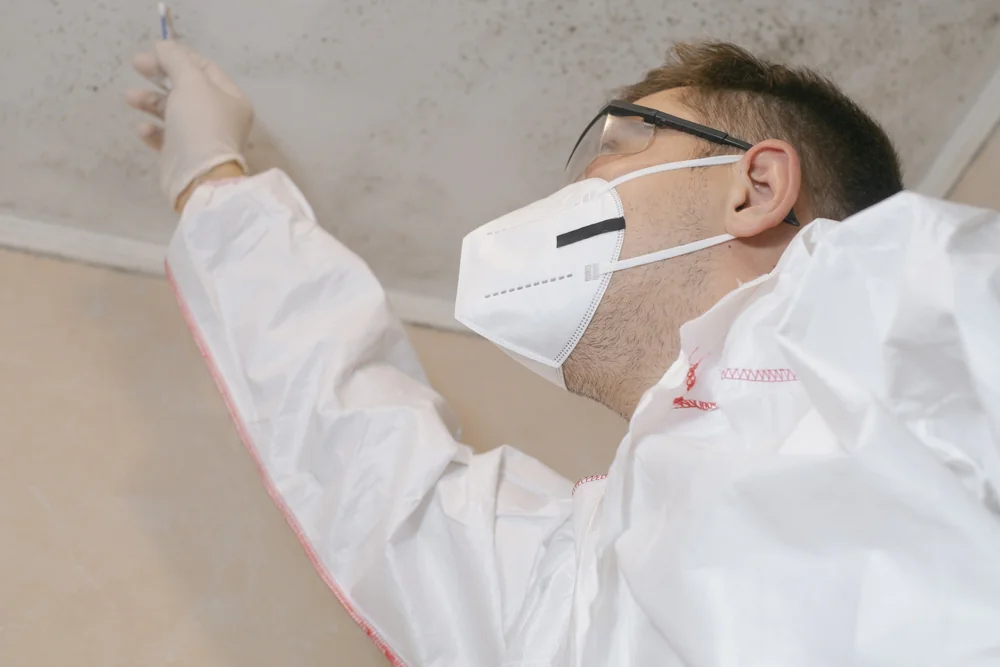
You’re not looking for someone to scare you into a five-figure remediation job. You want to know if there’s actually a problem, how bad it is, and what it’ll take to fix it.
That’s what a real mold inspection does. It maps moisture with thermal imaging, tests air and surface samples in an independent lab, and tells you—in plain terms—what types of mold are present and at what levels. No guessing. No upselling. Just data you can act on.
Pennsylvania’s humid summers and temperature swings create perfect conditions for mold to take hold fast. Bedminster homes, especially older ones, weren’t always built with modern moisture barriers. That means basements, crawl spaces, and attics are vulnerable. A thorough inspection catches problems while they’re still manageable—before they spread into your HVAC system or behind your walls.
We’ve served Bucks County for nearly three decades. We’re not a franchise or a national chain. We’re local, licensed, and we know how homes in this area are built—and where they fail.
Bedminster’s mix of historic properties and newer construction means every inspection is different. We’ve seen fieldstone basements that flood every spring, additions with poor ventilation, and HVAC systems that pump humid air into finished attics. We know what to look for because we’ve seen it before.
Our team uses certified labs for all testing. Samples don’t get analyzed in-house or rushed through a quick visual check. They go to an accredited third-party facility that provides detailed reports on mold type, concentration, and risk level.
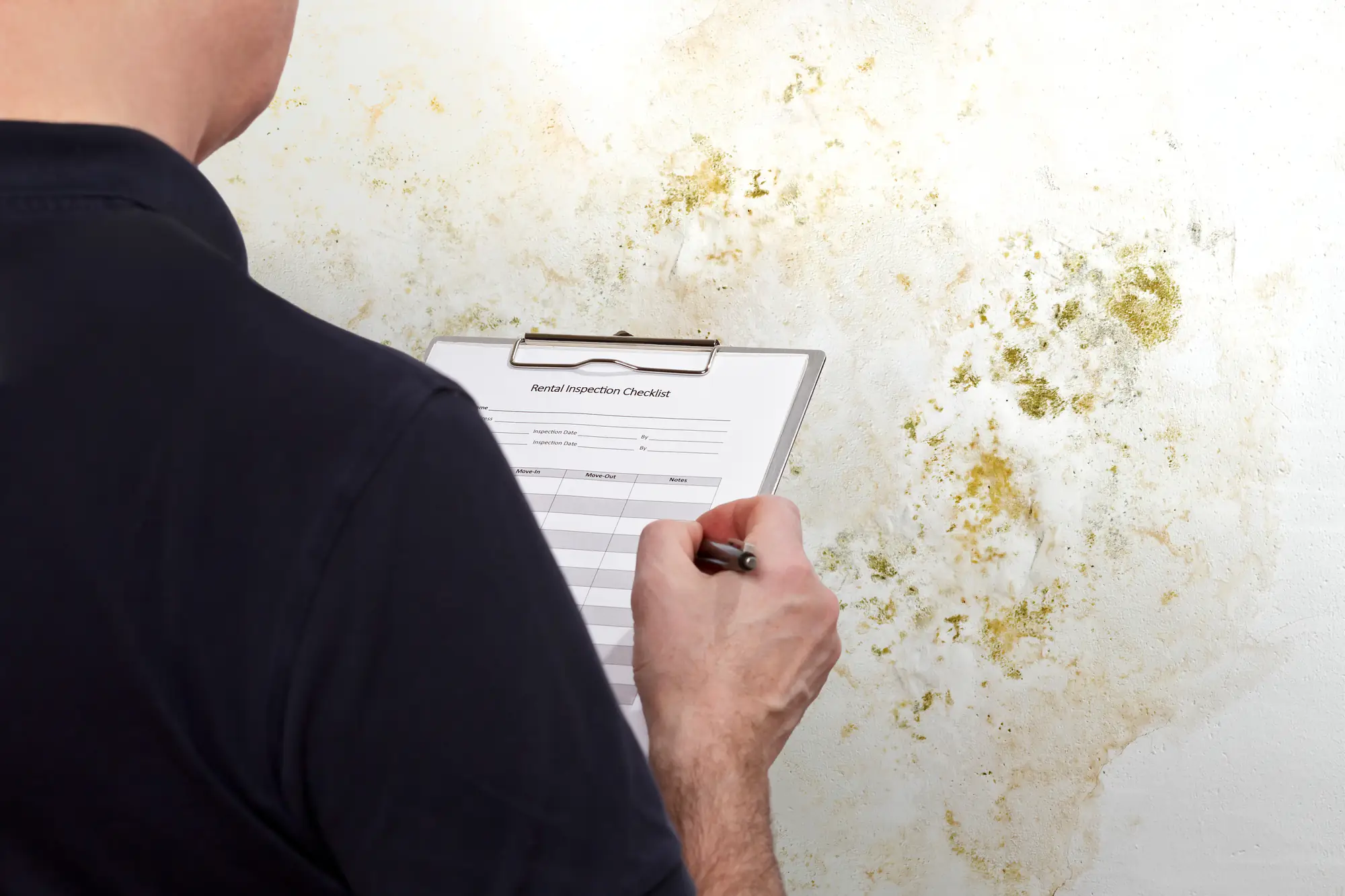
We start with a free assessment. You walk us through your concerns—musty smells, water stains, health symptoms, whatever brought you here. We listen, ask questions, and give you an honest take on whether a full inspection makes sense.
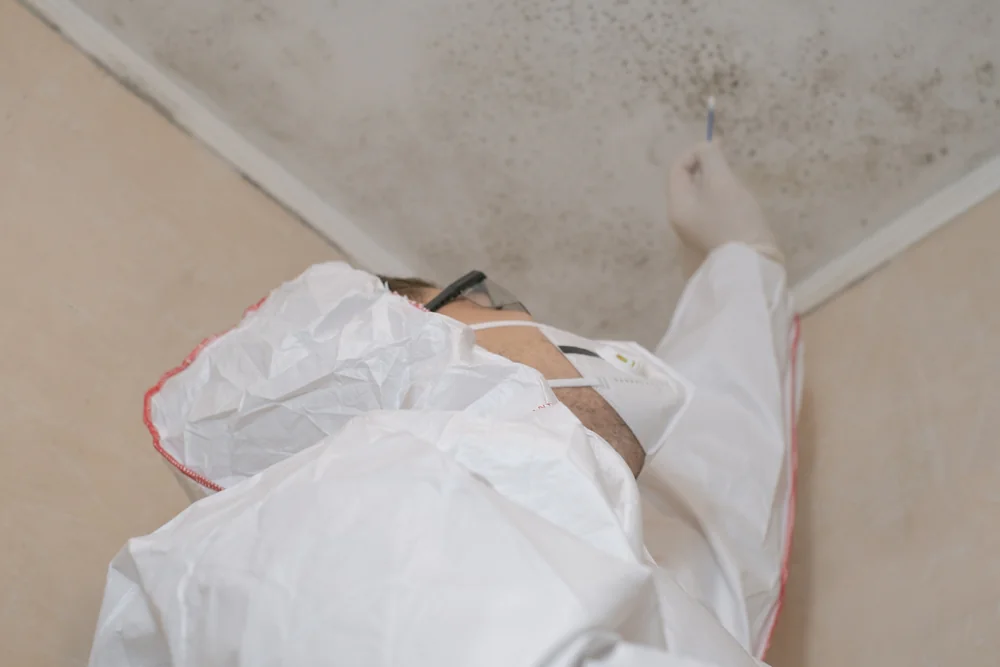
If you move forward, we schedule a comprehensive inspection. That includes moisture mapping with thermal imaging to find hidden water sources, air sampling to measure airborne spore levels, and surface sampling in areas where we see visible growth or suspect contamination. We check basements, crawl spaces, attics, behind appliances, around windows, and inside HVAC systems.
Samples get sent to an independent lab. Within 3 to 7 days, you receive a detailed report that breaks down what was found, where it was found, and what it means for your home and health. We walk you through the results and explain your options—whether that’s a simple fix you can handle yourself or a larger remediation project that needs professional help.

Ready to get started?
A complete mold inspection covers every area where moisture can hide. We use moisture meters to measure humidity levels in walls, floors, and ceilings. Thermal imaging shows us temperature differences that indicate water intrusion or poor insulation. Air samples capture spore counts in different rooms to identify contamination levels.
In Bedminster, we pay close attention to basements and crawl spaces. Many homes here were built before modern waterproofing standards, and groundwater seepage is common. We also inspect attics, especially in homes with older roofing or inadequate ventilation. Pennsylvania’s summer humidity can turn an under-ventilated attic into a mold factory.
You get a written report with lab results, photos, moisture readings, and our recommendations. If mold is present, we identify the type—whether it’s common household mold or something more concerning like black mold. We also pinpoint the moisture source, because fixing mold without fixing the water problem is pointless. The report is detailed enough to share with insurance companies, real estate agents, or contractors.
Most mold inspections in Bedminster run between $300 and $800, depending on the size of your property and how many samples we need to collect. That’s a fraction of what you’d pay for remediation if a small problem turns into a big one.
We offer free initial assessments where we discuss your concerns and give you an accurate quote upfront. No hidden fees. No surprise charges after we show up. If you’re dealing with a recent water event—like a burst pipe or roof leak—catching mold early can save you thousands in damage and health costs down the road.
Compare that to the cost of ignoring the problem. Professional mold remediation averages between $1,220 and $3,750, but severe cases can climb into the tens of thousands. An inspection gives you the information you need to act before it gets that far.
Musty odors are the most common sign. If a room smells like damp basement or old books, there’s likely mold growing somewhere. You might not see it—mold hides behind walls, under carpets, and in crawl spaces—but your nose knows.
Visible water damage is another red flag. Stains on ceilings or walls, peeling paint, warping floors, or bubbling wallpaper all point to moisture problems. If you’ve had a leak, flood, or plumbing issue in the past year, mold has probably started growing. The EPA says mold can establish itself within 24 to 48 hours after materials get wet.
Health symptoms matter too. If you or your family experience unexplained respiratory issues, sinus congestion, coughing, or allergy-like symptoms that improve when you leave the house, mold exposure could be the cause. About 21% of asthma cases are linked to dampness and mold, and infants exposed to mold face nearly three times the risk of developing asthma.
Most inspections take between one and three hours, depending on the size of your home and how many areas need testing. We’re thorough, but we’re not going to waste your time poking around places that don’t need attention.
The process includes a visual inspection of all vulnerable areas, moisture readings with handheld meters, thermal imaging to map hidden water sources, and collecting air and surface samples for lab analysis. If your home has multiple levels, a basement, and an attic, expect to be on the longer end of that range.
Lab results come back in three to seven days. Once we have the data, we schedule a follow-up call or meeting to walk you through the findings and discuss next steps. You’re not left guessing what the numbers mean or what you should do about them.
You can buy DIY mold test kits online, but they won’t give you the full picture. Most kits only test for the presence of mold, not the type or concentration. That matters because not all mold is dangerous, and not all mold problems require professional remediation.
A professional inspection uses calibrated equipment to measure moisture levels, thermal imaging to find hidden water sources, and lab-grade sampling to identify specific mold species. We also interpret the results in context—what’s normal for a basement in Pennsylvania versus what’s a health risk.
If you’re buying or selling a home, dealing with insurance claims, or concerned about health symptoms, a professional inspection provides documentation that a DIY kit can’t match. It’s the difference between knowing mold exists and understanding what’s causing it, how bad it is, and what it’ll take to fix it.
Mold inspection is the diagnostic step. We find out if mold is present, identify the type and concentration, and locate the moisture source feeding the problem. You get a report with lab results and recommendations, but we’re not tearing anything out or treating surfaces during an inspection.
Mold remediation is the cleanup and removal process. That’s when contaminated materials get removed, affected areas get treated, and moisture problems get fixed. Remediation costs more and takes longer because it’s hands-on work, not just testing.
Some companies do both inspection and remediation, which can create a conflict of interest—they have an incentive to find problems that require expensive fixes. We focus on inspection and detection. Our job is to give you accurate information so you can make informed decisions about what comes next, whether that’s a simple DIY fix or hiring a remediation specialist.
It depends on what caused the mold. If mold resulted from a sudden, covered event—like a burst pipe or storm damage—your policy might cover both the inspection and remediation. If it’s from long-term neglect, poor maintenance, or gradual moisture buildup, most policies won’t cover it.
Insurance companies often require professional documentation before they’ll approve a mold claim. That means you need a detailed inspection report with lab results, photos, and moisture readings. We provide that documentation and can work with your insurance adjuster to explain the findings.
Even if insurance doesn’t cover the inspection, it’s worth doing. Undetected mold can drop your home’s resale value by 20% to 37%, and nearly half of potential buyers walk away once they learn a property had mold issues. An inspection protects your investment and gives you leverage if you’re negotiating repairs with a seller or dealing with a claim.
Other Services we provide in Bedminster