
Hear from Our Customers
You can’t fix what you can’t see. Most mold problems in Croydon Acres homes start where you’d never think to look—behind drywall near old plumbing, in attic corners with poor ventilation, or along basement foundation walls that stayed damp all spring.
A proper mold inspection gives you the full picture. We use moisture meters and thermal imaging to find problems you’d miss with your eyes alone. You’ll know where the mold is, how bad it is, and what’s causing it—so you can make decisions based on facts, not fear.
This matters because mold spreads fast once it starts. A small patch behind your washing machine this week becomes a wall full of contamination next month. Early detection means smaller fixes, lower costs, and less disruption to your daily life. You get to stay ahead of the problem instead of chasing it after it’s already done damage.
Mack’s Mold Removal has been serving Bucks County families for years. We’ve inspected hundreds of homes in Croydon Acres and the surrounding area, so we know what to expect when we walk through your door.
Most homes here were built decades ago, back when basements were just concrete boxes for storage. Now they’re finished living spaces—but the moisture issues never got fixed. We’ve seen it all: foundation seepage after heavy rain, condensation problems from poor attic ventilation, and humidity issues that come with Pennsylvania’s muggy summers.
We’re local, we’re available when you need us, and we don’t waste your time with sales pitches. You’ll get a straightforward assessment and honest answers about what needs to happen next.
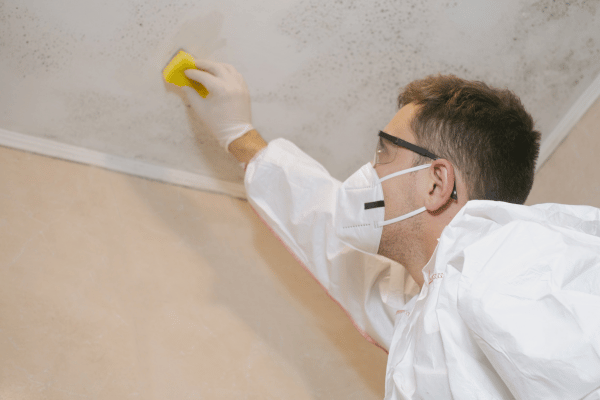
We start with a visual inspection of your entire home—basement, bathrooms, attic, crawl spaces, anywhere moisture tends to accumulate. We’re looking for visible mold growth, water stains, discoloration, and conditions that create mold-friendly environments.
Then we use moisture meters to measure humidity levels in walls, floors, and ceilings. High moisture readings tell us where problems are developing even if you can’t see mold yet. Thermal imaging helps us spot temperature differences that indicate water intrusion or poor insulation—both common mold triggers in older Croydon Acres homes.
If we find mold, we identify the type and extent of contamination. More importantly, we find the source—the leak, the condensation issue, the drainage problem that’s feeding it. You’ll get a detailed report explaining what we found, why it’s happening, and what it’ll take to fix it properly. No guessing, no upselling, just the information you need to move forward.
Ready to get started?
Your mold inspection covers every area where problems typically develop in Croydon Acres homes. Basements get extra attention because that’s where we find issues most often—foundation walls that seep during spring thaw, sump pump failures, or just chronic humidity from poor ventilation.
Attics matter too, especially in older homes where insulation and ventilation weren’t designed for modern heating and cooling. Warm air rises, hits cold surfaces, creates condensation, and mold follows. We check roof decking, insulation, and ventilation to catch problems before they rot out your roof structure.
Bathrooms, kitchens, laundry rooms—anywhere water gets used regularly—get inspected for leaks, ventilation issues, and hidden moisture. We also check crawl spaces if you have them, because ground moisture can wick up into floor joists and create contamination you’d never see until it’s serious.
You’ll receive a written report with photos, moisture readings, and clear explanations of what we found. If there’s mold, we’ll tell you what type, where it’s growing, and what’s causing it. If your home is clean, we’ll confirm that too. Either way, you’ll know exactly where you stand.
We offer free mold inspections for Croydon Acres homeowners. Most companies charge $200-$500 for a basic inspection, but we’d rather remove the barrier and get you the information you need to make a decision.
The inspection itself takes about an hour depending on your home’s size and layout. We’ll check all the common problem areas—basement, attic, bathrooms, and anywhere else you’ve noticed issues. You’ll get a verbal walkthrough of what we find, followed by a written report if needed.
If we find mold and you choose to move forward with remediation, the inspection cost stays waived. If you decide to handle it yourself or get other quotes, that’s fine too. The inspection gives you the facts either way.
Musty smells are the most obvious sign, especially in basements or bathrooms. If you smell it, there’s mold growing somewhere—even if you can’t see it yet. Don’t ignore that smell. It means you’ve got active growth that’s releasing spores into your air.
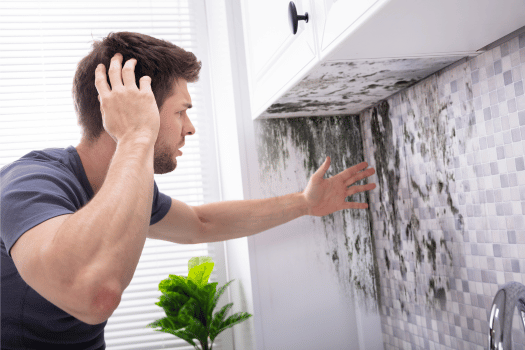
Visible mold is another clear indicator, but it’s often just the tip of the problem. That black spot on your bathroom ceiling or the discoloration on your basement wall usually means there’s more growth behind the surface. Water stains, peeling paint, warped floors, or persistent condensation on windows all point to moisture issues that create mold-friendly conditions.
Health symptoms matter too. If you or your family members are experiencing unexplained respiratory issues, allergies, or asthma flare-ups that get worse at home, mold exposure could be the cause. Recent water damage—burst pipes, roof leaks, flooding—should trigger an inspection even if you don’t see mold yet, because it can start growing within 24-48 hours of getting wet.
Home test kits tell you if mold spores are present, but that’s not particularly useful information. Mold spores exist everywhere—in every home, all the time. What matters is whether you have active growth, where it’s located, and what’s causing it.
DIY kits can’t tell you the extent of contamination or identify the moisture source feeding it. You might find mold in your bathroom but miss the bigger problem in your basement. Or you’ll get a positive result and still not know if it’s a small cosmetic issue or a serious health hazard that requires professional remediation.
A professional inspection gives you actionable information. We find the growth, measure the moisture levels, identify the source, and explain what needs to happen next. You’re not just confirming mold exists—you’re getting a roadmap for fixing the actual problem. That’s worth more than a $10 kit that leaves you with more questions than answers.
Mold can start growing within 24 to 48 hours after materials get wet. That’s why timing matters so much after a flood, burst pipe, or roof leak. The longer wet materials sit, the more likely you’ll end up with contamination that requires professional remediation.
In Croydon Acres homes, we see this play out constantly. A basement floods Monday night, homeowner cleans up the standing water Tuesday, but the drywall and insulation stay damp. By Thursday, mold colonies are establishing. By the following week, you’ve got a full-blown problem that could’ve been prevented with faster action.
Temperature and humidity affect growth speed too. Pennsylvania’s humid summers create perfect conditions—warm, moist, and still. If your basement stays above 60% humidity, mold doesn’t need a flood to grow. It’ll develop slowly on any organic material that stays damp long enough. That’s why chronic moisture issues are just as dangerous as sudden water damage, even though they feel less urgent.
It depends on what caused the mold. If it’s from a sudden, covered event—like a burst pipe or storm damage—most homeowner policies will cover both inspection and remediation. If it’s from long-term neglect, poor maintenance, or chronic moisture issues you didn’t address, coverage gets denied.
The key is proving the mold resulted from a covered peril, not gradual deterioration. That’s why documentation matters. If you have a leak, file a claim immediately and get it inspected fast. Don’t wait weeks or months, because insurance companies will argue you let the problem get worse through inaction.
We work with insurance companies regularly and can help with the claims process. We’ll document everything we find, provide detailed reports, and communicate directly with adjusters if needed. Some policies have mold coverage caps—often $10,000 or less—so it’s worth reviewing your policy before assuming you’re fully covered. Either way, we’ll give you a clear estimate so you know what to expect financially before any work begins.
Inspection is visual assessment combined with moisture detection. We look for mold growth, identify moisture sources, and measure humidity levels throughout your home. This tells you where problems exist and what’s causing them. For most homeowners, inspection alone provides everything needed to move forward with remediation.
Testing involves collecting air or surface samples and sending them to a lab for analysis. The lab identifies specific mold species and spore concentrations. Testing makes sense in certain situations—if you’re having health issues and need to prove mold is the cause, if you’re buying a home and want documentation before closing, or if you’ve completed remediation and want confirmation the problem is gone.
But testing isn’t always necessary. If we find visible mold growth, you don’t need a lab to tell you it needs removal. The species doesn’t change the remediation process much—all mold gets treated the same way. Testing adds cost and delays action, which is counterproductive when you’ve got active growth spreading. We’ll recommend testing when it genuinely helps your situation, but we won’t push it just to add charges to your bill.
Other Services we provide in Croydon Acres