
Hear from Our Customers
You’re not imagining that musty smell. Your allergies aren’t suddenly getting worse for no reason. And that water damage from last winter? It didn’t just dry up and disappear.
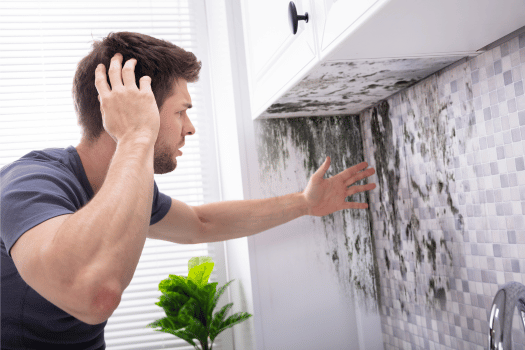
Mold grows in places you can’t see—behind drywall, under flooring, inside HVAC systems. By the time it’s visible, you’re already looking at expensive remediation. A professional mold inspection finds it early, when it’s still manageable.
Here’s what changes after an inspection. You stop wondering if there’s a problem. You get a clear report showing exactly where mold is growing, what type it is, and how much is there. You know what needs to happen next—and what it’ll cost—before you’re forced into emergency mode. No surprises. No guessing. Just answers you can act on.
We serve homeowners across Erwinna and Bucks County with straightforward mold detection services. We’re not the biggest operation, and we’re not trying to be. We focus on doing thorough inspections that actually help you make decisions.
Erwinna homes deal with specific challenges—older construction, proximity to the Delaware River, humid summers that create perfect conditions for mold growth. We’ve seen what happens when moisture gets trapped in basements, crawl spaces, and attics around here. We know where to look.
When you call us at 215-431-4744, you’re talking to someone who understands local properties and can usually get to your home within 24 hours. We’ll tell you what we find, what it means, and what your options are. That’s it.
First, we walk through your property and talk about what you’ve noticed—smells, health symptoms, visible moisture, previous water damage. This conversation matters because it tells us where to focus.
Next comes the visual inspection. We’re checking obvious spots like bathrooms and basements, but also places most people don’t think about—behind appliances, inside closets along exterior walls, around windows, in attic spaces. We use thermal imaging to detect moisture you can’t see and moisture meters to measure exactly how wet materials are.
If we find evidence of mold or conditions that support mold growth, we take samples. Air samples measure spore counts throughout your home. Surface samples identify specific mold types. These go to a certified lab for analysis.
You get a detailed report within a few days. It shows mold types, spore counts, where growth is happening, and what’s causing it. More importantly, it tells you if levels are elevated and what that means for your health and property. From there, you can make informed decisions about remediation—whether that’s something you handle yourself or hire professionals for.
Ready to get started?
You’re paying for clarity. Our mold inspection includes a complete visual assessment of your property, thermal imaging to find hidden moisture, moisture readings in suspected areas, and air quality sampling that measures spore levels in different rooms.
We also take surface samples when we find visible growth or suspect contamination. These samples get analyzed by a certified lab that identifies exact mold species and provides spore counts. You receive a written report with lab results, photos of problem areas, moisture readings, and an explanation of what we found.
Here’s what matters for Erwinna homeowners specifically. Around 47% of homes in the U.S. have some level of mold or dampness. In Bucks County, older homes with stone foundations, limited vapor barriers, and settling that creates cracks are especially vulnerable. If your home was built before 1980, or if you’ve had any water intrusion—roof leaks, plumbing issues, flooding—you’re at higher risk.
The inspection also identifies the moisture source. Mold is a symptom. Water is the problem. We find where moisture is coming from so you can actually fix it, not just clean up mold that’ll come back in six months.
Most professional mold inspections in the Bucks County area run between $342 and $429, though full inspections with lab testing can reach $600 to $1,000 depending on your home’s size and how many samples we need to take.
A basic visual inspection costs less but won’t give you lab-confirmed results. If you’re buying a home, dealing with health symptoms, or need documentation for insurance or real estate transactions, you want the full inspection with air and surface sampling. That’s what actually tells you if you have a problem and how serious it is.
The cost is small compared to what you’re protecting against. Mold remediation for extensive contamination can run into thousands of dollars. Homes with known mold issues lose 20% to 37% of their resale value. If you’re buying a property, a $400 inspection could save you from inheriting someone else’s $10,000 problem.
Musty odors that don’t go away are the biggest tell. If your basement, bathroom, or certain rooms smell earthy or damp, mold is growing somewhere—even if you can’t see it.
Health symptoms that improve when you leave the house are another red flag. Stuffy nose, sore throat, coughing, wheezing, eye irritation, skin rashes—these all worsen with mold exposure. If your allergies or asthma are suddenly worse at home, that’s worth investigating.
Visible signs matter too. Water stains on ceilings or walls, peeling paint, warped flooring, condensation on windows—these indicate moisture problems that lead to mold. Any previous water damage from leaks, floods, or plumbing issues means you should get an inspection, even if everything looks dry now. Mold grows within 24 to 48 hours after water exposure, often in places you can’t see.
DIY kits are cheap, but they miss the bigger picture. They might tell you mold is present—which isn’t useful because mold exists in almost every home. What matters is the type of mold, how much is there, and where it’s growing.
Over-the-counter test kits can’t measure spore concentrations in your air. They can’t identify specific mold species. They don’t find hidden mold behind walls or under floors. And they definitely don’t tell you what’s causing the mold or how to fix it.
Professional mold detection uses calibrated equipment—thermal imaging cameras, moisture meters, professional-grade air sampling pumps. We know where to look based on how homes are built and where moisture typically accumulates. The lab analysis identifies exact mold types, which matters because some species are more dangerous than others. You also get a report you can use for insurance claims, real estate negotiations, or remediation planning. A $15 kit from the hardware store doesn’t give you any of that.
Plan on two to three hours for a thorough inspection of an average-sized home. Larger properties or homes with multiple problem areas take longer.
We’re not rushing through this. A proper home mold inspection means checking every room, testing moisture levels in suspected areas, taking multiple air samples from different zones, and collecting surface samples where we find growth. We’re also documenting everything with photos and notes for your report.
The lab analysis takes a few days after that. Most homeowners get their full report within three to five business days. If you’re in a time crunch—closing on a house, dealing with an insurance claim deadline—let us know when you call. We can often prioritize urgent inspections and request expedited lab processing. But the inspection itself can’t be rushed if you want accurate results.
Only if you try to hide a problem that buyers find later. Transparency actually helps you sell.
Here’s the reality: 50% of buyers walk away from a home after learning it has mold. But sellers who voluntarily provide mold inspection results before listing earn buyer trust. It shows you’re not hiding anything. It gives buyers confidence. And it makes negotiations cleaner because everyone knows what they’re dealing with.
If the inspection finds mold, you have options. You can remediate it before listing and show buyers the problem was professionally handled. You can price the home accordingly and let buyers handle it. Or you can provide the inspection report and negotiate a credit. All of those are better than a buyer’s inspector finding mold during their due diligence and the deal falling apart.
Black mold inspection results that come back clean are a selling point. You can market your home as recently inspected and certified mold-free. That’s worth something in an area like Bucks County where older homes and moisture issues are common.
You get a clear report showing what type of mold is present, where it’s growing, how much is there, and what’s causing it. Then you decide what to do next.
Small areas of surface mold—less than 10 square feet—you can often handle yourself with proper cleaning. Larger contamination, mold inside walls or HVAC systems, or toxic species like black mold need professional remediation. We’ll tell you which category you’re in.
The report also identifies the moisture source. Maybe it’s a plumbing leak, poor ventilation, foundation cracks, or a roof issue. You need to fix that first, or the mold comes back no matter how well you clean it. We point you toward the root cause so you’re not wasting money on temporary fixes.
If you need remediation, you can hire that separately. We’re focused on detection and giving you accurate information. No pressure, no upselling services you don’t need. Just the facts about what’s in your home and what your options are.
Other Services we provide in Erwinna