

Hear from Our Customers
Your air smells clean again. Not musty, not damp—just normal. You stop worrying every time your kid coughs or your allergies flare up in your own house.
The black spots don’t reappear two months later because we didn’t just wipe them away. We found where the water was getting in—whether it’s a basement crack, a roof leak, or condensation nobody noticed—and we dealt with it.
You’re not masking the problem. You’re not waiting for it to spread. The mold is removed using EPA-approved methods, the affected materials are either cleaned or replaced, and the conditions that allowed it to grow are gone. That’s what professional mold removal in Erwinna actually looks like.
If you’ve got kids, elderly parents, or anyone with asthma in the house, this matters even more. Mold doesn’t just look bad—it triggers real health problems. Coughing, wheezing, respiratory infections. You shouldn’t have to deal with that in your own home.
We work throughout Bucks County, and we’ve seen what happens when homes here deal with clay-rich soil, heavy spring rains, and humid summers. Erwinna homeowners face the same moisture challenges as the rest of the region—basements that stay damp, crawl spaces that trap humidity, and older homes that weren’t built with modern moisture barriers.
We’re not a national franchise following a script. We’re a local mold specialist team that understands why your basement feels wet even when there’s no visible leak. We know the construction methods used in homes built here in the ’80s and ’90s, and we know what fails first.
Every job starts with a free inspection. We’re certified, we follow Pennsylvania regulations, and we use equipment that actually works—not shortcuts that leave you with the same problem six months later.

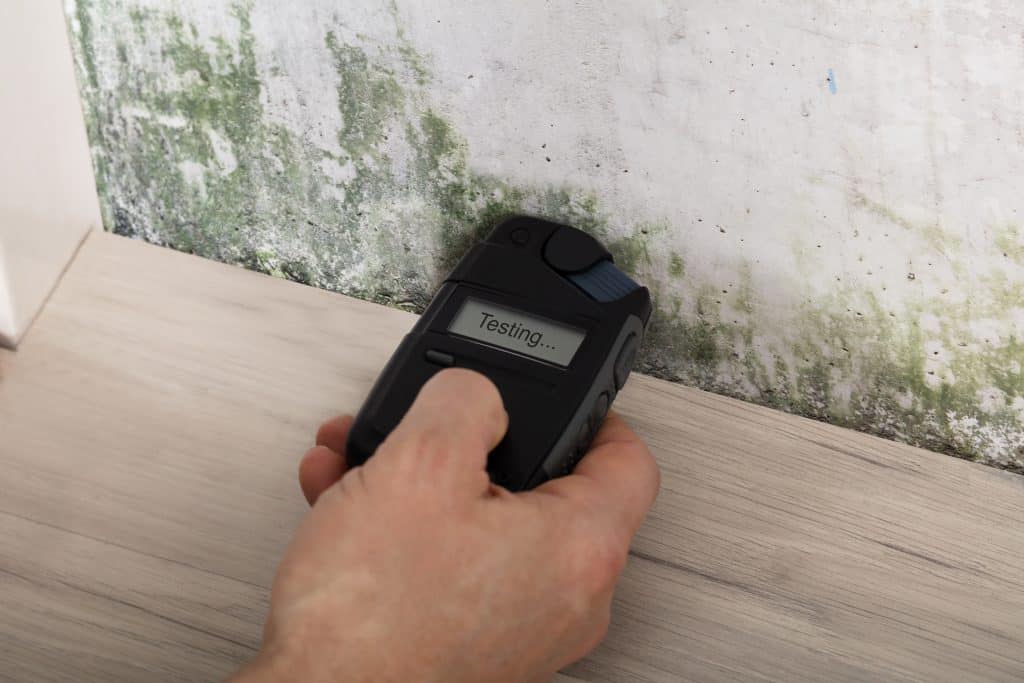
First, we inspect your property to figure out where the mold is and why it’s there. We’re looking for the moisture source—not just the visible mold. That means checking basements, crawl spaces, attics, behind walls if needed, and anywhere water or humidity could be hiding.
Once we know what we’re dealing with, you get a clear estimate before any work starts. No surprises, no upselling mid-job.
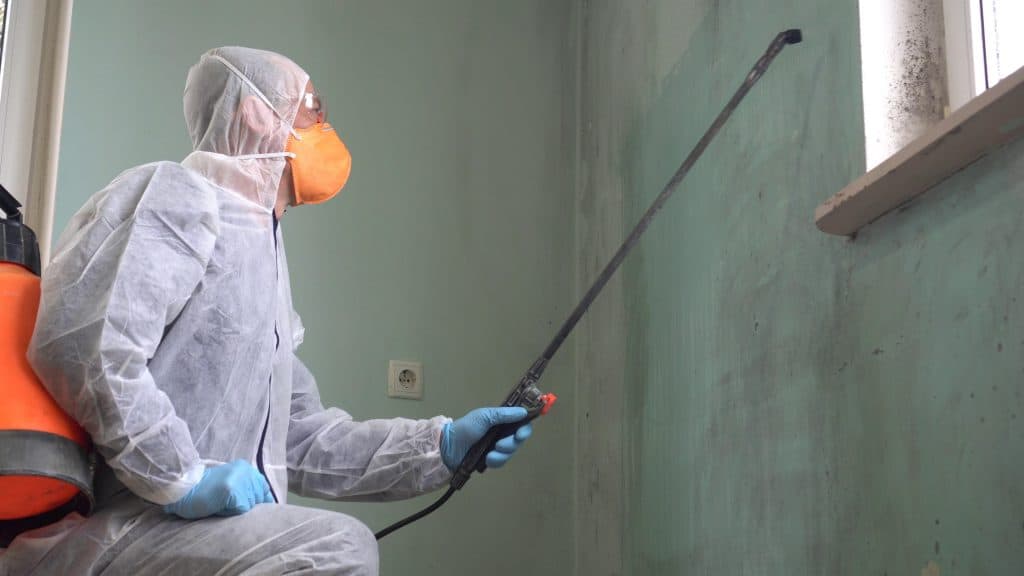
Then we contain the area to prevent mold spores from spreading to other parts of your home during removal. We use HEPA filtration and negative air pressure to keep everything controlled. The actual mold cleaning services involve removing contaminated materials that can’t be saved and treating surfaces that can. If it’s black mold removal or any other strain, the process is thorough and follows EPA guidelines.
After removal, we address the source. If it’s a leak, we fix it. If it’s a ventilation issue, we solve it. If your basement is pulling in groundwater through foundation cracks, we handle that too. The goal isn’t just to remove mold—it’s to make sure it doesn’t come back.
Ready to get started?
You’re getting a full mold inspection to locate all affected areas, not just the spots you can see. We test moisture levels, check airflow, and identify hidden problems in places most people don’t think to look.
The removal itself involves containment, HEPA air scrubbing, safe removal of contaminated materials, and antimicrobial treatment of salvageable surfaces. If drywall, insulation, or flooring is too far gone, we remove it and handle disposal properly—not just bag it up and hope for the best.
In Erwinna and throughout Bucks County, basements are the most common problem area. The soil here holds moisture, and older foundations weren’t sealed the way new ones are. That means hydrostatic pressure pushes water through concrete, even when you don’t see an obvious crack. We deal with that kind of issue regularly, and we know how to fix it so your basement stays dry long-term.
We also handle attic mold remediation caused by roof leaks or poor ventilation, and crawl space mold removal where humidity gets trapped and ignored for years. Every job ends with verification that moisture levels are back to normal and air quality is where it should be.
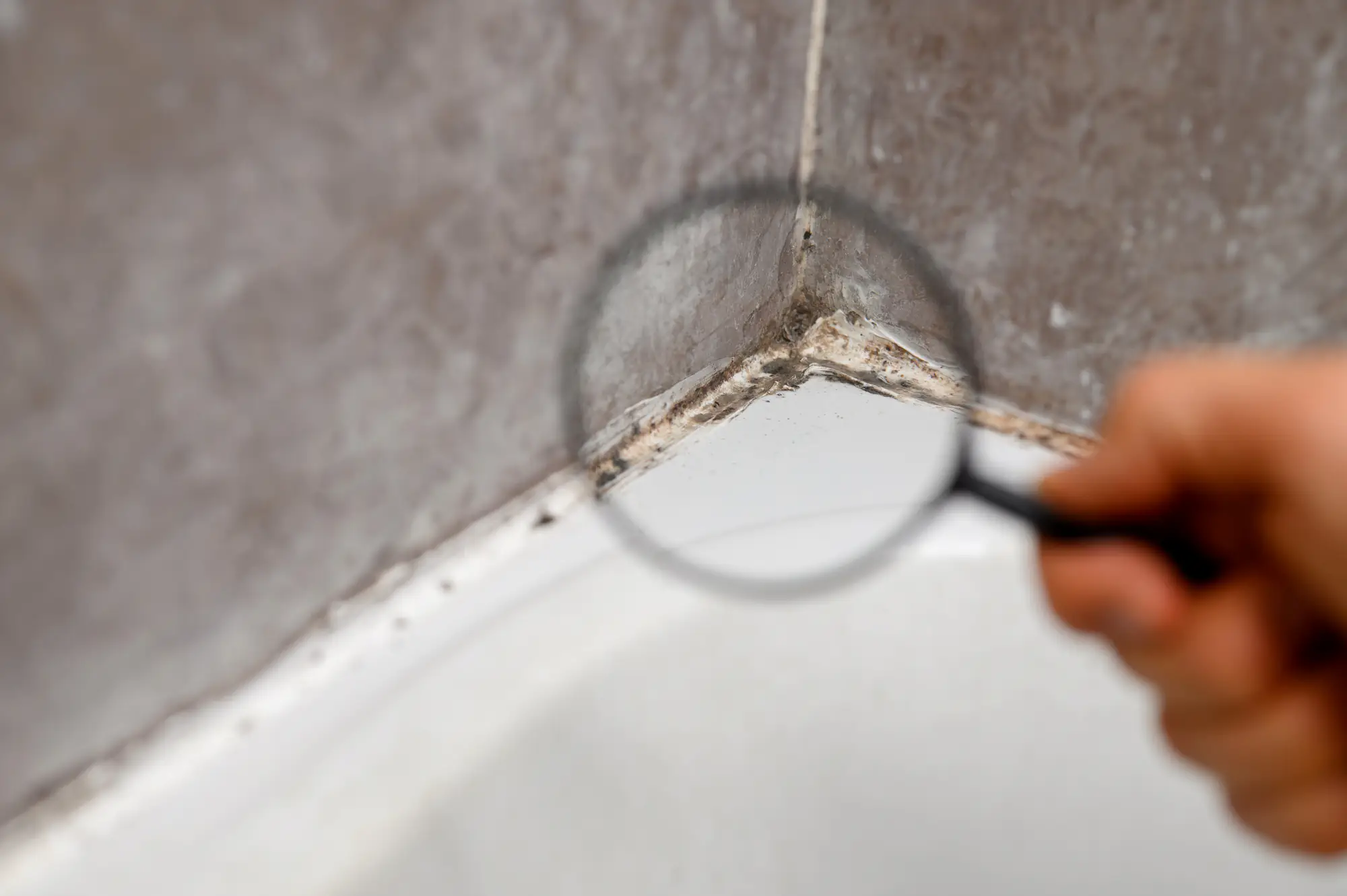
If you can see mold, smell mold, or you’ve had water damage in the past few months, you probably need it. Visible mold means there’s already a colony growing, and it’s releasing spores into your air. A musty smell—even without visible mold—usually means it’s growing somewhere you can’t see, like inside walls or under flooring.
You also need professional help if the affected area is larger than about 10 square feet, if it’s black mold, or if it’s in your HVAC system. DIY cleaning might work for a tiny spot on a bathroom tile, but anything beyond that requires proper containment, equipment, and treatment to actually solve the problem.
If anyone in your house is experiencing unexplained respiratory issues, allergies that won’t go away, or frequent coughing and wheezing, that’s another sign. Mold affects kids and people with asthma the hardest, and it’s not worth risking their health to save a few bucks on a cleaning product that won’t work anyway.
Mold removal is getting rid of the visible mold. Mold remediation is fixing the entire problem so it doesn’t come back. Most people use the terms interchangeably, but remediation is the more accurate word for what actually needs to happen.
You can scrub mold off a surface, and it’ll look clean for a while. But if the moisture source is still there, the mold will grow back. Remediation means identifying why the mold is growing in the first place—whether it’s a leak, condensation, poor ventilation, or groundwater seeping into your basement—and addressing that root cause.
It also means properly containing the work area so spores don’t spread during cleanup, using the right equipment to filter the air, and treating or removing materials that are too contaminated to save. Real remediation leaves your home cleaner and safer, not just temporarily mold-free. That’s what we do in Erwinna—we don’t just treat the symptom.
It depends on how much mold there is and where it’s located. A small bathroom or closet might take one to two days. A basement with widespread contamination could take a week or more, especially if we’re also fixing the moisture problem and replacing materials.
The inspection happens first and usually takes a couple of hours. Once we know the scope, we’ll give you a timeline before we start. Containment and removal are the most time-intensive parts, especially if we’re dealing with black mold removal or mold that’s gotten into insulation, drywall, or subflooring.
After the physical removal, we monitor moisture levels and air quality to make sure everything is back to normal before we call the job done. Rushing through it just means the mold comes back, and nobody wants that. We’d rather take the time to do it right the first time than have you call us back in six months with the same problem.
Sometimes, but it depends on what caused the mold. If it’s from a sudden, accidental event—like a burst pipe or a roof leak during a storm—most policies will cover it. If it’s from long-term neglect, like a slow leak you ignored for months, they probably won’t.
The key is how your policy defines the cause. Insurance companies want to see that you took reasonable steps to prevent damage and that the mold resulted from a covered peril, not from lack of maintenance. If a washing machine hose breaks and floods your basement, that’s usually covered. If your basement has been damp for years and you never addressed it, that’s a harder sell.
We work with insurance companies regularly and can help you navigate the claims process. We’ll document everything, provide detailed estimates, and communicate directly with your adjuster if needed. Even if insurance doesn’t cover the full cost, it’s worth filing a claim to see what they’ll pay. And either way, the mold still needs to be dealt with before it gets worse and more expensive.
You can try, but you’ll probably make it worse. Mold releases spores when it’s disturbed, and without proper containment, you’re spreading those spores throughout your house. You’re also not addressing the moisture problem, which means the mold will just grow back.
If it’s a very small area—like a few square feet on a non-porous surface—and you catch it early, you might be able to handle it with the right cleaner and some precautions. But if it’s in your drywall, insulation, carpet, or wood, those materials are porous and the mold has likely grown deeper than you can reach with surface cleaning.
Black mold and other toxic strains are especially risky to handle without training and equipment. You need containment barriers, HEPA filtration, proper PPE, and antimicrobial treatments that actually work. Most hardware store mold sprays just kill surface mold and do nothing about the roots or the spores. Professional mold removal in Erwinna costs money upfront, but it’s cheaper than doing it wrong, getting sick, or having to redo it later when the problem spreads.
Moisture. That’s it. Mold needs water, warmth, and organic material to grow, and Bucks County gives it all three. The humidity here in summer is high, the soil holds moisture against foundations, and older homes weren’t built with the kind of vapor barriers and drainage systems we use today.
Basements are the biggest problem. Clay-rich soil and heavy spring rains create hydrostatic pressure that pushes water through foundation walls, even without visible cracks. Add in poor ventilation, and you’ve got the perfect environment for mold. Crawl spaces are similar—they trap humidity and rarely get checked until there’s a problem.
Attics get mold when roof leaks go unnoticed or when bathroom exhaust vents dump moist air into the attic instead of outside. Leaky windows, plumbing issues, and even condensation from temperature differences can all cause mold growth. In Erwinna and the surrounding area, we see these issues constantly. The climate here isn’t doing you any favors, and older construction methods make it worse. The good news is that once you fix the moisture source, the mold stops growing.
Other Services we provide in Erwinna