
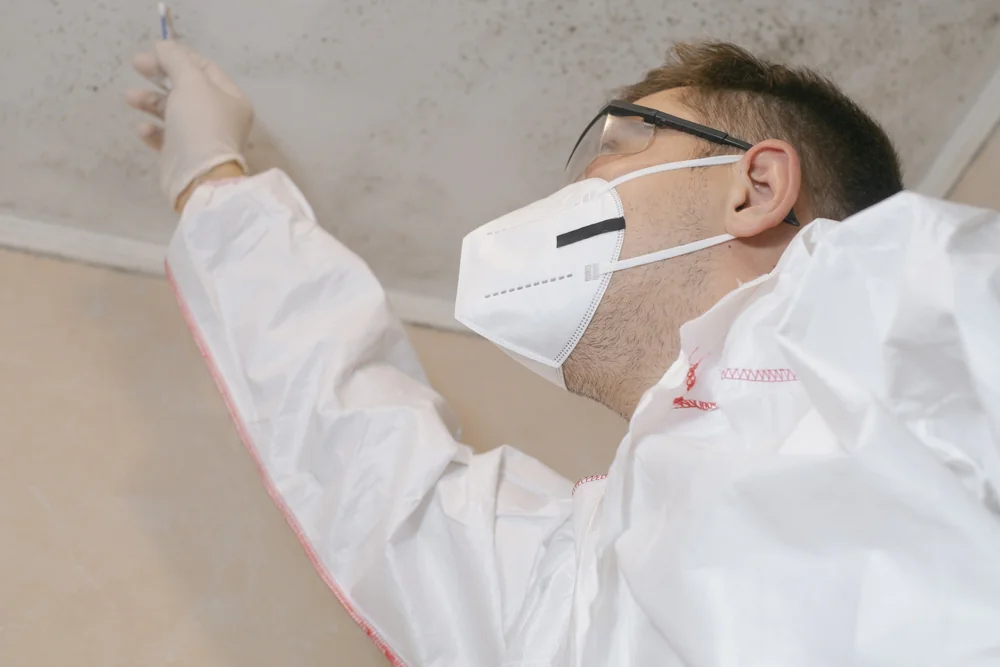
Hear from Our Customers
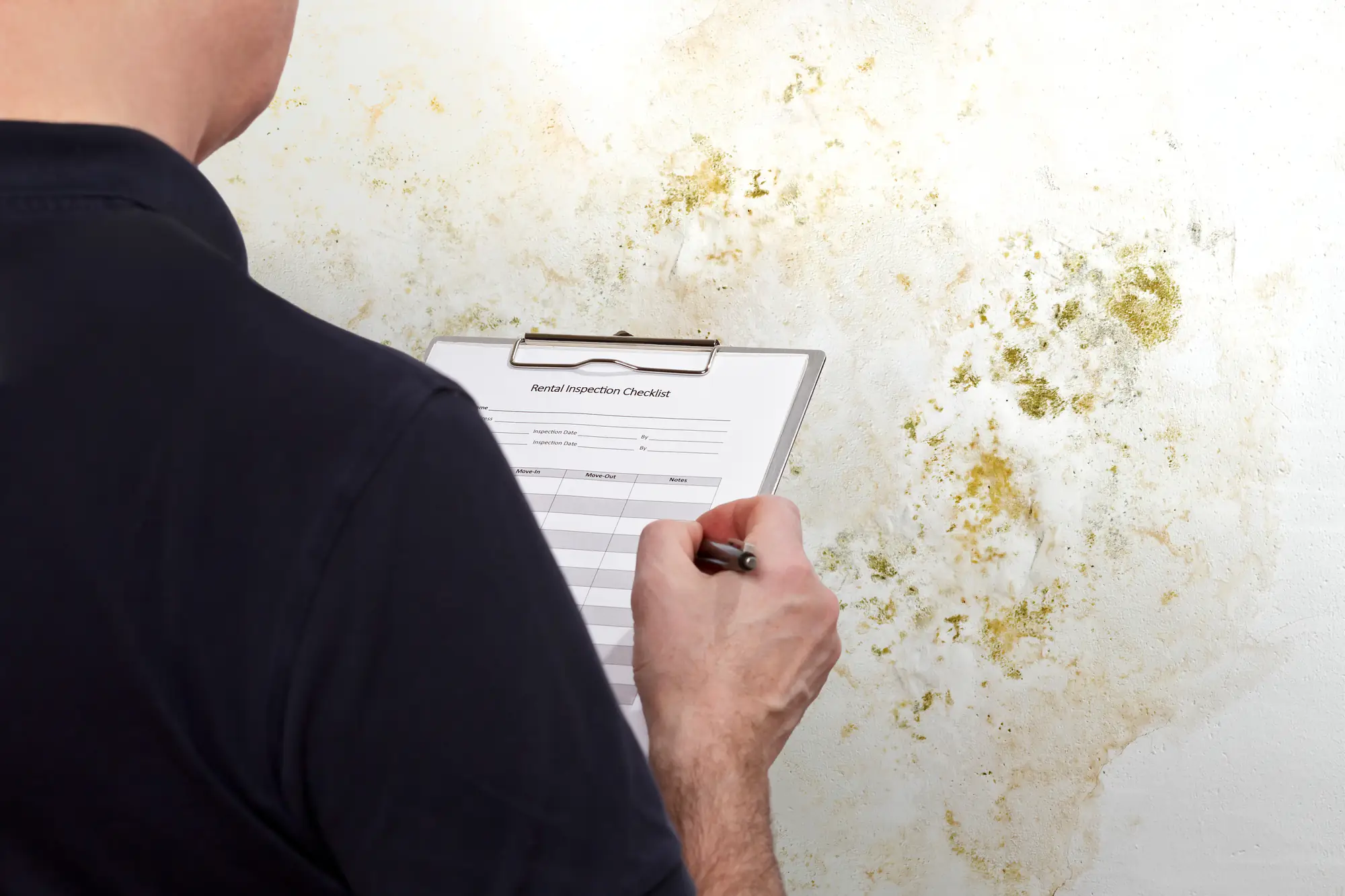
You can’t fix what you can’t see. Most mold grows behind walls, under floors, in crawl spaces—places a quick walk-through won’t catch.
That’s where a real mold inspection comes in. We use moisture meters and thermal imaging to find active mold growth and the water sources feeding it. You get a clear picture of what’s happening in your home, where the problem started, and what it’ll take to fix it.
No guessing. No surprises later. Just honest answers about whether you’ve got a small issue or something that needs immediate attention. If you’re buying a home, selling one, or just noticed a musty smell you can’t ignore, this is where you start.
We’ve built a reputation across Pennsylvania for thorough inspections and straight answers. We’re not here to upsell you on work you don’t need.
Our team knows how Pennsylvania’s humid summers create perfect conditions for mold. Middletown’s climate—with humidity regularly pushing past 70%—means moisture problems develop fast. We’ve seen it all, from basement flooding after spring storms to condensation issues in older homes without proper ventilation.
We’re available 24/7 because mold doesn’t wait for business hours. And we start every job with a free inspection, so there’s no financial barrier to finding out what’s actually going on in your home.
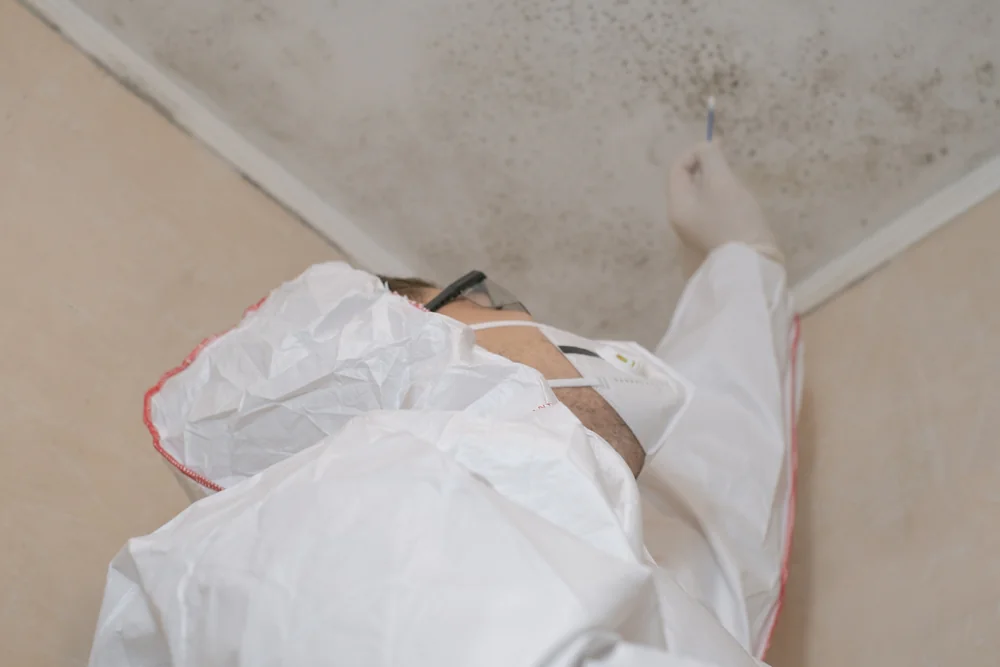
First, we walk through your property and talk about what you’ve noticed—smells, stains, health symptoms, recent water damage. That conversation tells us where to look.
Then we inspect the obvious spots and the hidden ones. We check basements, attics, crawl spaces, behind appliances, around windows, inside wall cavities. We use moisture meters to find wet materials and thermal imaging to spot temperature differences that signal water intrusion.
If we find visible mold or conditions that suggest hidden growth, we can collect samples for lab testing. That identifies the specific mold type and concentration levels—information that matters for health concerns and remediation planning.
You get a detailed report explaining what we found, where the moisture is coming from, and what your options are. If remediation is needed, we’ll give you a clear estimate before any work starts. If it’s minor and you can handle it yourself, we’ll tell you that too.

Ready to get started?
Every inspection covers your entire property—not just the room where you noticed something. We’re looking for active mold growth, water damage, humidity issues, and ventilation problems.
You get documentation you can use for insurance claims, real estate transactions, or your own peace of mind. If you’re buying a home in Middletown, this inspection gives you negotiating power or the option to walk away. If you’re selling, it demonstrates transparency and can prevent deals from falling apart during the buyer’s inspection.
Pennsylvania law requires sellers to disclose known mold problems. An inspection protects you legally and financially. Untreated mold can drop your property value by 20-37%. Professional remediation—done right—helps you recover nearly $20,000 more in resale value.
Middletown’s older housing stock and humid climate make basements and crawl spaces particularly vulnerable. We see recurring issues with foundation moisture, poor grading, and inadequate dehumidification. Catching these problems early saves you from expensive structural repairs down the road.
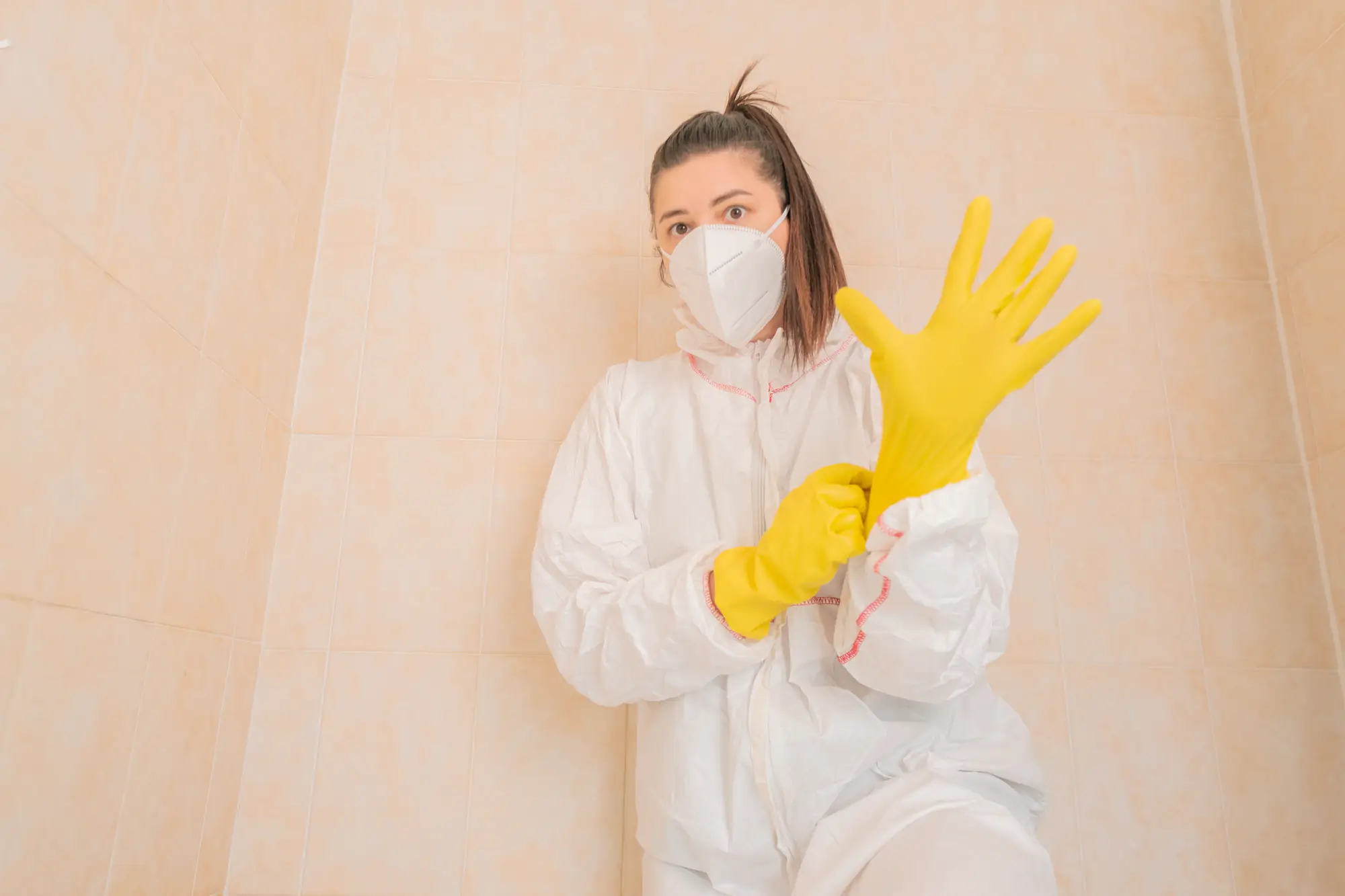
We offer free mold inspections. Most companies in the area charge between $300 and $1,000, but we’ve removed that barrier because we want you to know what’s happening in your home without worrying about upfront costs.
The inspection itself involves a thorough walk-through, moisture detection, thermal imaging, and a detailed report. If lab testing is needed to identify specific mold types, there may be a lab fee, but we’ll discuss that with you first.
If remediation is necessary, we provide a clear written estimate before any work begins. No surprise charges. No pressure. You’ll know exactly what the problem costs to fix, and you can make an informed decision from there.
Most residential inspections take 1-3 hours, depending on your home’s size and the extent of the problem. A small condo might take an hour. A larger home with a basement, attic, and crawl space could take closer to three.
We’re not rushing through it. We’re checking everywhere mold typically grows—and plenty of places it hides. That includes areas you might not think to look, like inside HVAC systems, behind water heaters, under sinks, and in wall cavities near plumbing.
After the inspection, we’ll sit down with you and explain what we found. You’ll get a written report within 24-48 hours that documents everything, including photos and moisture readings. If samples were sent to a lab, those results typically come back within a few days.
A mold inspection is a visual assessment of your property using tools like moisture meters and thermal cameras. We’re looking for visible mold, water damage, humidity problems, and conditions that allow mold to grow. Most of the time, this tells us everything we need to know.
Mold testing involves collecting air or surface samples and sending them to a lab for analysis. Testing identifies the specific type of mold and measures concentration levels. This matters if you have health concerns, need documentation for medical or legal reasons, or want to confirm that remediation was successful.
You don’t always need testing. If we find obvious mold growth, the next step is removing it and fixing the moisture problem—not spending money to confirm what we already see. But if you’re experiencing unexplained health symptoms, buying a home and want documentation, or dealing with an insurance claim, testing provides the detailed evidence you need.
It depends on the size and type of contamination. Small areas—less than 10 square feet, like a patch of mold on bathroom tile—can often be cleaned with the right products and safety precautions. You’ll need gloves, eye protection, and an N95 mask at minimum.
Larger areas, mold inside walls or HVAC systems, or contamination caused by sewage or flooding require professional remediation. DIY attempts on big jobs usually spread spores throughout your home, making the problem worse. Plus, if you don’t fix the underlying moisture issue, the mold just comes back.
Black mold (Stachybotrys) gets a lot of attention, but any mold growth in your home is a problem. What matters more is the extent of contamination and whether it’s affecting your health. If anyone in your household has asthma, allergies, or respiratory issues, don’t take chances. Professional remediation includes containment, air filtration, safe removal, and verification testing to confirm the job’s done right.
Mold can start growing within 24-48 hours after materials get wet. Pennsylvania’s humidity accelerates that timeline. If your basement flooded, a pipe burst, or your roof leaked during a storm, the clock is ticking.
This is why we offer 24/7 emergency response. The faster you dry out wet materials, the better your chances of avoiding mold contamination. Even if you can’t see mold yet, moisture trapped in walls, insulation, or subflooring creates the perfect environment for growth.
An inspection after water damage isn’t just about finding existing mold—it’s about identifying hidden moisture before mold has a chance to establish itself. We use moisture meters to check materials that look dry on the surface but are still wet underneath. Catching it early saves you from tearing out drywall and replacing insulation later.
Yes, especially in this area. Middletown’s humidity and the age of many homes here make mold problems common. A standard home inspection might catch visible issues, but it won’t find mold hidden behind walls or under flooring.
A dedicated mold inspection gives you leverage. If we find contamination, you can negotiate repairs, ask the seller to remediate before closing, or adjust your offer to account for the cost. In some cases, discovering serious mold problems gives you the option to walk away entirely.
Pennsylvania law requires sellers to disclose known mold issues, but “known” is the key word. If they genuinely didn’t know about hidden mold, you’re stuck dealing with it after you’ve already bought the house. An inspection protects you from inheriting someone else’s expensive problem and gives you peace of mind that you’re making a sound investment.
Other Services we provide in Middletown