
Hear from Our Customers
Mold doesn’t just look bad. It affects how your home feels, how your family breathes, and whether you can relax in your own space.
You’re dealing with something that hides behind walls, grows in crawl spaces, and spreads faster than most people realize. And if you’ve got older construction—which a lot of Middletown homes do—you’re already at higher risk.
What you need is someone who can find it all, remove it completely, and make sure it doesn’t come back. That means proper containment, lab-verified testing, and addressing the moisture problem that caused it in the first place. Not just scrubbing what’s visible and calling it done.
When the job’s finished, you’re not wondering if there’s still mold somewhere. You know it’s handled.
We’ve been helping homeowners and businesses across Middletown and the surrounding areas deal with mold the right way. We’re not new to this, and we’re not learning on your property.
We know what Pennsylvania humidity does to basements. We know what happens when your HVAC system isn’t circulating air properly. And we know how quickly a small leak turns into a bigger problem if it’s not caught early.
You’re working with a local team that understands the housing stock here—the age of the homes, the flood risks, the common trouble spots. We’ve seen it before, and we know how to fix it.
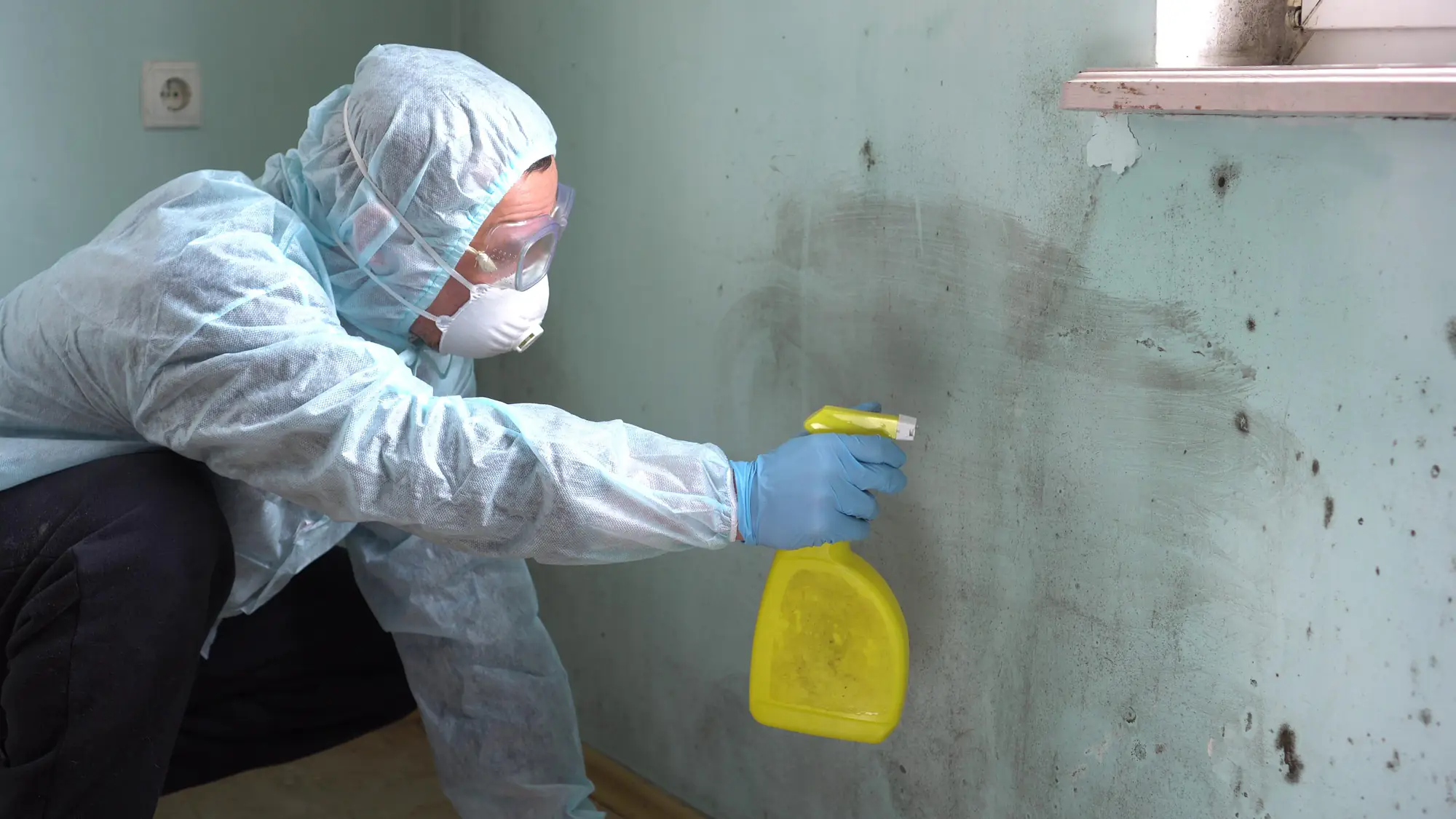
First, we come out and do a full inspection. That means checking the obvious spots and the ones most people miss—behind walls, under floors, inside ductwork. We use moisture meters and infrared cameras to find hidden water damage before it becomes visible mold.
If we find mold, we collect samples and send them to a certified lab. You’ll get a report that tells you exactly what type of mold you’re dealing with and how much of it there is. No guessing.
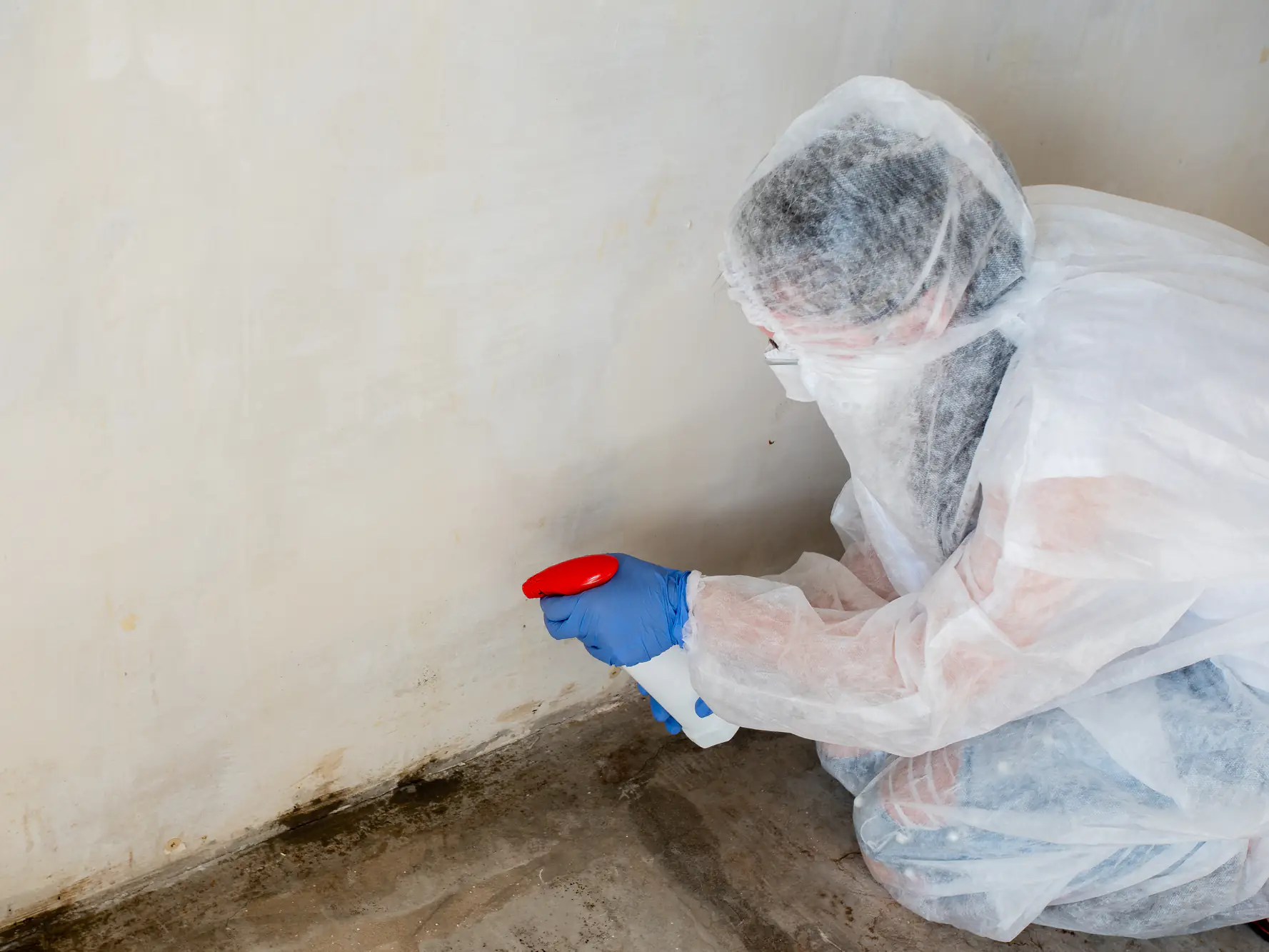
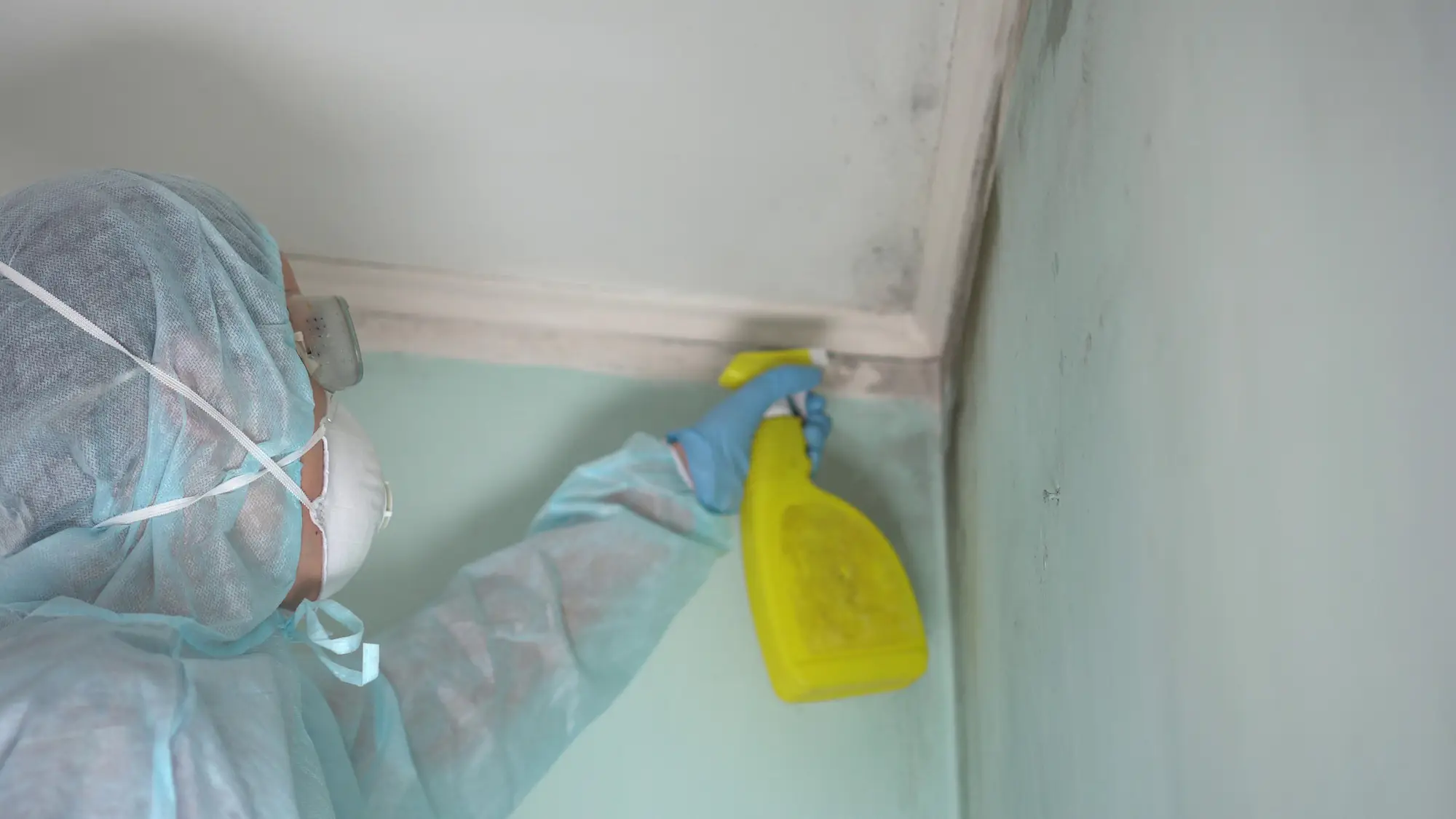
Then we contain the area to keep spores from spreading during removal. We pull out contaminated materials, treat affected surfaces, and use HEPA filtration to clean the air. Once everything’s removed, we verify it with post-remediation testing.
Finally, we address the source. Whether it’s a leak, poor ventilation, or drainage issues, we make sure the conditions that caused the mold are fixed. Otherwise, you’re just going to be dealing with this again in six months.
Ready to get started?
You get a free inspection up front. No charge to come out, assess the situation, and give you a clear breakdown of what needs to happen.
We handle basements, attics, crawl spaces, bathrooms—anywhere mold grows. And in Middletown, basements are a big one. With 41% of properties here at risk for flooding over the next 30 years, water intrusion is a real issue. Older homes with stone foundations or poor drainage are especially vulnerable.
We also work with your insurance company if your policy covers mold damage. We’ll document everything, provide the reports they need, and help you navigate the claims process so you’re not doing it alone.
You’ll get transparent pricing before we start. No surprises, no upselling once we’re halfway through the job. And if the scope changes, we talk to you first.

It depends on how much mold there is and where it’s growing. Most jobs fall somewhere between $1,200 and $3,700, with the national average around $2,400.
A small patch in a bathroom is going to cost a lot less than a full basement with water damage and structural issues. If we need to remove drywall, insulation, or flooring, that adds to the scope.
We give you a detailed estimate after the inspection so you know exactly what you’re paying for. And if your insurance covers it, we’ll work directly with them to make the process easier.
You can try, but there’s a good chance you’ll miss something. Mold grows in places you can’t see—inside walls, under flooring, in HVAC systems. If you only clean what’s visible, you’re leaving the root problem untouched.
DIY mold removal also puts you at risk if you’re not using proper containment and protective equipment. Disturbing mold releases spores into the air, and if you’re not filtering them out, you’re just spreading the problem.
The bigger issue is moisture. If you don’t fix the leak, the humidity problem, or whatever caused the mold in the first place, it’s going to come back. About 40% of mold cases return because the underlying issue wasn’t addressed.
Most residential jobs take between one and five days, depending on the size of the affected area and how much material needs to be removed.
A single room with surface mold might only take a day or two. A full basement with structural damage and multiple contaminated areas could take a week or more.
We’ll give you a timeline during the estimate so you know what to expect. And if something changes—like we find more mold once we open up a wall—we’ll let you know before moving forward.
Mold can cause respiratory issues, especially if you or someone in your household has asthma or allergies. Common symptoms include coughing, wheezing, stuffy nose, sore throat, and skin irritation.
For people with weakened immune systems, mold exposure can lead to more serious lung infections. Black mold—technically called Stachybotrys—gets a lot of attention, but any type of mold can cause problems if you’re breathing it in regularly.
The longer mold stays in your home, the worse the air quality gets. If you’re noticing symptoms that improve when you leave the house and come back when you’re home, mold could be the reason.
Yes. Unresolved mold problems can reduce your home’s value by 20% to 37%, depending on the severity. And if you’re trying to sell, most buyers will walk away once they see mold in an inspection report.
Even if you disclose it, buyers are going to negotiate the price down or ask you to fix it before closing. And if you don’t disclose it and they find out later, you could be facing legal issues.
Getting it handled now protects your investment. A few thousand dollars in remediation is a lot cheaper than losing tens of thousands in resale value or dealing with structural damage down the line.
The most obvious sign is visible mold—black, green, or white patches on walls, ceilings, or floors. But mold doesn’t always show itself right away.
You might notice a musty smell, especially in basements, bathrooms, or areas with poor ventilation. If you’ve had water damage—whether from a leak, flooding, or high humidity—there’s a good chance mold is growing somewhere.
Other signs include peeling paint, warped walls, or persistent allergy symptoms that don’t go away. If you’re seeing or smelling any of this, it’s worth getting an inspection. The sooner you catch it, the easier and cheaper it is to fix.
Other Services we provide in Middletown