
Mold Inspection in Derstines, PA

Find Hidden Mold Before It Finds You

Advanced detection technology reveals what’s growing behind your walls, under your floors, and in your air—so you can protect your home and your family’s health.
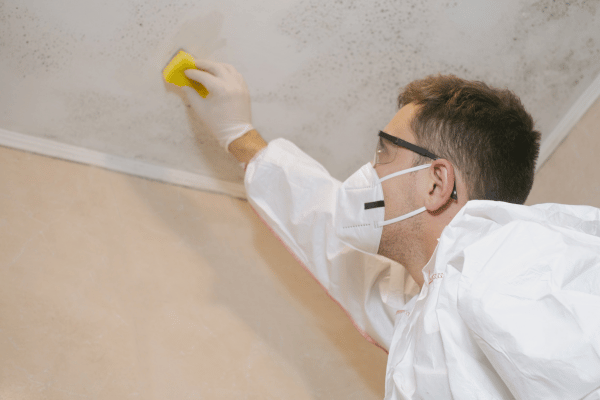
Protective worker in safety suit inspecting or treating mold spots on an indoor ceiling, addressing moisture damage and potential mold growth inside a building.

Hear from Our Customers

Mold Detection Services in Derstines

Know Exactly What You're Dealing With

You’ve noticed the musty smell in your basement. Or maybe you’re buying a home and need to know what’s really there before you sign. Either way, guessing doesn’t work when it comes to mold.

A proper mold inspection gives you the full picture. Not just where mold is growing, but why it’s there and what it’s doing to your property. You’ll get lab-certified results that tell you the type of mold, the concentration levels, and whether it’s affecting your indoor air quality.

That clarity matters. It means you can make informed decisions about remediation, negotiate real estate deals with confidence, and stop worrying about what you can’t see. In Bucks County’s humid climate—where precipitation has increased 5-10% in recent years—mold doesn’t need much of an invitation. But catching it early prevents the expensive structural damage and health issues that come when it spreads unchecked.

Mold Detection Company Serving Derstines

We Know What Grows Here

We serve homeowners throughout Bucks County with one focus: accurate detection and honest answers. We’re not here to oversell you on problems that don’t exist or downplay issues that do.

Our team uses thermal imaging, moisture meters, and professional-grade equipment to find mold in places most people never think to check. We understand how Derstines’ climate creates conditions for mold growth, especially in basements, attics, and crawl spaces where moisture accumulates.

You’ll work with inspectors who explain what they’re finding in plain language, not jargon. And you’ll get a detailed report that breaks down the results so you know exactly what action to take next.

Protective worker collecting a mold sample from a stained indoor ceiling using a swab, inspecting moisture damage and potential mold growth inside a building.

Our Home Mold Inspection Process

Here's What Happens During Your Inspection

First, we walk through your property and talk about what you’ve noticed—odors, visible growth, water damage, or health symptoms. That conversation helps us understand where to focus.

Then we start the inspection. We use moisture meters to identify areas with elevated humidity levels, even if they look dry on the surface. Thermal imaging reveals temperature differences that indicate hidden moisture behind walls or under floors. We check your HVAC system, because that’s often how mold spores spread throughout your home.

If we find signs of mold, we take air samples and surface samples. Those go to a certified lab for analysis. You’re not getting our best guess—you’re getting scientific identification of the mold species and concentration levels.

Once the lab results come back, we review them with you. We explain what the findings mean for your health and your property, and we outline your options for remediation. No pressure, no upselling. Just clear information so you can decide what makes sense for your situation.

Home interior with mold remediation in progress as a worker sprays treatment on a wall using a ladder, while a resident relaxes on a covered sofa in a renovated living room.

Ready to get started?

Explore More Services

About Mack's Mold Removal

Black Mold Inspection in Derstines

What's Included in Your Mold Inspection

Your inspection covers every area where mold typically grows in Derstines homes. We check basements and crawl spaces, where groundwater and humidity create ideal conditions. We inspect attics, especially after roof leaks or ice dam damage. We examine bathrooms, kitchens, and laundry rooms where steam and condensation accumulate.

We also test your indoor air quality. Mold spores circulate through your HVAC system, which means a small problem in one room can affect your entire home. Air sampling tells us whether spore levels are elevated and whether they’re impacting the air your family breathes.

Pennsylvania law requires sellers to disclose known material defects, and mold falls into that category. If you’re buying a home in Derstines, a pre-purchase mold inspection protects you from inheriting someone else’s problem. If you’re selling, it gives you documentation to show buyers that your property is clean—or it identifies issues you can address before listing.

Bucks County’s climate isn’t getting any drier. Annual rainfall is projected to increase another 2-4 inches, which means more moisture and more favorable conditions for mold growth. Regular inspections help you stay ahead of problems before they become expensive.

How do I know if I actually need a mold inspection?

If you smell something musty, that’s usually mold. The odor comes from microbial volatile organic compounds that mold releases as it grows. Even if you can’t see anything, that smell means spores are present somewhere in your home.

Visible growth is another obvious sign—dark spots on walls, fuzzy patches on wood, discoloration around windows or in corners. But plenty of mold grows where you can’t see it: inside wall cavities, under flooring, in ductwork, behind appliances.

Water damage is a red flag. If you’ve had a leak, flooding, or persistent condensation, mold likely followed. It can start growing within 24-48 hours of water exposure. Health symptoms matter too—if people in your home are experiencing unexplained allergies, asthma flare-ups, or respiratory issues, mold exposure could be the cause.

If you’re buying a home, get an inspection regardless of whether you notice problems. Sellers aren’t always aware of hidden mold, and DIY test kits don’t give you the full picture. A professional inspection with lab analysis tells you exactly what you’re dealing with before you close.

A mold inspection is the visual assessment. We walk through your property, use detection equipment to find moisture and temperature anomalies, and identify areas where mold is likely growing. That inspection tells us where to look and whether testing is necessary.

Mold testing is the lab work. We collect air samples and surface samples from areas where we found growth or elevated moisture. Those samples go to a certified laboratory that identifies the specific mold species and measures spore concentration levels.

You need both for a complete picture. The inspection finds the problem areas. The testing confirms what type of mold is present and how severe the contamination is. That matters because different mold species require different remediation approaches, and concentration levels determine the urgency of the situation.

Some companies skip the inspection and go straight to testing, but that’s backwards. Without the inspection, you might miss hidden growth entirely. Other companies do inspections without testing and just give you their opinion, which isn’t enough if you’re dealing with a real estate transaction or need documentation for remediation.

For most homes in Derstines, the on-site inspection takes 2-3 hours. That includes the walkthrough, moisture readings, thermal imaging, and sample collection. Larger properties or homes with extensive moisture issues take longer.

The lab analysis adds another 3-5 business days. We can’t speed that up—proper testing requires time for the lab to culture samples and identify species accurately. Rush services exist, but they’re expensive and usually unnecessary unless you’re dealing with a time-sensitive real estate closing.

You’ll get a detailed report once the lab results come back. That report includes photos from the inspection, lab findings with spore counts and species identification, and our recommendations for next steps. We review everything with you so you understand what the data means.

If you need faster answers for a specific area—like you’re trying to determine whether visible growth is actually mold—we can prioritize sampling from that location. But comprehensive whole-home testing still requires the full timeline. Accurate results matter more than fast results when you’re making decisions about remediation or property purchases.

Home test kits will tell you that mold exists, which you probably already know if you’re considering testing. What they won’t tell you is where it’s growing, what type it is, how concentrated it is, or whether it’s affecting your indoor air quality.

Those kits test one small area. Mold doesn’t grow uniformly—it clusters in spots with the right moisture and temperature conditions. Testing one location tells you nothing about what’s happening in your walls, your crawl space, or your HVAC system.

The bigger issue is that DIY kits often miss the extent of contamination. You might test a visible spot and get a positive result, but that doesn’t reveal the hidden growth spreading behind your drywall. We use moisture meters and thermal imaging to find those hidden areas before we test them.

If you’re dealing with a real estate transaction, insurance claim, or health concern, you need lab-certified results from a professional inspection. Home kits don’t provide documentation that holds up in those situations. And if you’re trying to determine whether you need remediation, a $40 kit that gives you incomplete information isn’t saving you money—it’s delaying the real answer.

Aspergillus is everywhere in Bucks County. It grows on damp surfaces, in HVAC systems, and in areas with poor ventilation. Most species are relatively harmless, but some produce mycotoxins that cause respiratory issues, especially in people with compromised immune systems.

Cladosporium thrives in our humid climate. It grows on wood, drywall, and fabrics. You’ll often find it in attics, basements, and around windows where condensation accumulates. It’s one of the most common molds we identify in air samples.

Stachybotrys—the “black mold” everyone worries about—needs consistent moisture to grow. It shows up after water damage, in areas with ongoing leaks, or in spaces with humidity levels above 70%. It’s less common than Aspergillus or Cladosporium, but it’s more concerning because it produces mycotoxins that can cause serious health effects.

Penicillium grows on water-damaged materials like carpets, wallpaper, and insulation. It spreads quickly and produces a strong musty odor. We find it frequently in basements and crawl spaces where groundwater seepage creates damp conditions. The specific species matters—some are relatively benign, others produce allergens that trigger asthma and allergic reactions. That’s why lab identification is important rather than just assuming all mold is the same.

Most residential mold inspections in the Derstines area run between $400-$800, depending on your home’s size and how many samples we need to collect. A small home with one suspected area costs less than a large property where we’re testing multiple rooms and air quality throughout.

That price includes the on-site inspection with moisture detection and thermal imaging, sample collection, lab analysis, and a detailed report with our findings and recommendations. Some companies charge separately for the inspection and testing, which can make their initial quote look lower until you see the final bill.

If you’re buying a home, that cost is minimal compared to what you’d pay for remediation after closing on a property with hidden mold. If you’re already living in your home and dealing with health symptoms or visible growth, the inspection tells you whether you’re looking at a minor cleanup or a major remediation project.

We don’t charge extra for same-day scheduling or emergency inspections. The price is the price. And we don’t upsell you on unnecessary testing—if we can visually confirm mold and determine the extent of growth without lab analysis, we’ll tell you that upfront. But when testing is necessary for accurate identification or documentation, it’s included in the inspection cost we quote you.

Other Services we provide in Derstines