

Mold Inspection in Fairmount, PA

Find Hidden Mold Before It Finds You

Advanced mold detection that protects your Fairmount home and family with detailed reports you can actually use for insurance, sales, or peace of mind.
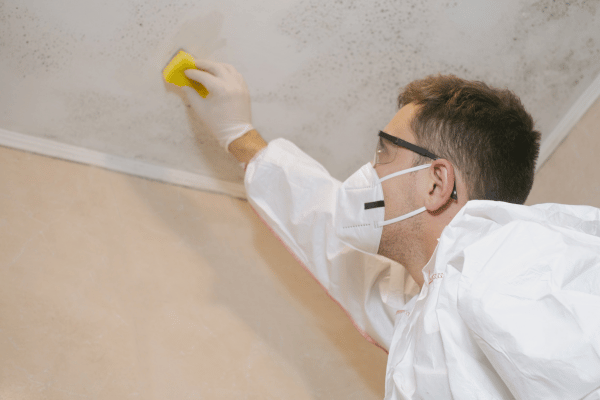
Protective worker in safety suit inspecting or treating mold spots on an indoor ceiling, addressing moisture damage and potential mold growth inside a building.

Hear from Our Customers

Professional Mold Detection Services

Know Exactly What You're Dealing With

You can’t fix what you can’t see. That’s the problem with mold in Fairmount’s older homes—it hides in walls, crawls through basements, and spreads behind finishes you’d never think to check.

A real mold inspection gives you the full picture. Not just where mold is growing, but why it’s there, how bad it is, and what it’s going to take to handle it. You get a detailed report with lab results, moisture readings, and photos that actually mean something when you’re talking to contractors, insurance adjusters, or buyers.

This isn’t about scaring you into unnecessary work. It’s about knowing what’s happening in your home so you can make smart decisions. If there’s a problem, you’ll know the scope. If there isn’t, you’ll have documentation that proves it. Either way, you’re not guessing.

Mold Inspection Company Fairmount Trusts

We Only Do Mold—That's the Point

We’ve been handling mold problems across Philadelphia County for years, and we’ve seen what happens in Fairmount’s housing stock. Brick row homes with shared walls, older basements that flood every spring, HVAC systems that haven’t been updated since the ’80s—these aren’t just cosmetic issues.

We’re not a general restoration company that does mold on the side. This is what we do. Every inspection uses the same process, the same equipment, and the same attention to detail whether it’s a studio apartment or a three-story Victorian.

You’re working with people who understand how Philadelphia’s climate affects indoor air quality, how water moves through these older structures, and what actually matters when you’re trying to protect your investment in Fairmount.

Protective worker collecting a mold sample from a stained indoor ceiling using a swab, inspecting moisture damage and potential mold growth inside a building.

Our Home Mold Inspection Process

Here's What Happens During Your Inspection

We start with a visual assessment of your entire property. That means checking obvious spots like bathrooms and basements, but also looking at HVAC systems, crawl spaces, attics, and anywhere moisture could be hiding. We’re using thermal imaging and moisture meters to find problems you can’t see.

If we find visible growth or high moisture readings, we take air and surface samples. Those go to an independent lab for analysis so you know exactly what type of mold you’re dealing with and how much of it is in your air. This isn’t a guess—it’s data.

You get a written report that breaks down every finding, includes photos and lab results, and explains what needs to happen next. If remediation is needed, the report gives you a clear scope of work. If your home is clear, you have documentation that proves it. The whole process typically takes a few hours, and you’ll have results within a few days.

Home interior with mold remediation in progress as a worker sprays treatment on a wall using a ladder, while a resident relaxes on a covered sofa in a renovated living room.

Ready to get started?

Explore More Services

About Mack's Mold Removal

Black Mold Inspection and Detection

What's Actually Included in Your Inspection

Every mold inspection we do covers your entire property—not just the room where you saw a stain. We’re checking moisture levels in walls, floors, and ceilings. We’re inspecting HVAC systems because that’s how mold spreads through a house. We’re looking at drainage, ventilation, and any area where water could be getting in.

In Fairmount, that often means paying close attention to basements and foundations. These homes weren’t built with modern waterproofing, and Philadelphia’s weather dumps a lot of water into the ground. Spring flooding and summer humidity create perfect conditions for mold growth, especially in spaces that don’t get much airflow.

You’ll receive a comprehensive report with lab-certified results, moisture mapping, photos of problem areas, and specific recommendations. If we find mold, the report details the type, location, and extent. If we don’t find mold but do find moisture issues, we’ll tell you where the risk is so you can address it before it becomes a bigger problem. This documentation is what you need for insurance claims, real estate transactions, or just knowing your family is safe.

How do I know if I actually need a mold inspection?

You need an inspection if you’re seeing visible growth, smelling musty odors, dealing with unexplained health symptoms, or have had any kind of water damage—even if it was months ago. Mold doesn’t always show up right away, and by the time you see it, there’s usually more hiding.

In Fairmount specifically, older homes with basement moisture, roof leaks, or outdated plumbing are at higher risk. If you’re buying or selling a property, an inspection protects everyone involved. Buyers want to know what they’re getting into, and sellers want documentation that the home is clean.

Even without obvious signs, an inspection makes sense if your home has had flooding, you’ve noticed increased allergies indoors, or you just want peace of mind. It’s a lot cheaper to catch mold early than to deal with major remediation later.

A mold inspection is the full assessment—visual examination, moisture readings, thermal imaging, and identifying problem areas throughout your property. Testing is the lab work that happens when we take air or surface samples to identify the specific type and concentration of mold present.

You usually need both. The inspection finds where mold is growing and why. The testing tells you what kind of mold it is, which matters for health risks and remediation planning. Some molds are more toxic than others, and lab results give you the documentation you need for insurance or legal purposes.

We don’t just test random spots and call it done. We inspect first to find the actual problem areas, then test those specific locations so you’re getting useful information, not just numbers that don’t tell you anything actionable.

The on-site inspection typically takes two to four hours depending on the size of your property and what we find. We’re not rushing through it—we’re checking every area where mold could be hiding, taking measurements, and documenting everything.

If we collect samples for lab testing, results usually come back within three to five business days. The lab needs time to culture the samples and identify exactly what’s growing. Once we have those results, we compile everything into a detailed report with photos, findings, and recommendations.

You’ll get a written report you can use for insurance claims, contractor bids, or real estate transactions. We also walk you through the findings so you understand what’s happening in your home and what your options are. No confusing jargon—just clear information about what we found and what it means for you.

No. A professional mold inspection is non-invasive. We use moisture meters, thermal imaging cameras, and visual assessment to find problems without tearing into your walls. If we need to take a surface sample, it’s a small swab or tape lift that doesn’t damage anything.

The only time we’d recommend opening up a wall or ceiling is if there’s clear evidence of hidden mold and you need to see the extent before starting remediation. But that’s a separate conversation, and it only happens with your approval. The inspection itself doesn’t require demolition.

We’re looking for evidence of mold and moisture, and modern equipment lets us do that without destroying your home. You’re not going to end up with holes in your drywall just from having an inspection done.

Yes. Our reports include lab-certified results, detailed documentation of all findings, photos, moisture readings, and professional recommendations. That’s exactly what insurance companies want to see when you’re filing a claim for mold damage or water intrusion.

The report clearly outlines what type of mold is present, where it’s located, how extensive the problem is, and what caused it. Insurance adjusters need that level of detail to process claims, and having third-party lab results adds credibility that you can’t get from a visual assessment alone.

Keep in mind that insurance coverage for mold varies by policy, and some carriers only cover mold if it resulted from a covered event like a burst pipe. The inspection report gives you the documentation to make your case, but coverage depends on your specific policy terms.

If we find mold, you get a complete breakdown of what’s there, how bad it is, and what needs to happen to fix it. The report includes the type of mold, the affected areas, moisture sources feeding the problem, and a recommended scope of work for remediation.

You’re not locked into using us for the cleanup. The report is yours, and you can get bids from any licensed remediation company. What matters is that you have accurate information about the problem so you can make informed decisions about how to handle it.

We also explain what’s causing the mold growth—whether it’s a plumbing leak, poor ventilation, foundation moisture, or something else. Removing mold without fixing the source just means it comes back. The inspection identifies both the mold and the underlying issue so you can actually solve the problem.

Other Services we provide in Fairmount