

Hear from Our Customers
You stop wondering if that smell is coming back. Your kids aren’t coughing at night anymore. The basement doesn’t feel like a health risk every time you walk down there.
Real mold removal means you’re not just scrubbing visible spots and hoping for the best. It means someone found the moisture source—whether that’s a hidden leak, poor ventilation, or groundwater seeping through your foundation—and fixed it. The contaminated materials get removed properly, not just bleached over. And the air gets cleaned with HEPA filtration, so you’re not breathing spores for weeks after the “cleanup.”
That’s what actually changes in your home. The air clears. The worry stops. And you’re not dealing with the same problem three months from now.
We work throughout Fairmount, Bucks County, and the surrounding Philadelphia area. We know what basements in older rowhomes look like. We know how shared walls create moisture problems that spread between units. And we know Pennsylvania’s humid summers turn small leaks into serious contamination faster than most people realize.
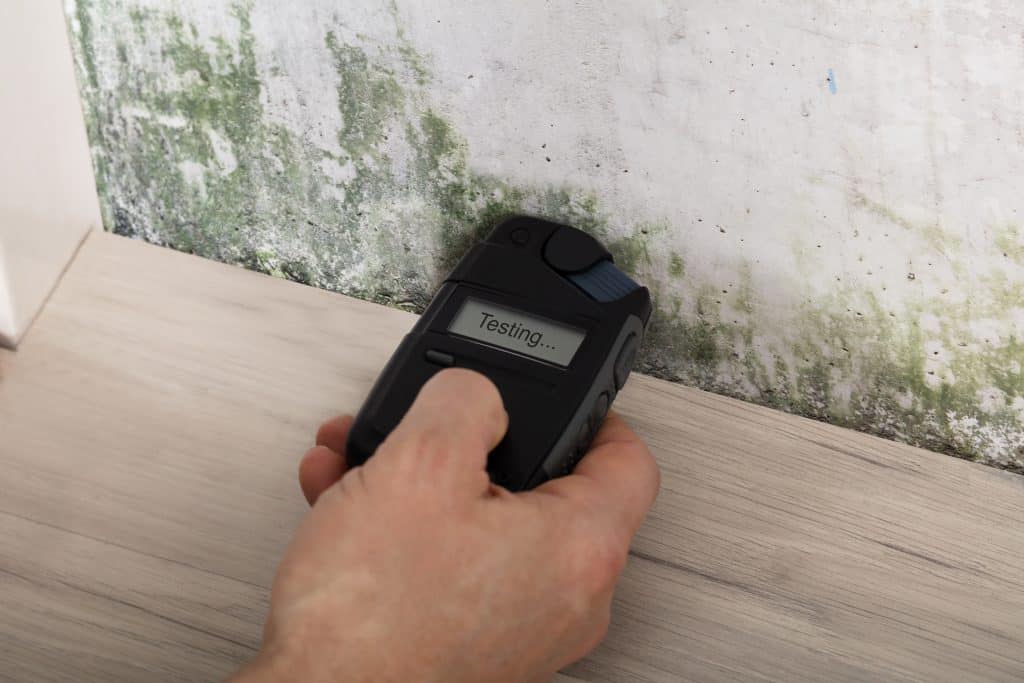
Our team uses moisture meters and infrared cameras to find mold you can’t see—behind walls, under flooring, in crawl spaces. We’re certified, we’re local, and we show up when we say we will. No call centers. No runaround.
You’re hiring people who’ve seen this before and know how to handle it right.

First, we inspect. That means checking the obvious spots and the hidden ones—attics, crawl spaces, behind drywall if needed. We use thermal imaging and moisture detection tools to map out where the problem actually is, not just where you can see it.
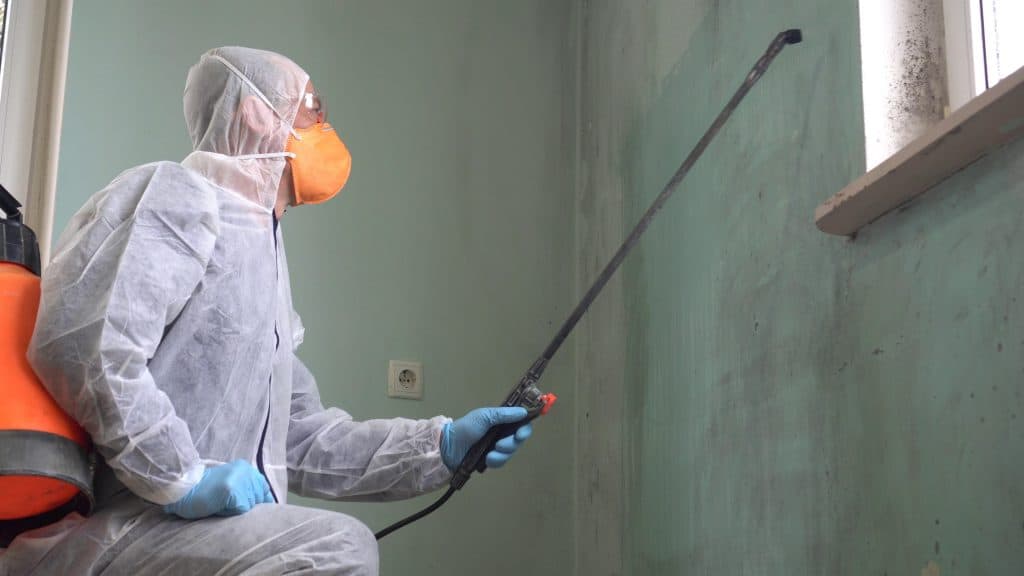
Next, we contain it. Physical barriers and negative air pressure systems keep mold spores from spreading to clean areas while we work. HEPA vacuums and air scrubbers capture what’s already airborne.
Then we remove the contaminated materials. If drywall or insulation is too far gone, it gets pulled out and disposed of properly. We don’t just spray and paint over it.
After that, we treat and clean the affected areas with antimicrobial solutions. We dry everything thoroughly and address the moisture source—whether that’s repairing a leak, improving airflow, or installing a dehumidifier.
Finally, we test the air to confirm the mold is actually gone. You’re not guessing. You know.
Ready to get started?
You get a full inspection with advanced detection equipment—not a visual once-over. We’re looking for hidden mold in places most homeowners would never check. In Fairmount and the broader Bucks County area, that usually means basements with clay soil and high groundwater, attics with condensation from temperature swings, and HVAC systems contaminated by humidity.
You get containment and removal done right. We seal off the work area, remove contaminated materials, and clean the air with commercial-grade filtration. If your insurance covers it, we’ll work directly with them to handle documentation and reduce what you pay out of pocket.
You also get the source fixed. A lot of mold specialists will clean up the mess and leave. We identify why the mold grew in the first place—whether it’s a plumbing issue, ventilation problem, or structural moisture intrusion—and address it so you’re not calling someone back in six months.
And if restoration work is needed after removal, we handle that too. You’re not coordinating between three different companies to get your home back to normal.
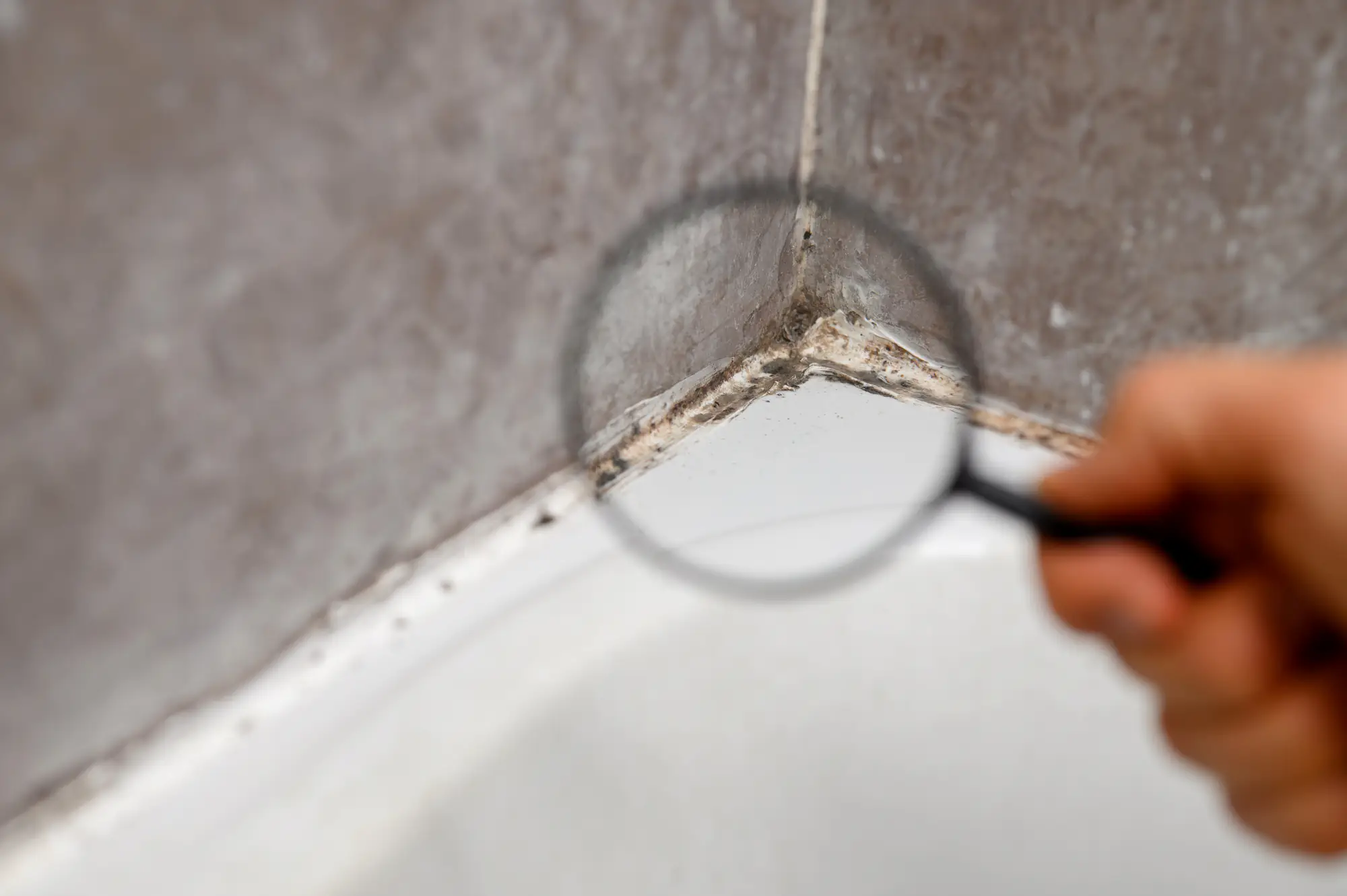
If it smells musty, there’s probably mold. But smell isn’t the only sign, and it’s not always obvious.
You might notice discoloration on walls or ceilings—dark spots, streaks, or patches that look wet even when they’re dry. You might see peeling paint or wallpaper. Sometimes you’ll feel it before you see it: persistent stuffiness, allergies that won’t quit, or respiratory issues that get worse when you’re home.
In Fairmount and Bucks County, basements are a common problem area because of the older housing stock and high groundwater tables. Mold grows where moisture sits, and if your basement has ever flooded, has poor ventilation, or feels damp most of the year, there’s a good chance mold is present even if you can’t see it. A professional inspection with moisture meters and thermal imaging will tell you for sure. That’s the only way to know what you’re actually dealing with.
You can try, but it usually doesn’t work. And sometimes it makes things worse.
Bleach kills surface mold on non-porous materials like tile or glass. But it doesn’t penetrate porous surfaces like drywall, wood, or insulation—which is where most mold actually lives. So you’re cleaning what you can see while the roots keep growing underneath. Within a few weeks, it’s back.
DIY cleaning also doesn’t address the moisture problem. If you’ve got a leak, condensation issue, or humidity above 60%, the mold will return no matter how much you scrub. And if the contamination has spread behind walls or into your HVAC system, you won’t even know it’s there until it’s a bigger problem.
Professional mold removal means containment so spores don’t spread during cleanup, proper removal of contaminated materials, air filtration, and fixing the source. That’s what actually solves it. Bleach and a sponge won’t get you there.
It depends on how much mold there is and where it’s located. A small bathroom issue might take a day. A basement or attic with significant contamination could take three to five days, sometimes longer if there’s structural work involved.
You don’t always have to leave, but it depends on the scope. If we’re working in a contained area like a basement or single room, and the rest of your home is sealed off properly, you can usually stay. If the contamination is widespread or involves your HVAC system, it’s often better to stay elsewhere until the air is cleared and tested.
We’ll walk you through what to expect during the inspection. You’ll know upfront how long the work will take, what areas will be affected, and whether it makes sense to stay or go. No surprises. We’ve done this enough times in Fairmount and the surrounding areas to give you an accurate timeline before we start.
Sometimes. It depends on what caused the mold and what your policy says.
Most insurance companies will cover mold removal if it’s the result of a “covered peril”—like a burst pipe, roof leak from storm damage, or appliance malfunction. If the mold grew because of long-term neglect, poor maintenance, or an issue you knew about and didn’t fix, they’ll probably deny the claim.
The key is documentation. Insurance adjusters want to see proof of the damage, the cause, and the scope of contamination. That’s where a professional inspection helps. We document everything with photos, moisture readings, and detailed reports that show exactly what happened and what needs to be done.
We work directly with insurance companies in Bucks County and handle the paperwork on your end. It doesn’t guarantee coverage, but it makes the process a lot easier and gives you the best chance of getting the claim approved. If it’s not covered, we’ll give you a clear estimate so you know what you’re paying before we start.
They mean the same thing in most cases, but remediation is the more accurate term.
Mold removal sounds like you’re getting rid of every single spore, which isn’t realistic. Mold spores exist everywhere—in the air, on surfaces, outdoors, indoors. You can’t eliminate them completely. What you can do is bring the levels back to normal, safe concentrations and remove the conditions that let mold grow out of control.
That’s remediation. It’s about containment, removal of contaminated materials, cleaning and treating affected areas, controlling moisture, and restoring air quality. The goal isn’t a sterile environment. It’s a healthy one where mold can’t thrive.
When we say mold removal, we’re talking about remediation. We’re not just wiping down a wall and calling it done. We’re addressing the contamination, the source, and the air quality so your home is safe again. That’s what matters.
Within 24 to 48 hours. That’s how long it takes for mold to start growing after a water event.
If your basement flooded, a pipe burst, or your roof leaked during a storm, the clock is ticking. Mold doesn’t wait. It starts colonizing on damp drywall, insulation, carpet, and wood faster than most people expect. And once it starts, it spreads.
The longer you wait, the worse it gets. What could’ve been a contained cleanup turns into a full remediation job with structural repairs. And the health risks increase as spore counts rise in your indoor air.
If you’ve had any kind of water intrusion in your Fairmount home, don’t wait to see if mold shows up. Call us to assess the damage, dry out the affected areas, and prevent growth before it starts. We’re available 24/7 for emergencies because we know timing matters. The faster you act, the less damage you’ll deal with.
Other Services we provide in Fairmount