
Hear from Our Customers
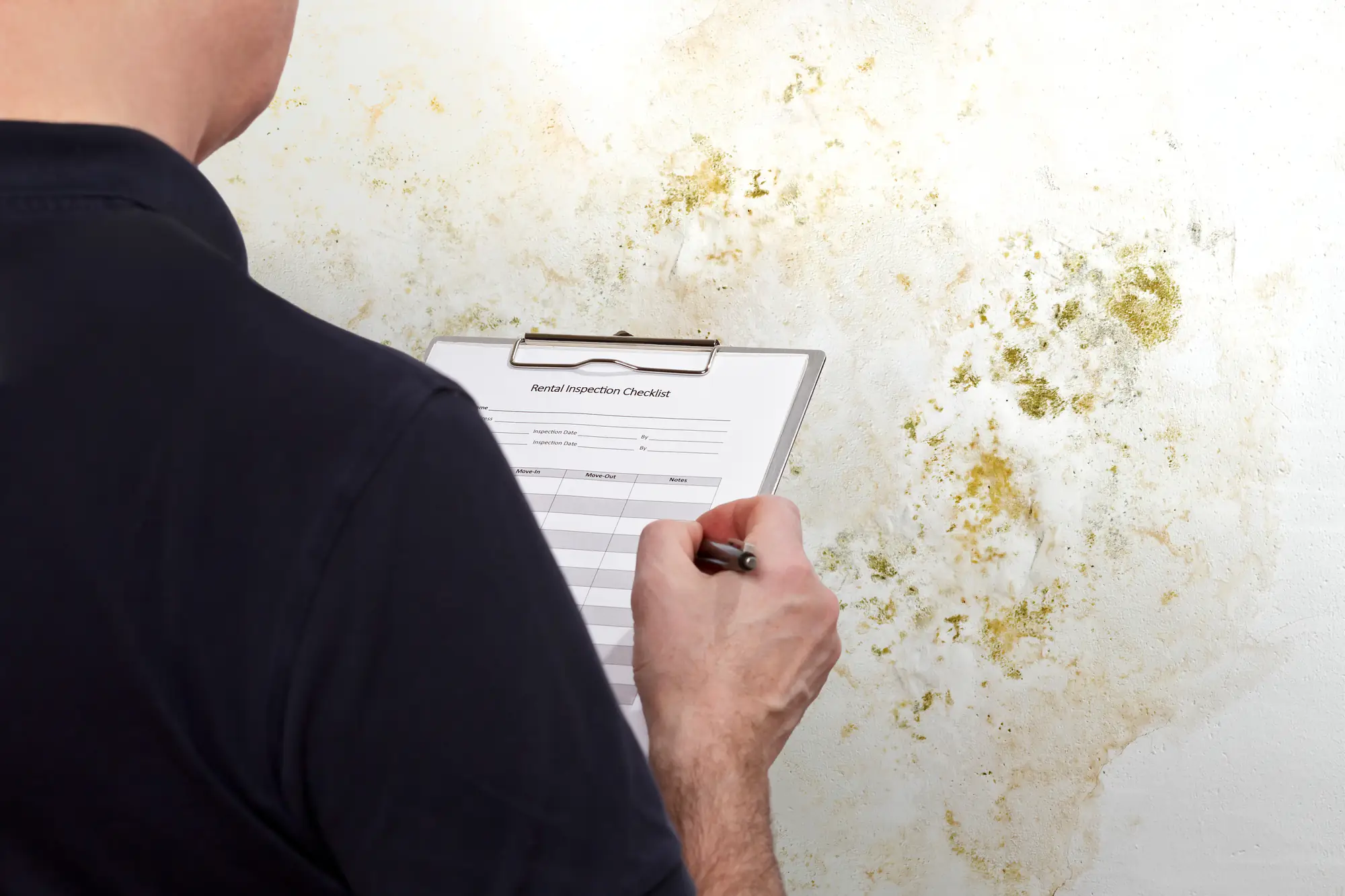
You can’t fix what you can’t see. That’s the problem with mold in Rock Hill Station homes—it hides in crawl spaces, behind drywall, and inside ductwork where moisture from Pennsylvania’s humid seasons creates perfect growing conditions.
A professional mold inspection gives you the full picture. We use thermal imaging cameras and moisture meters to detect mold in areas you’d never think to check. You get a detailed report that shows exactly where the problem is, how extensive it’s become, and what needs to happen next.
This isn’t about scaring you into unnecessary work. It’s about giving you accurate information so you can make informed decisions about your home and your family’s health. Early detection means smaller problems, lower costs, and faster solutions.
Mack’s Mold Removal serves Rock Hill Station and the greater Bucks County area with licensed mold inspection and remediation services. We understand how Pennsylvania’s climate—wet springs, humid summers, freeze-thaw cycles—creates the moisture problems that lead to mold growth in local homes.
Our team uses advanced detection technology that goes beyond what you can see. We’re not here to sell you services you don’t need. We’re here to tell you what’s actually happening in your home so you can protect your investment and your family’s health.
We’ve built our reputation on straight answers and thorough inspections. When you call us, you’re getting local expertise backed by professional certifications and equipment that finds problems other inspectors miss.
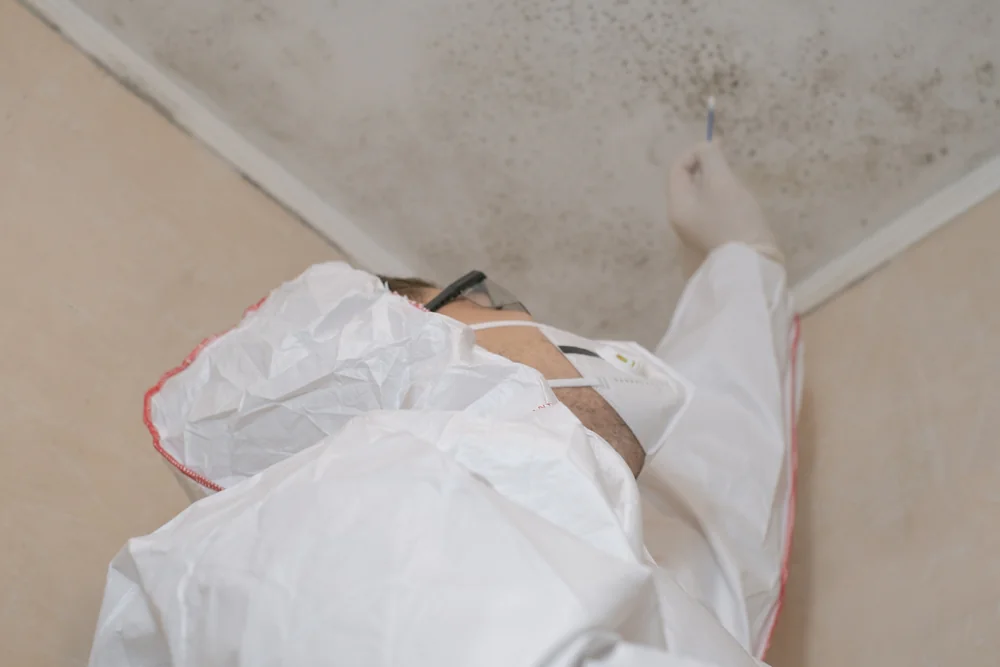
First, we walk through your home and talk about any concerns you have—musty smells, water damage history, health symptoms, or visible signs. This conversation helps us know where to focus our attention.
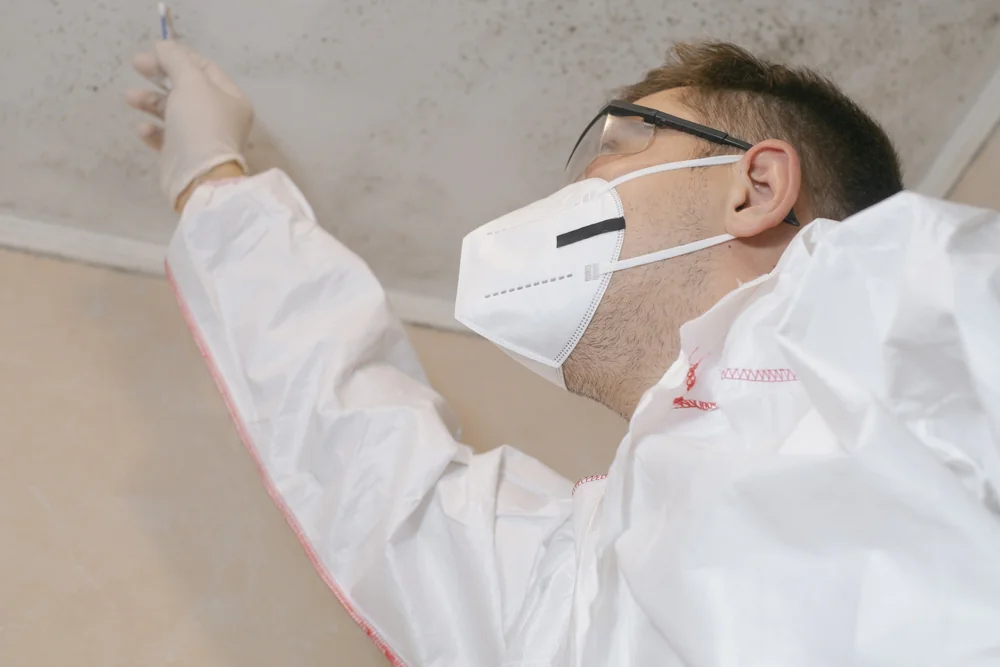
Next comes the technical inspection. We use infrared thermal imaging to identify temperature differences that indicate moisture behind walls and ceilings. Our moisture meters measure exact humidity levels in materials like drywall, wood, and insulation. We inspect your HVAC system, basement, crawl spaces, bathrooms, and any areas where water or humidity might collect.
We also take air samples and surface samples when needed. These get analyzed to identify the type and concentration of mold spores present. You get same-day visual findings and a detailed written report within days that includes photos, moisture readings, and specific recommendations.
The report tells you what’s there, where it’s growing, what’s causing it, and what your options are. No pressure, no upselling—just clear information you can use to decide your next steps.

Ready to get started?
Your inspection covers every room and common problem area in your home. We check basements and crawl spaces where groundwater and poor ventilation create damp conditions. We inspect attics where roof leaks and inadequate ventilation trap moisture. We examine bathrooms and kitchens where daily water use increases humidity levels.
Rock Hill Station’s seasonal weather patterns make certain areas more vulnerable. Spring flooding and summer humidity affect basements and lower levels. Winter condensation issues show up in attics and around windows. We know what to look for based on the time of year and your home’s construction.
You receive a comprehensive report with thermal images, moisture readings, and lab results if samples were taken. The report identifies the type of mold present, the extent of growth, the moisture source feeding it, and recommended next steps. If remediation is needed, we provide a clear scope of work and cost estimate.
We also offer guidance on prevention—how to control humidity, improve ventilation, and address the underlying moisture problems that allowed mold to grow in the first place.
Most professional mold inspections in the Rock Hill Station area range from $300 to $600 depending on your home’s size and the scope of testing needed. A basic visual inspection with moisture mapping costs less than a full inspection with air sampling and lab analysis.
The price includes the on-site inspection, use of thermal imaging and moisture detection equipment, and a detailed written report. If you need air samples or surface samples analyzed in a lab, that adds to the cost but gives you specific information about mold types and spore concentrations.
Here’s how to think about the cost: an inspection might run $400, but catching mold early can save you thousands in remediation expenses. Untreated mold spreads quickly and can lead to $10,000+ in damage. It’s also worth noting that some home inspections during real estate transactions include basic mold screening, but they’re not as thorough as a dedicated mold inspection with specialized equipment.
Musty odors are the most common sign. If you smell something earthy or damp but can’t locate the source, mold is likely growing somewhere hidden. This smell comes from microbial volatile organic compounds that mold releases as it grows.
Visible signs include discoloration on walls or ceilings, peeling paint, warped drywall, or fuzzy growth in corners and around windows. But visible mold is often just the surface issue—there’s usually more growing behind the material you can see.
Water damage history is another major indicator. If you’ve had leaks, flooding, or plumbing problems in the past year, there’s a good chance mold started growing in the affected areas. Even if the area was dried out, moisture can remain trapped in wall cavities and under flooring. Health symptoms matter too—if family members have unexplained respiratory issues, allergies, or headaches that improve when they leave the house, mold exposure could be the cause.
DIY mold test kits exist, but they have serious limitations. Most home test kits only tell you that mold spores are present—which is true in virtually every home. They don’t tell you the concentration levels, the specific type of mold, or where it’s actually growing.
Professional mold detection uses equipment you can’t buy at a hardware store. Thermal imaging cameras cost thousands of dollars and require training to interpret correctly. Professional-grade moisture meters give precise readings that help identify hidden water sources feeding mold growth. We also know where to look based on building science and local climate factors.
The bigger issue is that mold often grows in hidden areas—inside walls, under flooring, in HVAC systems. You might test the air in your living room and miss the major growth happening in your basement or crawl space. A professional inspection covers the entire home systematically and identifies both visible and hidden mold problems. If you’re buying a home, selling a home, or dealing with health concerns, professional testing is worth the investment for accurate, actionable information.
Most residential mold inspections in Rock Hill Station take two to three hours depending on your home’s size and complexity. A small single-family home might take two hours. A larger home with a basement, attic, and crawl space could take three to four hours.
The timeline includes the initial walkthrough where we discuss your concerns and any history of water damage or moisture problems. Then comes the detailed inspection of every room, mechanical systems, and common problem areas. We use thermal imaging and moisture meters throughout this process, which takes time but reveals problems you’d never find with a visual inspection alone.
If we collect air samples or surface samples for lab analysis, that adds about 15 minutes but the lab results take a few days to come back. You’ll get preliminary findings and observations the same day, then receive the complete written report with photos, data, and recommendations within three to five business days. The report is detailed enough to use for remediation planning or real estate negotiations if needed.
Moisture is the root cause, and Rock Hill Station’s climate creates plenty of opportunities for it. Pennsylvania’s humid summers, wet springs, and temperature swings create condensation and dampness inside homes. When relative humidity stays above 60% for extended periods, mold can start growing within 24 to 48 hours.
Common moisture sources include basement seepage from groundwater, roof leaks that go unnoticed until water stains appear, plumbing leaks behind walls or under sinks, and poor ventilation in bathrooms and kitchens. HVAC systems can also spread mold spores throughout your home if moisture accumulates in ductwork or around cooling coils.
Older homes in the area often have foundation issues that allow water intrusion. Newer homes sometimes have ventilation problems because they’re built tight for energy efficiency but lack proper air exchange. Both scenarios create conditions where mold thrives. The key is controlling indoor humidity levels, fixing water problems quickly, and ensuring adequate ventilation in moisture-prone areas like basements, bathrooms, and attics.
Yes, that’s exactly what the inspection report does. After we complete the inspection and analyze any lab samples, you receive a detailed report that explains what we found, where the mold is growing, what type it is, and how extensive the problem has become.
The report includes specific recommendations based on the findings. Small, surface-level mold on non-porous materials might be something you can address yourself with proper cleaning methods. Extensive growth inside wall cavities, contaminated HVAC systems, or toxic mold varieties like Stachybotrys require professional remediation.
We also identify the moisture source that’s feeding the mold growth—because removing mold without fixing the underlying water problem means it’ll just come back. The report gives you a clear scope of work so you know what needs to happen and can get accurate estimates from remediation companies. If we perform both inspection and remediation, we keep those processes separate to ensure you’re getting objective findings, not recommendations designed to sell you additional services.
Other Services we provide in Rockhill Station