
Hear from Our Customers
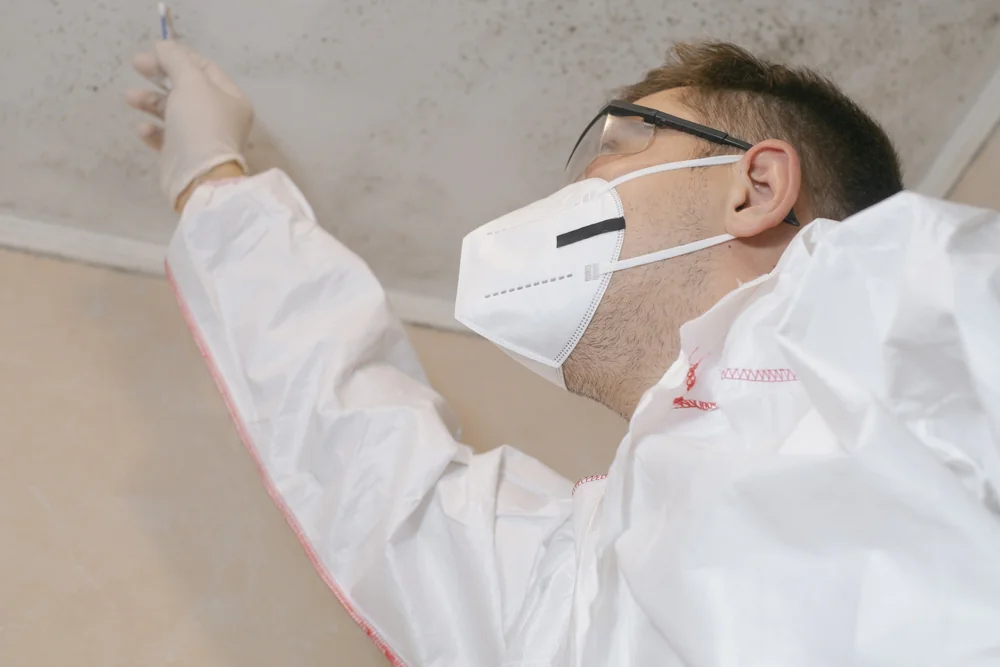
You’re not imagining it. Those persistent allergy symptoms, that musty smell in the basement, the dark spots near your bathroom ceiling—they’re telling you something’s wrong. And in Fishtown’s older homes, mold doesn’t announce itself until it’s already a problem.
A professional mold inspection gives you answers before you’re dealing with a $3,000 remediation bill or explaining mold issues to a potential buyer. We use thermal imaging and moisture meters to find what you can’t see—the mold growing behind your walls, under your floors, in your crawl spaces.
Most importantly, you’ll know exactly what you’re dealing with. Not guesses. Not maybes. A detailed report that tells you where the mold is, what type it is, and what’s causing it. That’s the difference between patching a symptom and actually solving the problem.
We’ve been serving homeowners in Fishtown, PA and the surrounding Philadelphia area since 1997. We’re not a franchise following a corporate playbook—we’re local professionals who understand what happens when century-old brick rowhouses meet Philadelphia’s humid summers.
We know that homes built in the 1920s weren’t designed with modern moisture barriers. We know that narrow spiral staircases and tight crawl spaces make thorough inspections difficult. And we know that being this close to the Delaware River means humidity isn’t just a summer problem.
When you call us, you’re getting someone who’s inspected hundreds of Fishtown properties and knows exactly where to look. That experience matters when the difference between finding mold and missing it comes down to knowing which wall cavity to check.
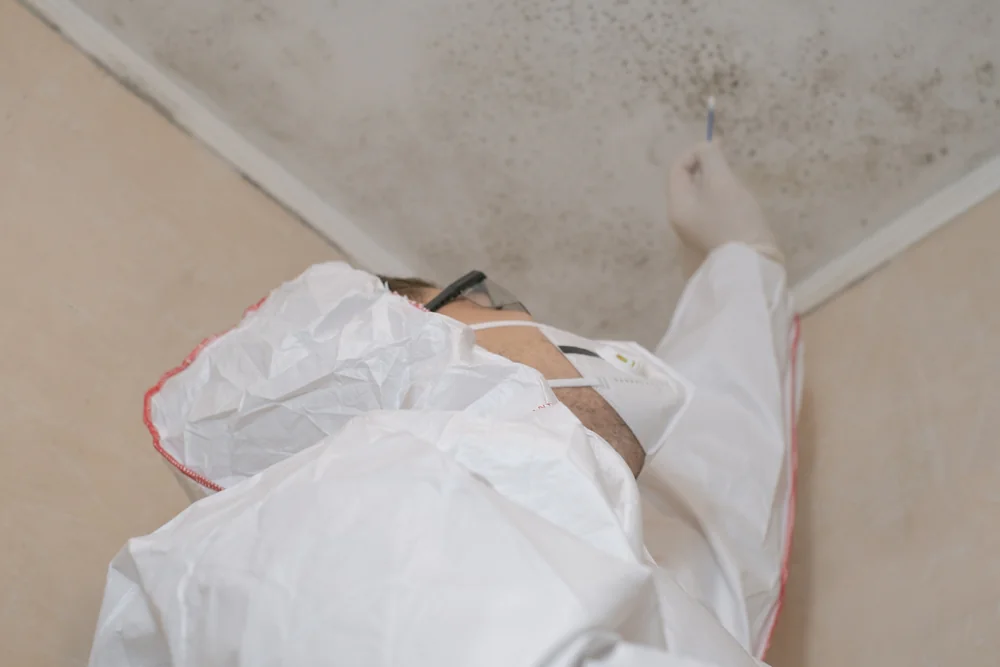
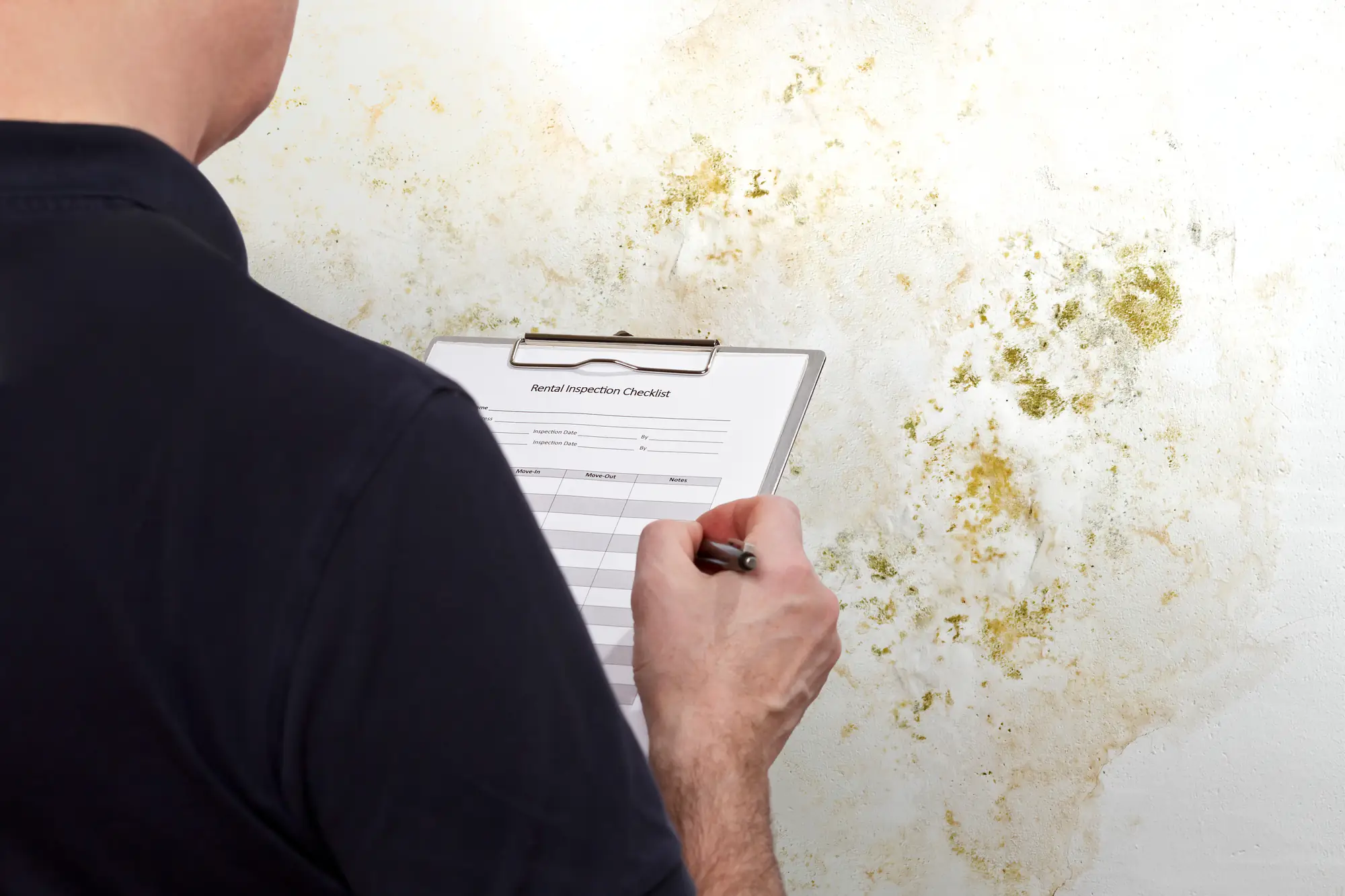
We start with a visual assessment of your entire property—every room, every corner, every space where moisture tends to hide. We’re looking for active mold growth, water damage, condensation patterns, and the conditions that allow mold to thrive.
Then we use thermal imaging cameras to detect temperature differences behind your walls and ceilings. Cold spots often mean moisture. Moisture means mold. We also use moisture meters to measure humidity levels in building materials, because mold grows long before you can see it.
If we find concerning areas, we collect air samples and surface samples for lab analysis. This tells us exactly what type of mold you’re dealing with and how concentrated the spore levels are. Within a few days, you’ll receive a detailed report with our findings, photos, moisture readings, and lab results.
Most importantly, we’ll explain what’s causing the mold and what needs to happen to fix it. Not just remove it—fix the underlying problem so it doesn’t come back. That’s the part most companies skip, and it’s the reason you called us in the first place.

Ready to get started?
Every mold inspection includes a complete visual assessment of your property, thermal imaging to detect hidden moisture, and moisture meter readings throughout your home. We inspect attics, basements, crawl spaces, bathrooms, kitchens—anywhere water and humidity create problems.
You’ll receive air quality samples analyzed by a certified lab, surface samples from any visible growth, and a written report documenting everything we found. The report includes photos, moisture readings, lab results identifying mold species, and our recommendations for remediation if needed.
Here’s what matters in Fishtown specifically: we know your home. If you’re living in one of those beautiful 1920s rowhouses between Girard and York, we understand that your shared walls, old window seals, and basement moisture issues are different from newer construction. We’re checking your specific vulnerabilities—not running through a generic checklist.
And if we do find mold, we’ll tell you exactly what’s causing it. Maybe it’s that slow leak from your upstairs neighbor. Maybe it’s poor ventilation in your bathroom. Maybe it’s groundwater seeping through your basement walls. Whatever it is, you’ll know, and you’ll know how to fix it permanently.
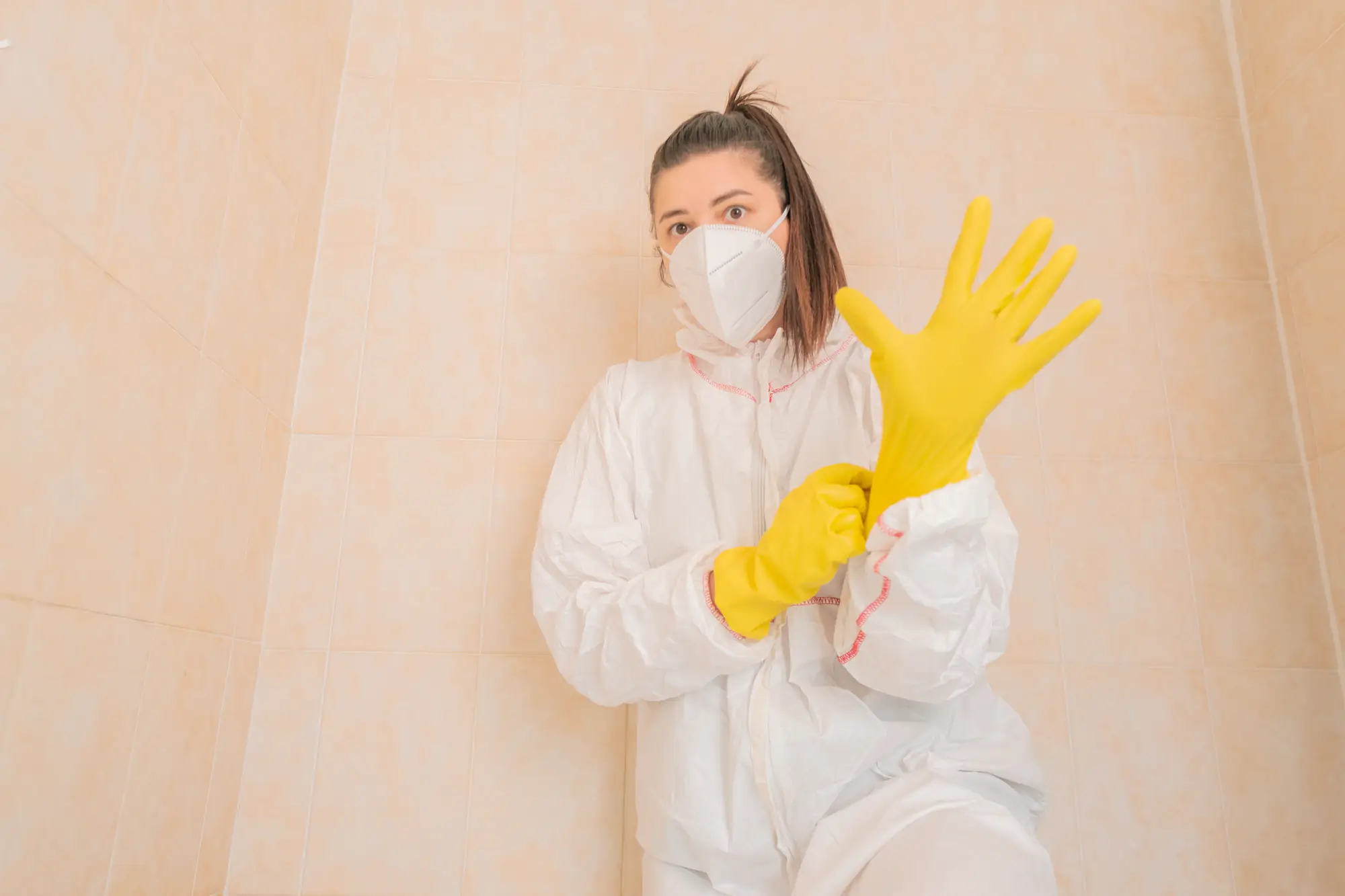
A professional mold inspection typically costs between $300 and $900 depending on your home’s size and the extent of testing needed. For most Fishtown rowhouses, you’re looking at the lower end of that range since the square footage is smaller.
That price includes the visual inspection, moisture detection, air sampling, lab analysis, and a detailed written report. Some companies advertise free inspections, but they’re usually tied to remediation services—meaning they only inspect if you hire them to remove the mold. We give you an independent assessment so you can make informed decisions.
If you’re buying a home in Fishtown, this is money well spent. Mold problems can drop a property’s value by 20% or more, and remediation can cost thousands. Spending $500 now to know what you’re getting into can save you from a nightmare later.
The obvious signs are visible mold growth, musty odors, and water stains on your walls or ceilings. But the less obvious signs are often more important—persistent allergy symptoms that get worse at home, condensation on your windows, peeling paint, or warped floors.
In Fishtown’s older homes, pay attention to your basement. If it feels damp or smells musty, you likely have a moisture problem. Check around your windows, especially if they’re original to the house. Look at the ceiling below your bathroom. These are the spots where mold hides.
You should also get an inspection if you’ve had any water damage—a burst pipe, a roof leak, flooding. Even if you cleaned it up, mold can start growing within 24 to 48 hours. And if you’re buying or selling a home, an inspection protects everyone involved.
For a typical Fishtown rowhouse, plan on two to three hours for the inspection itself. We’re thorough. We’re checking every room, using thermal imaging on your walls, taking moisture readings, collecting samples, and documenting everything.
Larger homes or properties with extensive suspected mold growth can take longer. If your home has multiple levels, a finished basement, and an attic, we might need closer to four hours.
After the inspection, lab results usually come back within three to five business days. Then we’ll send you a complete report with our findings and recommendations. If you need results faster for a real estate transaction, we can often expedite the lab work for an additional fee.
You can buy a mold test kit at the hardware store for $10 to $50, but here’s the problem: those kits only tell you that mold exists. They don’t tell you where it’s coming from, what type it is, how bad the problem is, or what’s causing it.
Mold spores are everywhere. If you set out a petri dish in any home, it’ll grow mold. That doesn’t mean you have a mold problem—it means you have air. What matters is the concentration of spores, the species of mold, and the source of moisture feeding it.
A professional inspection finds the hidden mold behind your walls, under your floors, and in your HVAC system. We identify the moisture source so you can actually fix the problem instead of just treating the symptoms. And if you’re dealing with insurance claims or real estate transactions, you need certified lab results and professional documentation—not a $20 kit from Home Depot.
A mold inspection is the complete assessment—we visually examine your property, use moisture detection equipment, identify problem areas, and determine whether you need testing. Mold testing is the lab analysis of air and surface samples we collect during the inspection.
You don’t always need testing. If we find a small patch of mold in your bathroom from a leaky shower, you probably don’t need to spend money on lab work. You need to fix the leak and remove the mold.
But if you’re experiencing health symptoms and can’t find visible mold, testing helps us measure airborne spore levels and identify what you’re breathing. If you’re buying a home and want documentation, testing gives you certified lab results. And if you’re dealing with extensive growth or potential black mold, testing tells us exactly what species we’re dealing with so we can recommend the right remediation approach.
No, you don’t need to leave. Mold inspections are non-invasive and don’t involve any chemicals or treatments. We’re just looking, measuring, and collecting samples.
Actually, it’s helpful if you’re home. You can show us the areas that concern you, point out where you’ve noticed odors or stains, and ask questions while we work. We’ll explain what we’re finding as we go.
The only time you’d need to leave is during actual mold remediation, which is a separate process that happens after the inspection if we find a problem. Remediation involves containment, removal, and sometimes chemicals—that’s when you’d want to stay elsewhere. But the inspection itself? You’re fine to be home.
Other Services we provide in Fishtown