
Hear from Our Customers
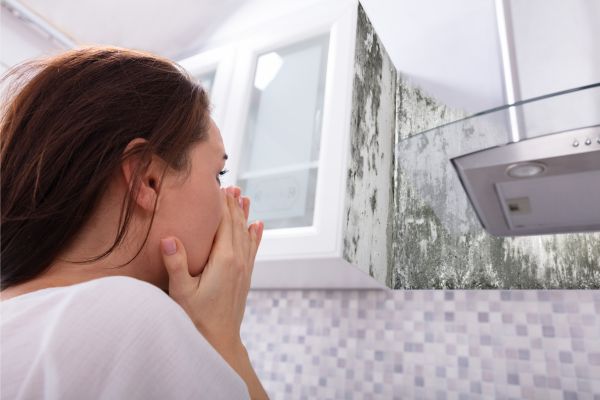
You’ve seen the dark spots. You’ve smelled something off in the basement. Maybe you’re coughing more at home than anywhere else. But you don’t know if it’s mold, what kind it is, or how bad the problem actually is.
That’s where professional mold testing comes in. We collect samples from your air and surfaces, send them to a certified lab, and give you documentation that tells you exactly what’s growing, where it’s concentrated, and whether it’s a health risk. No guessing. No assumptions.
This matters because not all mold is the same. Some species are harmless. Others—like black mold—can trigger respiratory issues, especially in kids and older adults. You need to know what you’re dealing with before you spend money tearing out walls or hiring a remediation crew. Testing gives you that clarity.
And if you’re buying a home in Fishtown, this is even more important. Most of the housing stock here was built before 1940. That means old plaster, brick foundations, unfinished basements, and decades of hidden leaks. A mold test before closing can save you from inheriting someone else’s moisture problem.
Mack’s Mold Removal has been serving Fishtown and the greater Philadelphia area for years. We’ve tested hundreds of rowhouses, trinity homes, and narrow two-stories—the exact kind of properties that make up this neighborhood.
We’re not a national franchise. We’re local. We know that Fishtown homes have quirks: inadequate drainage, old window seals, basements that stay damp year-round. We know where mold hides in these homes, and we know how to find it.
When we test your property, you get lab results you can use—for insurance claims, real estate transactions, or just peace of mind. We’re licensed in Pennsylvania to conduct mold assessments, and every sample we collect is analyzed by a certified lab. You’ll get a full report that breaks down what was found, where, and what it means for your home.
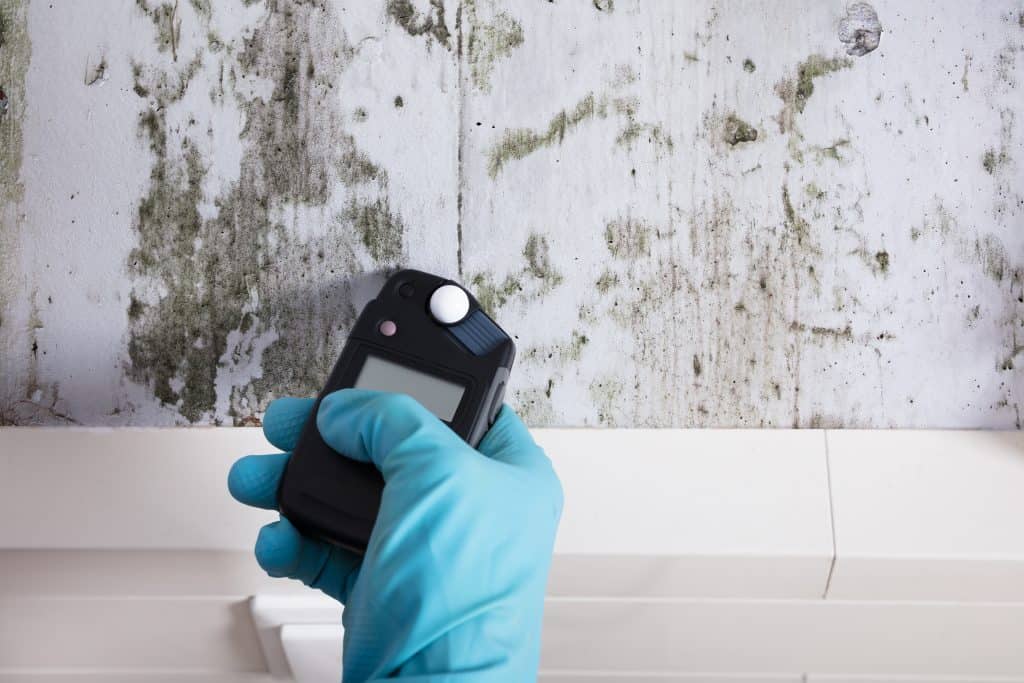
First, we walk through your home and look for visible signs of mold or moisture. We’re checking basements, bathrooms, attics, crawl spaces—anywhere water could be getting in. We use infrared cameras and moisture meters to find hidden leaks or damp spots you wouldn’t see on your own.
Next, we collect samples. We take air samples to measure mold spore concentration in different rooms. We also take surface samples from any visible growth or suspicious areas. Each sample is labeled, sealed, and sent to a certified lab for analysis.
The lab identifies the type of mold, measures the concentration, and compares it to outdoor levels. This tells us whether what’s inside your home is abnormal—and whether it’s something that needs attention.
You’ll get a full report within about five days. It includes lab results, photos, moisture readings, and our professional assessment. If mold is present, we’ll explain what kind it is, where it’s coming from, and what your options are. If you need remediation, we’ll walk you through that too. If it’s minor and you can handle it yourself, we’ll tell you that as well.
Ready to get started?
Every mold inspection we do includes a visual assessment, moisture mapping, air sampling, and surface sampling where needed. We’re not just looking at what’s visible—we’re measuring what’s in the air you’re breathing.
In Fishtown, that’s especially important. The neighborhood’s housing stock is almost entirely rowhouses built between 1875 and 1925. These homes have brick foundations, plaster walls, and basements that were never designed to stay dry. Add in Philadelphia’s humid summers, and you’ve got the perfect environment for mold to grow behind walls, under floors, and inside HVAC systems.
We also document everything for insurance purposes. If you’re filing a claim or need proof of mold for a real estate transaction, our reports meet the standards that insurers and attorneys require. You’ll get lab-certified results, not just a visual opinion.
And if you’re in the middle of buying a home, this is one of the smartest investments you can make. A mold test costs a few hundred dollars. Remediating a hidden mold problem after you close can cost thousands. Testing gives you leverage to negotiate repairs or walk away if the problem is too big.
Most residential mold inspections in the Philadelphia area run between $300 and $600, depending on the size of your home and how many samples we need to collect. If you’ve got a small rowhome with one or two problem areas, you’re looking at the lower end. Larger properties or homes with multiple moisture issues will cost more.
That price includes the inspection, sample collection, lab analysis, and a full report. Some companies charge extra for things like infrared scanning or moisture mapping—we include that as part of the service. You’re paying for answers, not just a guy walking through your house with a flashlight.
If you’re comparing prices, make sure you’re comparing what’s actually included. The cheapest option usually means fewer samples, no lab testing, or a visual-only inspection. That might save you money upfront, but it won’t tell you what kind of mold you’re dealing with or whether it’s a health risk.
A mold inspection is the visual walkthrough. We’re looking for signs of mold, moisture, leaks, and water damage. We use tools like moisture meters and infrared cameras to find hidden problems. This tells us where mold is likely growing, but it doesn’t tell us what kind of mold it is.
Mold testing is when we actually collect samples—air samples, surface samples, or both—and send them to a lab. The lab identifies the species of mold and measures the concentration. This is what gives you hard data: is it black mold, aspergillus, penicillium, or something else? Is the concentration high enough to be a health concern?
Most people need both. The inspection finds the problem areas. The testing confirms what’s there and how serious it is. If you’re buying a home, dealing with health symptoms, or filing an insurance claim, you’ll want the lab results. If you just want to know whether you have a mold problem at all, the inspection might be enough to get started.
Lab results usually come back in about five days. That’s from the time we collect the samples to when you get the full report. Some labs offer rush service for an extra fee, which can cut that down to 24 to 48 hours, but most people don’t need it that fast.
Once we get the results, we’ll walk you through them. The report will show what types of mold were found, the concentration levels in each area we tested, and how that compares to outdoor air. We’ll explain what it means in plain language—no jargon, no scare tactics.
If the results show a problem, we’ll talk through your options. Sometimes it’s a simple fix: improve ventilation, fix a leak, clean up a small area. Other times, you’re looking at professional remediation. Either way, you’ll know exactly what you’re dealing with and what it’s going to take to fix it.
You can buy DIY mold test kits at hardware stores, and they’ll tell you if mold spores are present. But here’s the thing: mold spores are everywhere. They’re in every home, all the time. A positive result doesn’t tell you much.
What you actually need to know is what kind of mold it is, how much of it there is, and whether the concentration is abnormal. That requires lab analysis and professional sampling techniques. If you collect a sample wrong—like disturbing the mold before you test—you can get a false reading.
Professional mold testing also includes the inspection. We’re not just testing one spot—we’re checking your whole home for moisture issues, hidden leaks, and ventilation problems. We’re looking at the bigger picture. That’s what helps you understand why the mold is there and how to stop it from coming back. A DIY kit can’t do that.
If you can see mold, you know you have a problem. But you still might want testing, especially if the growth is widespread, if anyone in your home is having health issues, or if you’re dealing with insurance or real estate.
Testing tells you what species of mold you’re dealing with. That matters because some types are more dangerous than others. Black mold, for example, produces mycotoxins that can cause serious respiratory problems. Other species are less concerning. Knowing what you’ve got helps you make smarter decisions about how to handle it.
Testing also gives you documentation. If you’re filing an insurance claim, the insurer will want proof of what kind of mold it is and how extensive the problem is. If you’re selling a home and the buyer’s inspector finds mold, having a professional report can speed up negotiations. And if you’re buying a home, testing gives you leverage to ask the seller to fix the problem before closing.
First, don’t panic. Finding mold doesn’t mean your house is uninhabitable. It means you’ve got a moisture problem that needs attention. The test results will tell you what kind of mold it is and how concentrated it is. That helps you figure out the next step.
If it’s a small area—less than 10 square feet—and it’s not black mold, you might be able to clean it up yourself. You’ll still need to fix whatever’s causing the moisture, or it’ll just come back. If the growth is larger, if it’s inside walls or HVAC systems, or if it’s a toxic species, you’ll need professional remediation.
We’ll walk you through your options. If remediation is needed, we’ll explain what that involves, how long it takes, and what it costs. If it’s something you can handle on your own, we’ll tell you that too. The goal is to give you enough information to make the right call for your home and your budget.
Other Services we provide in Fishtown