
Hear from Our Customers
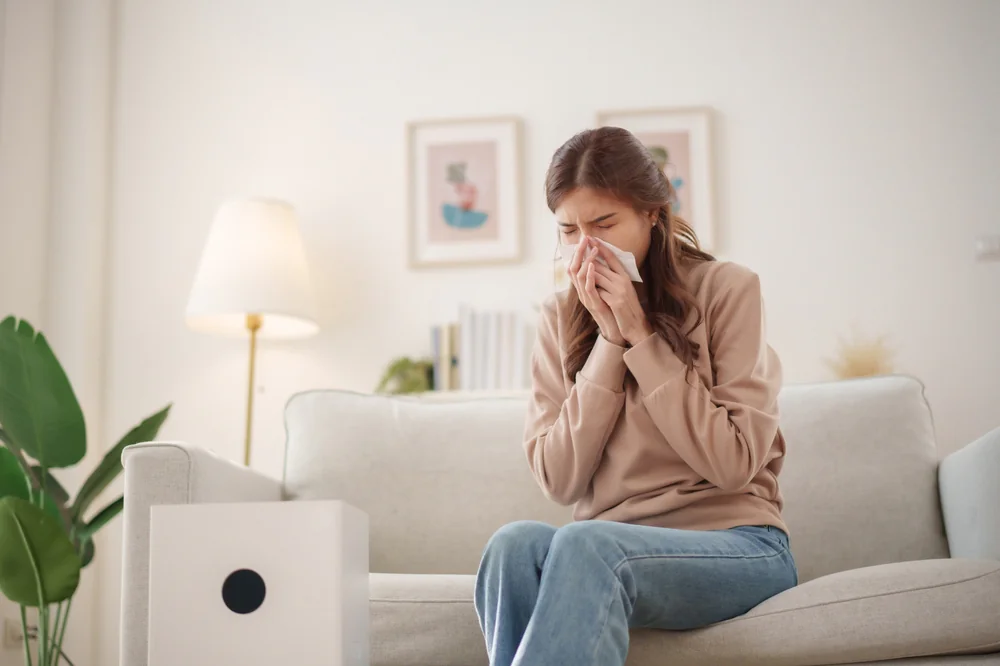
You’re dealing with symptoms that get worse at home and better when you leave. Headaches, congestion, coughing that won’t quit. Your doctor can’t find anything wrong, but something clearly is.
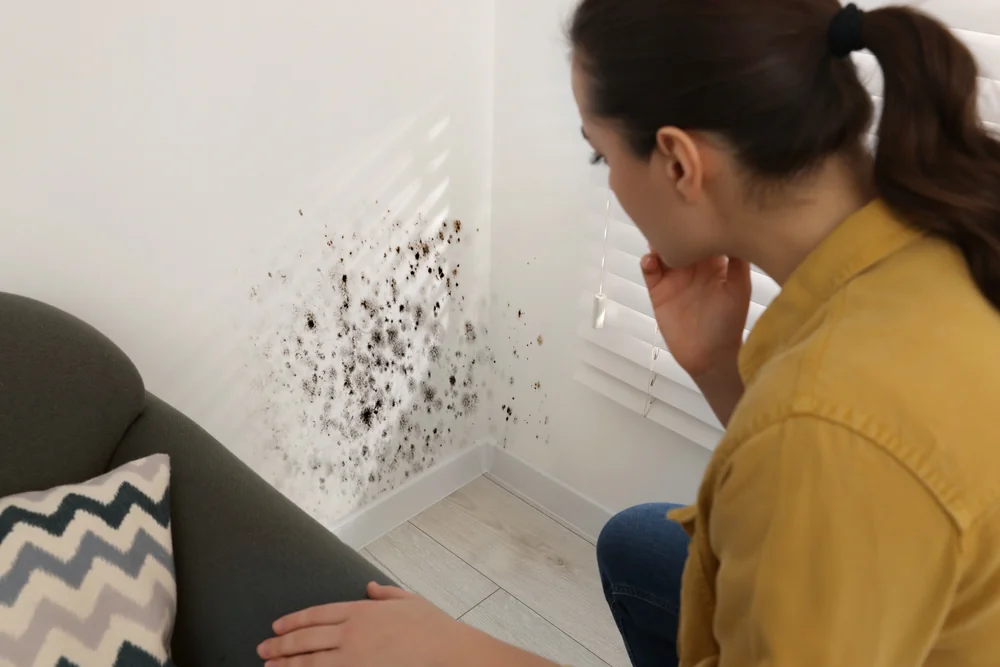
That’s the problem with indoor air quality issues. They’re invisible until they’re not. Mold hides behind walls. Spores circulate through vents. Humidity creates the perfect breeding ground, especially in Fishtown’s older rowhomes where ventilation wasn’t designed for today’s sealed windows and climate control.
A home air quality test tells you exactly what’s happening. Not guesses. Not assumptions. Lab results that identify mold species, spore counts, and contamination levels. You get documentation that matters for your health, your property value, and any insurance claims down the road.
Once you know what you’re dealing with, you can actually fix it. No more wondering if that musty smell is dangerous or just annoying. No more second-guessing whether your kid’s asthma is getting worse because of something in the house.
We’ve been handling mold and air quality issues across Bucks County and Philadelphia for years. We know what Fishtown homes deal with—the humidity that comes with being this close to the Delaware, the older building stock that wasn’t built with moisture barriers, the renovations that sometimes trap problems instead of solving them.
We’re not a national franchise reading from a script. We’re local, we’ve seen what grows in these neighborhoods, and we know which problems show up in which types of buildings.
When you call us, you’re getting someone who’s tested hundreds of Fishtown properties and knows the difference between surface mold you can wipe away and contamination that requires real intervention.
We start with a free inspection. You show us where you’re seeing issues or experiencing symptoms, and we look for the usual suspects—water damage, visible mold, humidity problems, ventilation issues. We’re checking basements, bathrooms, anywhere moisture accumulates.
Then we collect air samples using EPA-approved methods. We’re capturing what’s actually circulating through your home, not just what’s visible on surfaces. These samples go to a certified lab that identifies mold species and measures spore concentration. You’re not getting a yes-or-no answer. You’re getting specific data about what’s growing and how much of it.
Results typically come back within a few days. We walk you through what they mean in plain language—which findings are concerning, which are normal, and what needs to happen next. If remediation is necessary, we explain the scope and cost before any work starts.
The whole process is designed to give you clarity. You’ll know what you’re dealing with, why it’s happening, and what it takes to fix it. No surprises, no upselling, just information you can use to make the right call for your home.
Ready to get started?
Your indoor air quality test includes a thorough visual inspection, professional air sampling, and certified laboratory analysis. We’re looking for mold spores, identifying species, and measuring concentration levels that indicate whether you have a problem.
Fishtown’s climate makes this especially important. Philadelphia’s humidity regularly exceeds 60% in summer, and that’s outdoors. Inside older homes with poor ventilation, it’s often higher. Anything above 50% creates conditions where mold thrives. Add in the fact that many Fishtown rowhomes have shared walls, old plumbing, and basements that were never meant to be living space, and you’ve got a recipe for hidden growth.
We also test after remediation to confirm the work actually solved the problem. You’re not taking anyone’s word for it. The lab results show whether spore counts are back to normal levels or if there’s still an issue.
You’ll receive documentation that’s useful for more than just peace of mind. If you’re buying or selling, this becomes part of your inspection record. If you’re filing an insurance claim, it’s evidence. If you’re dealing with a landlord or tenant dispute, it’s objective data. And if you just want to know why everyone in your house has been sick for three months, it’s finally an answer.
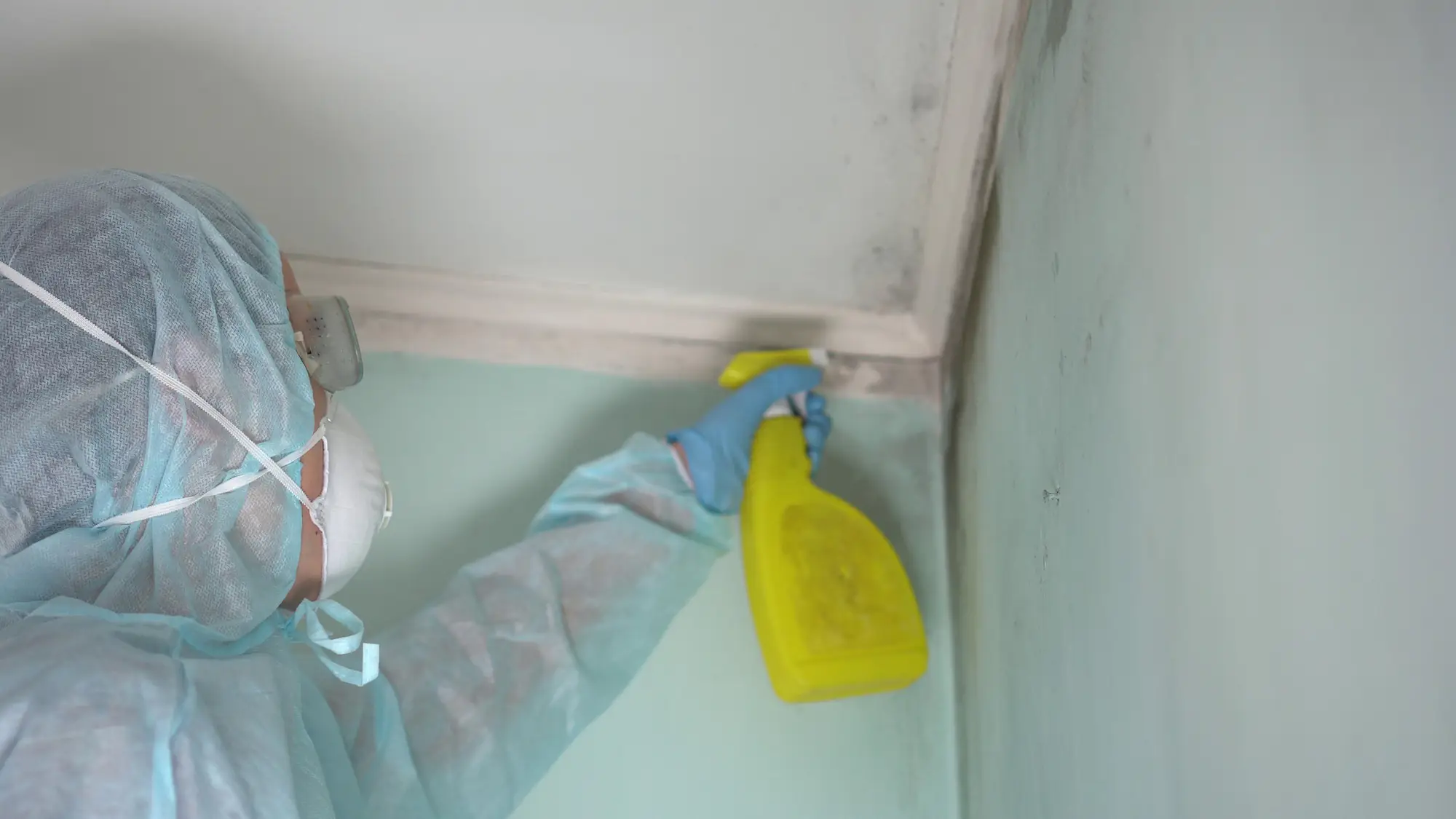
You need testing if you’re experiencing unexplained health symptoms that improve when you leave the house. That’s the clearest sign of an indoor air quality problem.
Common symptoms include persistent coughing, congestion, headaches, eye irritation, or worsening asthma and allergies. If your doctor can’t find a medical cause but you feel worse at home, something in your environment is likely the culprit. This is especially common in Philadelphia, where childhood asthma hospitalization rates are significantly higher than cities with worse outdoor air pollution—pointing to indoor air quality as a major factor.
You should also test if you’ve had water damage, even if it’s been cleaned up. Mold can start growing within 24-48 hours of water exposure, and it often develops in places you can’t see—inside walls, under flooring, in HVAC systems. A musty smell is another red flag, even if you don’t see visible mold.
Property transactions are another common reason. If you’re buying a Fishtown rowhome, especially an older one, testing gives you leverage to negotiate repairs or walk away from a problem property. If you’re selling, it helps you address issues before they derail a deal.
DIY kits can tell you if mold is present, but they can’t tell you if it’s dangerous or how bad the problem actually is. That’s the critical difference.
Those store-bought kits collect samples, but they don’t measure spore concentration or identify specific mold species. Some molds are relatively harmless. Others, like Stachybotrys (black mold), produce mycotoxins that cause serious health problems. Without lab analysis from a certified facility, you’re just guessing about what you’re dealing with.
Professional testing uses calibrated equipment to measure exactly how many spores are in your air and compares that to outdoor baseline levels. If your indoor count is significantly higher, you have active growth somewhere. We also know where to sample—it’s not random. We’re targeting areas based on moisture readings, visual inspection, and airflow patterns.
The other issue with DIY kits is that they often produce false positives. Mold spores exist everywhere, indoors and out. Finding some spores doesn’t mean you have a contamination problem. Professional testing gives you context and concentration levels that actually mean something. You’re paying for accuracy and interpretation, not just a petri dish that turns colors.
The on-site inspection and sampling usually takes one to two hours, depending on your home’s size and the number of areas we’re testing. We’re not rushing through it—we’re being thorough.
During that time, we’re doing a visual inspection, taking moisture readings, collecting air samples, and sometimes surface samples if we find visible growth. We use specialized equipment that captures airborne particles, and those samples are sealed and sent to a certified lab the same day.
Lab results typically come back within three to five business days. You’re getting a detailed report that identifies mold species, spore counts, and whether levels are elevated compared to outdoor air. Some labs can expedite results for an additional fee if you’re in a time-sensitive situation like a real estate closing.
Once we have results, we schedule a follow-up call or meeting to review findings. We’ll explain what the numbers mean, which areas are problematic, and what remediation looks like if it’s needed. You’re not getting a report dumped in your email with no explanation. We walk you through it so you understand what you’re looking at and what your options are.
It depends on what caused the mold growth. Most homeowners policies cover mold remediation if it resulted from a covered peril—like a burst pipe, roof leak, or appliance malfunction. They typically won’t cover it if it’s from long-term neglect, humidity, or lack of maintenance.
The key is documentation. Insurance companies want proof that the damage was sudden and accidental, not something that developed over months or years. That’s where professional air quality testing becomes important. Our lab reports provide objective evidence of contamination levels and help establish a timeline.
We work with insurance companies regularly and can help you navigate the claims process. We’ll provide detailed estimates, document the scope of damage, and communicate directly with adjusters if needed. That said, you should contact your insurance company as soon as you discover water damage or suspect mold growth. Waiting can give them grounds to deny the claim.
Some policies have specific mold coverage limits—often between $10,000 and $50,000. If your remediation costs exceed that, you’re responsible for the difference. It’s worth reviewing your policy or asking your agent about mold coverage before you need it. And if you’re in a high-risk area like Fishtown, where older homes and humidity create ongoing challenges, you might want to consider additional coverage.
Fishtown’s housing stock is older, and most of these homes weren’t built with modern moisture control or ventilation in mind. You’ve got rowhomes from the 1800s and early 1900s with shared walls, limited airflow, and basements that were designed for coal storage, not living space.
Philadelphia’s climate doesn’t help. Summers are humid—often above 60% outdoors and higher inside homes without proper ventilation. Proximity to the Delaware River adds moisture to the air. All that humidity needs somewhere to go, and in older homes with poor ventilation, it condenses on cool surfaces, soaks into porous materials, and creates perfect conditions for mold growth.
Renovations can actually make things worse if they’re not done right. Sealing up old windows and adding insulation without addressing ventilation traps moisture inside. Finishing a basement without proper waterproofing and dehumidification turns it into a mold factory. We see this constantly—well-intentioned upgrades that create new problems.
The other issue is that many Fishtown properties have been converted from industrial or commercial use. Old warehouses, factories, and storefronts weren’t designed for residential living. They may have legacy contaminants, inadequate HVAC systems, and structural issues that allow water intrusion. If you’re living in a converted space, air quality testing isn’t just smart—it’s essential to know what you’re actually dealing with.
Yes. While mold is the most common reason people call us, comprehensive air quality testing can identify other contaminants affecting your health and comfort.
We can test for radon, which is a serious issue in Pennsylvania—40% of homes in the state have radon levels above EPA guidelines. Radon is a radioactive gas that seeps up from soil and accumulates in basements and lower levels. It’s the second leading cause of lung cancer after smoking, and you can’t see, smell, or taste it. Testing is the only way to know if you have a problem.
We also look for volatile organic compounds (VOCs) from paints, cleaning products, building materials, and furnishings. High VOC levels cause headaches, dizziness, and respiratory irritation. In older Fishtown homes that have been renovated multiple times, layers of old paint, adhesives, and finishes can off-gas for years.
Particulate matter is another concern—dust, pollen, pet dander, and combustion particles from heating systems. Poor filtration and ventilation allow these particles to accumulate and circulate. If you’re dealing with allergies or asthma, particulate levels matter as much as mold.
The goal is to give you a complete picture of what’s in your air. Mold might be the obvious suspect, but it’s not always the only problem. Comprehensive testing identifies everything that’s affecting your indoor environment so you can address the real issues, not just the visible ones.
Other Services we provide in Fishtown