

Hear from Our Customers
You shouldn’t have to wonder if the mold’s still there behind the drywall. Or if it’s making your kids’ allergies worse. Or if it’ll just show up again in six weeks like it did last time.
When mold’s handled right, it doesn’t come back. The air clears up. The smell goes away. Your basement stops feeling like a liability and starts feeling like usable space again.
That’s what happens when the root cause gets fixed—not just the surface problem. We don’t spray over mold and call it done. We find where the moisture’s coming from, remove what’s contaminated, treat what’s salvageable, and make sure it doesn’t return. That’s the difference between a quick fix and actually solving the problem.
Fishtown’s rowhouses weren’t built with modern moisture barriers. Shared walls, old brick foundations, finished basements with hidden cavities—these homes have character, but they also have quirks. And when water gets in, mold follows fast.
We’ve been working in Fishtown and across Philadelphia long enough to know what we’re walking into before we even open the door. We’ve seen the same basement layouts, the same foundation issues, the same problem spots dozens of times. That experience means we move faster, waste less time guessing, and get it right the first time.
We’re not the cheapest option. But we’re the ones who show up with the right equipment, follow EPA-approved methods, and don’t leave until the job’s actually done.

First, we inspect the whole property—not just where you see mold. We check behind walls, under floors, in crawl spaces, anywhere moisture hides. We’re looking for the source, not just the symptom.
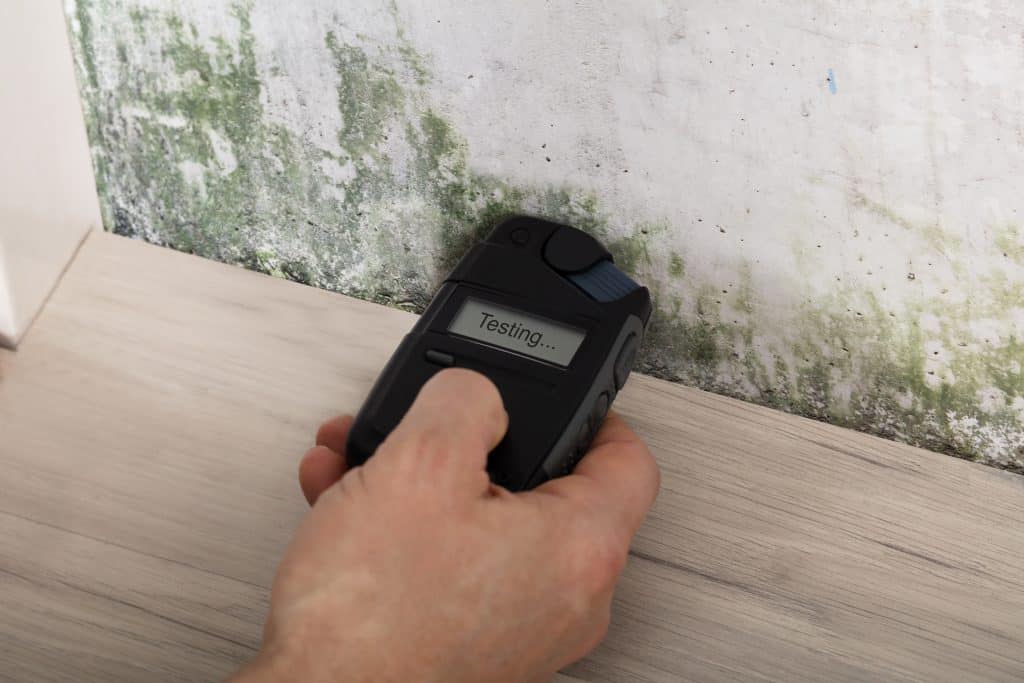
Next, we test the air and surfaces to confirm what type of mold we’re dealing with and how far it’s spread. This tells us what needs to be removed, what can be treated, and what containment steps we need to take so it doesn’t spread during removal.
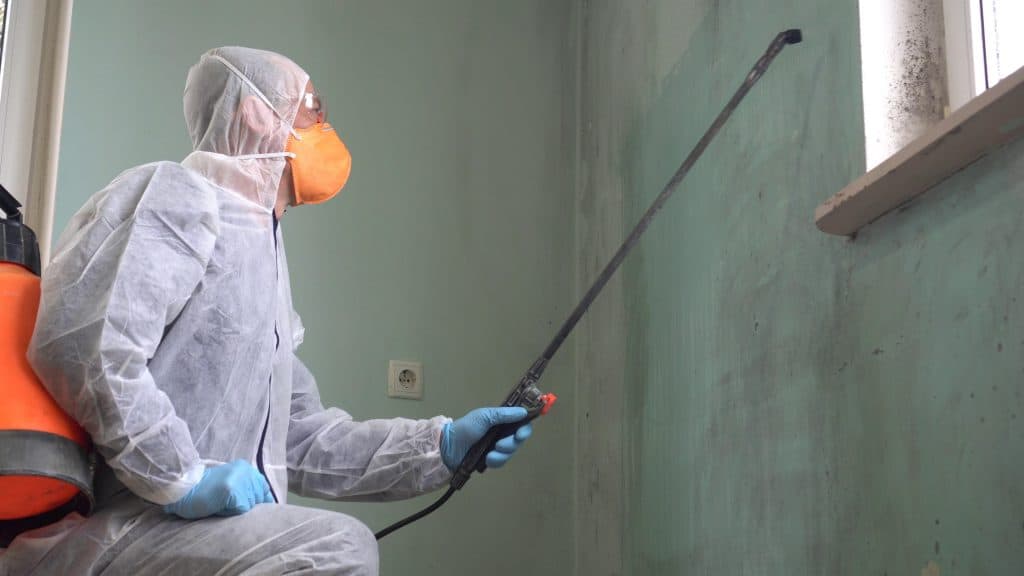
Then we contain the area, remove contaminated materials safely, treat affected surfaces with EPA-approved solutions, and dry everything out completely. If there’s a moisture issue—leaky foundation, poor ventilation, drainage problems—we address that too. Otherwise, you’re just waiting for it to come back.
Finally, we test again to confirm the air is clear, and if needed, we handle the restoration work so your space is back to normal.
Ready to get started?
Every job starts with a full property inspection and mold testing. We don’t skip this step. It’s how we know what we’re dealing with and how to handle it safely.
You get containment and air filtration during removal to keep spores from spreading to clean areas of your home. All contaminated materials are removed and disposed of properly. Surfaces that can be saved get treated with antimicrobial solutions that actually work.
We also handle the moisture problem—whether that’s a foundation crack, poor grading, a leaky pipe, or a ventilation issue. In Fishtown, basement moisture is the most common culprit. Older homes with brick or stone foundations let water seep in during heavy rain, and if your basement’s finished, mold grows behind the drywall where it’s dark and hidden.
After removal, we verify air quality with post-remediation testing. If restoration work is needed—drywall replacement, repainting, flooring—we handle that too. One company, start to finish.
If your basement smells musty, that’s mold. The smell comes from microbial volatile organic compounds that mold releases as it grows. It’s not just “old house smell”—it’s active growth.
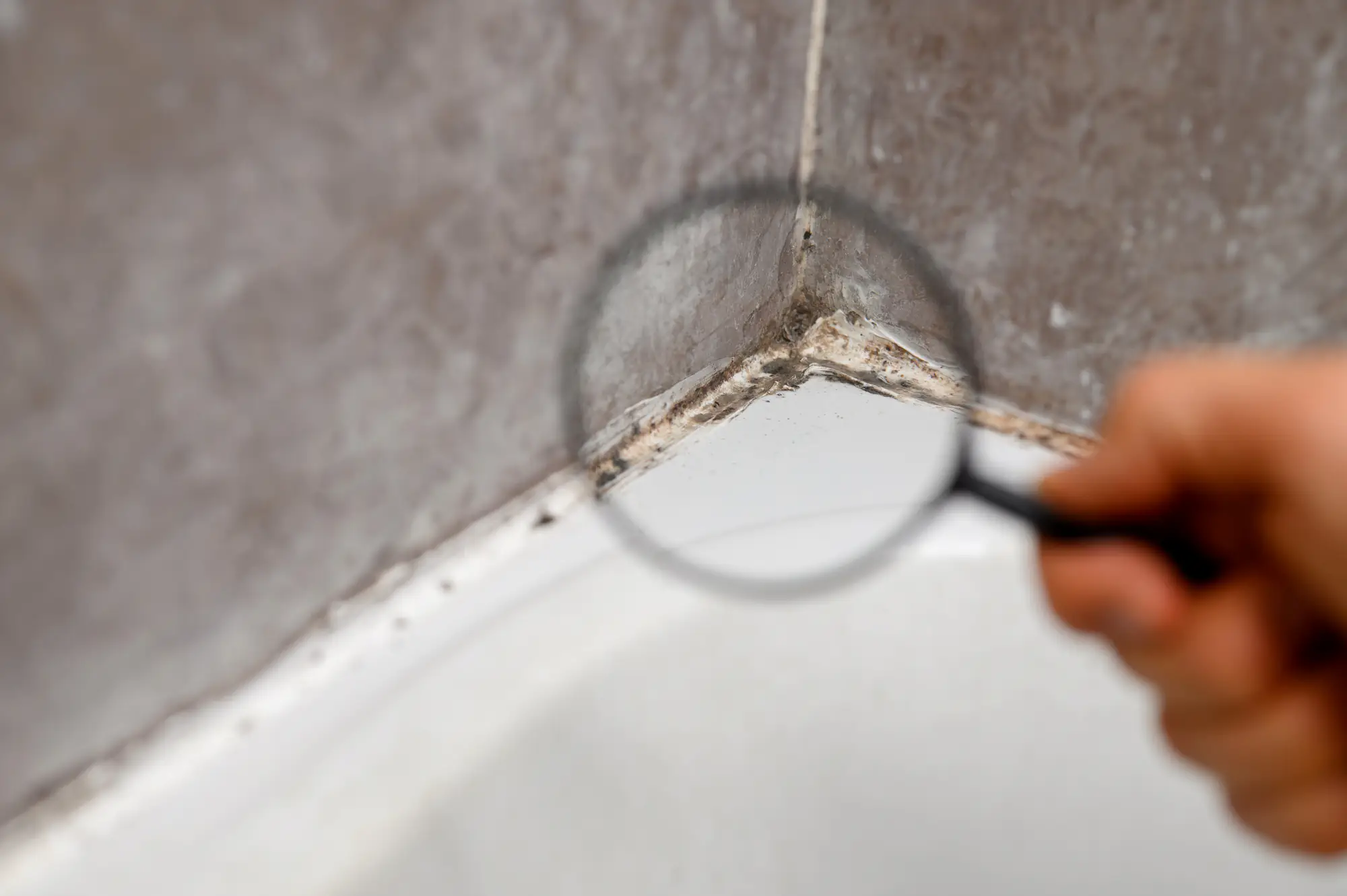
Other signs include visible discoloration on walls or ceilings, peeling paint, warping drywall, or allergy symptoms that get worse when you’re home—sneezing, congestion, headaches, itchy eyes. If anyone in your house has asthma, mold exposure makes it worse.
In Fishtown’s older rowhouses, mold often hides in finished basements behind drywall or in shared wall cavities. You might not see it, but you’ll smell it or feel it in your breathing. If you’re noticing any of these signs, it’s worth getting an inspection. Mold doesn’t improve on its own, and the longer it grows, the more expensive it becomes to remove.
Because the moisture source wasn’t fixed. Mold needs water to grow. If the water keeps coming in, the mold keeps coming back. It’s that simple.
A lot of mold removal companies will scrub the visible mold, spray some antimicrobial, and leave. But if your foundation still leaks when it rains, or your basement has no ventilation, or there’s a slow pipe leak behind the wall, the mold returns in weeks. We’ve seen it happen over and over—homeowners pay for mold removal two or three times because no one addressed the actual problem.
We don’t just remove mold. We find out why it’s there. That might mean sealing foundation cracks, improving drainage around your home, installing a dehumidifier, fixing a plumbing issue, or improving airflow. Once the moisture problem is solved, mold can’t grow back. That’s the only way to actually fix it for good.
Black mold—usually Stachybotrys chartarum—can produce mycotoxins that cause serious health problems, especially with prolonged exposure. Symptoms include respiratory issues, chronic headaches, fatigue, and in severe cases, neurological problems. People with asthma, allergies, or weakened immune systems are at higher risk.
That said, not all black-colored mold is Stachybotrys, and not all mold is black. The color doesn’t tell you everything. What matters is that any mold growing indoors is a problem and needs to be removed safely. All mold releases spores and irritants that affect indoor air quality.
The real danger with black mold is that it usually grows in hidden, damp areas—behind walls, under flooring, in HVAC systems—where it spreads unnoticed for months. By the time it’s visible, the contamination is often widespread. If you suspect black mold, don’t try to remove it yourself. Disturbing it releases spores into the air, which makes the problem worse and puts your health at risk. Professional removal with proper containment is the only safe approach.
For a typical basement mold situation in a Fishtown rowhouse, the process usually takes three to five days. That includes inspection, containment setup, removal, treatment, drying, and post-testing. More extensive contamination or structural work can take longer.
Day one is inspection and testing. We map out the affected areas and identify moisture sources. Day two, we set up containment barriers and air filtration, then start removing contaminated materials—drywall, insulation, flooring, whatever can’t be saved. Day three is treatment and drying. We treat salvageable surfaces with antimicrobial solutions and run dehumidifiers and air movers to dry everything completely.
Day four and five are for final cleaning, post-remediation air testing, and starting any restoration work if needed. The timeline can shift depending on how severe the contamination is, whether we’re dealing with shared wall issues, and how quickly we can solve the moisture problem. We’ll give you a clear timeline after the initial inspection so there are no surprises.
It depends on what caused the mold. If the mold resulted from a sudden, accidental event—like a burst pipe, roof leak during a storm, or appliance malfunction—most homeowners insurance policies will cover the removal. If the mold is from long-term neglect, poor maintenance, or ongoing moisture issues that weren’t addressed, insurance typically won’t cover it.
The key is acting fast. If you have a water damage event, you need to file a claim quickly and start remediation within 24 to 48 hours. Waiting too long can give the insurance company a reason to deny coverage, claiming the damage was preventable.
We work directly with insurance companies and can help you navigate the claims process. We document everything—photos, moisture readings, scope of damage—so you have what you need to file. We’ve handled hundreds of insurance claims and know what adjusters look for. Even if you’re not sure whether your policy covers it, call us. We’ll review your situation and help you figure out the best path forward, whether that’s through insurance or financing options.
Don’t touch it or try to clean it yourself. Disturbing mold releases spores into the air, which spreads contamination and puts your health at risk. Don’t run fans or open windows in the affected area—that just blows spores into other rooms.
If the mold is in a small area—less than 10 square feet—and it’s on a hard, non-porous surface like tile, you might be able to handle it with proper precautions. But if it’s on drywall, insulation, carpet, or wood, or if it’s covering a larger area, call a professional. If you smell mold but can’t see it, that’s also a sign to call someone. Hidden mold is often worse than visible mold because it means the contamination is inside walls or under floors.
In the meantime, try to reduce moisture in the area. Run a dehumidifier if you have one. Fix any active leaks immediately. Don’t delay—mold spreads fast, especially in Fishtown’s humid climate. The sooner it’s addressed, the less damage it causes and the less expensive removal becomes. We offer 24/7 emergency response, so if you’re dealing with an urgent situation, call us right away. We’ll walk you through next steps and get someone out to assess the problem as quickly as possible.
Other Services we provide in Fishtown