
Hear from Our Customers
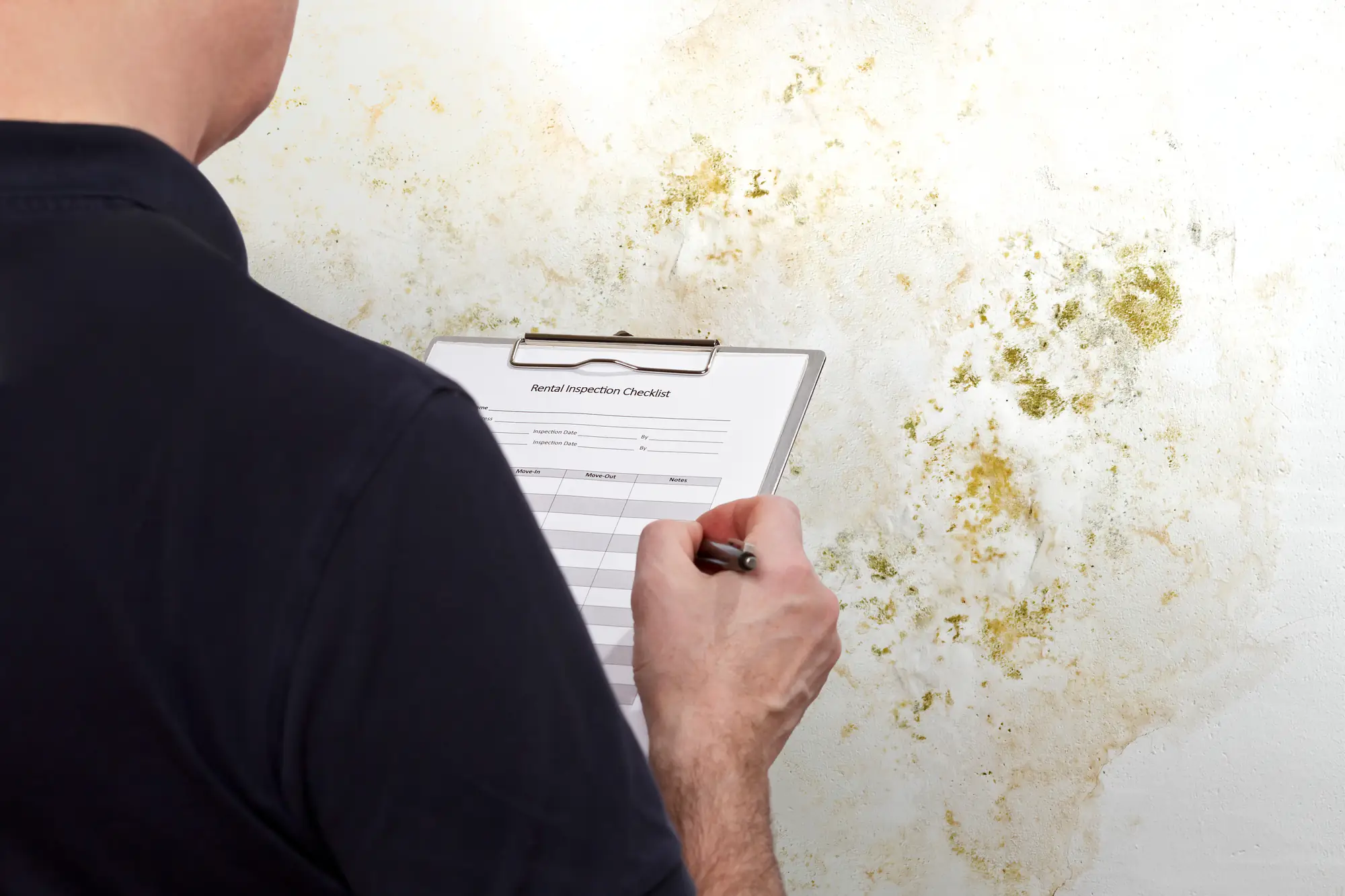
You avoid the 20-37% drop in property value that comes with unchecked mold growth. That’s real money in Thornridge, where the median home value sits at $445,700.
Early detection means smaller remediation costs. When mold hides behind walls or under floors, it spreads. The longer it grows, the more expensive removal becomes.
Your family breathes easier. Mold contributes to 21% of asthma cases, and in a county where nearly half of homes show signs of mold or dampness, professional inspection isn’t optional. You get documentation that shows exactly what’s happening in your home, where moisture is collecting, and what needs attention before it becomes a bigger problem.
Most homeowners in Bucks County live in houses built around 1974. Those homes have insulation-filled wall cavities that trap moisture and dry slowly after leaks. You can’t see what’s growing in there without the right tools.
We serve Thornridge and the surrounding Bucks County area with certified mold inspection and detection services. We’re not a national franchise following a script. We know the homes in this region because we work in them every day.
Older construction, tight building envelopes, humid Pennsylvania summers—these aren’t abstract problems for us. We see how they create mold issues in basements, crawl spaces, and attics across Thornridge.
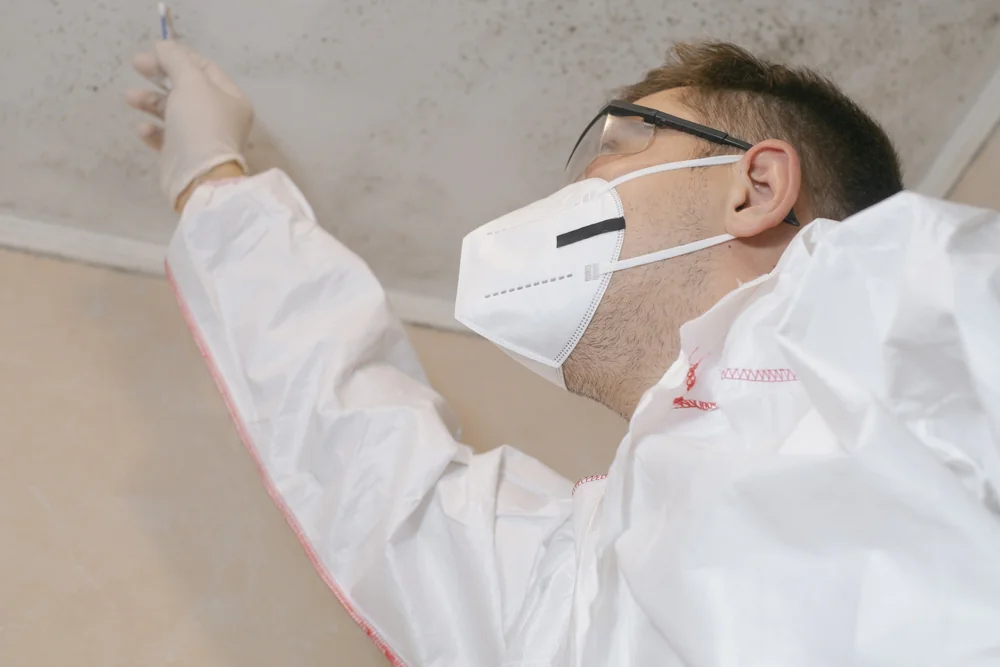
Our inspectors are certified, and we use infrared thermal imaging and moisture meters to find problems before they’re visible. You get access to mycologists at our lab who can answer specific questions about your test results. That level of detail matters when you’re making decisions about your home.
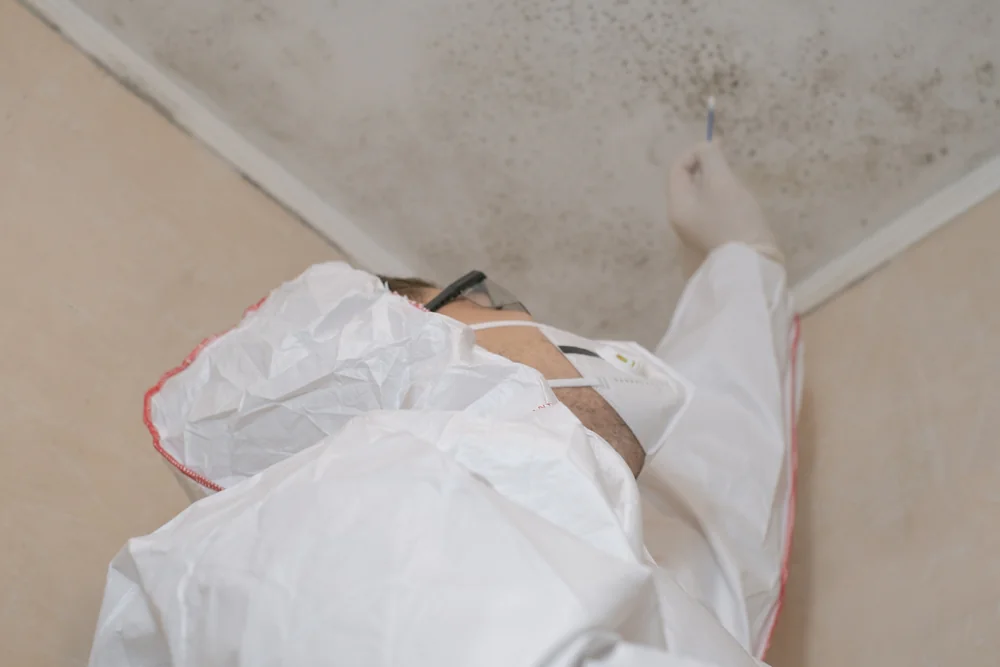
We start with a visual assessment of your entire property. That means checking common problem areas like basements, bathrooms, attics, and anywhere water intrusion might occur. But we don’t stop at what’s visible.
Using thermal imaging, we identify temperature variations that indicate moisture behind walls or under floors. Moisture is the catalyst for mold growth, so finding it early tells us where problems are developing even if mold isn’t visible yet.
We take air samples and surface samples in areas of concern. Those samples go to a lab for analysis. You’re not getting a guess—you’re getting data on exactly what type of mold is present and at what concentration.
Within 24-48 hours, you receive a detailed report. It shows what we found, where we found it, and what it means for your home. If remediation is needed, we explain the scope clearly so you can make an informed decision. If you’re dealing with a minor issue, we’ll tell you that too and give you prevention tips to keep it from becoming a major one.

Ready to get started?
You get a complete visual inspection of your property, including areas most homeowners never check. We’re looking for active mold growth, water damage, condensation issues, and ventilation problems.
Moisture mapping with professional-grade meters shows us where humidity levels are too high. In Bucks County, where 77.8% of residents own their homes, most are sitting on properties worth nearly half a million dollars. Knowing where moisture is collecting protects that investment.
Air quality testing measures mold spore concentration. When air contains more than 10,000 spores per cubic meter, it becomes a health concern. We measure that and compare it to outdoor levels to determine if your indoor air quality is compromised.
Surface sampling identifies the specific type of mold present. Not all mold is the same, and knowing what you’re dealing with determines the remediation approach. Black mold, for example, requires different handling than common household mildew.
You also get a written report with photos, lab results, and clear recommendations. If you’re buying or selling a home in Thornridge, this documentation matters. If you’re dealing with insurance, it provides the evidence you need.
Professional mold inspections in the Pennsylvania and New Jersey area typically run between $300 and $650, with most homeowners paying around $450. That price includes a full visual inspection, moisture detection, and air sampling.
If your home is larger or you need additional surface samples taken, the cost goes up slightly. But you’re paying for certified inspectors, lab analysis, and equipment that most homeowners don’t own—thermal imaging cameras and calibrated moisture meters aren’t cheap, and they’re not something you can rent at the hardware store and use effectively without training.
The cost of not inspecting is higher. Remediation for widespread mold growth can run into thousands of dollars, and your property value drops significantly if mold goes untreated. Spending $450 now to find a problem early saves you from spending $5,000 later to fix structural damage.
Visible mold is obvious, but most mold problems start where you can’t see them. If you smell a musty odor that doesn’t go away, that’s mold growing somewhere hidden. It could be behind drywall, under flooring, or in your HVAC system.
Water damage is a red flag. If you’ve had a leak, flooding, or even persistent condensation on windows, mold is likely growing within 24-48 hours. Bucks County homes built in the 1970s have wall cavities that trap moisture and dry slowly, making them especially vulnerable after water intrusion.
Health symptoms matter too. If you or your family members are experiencing unexplained allergies, headaches, coughing, or respiratory issues that improve when you leave the house, mold exposure could be the cause. Around 21% of asthma cases are linked to mold, and symptoms get worse the longer you’re exposed.
Buying or selling a home is another common reason for inspection. If you’re purchasing a property in Thornridge, you want to know what you’re getting into before closing. If you’re selling, finding and addressing mold beforehand prevents deals from falling through during buyer inspections.
You can buy DIY mold test kits, but they don’t give you the full picture. Those kits might tell you mold is present, but they won’t tell you where it’s coming from, how widespread it is, or what type of mold you’re dealing with. And if you’re seeing mold, you already know it’s there—the question is how bad the problem is and what’s causing it.
Professional mold detection uses tools you don’t have access to. Thermal imaging cameras show temperature differences that indicate hidden moisture. Moisture meters give precise readings that tell us if conditions are right for mold growth. We know where to look based on how homes in Thornridge are built and where problems typically develop.
Lab analysis matters. When we send samples to a mycologist, you get specific information about mold species and concentration levels. That determines whether you’re dealing with a minor issue or something that requires immediate remediation. DIY kits can’t provide that level of detail.
If you’re dealing with insurance or selling your home, you need professional documentation. A DIY test won’t hold up as evidence, and it won’t satisfy a buyer’s concerns during a real estate transaction.
Most residential mold inspections take between two and three hours, depending on your home’s size and how many areas need detailed assessment. We’re not rushing through—we’re checking every space where mold commonly grows and using equipment to find problems that aren’t visible.
Smaller homes or condos might take closer to 90 minutes. Larger properties with basements, attics, and multiple bathrooms take longer. If you’ve already identified problem areas or had recent water damage, we spend extra time in those locations doing moisture mapping and taking samples.
Lab results come back within 24-48 hours after we collect samples. You’re not waiting weeks for answers. Once we have the lab data, we compile everything into a detailed report with photos, findings, and recommendations.
The inspection itself happens in one visit. We don’t need to come back multiple times unless you’re moving forward with remediation and want post-treatment testing to confirm the mold is gone. But the initial assessment and sampling is a one-time appointment that works around your schedule.
If we find mold, you get a clear explanation of what it is, where it is, and how serious the problem is. Not all mold requires expensive remediation. Sometimes it’s a small area that can be cleaned and prevented from returning with better ventilation or a minor repair.
When remediation is necessary, we develop a customized plan based on the extent of the contamination and the type of mold present. Black mold requires more aggressive treatment than surface mildew. We explain the scope of work, the timeline, and the cost before any work begins.
You also get information about the moisture source. Removing mold without fixing the underlying water problem means it’ll just come back. We identify what’s causing the moisture—whether it’s a leaky pipe, poor drainage, high humidity, or a roof issue—so you can address the root cause.
If you’re in the middle of a real estate transaction, we provide documentation that satisfies buyer concerns and insurance requirements. If you’re a homeowner dealing with a long-term issue, we give you a roadmap for fixing it and keeping your home mold-free going forward. The goal is to give you enough information to make a smart decision about your property.
Yes. When we take air and surface samples during a mold inspection, the lab analysis identifies the specific species of mold present, including black mold (Stachybotrys chartarum). You’re not just getting a yes-or-no answer about whether mold exists—you’re getting detailed information about what type it is.
Black mold gets a lot of attention because it produces mycotoxins that can cause serious health issues, especially with prolonged exposure. But it’s not the only harmful mold. Other species can trigger allergic reactions, respiratory problems, and asthma attacks. That’s why we test for everything, not just the most notorious type.
If black mold is present, we treat it seriously. It typically grows in areas with chronic moisture problems—places that have been wet for extended periods. Finding it means there’s a significant water issue that needs immediate attention, not just surface cleaning.
The lab report breaks down mold types and concentration levels so you understand exactly what you’re dealing with. If black mold is found, we explain the health risks, the remediation process, and the timeline for getting it removed safely. You’re not left guessing about what comes next.
Other Services we provide in Thornridge