
Hear from Our Customers

Most Thornridge homeowners don’t think about their ductwork until something forces them to a musty smell when the AC kicks on, allergy symptoms that won’t quit, or a mold discovery elsewhere in the house that leaves them wondering what’s moving through the vents. That moment of doubt is worth paying attention to.
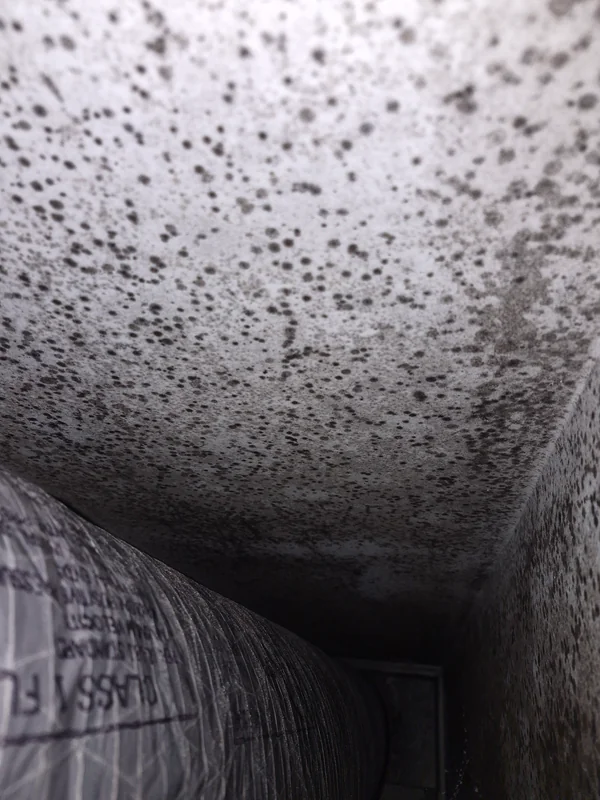
When your HVAC system moves air through ducts that haven’t been professionally cleaned or that are original to a home built in the early 1950s it’s not just dust you’re dealing with. Bucks County receives close to 49 inches of rain annually, nearly 30% more than the national average. That sustained moisture, combined with the Delaware River Valley’s ambient humidity and the low elevation of Falls Township, creates exactly the kind of environment where mold takes hold inside ductwork.
Once mold is present, every heating and cooling cycle sends it through every room in your home simultaneously. After a proper cleaning and inspection, you know what was there, what we removed, and what your air looks like now. For families in Thornridge especially those with children in the Pennsbury School District that’s not a minor upgrade. It’s a meaningful change in what your home actually feels like to live in.
We’re based in Bensalem about 10 to 12 miles from Thornridge via US Route 13 and have been working in Bucks County for over 15 years. That’s not a franchise dispatching from three counties away. That’s a local company that knows what 1950s Levittown construction looks like from the inside out: the crawl spaces without modern vapor barriers, the original galvanized ductwork, the multiple renovation layers that can trap decades of moisture and biological material.
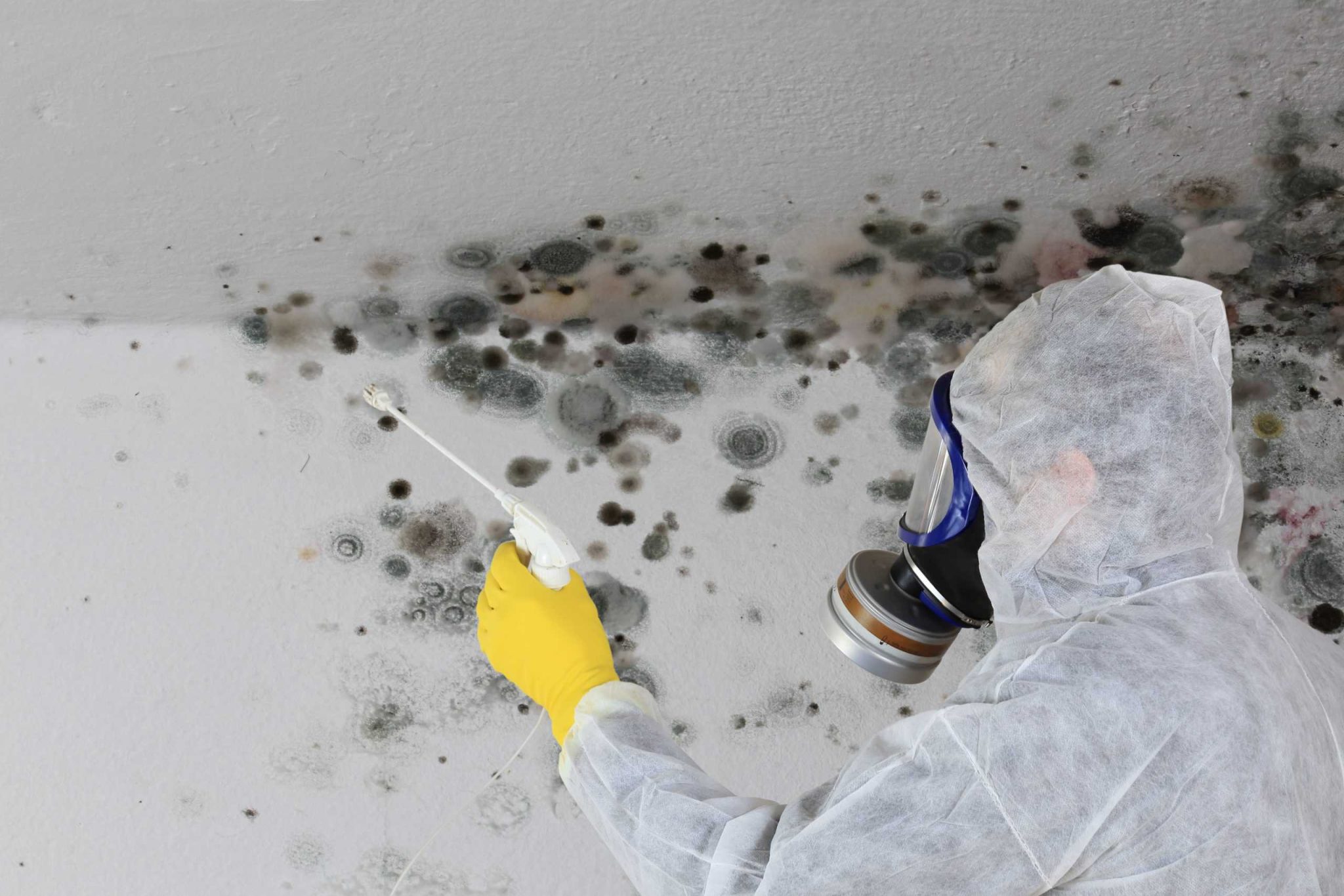
What separates us from a standard duct cleaning company is our mold remediation background. We employ certified inspectors, send collected samples to labs for testing, and provide post-cleaning verification to confirm the work actually worked not just a vacuum and an invoice. If mold is present in your ducts, disturbing it without containment protocols can spread spores throughout your home. That’s a risk a general cleaner won’t tell you about. We will.
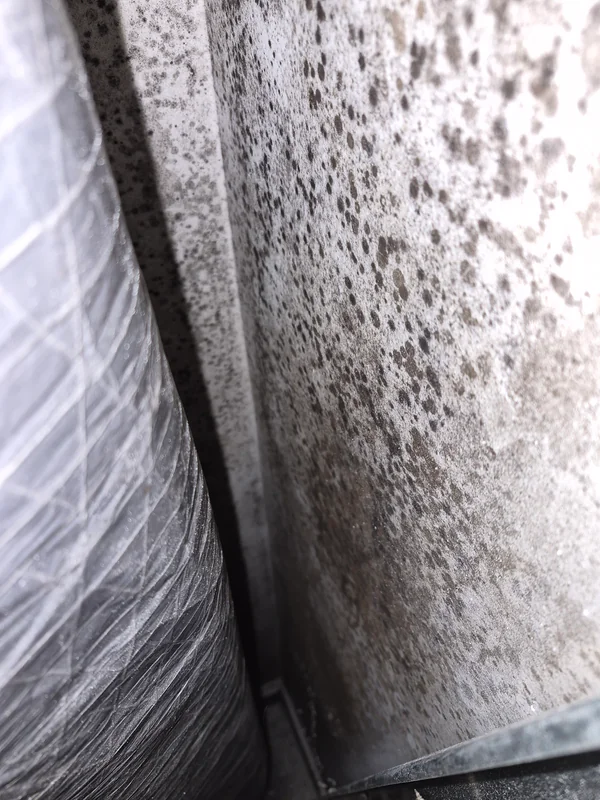
It starts with a free inspection. Before any cleaning begins, one of our certified inspectors walks through your home and assesses the actual condition of your duct system not just the registers you can see, but the coil compartment, the return air plenums, and the crawl space connections that general cleaners often skip. In Thornridge homes, where original construction frequently included crawl spaces without adequate vapor barriers, those hidden areas matter significantly.
If mold is found, we send samples to a lab for analysis. That tells us exactly what we’re dealing with and how to approach the remediation because not every mold situation calls for the same response. Containment is set up before any mechanical cleaning begins, which prevents spores from being redistributed through your home during the process. A proper air duct cleaning job takes four to six hours for most homes. Anyone quoting a $99 job and promising to finish in an hour is not doing what you think they’re doing.
After cleaning is complete, we test affected areas again to verify the results. You get documentation not just a promise. Given that Bucks County’s humid summers and Pennsylvania’s above-average rainfall create year-round pressure on HVAC systems, that verification step isn’t optional. It’s how you know the job is actually done.
Ready to get started?
Air duct cleaning is our core service, but it doesn’t exist in a vacuum especially in a neighborhood like Thornridge. We also handle dryer vent cleaning, which is a fire safety issue more than a maintenance preference. The NFPA reports nearly 16,000 dryer-related house fires every year in the US, and failure to clean the vent is the leading cause. In homes on Tamarack Lane, Teaberry Lane, or Timber Lane that were built in the 1950s and may have had dryer additions or renovations at various points over the decades, flexible foil venting, kinked duct runs, and vents that have never been professionally serviced are genuinely common findings.
Air duct sanitizing is a separate step from mechanical cleaning. Cleaning removes the physical debris dust, biological material, accumulated contamination. Sanitizing applies an antimicrobial treatment to address what remains after the debris is gone. When mold is confirmed in a duct system, both steps are typically needed. We also work directly with insurance companies on mold-related claims, which matters when moisture damage from a wet Bucks County winter or a Neshaminy Creek flooding event is part of how the problem started. Flexible financing is available for homeowners who need the work done now but want to manage the cost over time.

The most common sign is a musty smell that appears when your HVAC system kicks on and disappears when it shuts off. That pattern smell tied directly to airflow is a strong indicator that something biological is living inside the duct system, not just on a surface somewhere else in the house. Visible discoloration around registers or on the vent covers is another signal, though by the time you can see it at the register, the problem deeper in the system is often more significant.
In Thornridge specifically, the combination of factors that drive mold growth in ducts is unusually concentrated. Homes built in the early 1950s with original or aging ductwork, sitting in a moisture zone shaped by the Delaware River Valley and Bucks County’s above-average annual rainfall, with crawl spaces that frequently lack modern vapor barriers that’s a high-risk profile. A free inspection from one of our certified mold specialists will tell you definitively what’s there and where it is, without committing you to anything before you have the full picture.
The honest answer is that it depends on what’s in the ducts, not just how old they are. The EPA’s position on routine air duct cleaning absent a specific problem is that the benefits are unclear. But the EPA explicitly recommends cleaning when mold is confirmed, when there’s evidence of pest or rodent activity in the duct system, or when substantial debris is restricting airflow. Those aren’t edge cases in a 70-year-old Thornridge home. They’re common findings.
If your home on Thornridge Drive or one of the T-streets has never had its ductwork professionally inspected or cleaned, and the original HVAC infrastructure is still partially in place, the question isn’t really whether it’s worth it it’s whether you want to know what’s actually there. Our free inspection gives you that answer without any financial commitment upfront. From there, you make an informed decision based on what the inspection actually finds, not on guesswork.
Yes and that’s what makes HVAC contamination different from mold on a basement wall or a bathroom ceiling. A surface mold problem stays where it is until you remediate it. Mold inside a duct system gets distributed to every room the system serves, every time the system runs. In a single-story ranch-style home like most Thornridge properties, where one HVAC system typically serves the entire square footage, a contaminated duct section becomes a whole-house problem quickly.
This is also why the order of operations matters. If you’ve had mold remediated somewhere else in your home a basement, a crawl space, a wall cavity and the ductwork wasn’t inspected as part of that job, there’s a real possibility the ducts are still harboring the same mold or reintroducing it to the remediated space. Our approach includes post-cleaning verification testing specifically to confirm that the duct system isn’t continuing to circulate what was removed from elsewhere in your house.
They’re two separate steps that address two separate problems. Cleaning is the mechanical process using negative air pressure equipment and HEPA vacuums to physically remove dust, debris, biological material, and contaminants from inside the duct system. This is the core of the job and what takes the bulk of the four to six hours a proper cleaning requires.
Sanitizing comes after. It involves applying an antimicrobial treatment to the interior surfaces of the duct system to address biological contamination that remains after the physical debris is removed. When mold is confirmed in a duct system which is a frequent finding in Thornridge and Falls Township homes given the region’s humidity and aging housing stock cleaning alone isn’t enough. The sanitizing step addresses the mold at a microbial level, not just the visible material. Both steps together are what give you a duct system that’s actually clean, not just visually cleaner than it was before.
The general industry guideline is every three to five years for a typical home under normal conditions. But Thornridge homes don’t fit the “normal conditions” profile that guideline assumes. A home built in the 1950s, with aging ductwork, sitting in a county that receives 49 inches of rain annually, near a river valley that keeps ambient humidity elevated year-round, is under more biological pressure than a newer home in a drier climate.
For most Thornridge homeowners who’ve never had their ducts professionally cleaned, the starting point isn’t a cleaning schedule it’s a baseline inspection to understand the current condition of the system. After that, the frequency depends on what the inspection finds, what remediation we do, and what ongoing conditions your home is dealing with. Homes with a history of basement flooding, crawl space moisture issues, or previous mold problems anywhere on the property should be on a more attentive schedule than the standard guideline suggests.
Yes. We handle dryer vent cleaning in Thornridge, and it’s worth taking seriously in a neighborhood where homes have been through multiple renovation cycles over 70 years. Original or early-renovation dryer vent installations in Levittown homes frequently used flexible foil ducting the kind that kinks, traps lint, and doesn’t move air efficiently. Over time, those installations become a fire hazard. The NFPA’s data puts dryer-related house fires at nearly 16,000 per year nationwide, with failure to clean the vent as the leading cause.
In a neighborhood like Thornridge, where homes sit close together on residential streets and many families have been in the same house for decades without having the vent system professionally serviced, that risk is real and specific. A dryer vent cleaning from us includes clearing the full vent run, not just the accessible section near the dryer. If the installation itself is creating a hazard a kinked run, improper venting material, or a vent that terminates incorrectly we flag that during the service so you know what you’re working with.
Other Services we provide in Thornridge