
Hear from Our Customers
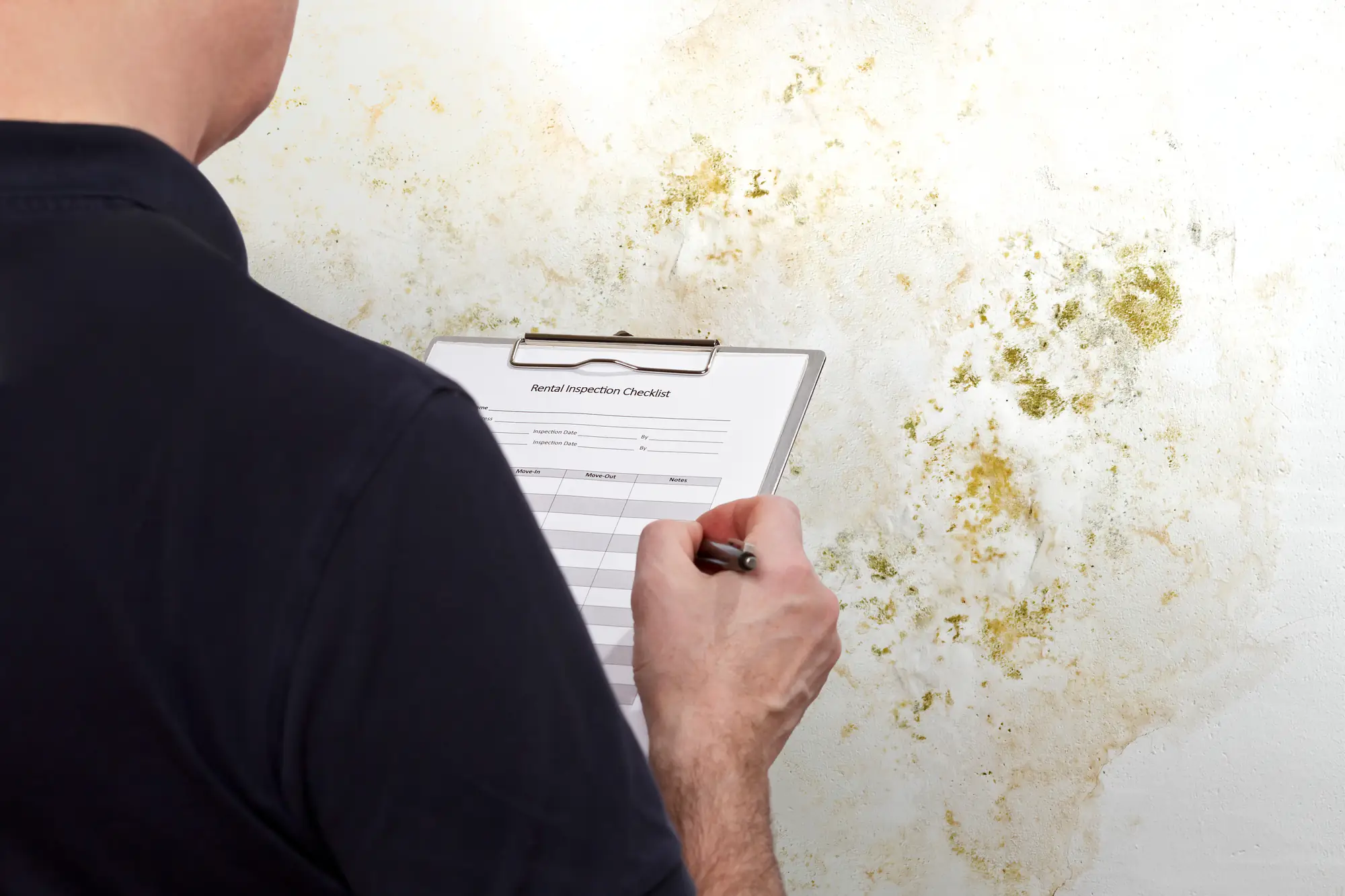
You’re not looking for someone to tell you mold might be there. You need to know if it is, where it is, and how bad it actually is.
Most mold hides. It grows behind drywall, under flooring, in crawl spaces, and around plumbing that’s been leaking slowly for months. You might smell it before you see it. Or you might not notice anything until someone in your house starts coughing more than usual.
A real mold inspection uses moisture meters and thermal imaging to find what a walkthrough misses. It tells you whether that water stain in the basement is just cosmetic or if there’s active growth spreading into the studs. It gives you a report you can hand to a contractor, a buyer, or your insurance company—not a guess.
If you’re buying a home in Tacony, this is the inspection that protects you from inheriting someone else’s moisture problem. If you’re selling, it’s what keeps a deal from falling apart two days before closing. And if you’re living here, it’s how you stop a small issue from becoming an expensive one.
We serve Tacony and Northeast Philadelphia with one focus: accurate mold detection. We’re not here to upsell you on remediation you don’t need.
Tacony’s housing stock—rowhomes from the 1800s, twins from the Disston Estate era, and older brick foundations—creates specific mold risks. Humidity from the Delaware River, basements that were never meant to stay dry, and plumbing that’s older than most cars on the road. We’ve seen it all.
We inspect homes before purchase, after water damage, and when something just doesn’t smell right. Our reports are clear, lab-certified, and written so you actually understand what’s happening in your house. No jargon. No scare tactics.
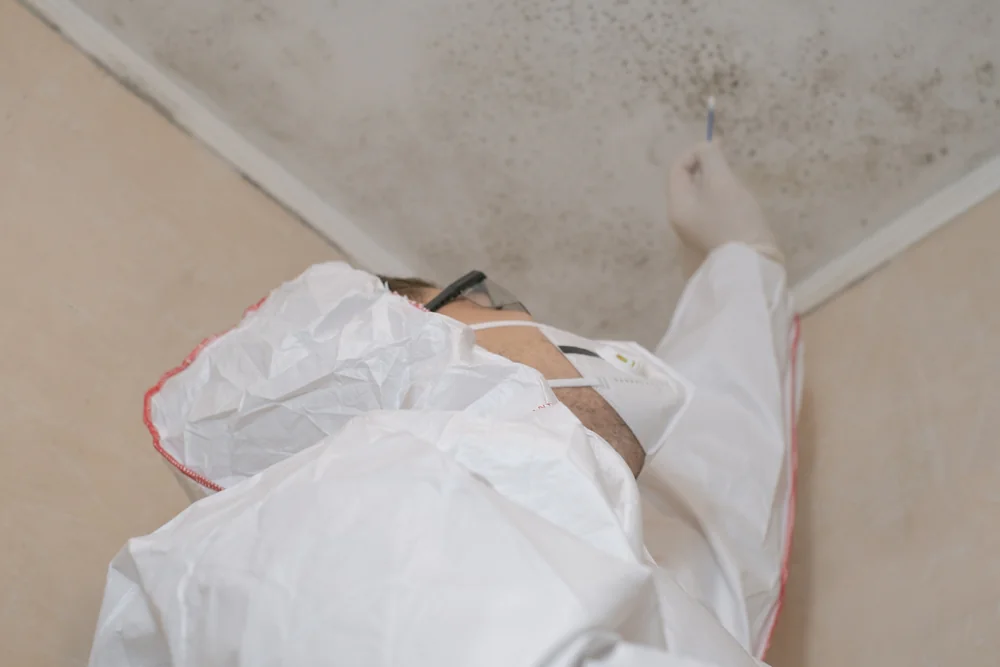
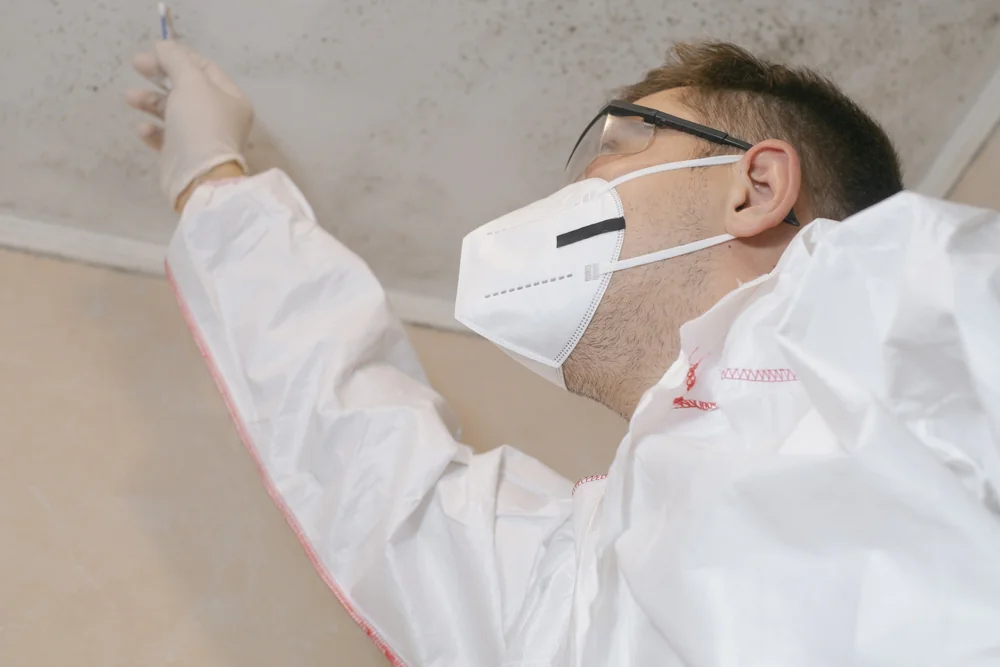
First, we walk through your property and talk about what you’ve noticed—smells, stains, health symptoms, or just a hunch. Then we start looking in the places most people don’t: behind appliances, inside crawl spaces, around HVAC systems, and anywhere water could be sitting unnoticed.
We use moisture meters to measure humidity levels inside walls and building materials. Thermal imaging shows us temperature differences that indicate water intrusion or poor ventilation. If we find visible mold, we document it. If we suspect hidden growth, we take air samples or surface samples and send them to an EPA-certified lab.
You get a full report within a few days. It breaks down what we found, where we found it, and what type of mold is present. The report includes moisture readings, photos, and lab results you can share with contractors or use to make decisions about remediation.
If there’s no mold, you’ll know that too. And if there is, you’ll have exactly what you need to deal with it the right way.

Ready to get started?
Every mold inspection starts with a visual assessment of your entire property—attic to basement. We check areas where moisture tends to collect: around windows, under sinks, near water heaters, along foundation walls, and in any room that’s ever had a leak.
We measure moisture content in walls, floors, and ceilings using calibrated meters. We use infrared cameras to spot hidden water damage that hasn’t shown up as a stain yet. If we see mold growth or conditions that support it, we collect samples.
Air quality testing captures airborne mold spores that you’re breathing but can’t see. Surface testing identifies the specific type of mold growing on walls, wood, or other materials. Both get analyzed by an independent lab, and the results come back with spore counts and species identification.
In Tacony, where nearly half the homes are over 70 years old, we also pay close attention to basements and crawl spaces. Brick foundations, dirt floors, and old drainage systems create perfect conditions for mold. A standard home inspection won’t catch it. We do.
You’ll receive a written report with findings, lab results, photos, and recommendations. No sales pitch. Just information.
Most mold inspections in Tacony run between $300 and $600 depending on the size of your home and how many samples need to be tested. A typical rowhome inspection with air sampling and lab analysis usually falls around $400 to $500.
The price covers the on-site inspection, moisture testing, thermal imaging, sample collection, lab fees, and a full written report. If your home is larger or has multiple areas of concern, the cost goes up slightly because more samples mean more lab work.
We give you upfront pricing before we start. No surprises. And if you’re buying a home, that few hundred dollars could save you thousands by catching a problem before you’re locked into a mortgage on a house with hidden mold.
If you’re buying an older home in Tacony, yes. A standard home inspection checks structure, electrical, and plumbing—but most inspectors aren’t trained to identify mold or moisture problems that aren’t obvious.
Mold hides in places a general inspector won’t look: inside wall cavities, under flooring, in crawl spaces, and around old cast iron plumbing. By the time it’s visible, it’s usually been growing for a while. A mold inspection finds it early, gives you leverage to negotiate the price, or tells you to walk away.
Lenders sometimes require mold inspections if there’s visible water damage or a musty smell during the appraisal. But even if they don’t, you should get one. You’re about to spend $200,000+ on a house. Spending $400 to know what you’re actually buying is just smart.
Mold inspection is the full process: visual assessment, moisture readings, thermal imaging, and identifying problem areas. Mold testing is the lab work—taking air or surface samples and analyzing them to confirm what type of mold is present and how much.
You can have an inspection without testing if there’s no visible mold and moisture levels are normal. But if we find growth, suspect hidden mold, or you’re dealing with health symptoms, testing tells you exactly what you’re up against.
Testing also gives you documentation. If you’re dealing with insurance, selling a home, or hiring a remediation company, lab results prove what’s there. It removes the guesswork and gives you a clear starting point for fixing the problem.
Most mold inspections take between 1.5 and 3 hours depending on the size of your home and how many areas need close attention. A small rowhome might take 90 minutes. A larger twin or single-family home with a basement and attic could take closer to three hours.
We’re not rushing through it. We’re checking every room, measuring moisture levels, using thermal imaging in areas where water damage is likely, and documenting everything. If we take samples, that adds a bit more time on-site, but lab results come back within a few days.
You don’t need to be home the whole time, but it helps to be available at the start so we can ask questions about leaks, smells, or anything you’ve noticed. After that, we can finish up on our own if you need to leave.
You can buy a mold test kit at a hardware store for $10 to $50, but it won’t tell you much. Those kits detect mold spores in the air—which are present in almost every home. They don’t tell you if the levels are dangerous, what type of mold it is, or where it’s coming from.
Professional mold testing uses calibrated equipment, controlled sampling methods, and EPA-certified lab analysis. We compare your indoor air quality to outdoor baseline levels, test specific surfaces where growth is visible, and measure moisture in building materials to find the source.
If you’re trying to decide whether to spend money on an inspection, a DIY kit won’t give you enough information to make that call. It’ll just tell you that mold exists—which you probably already suspected.
If we find mold, you get a detailed report that shows where it is, what type it is, and how severe the contamination is. That report gives you options: hire a remediation company, address the moisture problem yourself if it’s minor, or use the findings to negotiate with a seller if you’re buying the home.
We don’t do remediation, so we’re not trying to sell you on a cleanup you don’t need. We just tell you what’s there. If it’s a small area of surface mold on a bathroom wall, you might be able to handle it yourself. If it’s black mold behind drywall or widespread growth in a crawl space, you’ll need a professional crew.
Either way, you’ll know exactly what you’re dealing with. And if you need remediation, our report gives the contractor a clear scope of work so you’re not guessing at costs or getting oversold.
Other Services we provide in Tacony