
Hear from Our Customers
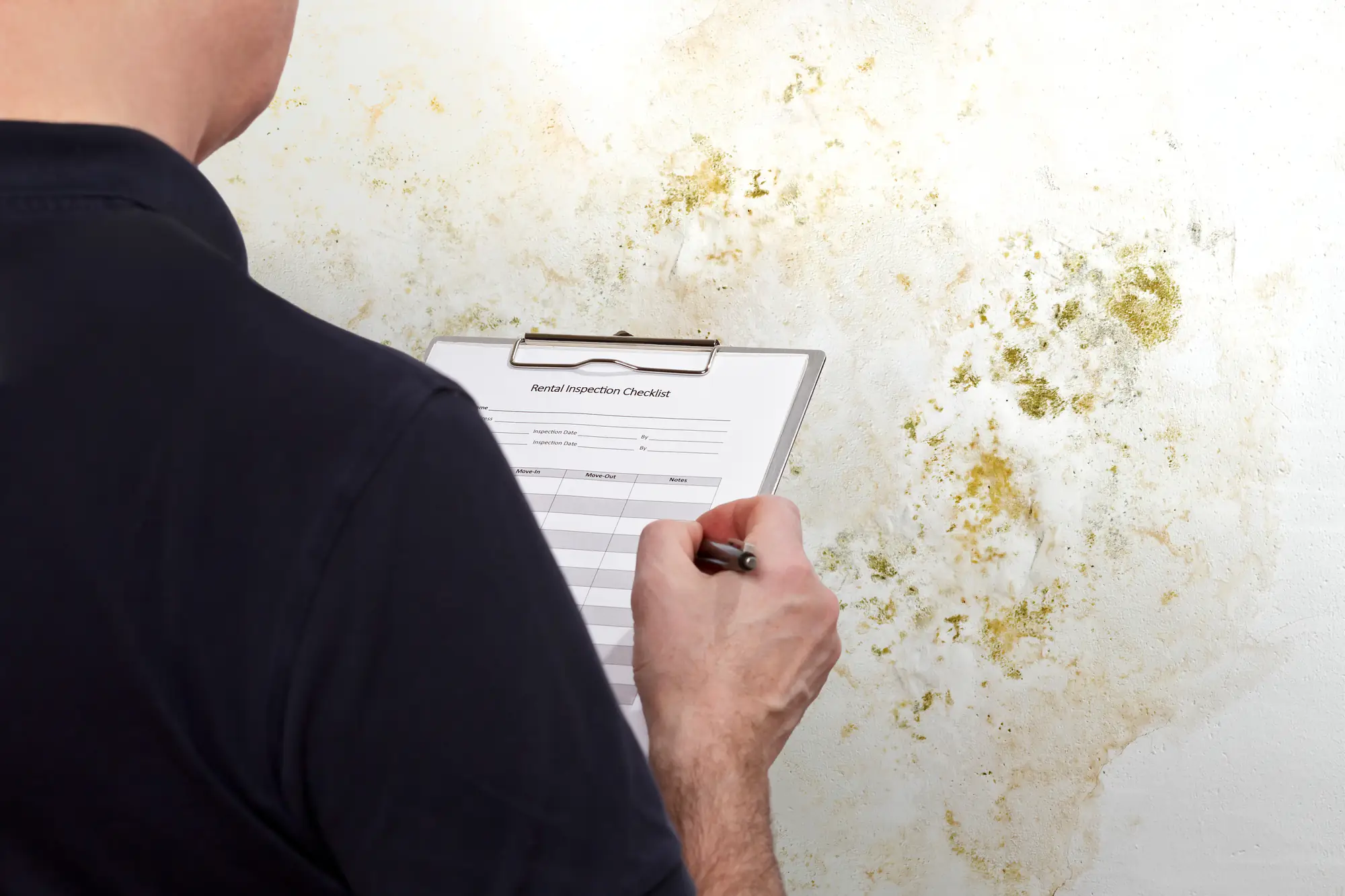
You’ve noticed the musty smell in your basement. Or maybe your allergies act up every time you’re home but improve when you leave. Perhaps you’re buying a house in Trumbauersville and want to know what’s really behind those walls before you sign.
A proper mold inspection gives you answers. Not guesses, not maybes—actual data about what’s growing in your home, where it’s hiding, and whether it’s affecting your air quality.
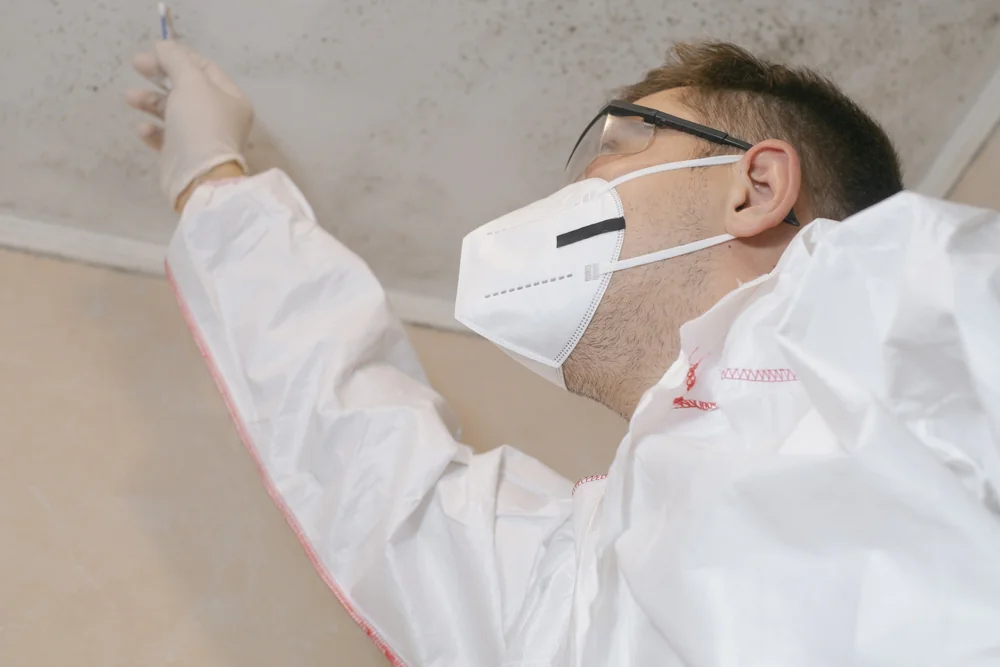
Our inspections use infrared cameras and moisture meters to find problems you can’t see. We collect air samples and send them to certified labs that identify specific mold species and concentration levels. You get a full report with photos, moisture readings, and a clear explanation of what we found. If there’s mold, you’ll know the type, the severity, and what it means for your health. If there isn’t, you’ll have documentation proving it.
We’ve been serving Trumbauersville and the surrounding Bucks County area for years. We understand how Pennsylvania’s humid summers and damp winters create perfect conditions for mold growth, especially in older homes with basements prone to moisture issues.
When you call us, you’re talking to people who live and work in this community. We’ve inspected hundreds of homes in this area—we know the common trouble spots, the seasonal patterns, and what to look for in properties built on Bucks County’s clay soil with high groundwater tables.
We don’t use scare tactics or pressure you into services you don’t need. Our job is to give you accurate information so you can make informed decisions about your home.
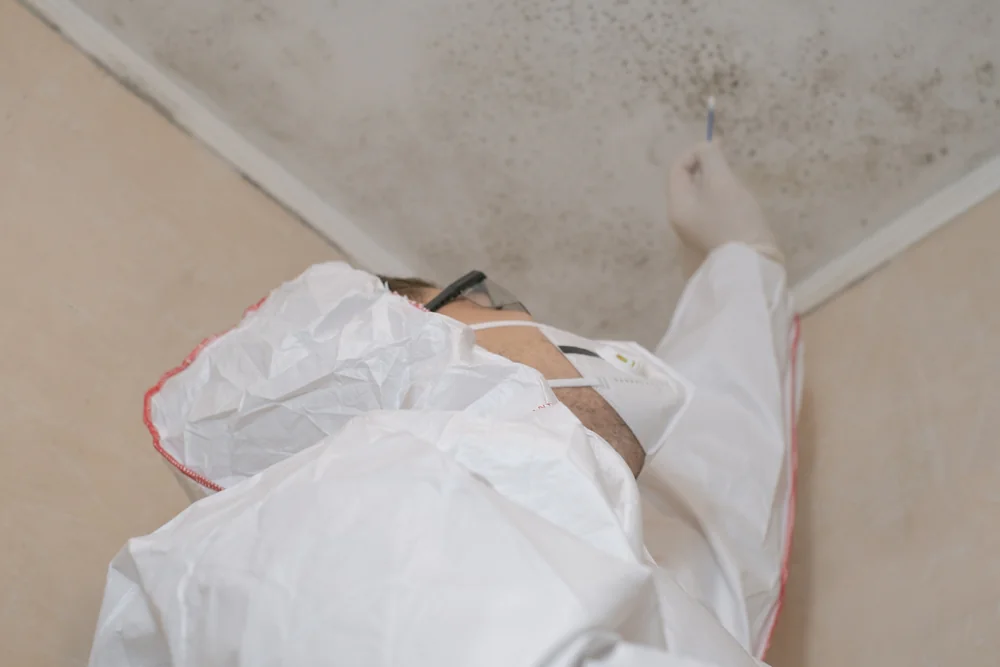
We start with a complete visual assessment of your property. That means checking basements, crawl spaces, attics, bathrooms, and anywhere moisture tends to accumulate. We’re looking for visible mold growth, water stains, condensation patterns, and structural issues that could lead to problems.
Next, we use moisture meters and infrared cameras to detect hidden moisture behind walls, under floors, and in areas you can’t easily access. Mold needs moisture to grow, so finding wet spots tells us where problems might be developing even if you can’t see them yet.
We collect air samples from different areas of your home and send them to a certified laboratory for analysis. The lab identifies what types of mold are present and measures their concentration levels. This tells us whether you have a problem that needs attention or if your indoor air quality is normal.
You’ll receive a detailed report within a few days. It includes lab results, photographs from the inspection, all moisture readings, and our professional interpretation of the findings. If mold is detected, we explain what types were found, whether they pose health risks, and what your options are for addressing the issue.

Ready to get started?
Every inspection includes a thorough visual examination of your entire property. We document everything with photos and notes about conditions that could contribute to mold growth—poor ventilation, plumbing leaks, foundation cracks, or inadequate drainage around your home.
We use professional-grade equipment that goes beyond what you can buy at a hardware store. Our thermal imaging cameras detect temperature differences that indicate moisture problems. Digital moisture meters give us precise readings from walls, floors, and ceilings. These tools help us find issues before they become visible.
Air sampling is standard in our inspections. We typically collect samples from at least two areas inside your home plus one outdoor sample for comparison. The outdoor sample establishes a baseline—every home has some mold spores in the air, so we need to know if your indoor levels are abnormally high.
Trumbauersville homes face specific challenges. The area’s humid climate means basements stay damp, especially during summer months. Older properties often lack proper vapor barriers or modern ventilation systems. If your home was built before the 1980s, there’s a good chance it has conditions that encourage mold growth. We know what to look for because we’ve seen these patterns repeatedly in local homes.
Our basic mold inspection starts at $350 and includes a complete visual assessment, moisture detection throughout your home, and two air samples with full laboratory analysis. That covers most single-family homes up to 2,500 square feet.
Larger properties or homes with multiple problem areas might need additional air samples, which run about $75 each. If you need surface sampling to identify a specific growth we find during the inspection, that’s another $100 per sample. We’ll discuss what’s necessary before we start, so you know the total cost upfront.
Most homeowners in the Trumbauersville area pay between $350 and $600 for a thorough inspection. That’s less than what you’d spend on a single room of mold remediation if you let a small problem grow into a bigger one.
Plan on two to three hours for a typical home inspection. We’re not rushing through your property—we’re checking every area where mold commonly grows and using specialized equipment to find hidden moisture.
The visual inspection usually takes about an hour, depending on your home’s size and layout. Moisture mapping and thermal imaging add another 30 to 45 minutes. Air sampling is quick, but we need to set up equipment in multiple locations and let it run for a specific time period to get accurate results.
You don’t need to be present for the entire inspection, but we recommend being available at the beginning and end. We’ll want to ask you questions about any issues you’ve noticed, and we’ll walk you through our findings before we leave. Lab results typically come back within three to five business days, and we’ll send you a complete written report.
Those kits have limitations that make them pretty unreliable. Most DIY tests use petri dishes that collect whatever spores happen to land on them during the exposure period. The problem is, every home has mold spores in the air—that’s normal. What matters is the type of mold and the concentration level, and home test kits can’t tell you that with any accuracy.
DIY kits also can’t find hidden mold. If the problem is behind a wall, under flooring, or in your HVAC system, a test kit sitting on your counter won’t detect it. You might get a false negative while mold is actively growing somewhere you can’t see.
Professional air sampling uses calibrated pumps that pull a specific volume of air through a collection device. The sample goes to a certified lab where technicians identify individual mold species and count spore concentrations. That data tells us whether you have a problem that needs attention. We also use moisture meters and thermal cameras to locate hidden issues. You’re not going to get that level of information from a $10 kit.
We frequently find Cladosporium, Penicillium, and Aspergillus in Bucks County homes. These are common indoor molds that thrive in damp conditions. They’re not usually as concerning as Stachybotrys (black mold), but they can still cause respiratory issues and allergic reactions, especially if concentrations are high.
Stachybotrys does show up in local homes, particularly in basements and crawl spaces where there’s been ongoing moisture problems or past water damage. It grows on materials with high cellulose content—drywall, wood, paper. It’s slow-growing but produces mycotoxins that can cause serious health issues.
The specific molds in your home depend on your moisture sources and what materials they’re growing on. That’s why lab analysis matters. Different molds require different approaches, and some are more concerning than others. Our inspection identifies exactly what you’re dealing with so you can make informed decisions about remediation.
Most insurance policies don’t cover mold inspections as a preventive service. However, if you’re filing a claim for water damage—like a burst pipe, roof leak, or flooding—your insurer might cover the inspection as part of assessing the damage.
Some insurance companies require professional mold testing before they’ll approve a remediation claim. If that’s your situation, the inspection cost might be covered under your policy, or it might count toward your deductible. You’ll need to check your specific policy or talk to your insurance agent.
Even if insurance won’t cover the inspection, it’s worth the cost for the information you get. If you’re buying a home, finding mold during your inspection period could save you thousands in unexpected repairs. If you’re selling, getting documentation that your home is mold-free can prevent deals from falling through. And if you’re experiencing health symptoms or musty odors, knowing whether mold is the cause gives you a clear path forward.
First, don’t panic. Finding mold doesn’t mean your home is uninhabitable or worthless. It means you have information about a problem that needs to be addressed, and now you can deal with it properly.
The report we provide will explain what types of mold were found, where they’re located, and what concentration levels were detected. We’ll also identify the moisture sources feeding the growth—because you can’t solve a mold problem without fixing the underlying water issue.
For small areas of mold growth (less than 10 square feet), you might be able to handle cleanup yourself if it’s on non-porous surfaces and you’re comfortable doing it. For larger areas, growth on porous materials like drywall or wood, or any situation involving Stachybotrys, you’ll want professional remediation. We can handle that work, or you can hire another company—the choice is yours. What matters is that the job gets done correctly, the moisture problem gets fixed, and you verify afterward that the mold is actually gone.
Other Services we provide in Trumbauersville