
Hear from Our Customers
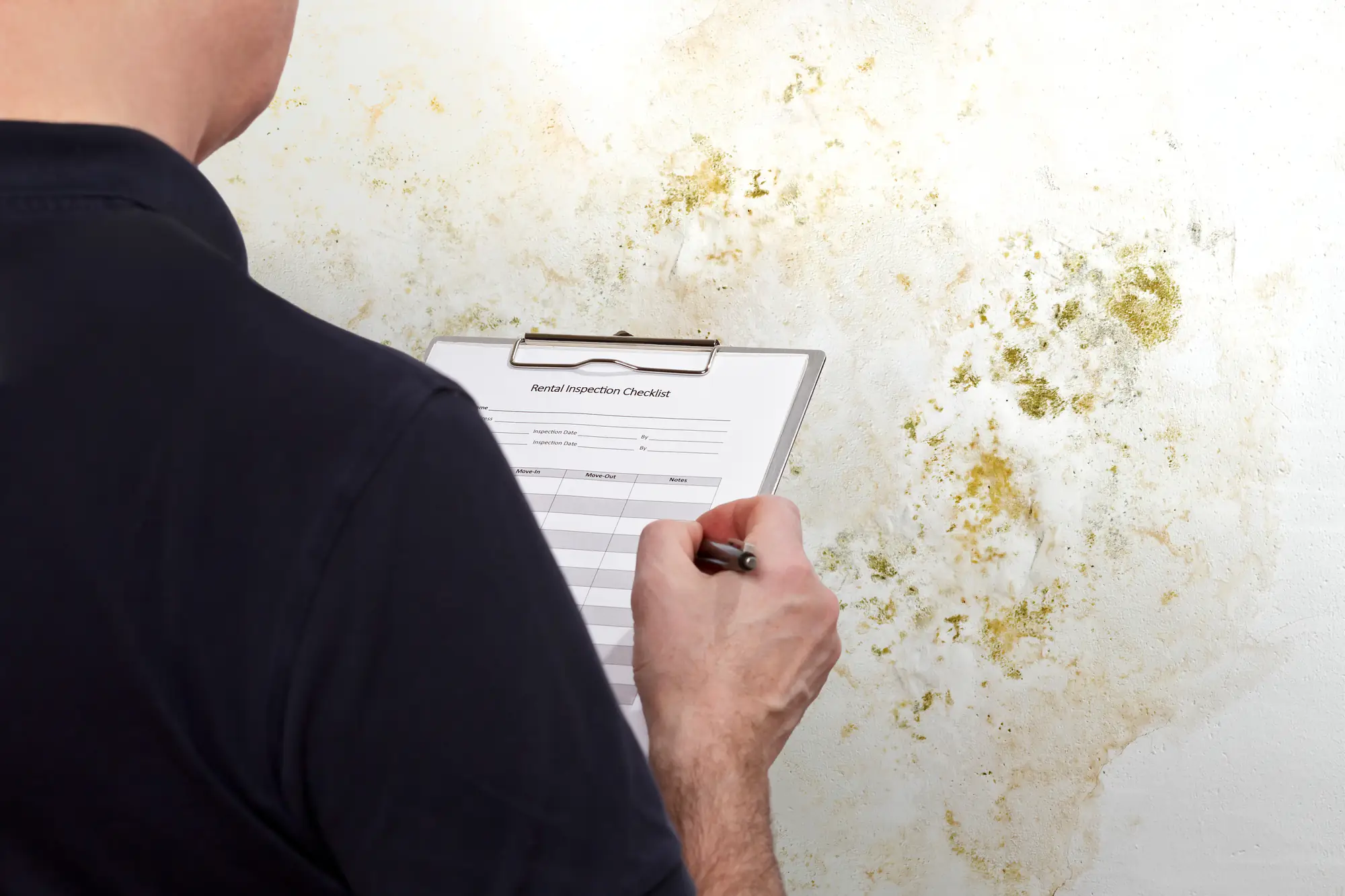
You can’t fix what you can’t see. That’s the problem with mold—it hides in walls, under floors, behind appliances, and in your attic. By the time you notice the musty smell or spot discoloration, it’s already been growing for weeks or months.
A proper mold inspection means you’re not guessing anymore. You know exactly what you’re dealing with, where it is, and how serious it’s gotten. That clarity matters when you’re trying to protect your family’s health and avoid watching a small issue turn into a five-figure remediation job.
Glenlake’s humidity doesn’t help. Pennsylvania summers push moisture into basements and crawl spaces, and older homes in the area weren’t always built with the ventilation needed to handle it. You’re not overreacting by getting an inspection. You’re being smart about what you can’t see yet.
We’ve been handling mold detection and removal across Bucks County for years. We’re not a general restoration company that does mold on the side. This is what we do, and we’ve seen every version of it—from minor bathroom moisture to full basement contamination.
We’re local to the area, which means we understand how homes in Glenlake are built and where problems typically start. Older construction, high water tables, and humid summers create patterns we recognize immediately. That experience helps us move faster and catch things other inspectors miss.
You’ll work with certified inspectors who use infrared cameras and moisture meters, not just flashlights and assumptions. And if we do find mold, we’ll walk you through what happens next without overselling or scaring you into services you don’t need.
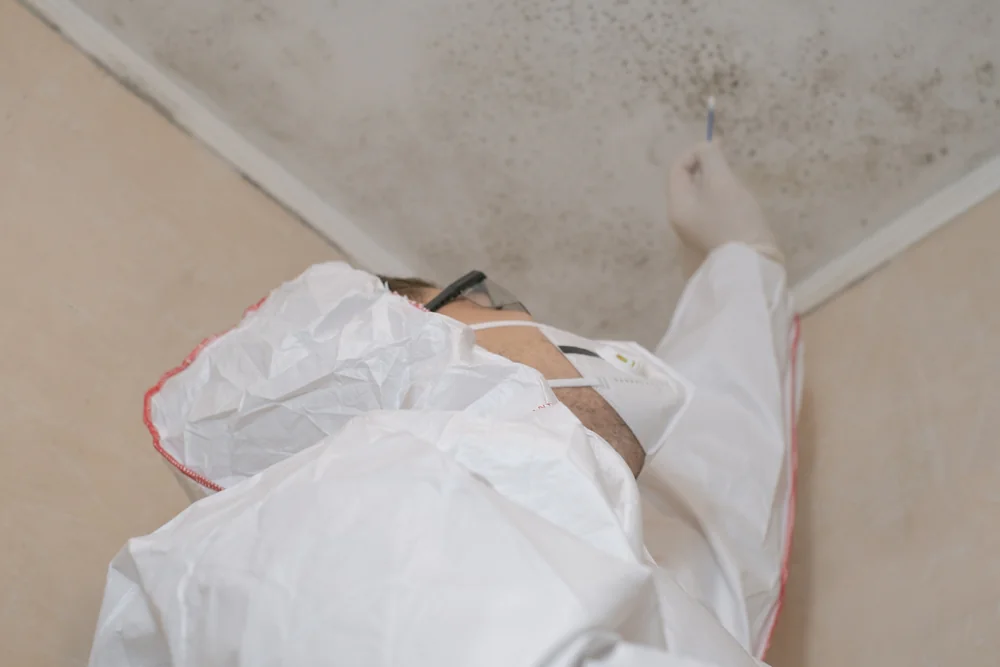
First, we walk through your home and talk about what you’ve noticed—smells, water damage, health symptoms, anything that made you call. That conversation tells us where to focus, but we still check the usual problem areas: basements, attics, bathrooms, kitchens, and anywhere water or humidity tends to collect.
We use infrared cameras to spot temperature differences that indicate moisture behind walls or ceilings. Mold needs moisture to grow, so finding wet areas means finding current problems or future ones. We also use moisture meters to measure how much water is actually in your building materials, which tells us if conditions are right for mold even if we don’t see it yet.
If we find visible mold or suspect hidden growth, we may recommend air quality testing or surface samples. That helps us identify what type of mold you’re dealing with and how widespread the issue is. Once the inspection is done, you get a detailed report that explains what we found, where we found it, and what needs to happen next. No jargon, no upselling—just clear information so you can make a decision.

Ready to get started?
Every mold inspection includes a full visual assessment of your property, moisture readings in key areas, and infrared scanning to detect hidden water intrusion. You’re not paying for someone to glance around with a flashlight. You’re getting technology that sees what the naked eye can’t.
If we identify mold or high-risk moisture levels, we’ll explain whether you need testing to determine the type and concentration. Not every situation requires lab work, but when it does, we handle the sampling and send it to a certified lab. You’ll receive results that show exactly what’s growing and at what levels.
Glenlake homes—especially older ones near the lake or with stone foundations—are prone to basement moisture and poor ventilation. Those conditions create perfect environments for mold, particularly in corners, behind stored items, and along exterior walls. We check those spots carefully because that’s where problems start. You’ll also get recommendations on how to prevent future growth, whether that means better ventilation, dehumidifiers, or addressing a water issue we found during the inspection.

If you smell something musty, see discoloration on walls or ceilings, or notice health symptoms like coughing or headaches that get worse at home, you probably need an inspection. Water damage is another big one—if you’ve had a leak, flood, or even just persistent condensation, mold is likely growing somewhere.
You should also consider an inspection if you’re buying a home in Glenlake, especially an older one. Basements and crawl spaces in this area are notorious for moisture issues, and sellers aren’t always aware of hidden mold. An inspection before closing can save you from inheriting someone else’s problem.
Even without obvious signs, an inspection makes sense if your home has high humidity, poor ventilation, or a history of water issues. Mold doesn’t announce itself until it’s already established. Catching it early means smaller repairs and fewer health risks.
A mold inspection is the full assessment—we walk through your home, check for visible mold, measure moisture levels, and use infrared technology to find hidden problems. It’s about identifying whether you have an issue and where it’s located.
Mold testing is more specific. It involves taking air samples or surface samples and sending them to a lab to identify the type of mold and measure concentration levels. Testing isn’t always necessary. If we find visible mold, we already know you have a problem, and the next step is removal, not lab work.
We recommend testing when you’re experiencing health symptoms but can’t find visible mold, when you want to verify that remediation was successful, or when you’re dealing with a dispute—like with a landlord or during a home sale. Testing gives you documentation and specifics, but the inspection is what finds the problem in the first place.
Most inspections take between one and two hours, depending on the size of your home and how many problem areas we find. A small condo with no visible issues will be faster than a large older home with a damp basement and attic moisture.
We’re not rushing through it. We’re checking everywhere mold typically grows—bathrooms, kitchens, basements, attics, crawl spaces, and around windows and doors. We’re also using equipment that takes time to get accurate readings. If we’re doing air or surface testing, that adds a bit more time for proper sampling.
You’ll get the inspection report within a day or two, and lab results—if we’re testing—usually come back within a few business days. We’ll walk you through the findings and explain what needs to happen next, so you’re not left waiting and wondering what it all means.
No. If we don’t find mold, we’ll tell you. If we find a small amount that you can handle yourself with proper cleaning, we’ll tell you that too. Our job is to give you accurate information, not to create work for ourselves.
That said, if we do find mold that requires professional remediation—because it’s widespread, it’s in your HVAC system, or it’s a toxic variety like black mold—we’ll explain why DIY isn’t safe or effective. We’ll also give you a clear scope of what removal involves and what it costs.
We’ve been doing this long enough to know that honesty keeps customers coming back and referring their neighbors. Overselling might work once, but it doesn’t build a reputation in a place like Glenlake where everyone knows everyone. You’ll get the truth, and then you can decide what makes sense for your situation and budget.
We offer free mold inspections, which includes the visual assessment, moisture readings, and infrared scanning. You’re not paying anything to find out whether you have a problem.
If we recommend lab testing to identify mold types or measure air quality, that’s a separate cost, usually between a couple hundred dollars depending on how many samples we take. We’ll explain whether testing is necessary before we do it, and you can decide if you want to move forward.
The reason we offer free inspections is simple—we’d rather you call and find out you’re fine than avoid calling and let a problem get worse. Early detection saves you money, and it gives us a chance to show you what we do without asking you to pay upfront. If you do need remediation, we’ll give you a clear estimate based on what we found, not inflated numbers based on worst-case scenarios.
Mold can come back if the moisture problem that caused it isn’t fixed. Removing mold treats the symptom, but if you still have a leaky pipe, poor ventilation, or water seeping into your basement, you’re just creating the same conditions that grew mold in the first place.
That’s why a good inspection identifies not just where the mold is, but why it’s there. We’ll tell you if you need to improve airflow, install a dehumidifier, fix a drainage issue, or repair a roof leak. Remediation without addressing the source is a temporary fix.
Once mold is properly removed and the moisture issue is solved, it shouldn’t come back. We also provide guidance on how to keep your home mold-free going forward—simple things like running exhaust fans, checking for leaks regularly, and keeping humidity levels below 60%. Prevention is a lot cheaper and easier than removal.
Other Services we provide in Glenlake