
Hear from Our Customers
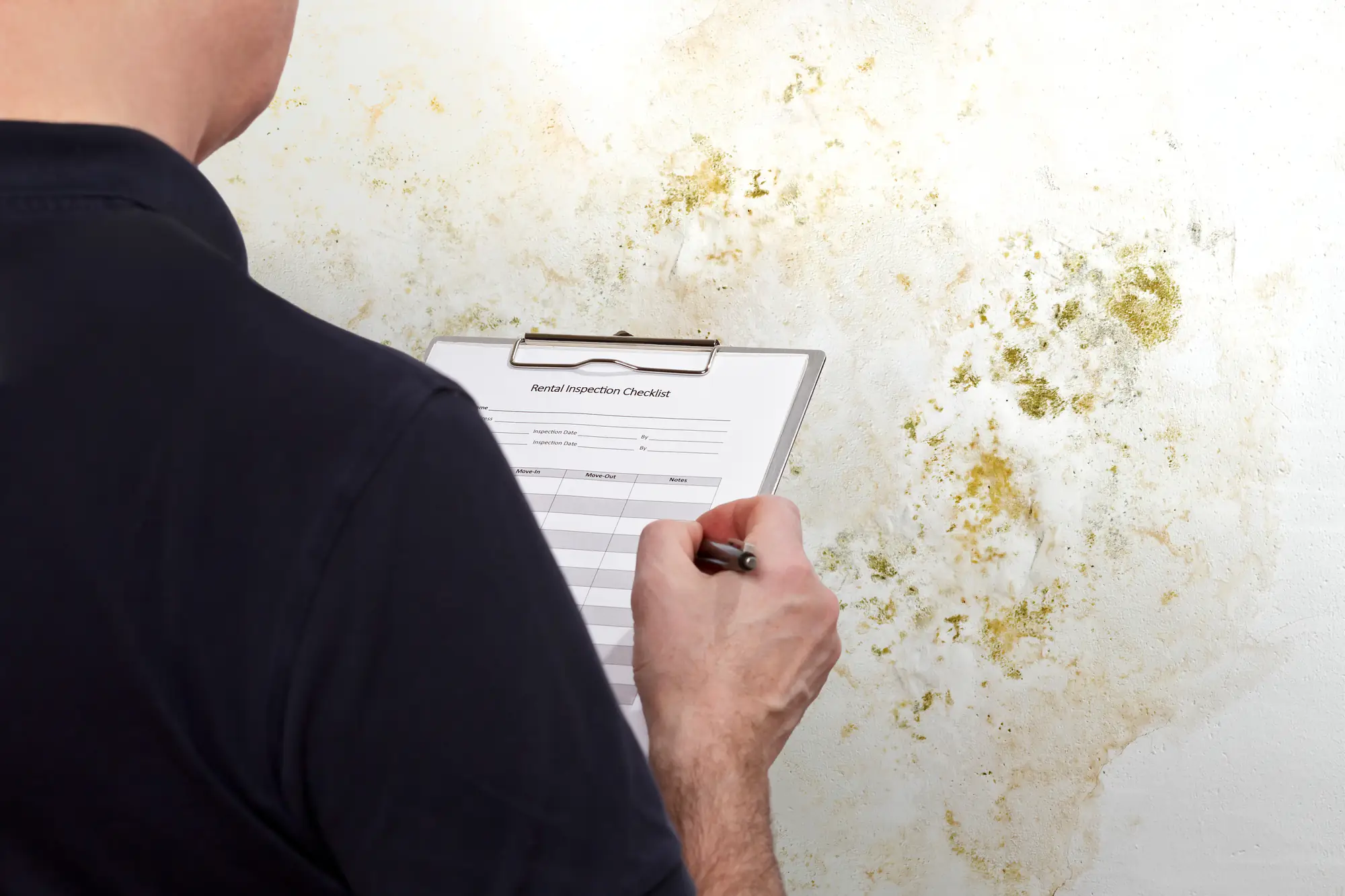
Most people don’t realize they have a mold problem until someone gets sick or they spot visible growth. By then, it’s already spread. A proper mold inspection gives you the full picture—what’s growing, where it’s hiding, and what’s feeding it.
We’re not just looking at the obvious spots. Mold grows in crawl spaces, inside walls, under flooring, and around HVAC systems. You can’t fix what you can’t find, and surface cleaning won’t stop it from coming back if the moisture source is still there.
After our inspection, you’ll know if you have a problem, how serious it is, and what needs to happen next. No guessing. No surprises later. Just clear information so you can make the right call for your home and your family.
We’ve been helping homeowners in Dunlap, PA and throughout Bucks County deal with mold for years. We know the area—the older homes, the basement moisture issues, the humidity that comes with living near the Delaware River.
We’re not trying to upsell you on services you don’t need. Our job is to tell you what’s actually happening in your home. Sometimes that means a small fix. Sometimes it means a bigger project. Either way, you’ll know the truth before you spend a dollar on remediation.
Our inspectors are certified, our equipment is calibrated daily, and our lab results come from independent third-party testing. We show up when we say we will, and we explain everything in plain language.
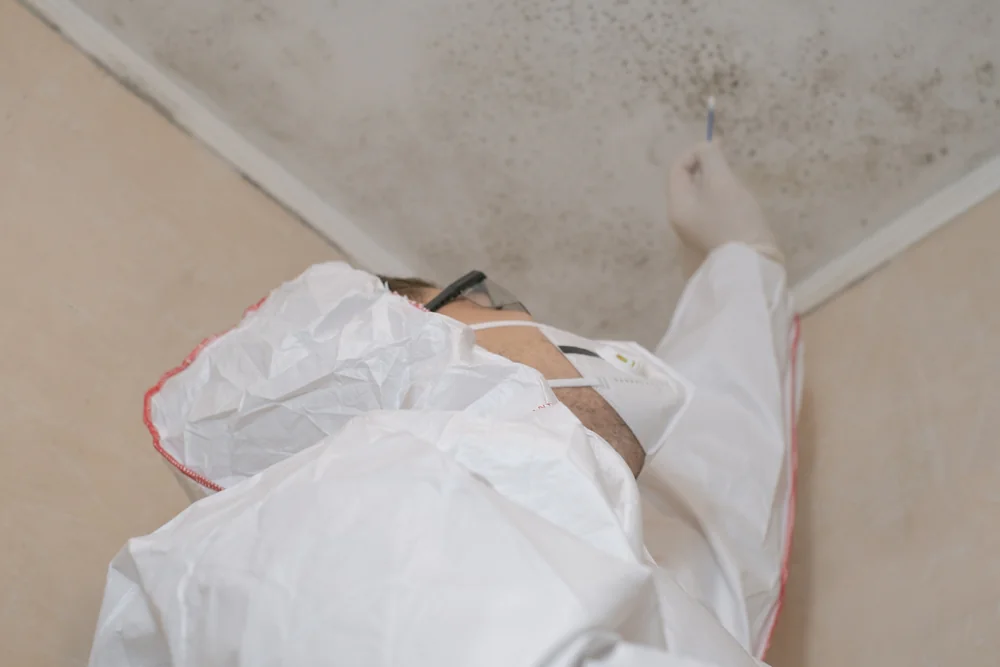
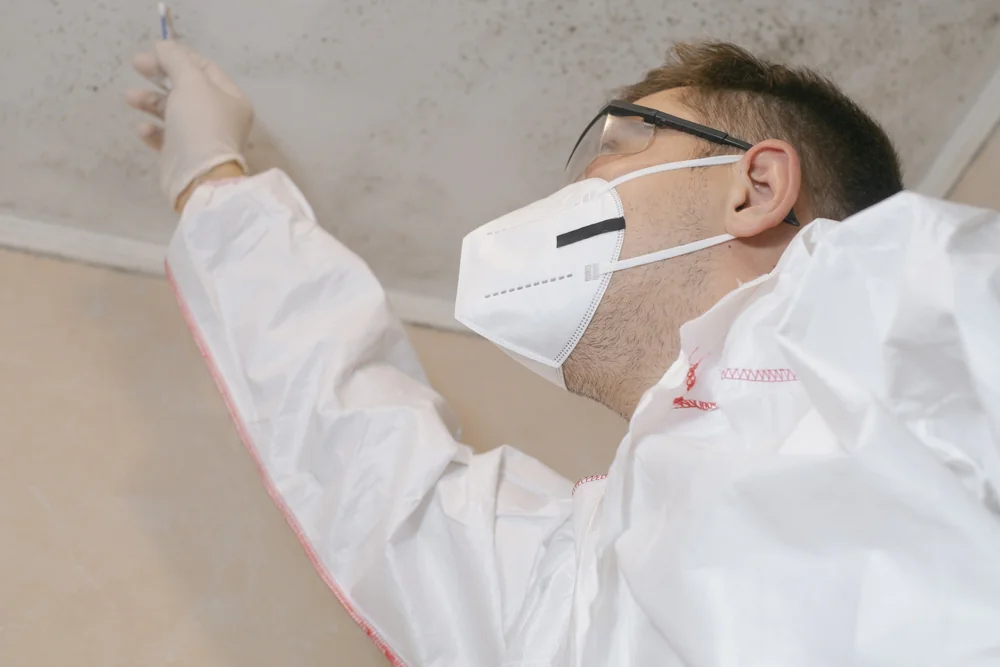
We start with a visual assessment of your entire property. That means checking basements, attics, crawl spaces, bathrooms, kitchens—anywhere moisture can hide. We’re looking for visible mold, water stains, condensation, and ventilation problems.
Next, we use thermal imaging cameras and moisture meters to detect issues you can’t see. These tools show us temperature differences and moisture levels inside walls and ceilings. If we find elevated readings, we know where to investigate further.
We collect air samples and surface samples from problem areas and send them to an independent lab for analysis. You’ll get a detailed report that identifies the type of mold, the concentration levels, and where it’s located. That report also explains what’s causing the growth—whether it’s a leaky pipe, poor ventilation, or foundation moisture.
Once you have the results, we walk you through what they mean and what your options are. If you need remediation, we’ll explain the scope and cost. If it’s something you can handle yourself, we’ll tell you that too.

Ready to get started?
Every inspection includes a full property walkthrough, moisture mapping with professional-grade meters, thermal imaging to detect hidden water intrusion, and air quality testing. We also take surface samples from any visible growth or suspicious areas.
All samples go to a certified lab that specializes in mold analysis. You’ll receive a written report with photos, lab results, moisture readings, and our recommendations. We don’t just hand you paperwork and leave—we explain what everything means and answer your questions.
Dunlap homes face specific challenges. Older properties often have stone foundations that let moisture seep through. Homes near wooded areas or with poor grading deal with water runoff. Basements that weren’t built with modern waterproofing standards are especially vulnerable. We’ve seen it all, and we know what to look for in this area.
If you’re buying a home, our inspection gives you leverage. If the seller didn’t disclose mold, you can renegotiate or walk away. If you’re already living here and dealing with health symptoms or musty odors, our testing confirms whether mold is the culprit.
Most mold inspections in Dunlap range from $300 to $600 depending on the size of your home and how many samples we need to collect. A typical single-family home with a basement usually falls in the middle of that range.
The cost covers the inspection itself, lab analysis for air and surface samples, moisture readings, thermal imaging, and a detailed written report. If you’re buying a home and your general inspector found signs of moisture or mold, a dedicated mold inspection is worth the investment. General home inspectors aren’t trained to identify mold species or measure spore concentrations—that requires specialized equipment and lab testing.
Some companies offer free inspections, but they’re often tied to remediation services. We charge for inspections because we’re giving you unbiased information, not trying to sell you a cleanup job you may not need.
A mold inspection is the full process—visual assessment, moisture detection, thermal imaging, and identifying problem areas. Mold testing is the lab work that tells you what type of mold is present and how much of it is in the air or on surfaces.
You need both to get the complete picture. The inspection finds where mold is growing and what’s causing it. The testing confirms whether it’s a harmful species like black mold (Stachybotrys) or something less concerning. It also measures spore counts, which helps determine how serious the contamination is.
Some people want testing without an inspection, but that’s like getting bloodwork without seeing a doctor. The numbers don’t mean much without context. We do both because that’s the only way to give you accurate information and a real solution.
Home test kits can tell you if mold is present, but they can’t tell you where it’s coming from, what’s feeding it, or how to fix it. They also don’t measure moisture levels or detect hidden growth inside walls or under floors.
Most DIY kits only test one or two areas, so if you miss the actual problem spot, the results won’t help. Professional air sampling captures spore counts throughout your home, and our equipment finds moisture sources you’d never locate on your own.
If you’re trying to save money, a home kit might seem appealing. But if you’re dealing with health symptoms, buying a house, or trying to figure out why mold keeps coming back, you need a real inspection. Otherwise you’re guessing, and mold problems don’t get better when you guess.
Most inspections take two to three hours depending on the size of your home and how many areas we need to check. Larger homes or properties with multiple moisture issues take longer.
We’re not rushing through it. We’re checking every room, using thermal cameras to scan walls and ceilings, taking moisture readings in problem areas, and collecting samples for lab analysis. If you have a crawl space or attic, we’re going in there too.
Lab results usually come back within three to five business days. Once we have them, we’ll schedule a follow-up call or meeting to go over the findings and explain what happens next. If it’s urgent, some labs offer expedited testing for an additional fee.
Yes. That’s the whole point of using professional equipment. Mold grows in places you’d never think to check—inside wall cavities, under vinyl flooring, behind drywall, in HVAC ducts, and under insulation.
Our thermal imaging cameras detect temperature differences that indicate moisture or airflow problems. Moisture meters measure humidity levels inside building materials. Air sampling picks up elevated spore counts even when there’s no visible growth.
Plenty of homes in Dunlap have hidden mold because of old stone foundations, poor ventilation, or slow leaks that went unnoticed for months. You might not see it or smell it, but it’s still affecting your indoor air quality. That’s why people call us after they’ve been dealing with allergies, headaches, or respiratory issues that won’t go away.
If we find mold, we’ll explain where it is, what type it is based on lab results, and what’s causing it to grow. Then we’ll walk you through your options.
Small areas of surface mold caused by condensation or a minor leak might be something you can handle yourself once the moisture problem is fixed. Larger infestations, black mold, or growth inside walls usually require professional remediation.
We’ll give you a clear scope of work and an upfront cost estimate if remediation is needed. We also work with insurance companies, so if your policy covers mold damage, we’ll help you navigate that process. You’re not locked into using us for cleanup—you can take our report to any remediation company. But if you want us to handle it, we’ll take care of everything from start to finish.
Other Services we provide in Dunlap