
Mold Inspection in Lower Makefield, PA

Find Hidden Mold Before It Damages Your Home

We use infrared cameras and moisture meters to detect mold growing behind your walls, under floors, and in spaces you can’t see.
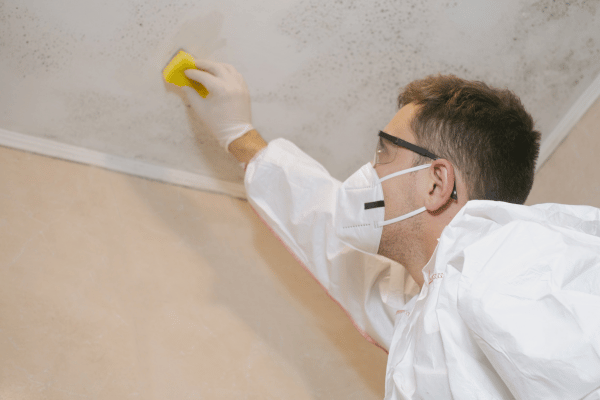
Protective worker in safety suit inspecting or treating mold spots on an indoor ceiling, addressing moisture damage and potential mold growth inside a building.

Hear from Our Customers

Professional Mold Detection in Lower Makefield

Stop Worrying About What's Growing in Your Walls

That musty smell in your basement isn’t normal. Your kids’ allergies getting worse at home isn’t a coincidence. And that water issue you had six months ago didn’t just dry up and disappear.

Mold grows in places you can’t see. Behind drywall. Under carpets. In crawl spaces and attics. By the time it’s visible, it’s already spread. And in Lower Makefield, where older homes and humid summers create perfect conditions, hidden mold is more common than most homeowners realize.

A proper mold inspection doesn’t just look at what’s obvious. It finds the source. It measures moisture levels. It tests air quality. And it gives you a clear answer about whether mold is affecting your home and your family’s health. No guessing. No waiting until the problem gets worse.

Trusted Mold Inspection Company Serving Lower Makefield

We Know Lower Makefield Homes and Their Mold Problems

We’ve been inspecting and treating homes across Bucks County for years. We understand how Lower Makefield’s climate and housing stock create mold issues that other areas don’t face.

Many homes here were built decades ago, before modern moisture barriers and ventilation standards. Basements leak. Crawl spaces stay damp. Attics trap humidity. These aren’t design flaws—they’re just realities of older construction in Pennsylvania’s climate.

We’ve inspected hundreds of homes in Lower Makefield. We know where mold hides, what causes it, and how to find it before it becomes a bigger problem. Our inspections are thorough, our equipment is professional-grade, and our approach is straightforward. No scare tactics. Just honest assessment and clear next steps.

Protective worker collecting a mold sample from a stained indoor ceiling using a swab, inspecting moisture damage and potential mold growth inside a building.

Our Mold Inspection Process in Lower Makefield

Here's Exactly What Happens During Your Inspection

We start with a visual assessment of your home, focusing on areas where mold typically grows—basements, bathrooms, kitchens, attics, and anywhere you’ve had water damage or moisture issues. We’re looking for visible mold, water stains, discoloration, and conditions that support mold growth.

Next, we use infrared cameras to detect temperature differences in your walls and ceilings. Cold spots often indicate moisture trapped behind surfaces. We also use moisture meters to measure water content in building materials. High readings tell us where mold is likely growing, even if we can’t see it yet.

If we find concerning areas, we take samples. Surface samples from visible growth. Air samples to measure spore concentration. These get sent to a lab for analysis, which tells us exactly what type of mold is present and how severe the contamination is. Within a few days, you get a detailed report with findings, lab results, and our recommendations. If remediation is needed, we explain what’s involved, how long it takes, and what it costs. If your home is clear, you have documentation proving it.

Home interior with mold remediation in progress as a worker sprays treatment on a wall using a ladder, while a resident relaxes on a covered sofa in a renovated living room.

Ready to get started?

Explore More Services

About Mack's Mold Removal

What's Included in Our Mold Inspection Services

You Get More Than Just a Walkthrough

Every mold inspection includes a full visual assessment of your property, moisture readings in key areas, infrared scanning to detect hidden water issues, and air quality testing when needed. We document everything with photos and detailed notes.

Lower Makefield homes face specific challenges. Older basements with stone foundations often have moisture seeping through walls. Crawl spaces under additions stay damp year-round. Bathrooms with outdated ventilation trap humidity. We know what to look for because we’ve seen these issues repeatedly in homes throughout Bucks County.

After the inspection, you receive a written report explaining what we found, where moisture or mold is present, and what’s causing it. If remediation is necessary, we provide a detailed estimate. If your insurance covers mold damage, we help with documentation and claims. And if your home is clear, you have proof for buyers, tenants, or your own peace of mind. The inspection typically takes one to two hours, depending on your home’s size and the extent of any issues we find.

How much does a mold inspection cost in Lower Makefield, PA?

We offer free mold inspections for Lower Makefield homeowners. Most companies charge between $300 and $600 for a basic inspection, and more if lab testing is involved. We don’t charge for the initial assessment because we’d rather spend that time finding the problem and explaining your options.

If lab testing is necessary—which it often is when mold type needs to be identified for health or insurance reasons—those samples typically run $50 to $150 each depending on the type of test. We only recommend lab work when it’s actually useful, not as a default.

The inspection itself has no cost. If remediation is needed and you choose to move forward with us, that work is separate and priced based on the scope of the project. But you’re not paying hundreds of dollars just to find out whether you have a problem.

The most obvious sign is visible mold—black, green, or white patches on walls, ceilings, or around windows. But visible growth is usually a late-stage indicator. Earlier signs include a persistent musty or earthy smell, especially in basements, bathrooms, or closets. That smell is mold releasing spores.

Health symptoms are another red flag. If your allergies, asthma, or sinus issues get worse at home and improve when you leave, mold could be the cause. Unexplained coughing, sneezing, headaches, or fatigue that seems tied to being indoors often points to poor air quality from mold spores.

Water damage history matters too. If you’ve had a leak, flood, or even just persistent condensation, mold likely started growing within 24 to 48 hours. Even if the area dried out, mold can remain dormant or continue spreading in hidden spaces. Peeling paint, warped floors, water stains, and soft drywall are all signs that moisture is present—and where there’s moisture, there’s usually mold.

Most inspections take one to two hours depending on your home’s size and how many problem areas we find. A small home with one suspected area might take 45 minutes. A larger home with a basement, attic, and multiple bathrooms could take closer to two hours.

We’re not rushing through. We’re checking moisture levels, scanning with infrared, taking photos, and documenting conditions. If we need to collect samples for lab testing, that adds a bit more time but usually not more than 15 to 20 minutes.

After the inspection, we’ll walk you through what we found before we leave. You don’t have to wait days for a report to understand the situation. If there’s mold, we explain where it is and what likely caused it. If remediation is needed, we discuss next steps and timing. The written report with photos and lab results (if applicable) typically follows within a few days.

You can check for visible mold and obvious moisture issues on your own, and you should. Look in bathrooms, under sinks, around windows, in the basement, and anywhere you’ve had leaks. If you see mold or smell it, you’ve confirmed there’s a problem.

But DIY inspections miss hidden mold. You can’t see inside walls, under flooring, or in HVAC ducts without the right equipment. Moisture meters and infrared cameras aren’t standard household tools, and they’re what actually find mold before it becomes visible. Home test kits from hardware stores are mostly useless—they’ll tell you mold spores are present, which is true in virtually every home, but they won’t tell you if you have a contamination problem or where it’s located.

A professional mold inspection is worth it when you’re dealing with health symptoms, past water damage, musty odors, or buying and selling a home. We find the mold you can’t see, identify the moisture source feeding it, and give you a clear plan. Trying to remediate mold without knowing the full extent of the problem usually means it comes back.

If we find mold, we first determine how extensive it is and what’s causing it. Small areas of surface mold—like a patch on bathroom caulking—are minor and often easy to address. Larger areas, hidden mold, or mold caused by ongoing moisture issues require professional remediation.

We’ll explain what needs to happen next. That includes identifying and fixing the moisture source, containing the affected area to prevent spores from spreading, removing contaminated materials, treating surfaces, and verifying the mold is gone. We provide a written estimate that breaks down the work and timeline.

If your homeowner’s insurance covers mold remediation, we help with the claim process and documentation. Many policies cover mold if it resulted from a covered event like a burst pipe, though coverage varies. If you’re selling your home, we can work with your timeline. If you’re buying, the inspection report gives you leverage to negotiate repairs or price. The key is that you’ll know exactly what the problem is and what it takes to fix it before making any decisions.

Black mold—typically Stachybotrys chartarum—gets a lot of attention because it can produce mycotoxins that affect health. But from an inspection standpoint, we treat all mold seriously. The process doesn’t change based on color. We still use the same equipment, take the same measurements, and follow the same protocols.

What does change is how we handle it if lab results confirm toxic mold. Remediation becomes more careful. Containment is stricter. Disposal follows specific guidelines. But you won’t know if it’s actually Stachybotrys without lab testing—plenty of black-colored molds aren’t toxic, and some toxic molds aren’t black.

The inspection itself identifies whether mold is present, where it’s growing, and what conditions are supporting it. If the mold appears extensive or you’re experiencing health symptoms, we recommend lab testing to identify the species. That information helps determine the remediation approach and gives you documentation for insurance or health providers. But the inspection process is the same regardless of what color the mold appears to be.

Other Services we provide in Lower Makefield