
Hear from Our Customers
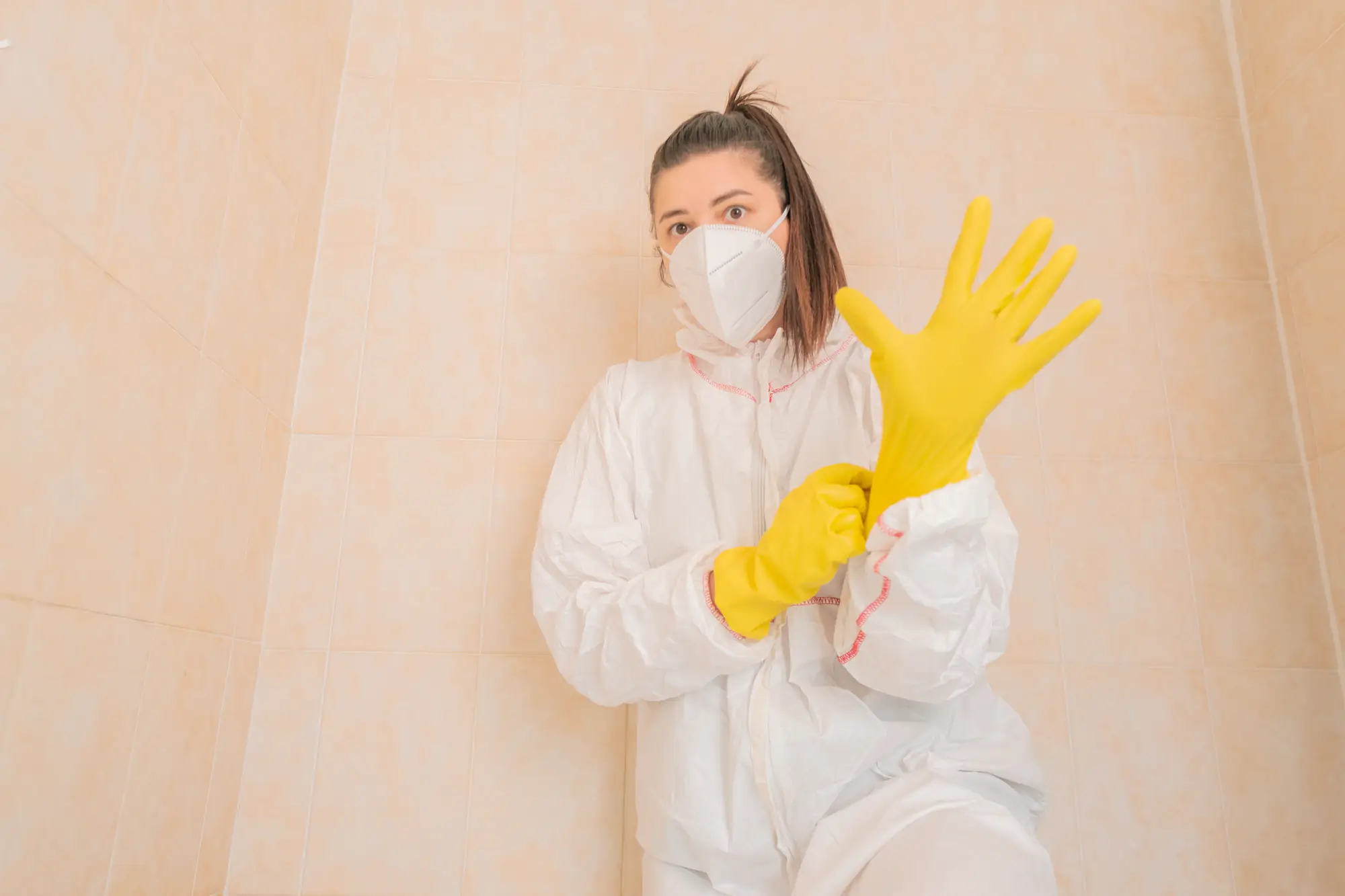
You stop worrying about what’s growing behind your walls. The musty smell disappears. Your family breathes easier, especially if anyone deals with asthma or allergies.
When mold gets removed the right way, the problem doesn’t come back in six months. You’re not repainting the same wall or replacing drywall again. Your home value stays protected because there’s no hidden damage eating away at your investment.
Real mold remediation means identifying where the moisture is coming from—not just scrubbing what you can see. It means containment so spores don’t spread to clean areas during removal. It means HEPA filtration, antimicrobial treatment, and documentation you can hand to your insurance company if needed.
You get your home back without the health risks or the recurring repair bills.
We’ve served Lower Makefield and Bucks County since 1998. We’re certified in residential and commercial mold inspection, testing, and removal—and every job we complete is backed by a 5-year mold-free warranty.
Lower Makefield’s humid climate and older housing stock create perfect conditions for mold growth. We’ve seen it in crawl spaces, behind shower tiles, under hardwood floors, and in HVAC systems. We know what to look for and how to fix it properly.
You’re not getting a crew that shows up, sprays bleach, and calls it done. You’re working with trained technicians who follow EPA-compliant processes and actually solve the problem at the source.
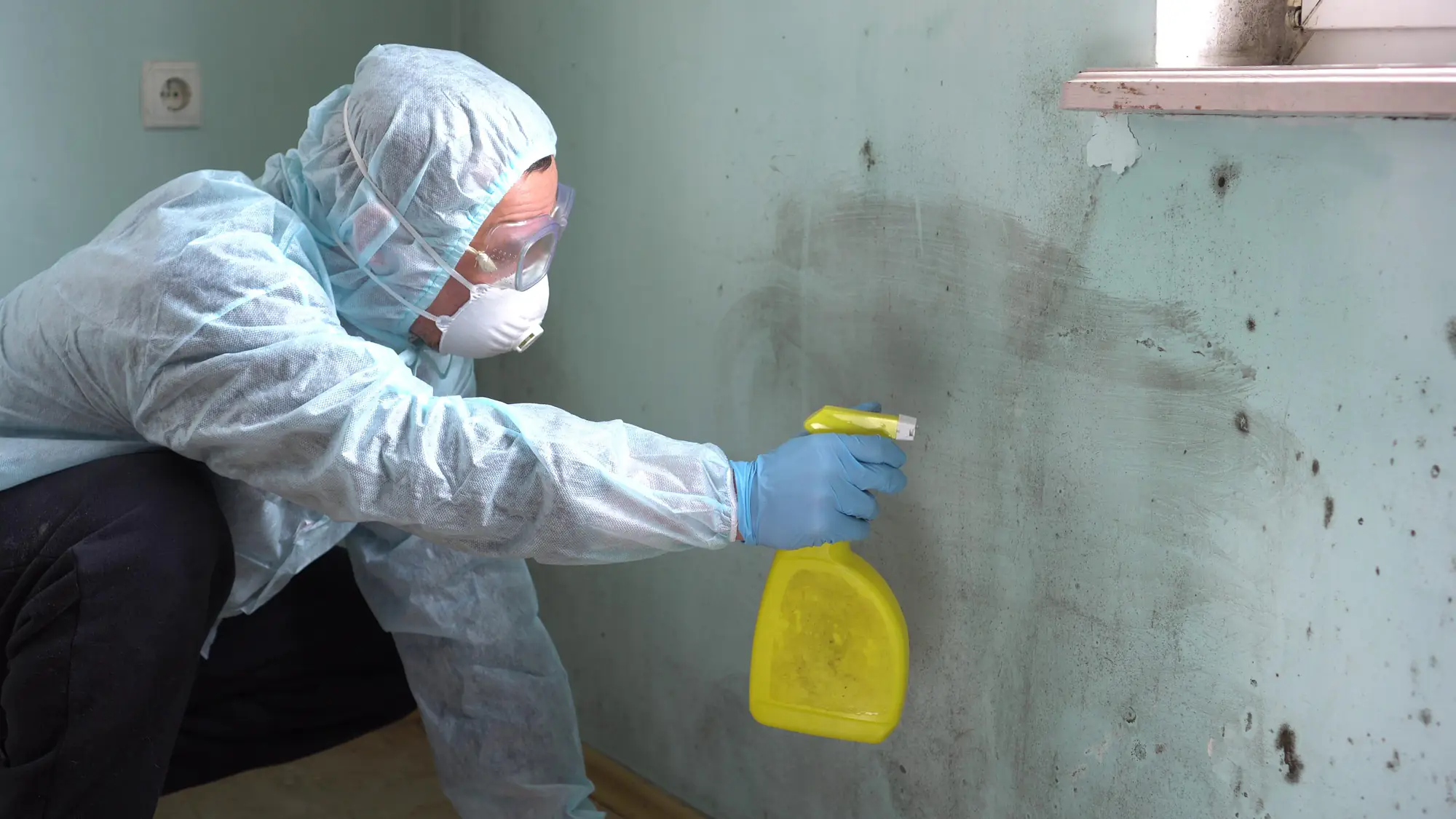
First, we inspect your property with moisture meters and infrared cameras to find hidden mold and identify where water is getting in. You can’t fix mold without fixing the moisture source—so that’s where we start.
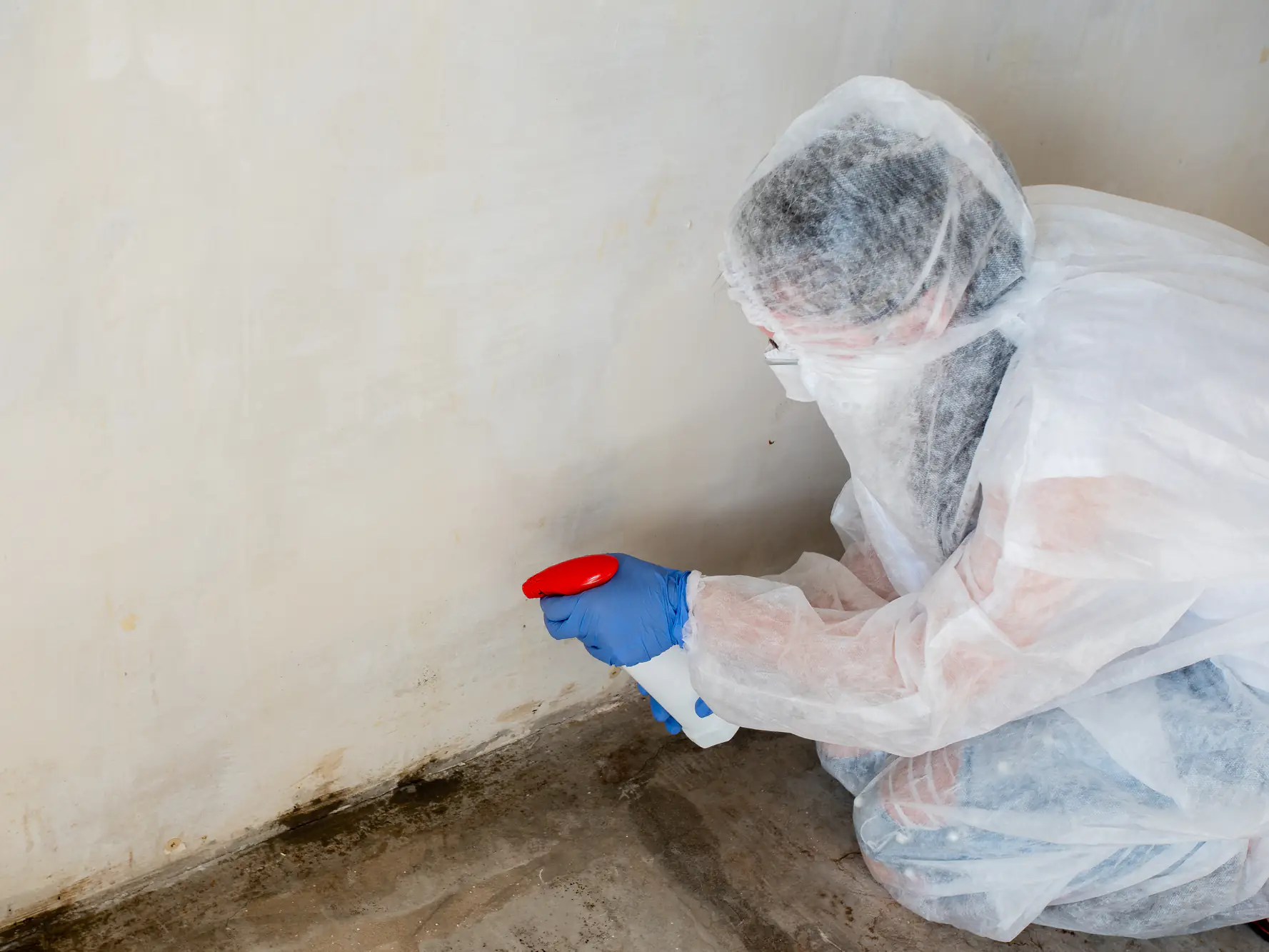
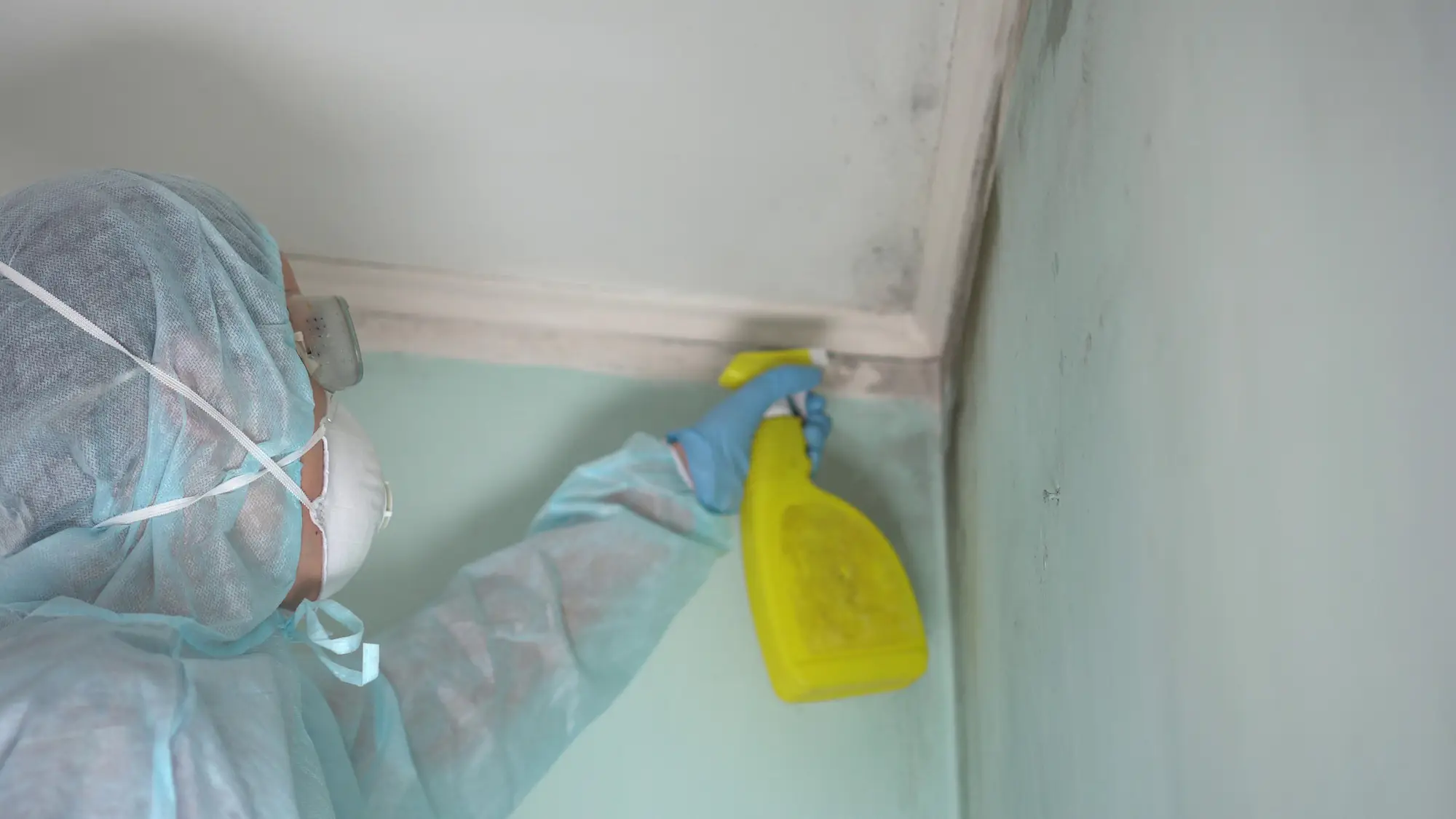
Next, we contain the affected area with physical barriers and negative air pressure systems. This keeps mold spores from spreading to other parts of your home during removal. Then we remove contaminated materials safely and treat surfaces with antimicrobial solutions.
After removal, we use HEPA filtration to clean the air and verify that spore counts are back to normal levels. We also address the underlying issue—whether that’s a leaky pipe, poor ventilation, or a drainage problem. Finally, we document everything and provide you with a detailed report you can use for insurance claims or future home sales.
The whole process typically takes 3-5 days depending on the extent of the damage. You’ll know exactly what to expect before we start.
Ready to get started?
You get a full inspection with moisture mapping and mold testing to identify the type and extent of contamination. This matters because black mold requires different handling than surface mildew.
We handle containment, removal, air filtration, and antimicrobial treatment. We also fix the moisture problem—whether that means sealing a foundation crack, improving ventilation, or recommending gutter repairs. If we don’t address what caused the mold, you’ll be dealing with it again in a few months.
In Lower Makefield, we see a lot of mold issues tied to basement moisture and HVAC condensation—both common in homes with finished basements and central air systems running through humid Pennsylvania summers. Knowing the local patterns helps us solve problems faster and more thoroughly.
Every job includes documentation for insurance purposes and a 5-year warranty. If mold comes back in the treated area within five years, we’ll handle it at no additional cost.

Most residential mold remediation projects in Lower Makefield run between $1,500 and $6,000 depending on the size of the affected area and how much material needs to be removed. Small bathroom jobs might cost less. Whole-basement or crawl space projects with structural damage cost more.
The price includes inspection, containment, removal, air filtration, antimicrobial treatment, and fixing the moisture source. If your homeowners insurance covers the damage—and many policies do if it’s tied to a sudden pipe leak or storm damage—your out-of-pocket cost could be significantly lower.
We provide a detailed estimate after the initial inspection so you know exactly what you’re paying for. No surprises, no upselling. Just a clear breakdown of what needs to happen and what it costs.
If it’s a tiny patch of surface mold on a non-porous surface—like a bit of mildew on a tile wall—you can probably handle it yourself with proper ventilation and protective gear. But if the affected area is larger than 10 square feet, if you smell mold but can’t see it, or if it’s growing on porous materials like drywall or insulation, you need professional help.
DIY mold removal usually fails because it doesn’t address the moisture source. You might scrub away what you can see, but if water is still getting in, the mold will be back within weeks. Worse, disturbing mold without proper containment spreads spores throughout your home.
We use containment barriers, negative air pressure, and HEPA filtration to prevent cross-contamination. We also have the tools to find hidden mold behind walls and under floors—places you can’t reach with a spray bottle and sponge. If you’re dealing with black mold or have anyone in your household with asthma or immune issues, professional removal isn’t optional.
Most residential mold removal projects take 3-5 days from start to finish. Smaller jobs—like a single bathroom or closet—might be done in 1-2 days. Larger projects involving multiple rooms, structural repairs, or extensive water damage can take a week or more.
The timeline depends on how much mold is present, where it’s located, and how long it takes for treated areas to dry completely. We can’t rush the drying process or you’ll end up with mold again.
During remediation, the affected area is sealed off so you can still use the rest of your home. We’ll give you a clear timeline before we start so you can plan accordingly. If it’s an emergency situation—like mold growth after a flood—we offer 24/7 response and can start containment immediately.
Not if the moisture problem gets fixed. Mold needs water to grow. Remove the water source and mold can’t survive.
That’s why our process includes identifying and repairing whatever caused the mold in the first place—whether it’s a plumbing leak, poor ventilation, foundation seepage, or condensation buildup. If we only remove the mold without addressing why it grew there, you’ll see it again within months.
We back every job with a 5-year mold-free warranty on treated areas. If mold returns in a spot we remediated, we’ll come back and handle it at no charge. That warranty only works because we fix the root cause, not just the symptoms. Most mold problems don’t come back when they’re handled correctly the first time.
It depends on what caused the mold. Most Pennsylvania homeowners insurance policies cover mold remediation if the mold resulted from a covered peril—like a sudden pipe burst, storm damage, or appliance malfunction. They typically don’t cover mold caused by long-term neglect, poor maintenance, or gradual leaks you should have noticed and fixed.
The key is documentation. Insurance companies want to see proof of what happened, when it happened, and what steps were taken to mitigate damage. We provide detailed reports, photos, and moisture readings that support your claim.
We work directly with insurance adjusters and can help you navigate the claims process. Many of our Lower Makefield clients have successfully gotten their mold remediation covered, either fully or partially. Even if insurance doesn’t cover it, addressing mold quickly prevents far more expensive structural repairs down the road.
Mold removal means getting rid of visible mold growth. Mold remediation means returning mold levels to normal, natural levels and preventing it from coming back. Remediation is the more accurate term because you can’t remove every single mold spore from a building—mold spores exist everywhere in the environment.
The goal isn’t zero mold. The goal is reducing mold to safe levels and eliminating the conditions that allow it to grow out of control. That’s why professional mold remediation includes moisture control, containment, air filtration, and source repair—not just scrubbing moldy surfaces.
When you hire mold removal experts, you should be getting full remediation: inspection, testing, containment, removal, treatment, air quality restoration, and prevention. If someone offers to just “remove the mold” without addressing moisture or testing air quality afterward, that’s not a complete job. You want remediation, not just removal.
Other Services we provide in Lower Makefield