
Hear from Our Customers
You’re not looking for a science project. You want to know if your home’s air is safe, what’s causing the problem, and what to do about it.
That’s what a professional air quality testing service gives you. We test for mold spores, allergens, and contaminants that you can’t see or smell. Then we hand you a report that makes sense—no jargon, no guessing, just clear information about what’s in your air and what comes next.
Most people call us because someone in the house won’t stop coughing, or allergies are worse indoors than out. Sometimes it’s a musty smell that won’t go away. Other times, it’s just a gut feeling that something’s off. Whatever brings you here, testing gives you control. You’ll know if the problem is real, where it’s coming from, and whether you need to act now or just keep an eye on things.
We’ve been serving Lower Makefield and the surrounding Bucks County area since 2013. We’re certified mold inspectors who understand how Pennsylvania’s humid summers and temperature swings create the perfect conditions for mold growth and air quality issues.
We’re not here to scare you into unnecessary work. We test, we report, and we tell you the truth about what we find. If your air is fine, we’ll tell you that too.
Our team uses infrared cameras, calibrated moisture meters, and lab-tested air samples to give you accurate results. Every report is reviewed, easy to read, and delivered within three business days so you’re not left waiting and wondering.

First, we walk through your home and talk about what you’ve noticed—symptoms, smells, visible issues, or just concerns. That conversation helps us know where to focus and what to test for.
Next, we collect air samples from different areas of your home using calibrated equipment. We also check surfaces, moisture levels, and use infrared imaging to find hidden problems behind walls or in crawl spaces. The whole process usually takes about an hour, depending on the size of your home.
After we collect samples, they go to an independent, accredited lab for analysis. We don’t run our own tests because third-party results are more reliable and hold up better if you ever need them for insurance or real estate purposes. Once the lab sends results back, we put together a report that explains what we found, what it means for your health, and what your options are. No pressure, no upselling—just information you can use to make the right call for your family.
Ready to get started?
Every residential air quality testing appointment includes a full visual inspection, air sampling from multiple rooms, surface testing where needed, and moisture detection using professional-grade tools. We’re looking for mold spores, allergens, dust mites, and other airborne contaminants that affect how you feel in your own home.
In Lower Makefield, we see a lot of issues tied to humidity. Homes near the Delaware River or with poor ventilation tend to trap moisture, especially during summer. That moisture feeds mold growth in basements, bathrooms, and around HVAC systems. If your AC runs constantly in July and August, you’re creating condensation—and that’s a recipe for problems you won’t see until they’re expensive.
We also test for particulate matter that gets stirred up by everyday life—pet dander, pollen that drifts in through windows, and dust that settles in ductwork. These aren’t always dangerous, but if someone in your house has asthma or allergies, they’re worth identifying. Once you know what’s in your air, you can take steps to filter it out, improve ventilation, or address the source. That’s the whole point—giving you enough information to make your home healthier without guessing.
You don’t need a test just because it’s been a few years. You need one if something feels off.
Start with symptoms. If anyone in your house is dealing with persistent coughing, sneezing, headaches, or allergy symptoms that get better when they leave the house, that’s a red flag. Same goes for unexplained fatigue or trouble sleeping. Indoor air pollution can cause all of that, and it’s often worse than outdoor air because contaminants get trapped inside.
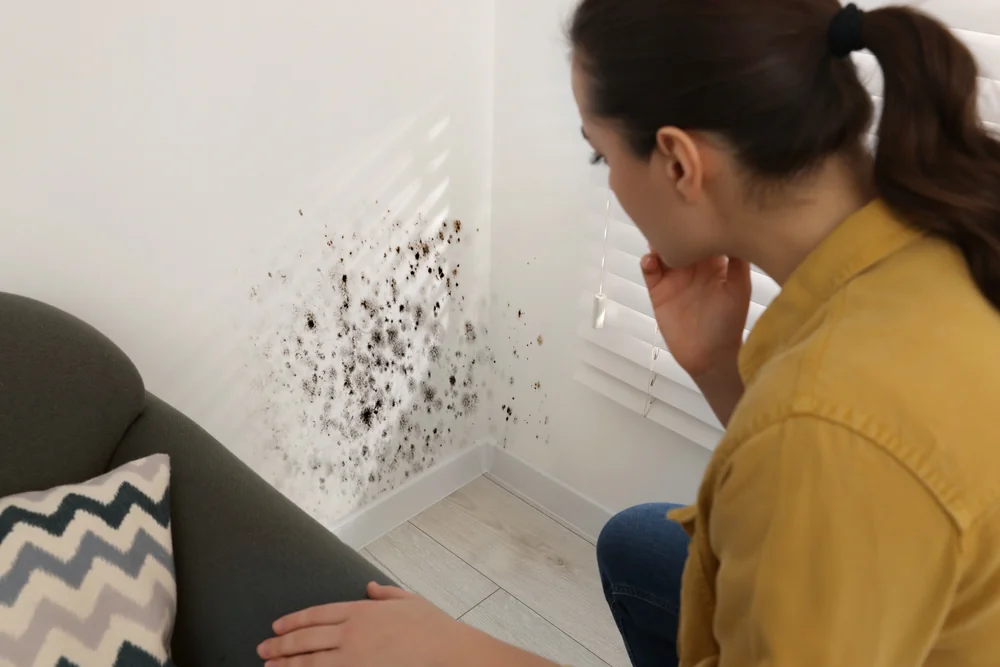
Next, look for visible signs. Musty odors, water stains, condensation on windows, or any past flooding or leaks all point to potential mold or moisture issues. Even if you cleaned up the water, mold can grow behind walls or under flooring where you can’t see it. If you’re buying or selling a home in Lower Makefield, a mold air test is also a smart move—it protects everyone involved and prevents surprises down the road.
A mold air test is focused specifically on mold spores—how much is in the air, what type, and whether it’s at levels that could affect your health. An indoor air quality test is broader. It looks at mold, but also allergens, dust, particulate matter, and sometimes gases like radon or carbon monoxide depending on what you’re concerned about.
Most people who call us for air quality testing are worried about mold, so we always include that. But if your main issue is allergies or respiratory problems, we’ll test for other airborne irritants too. The equipment and process are similar—we’re collecting air samples and sending them to a lab—but the scope of what we’re analyzing changes based on what you need.
If you’re not sure which test makes sense, just tell us what’s happening in your home. We’ll recommend the right approach based on your situation, not what costs more.
You’ll have your full report within three business days after we collect samples. That’s the standard turnaround from the lab, and we don’t sit on results once they come in.
The actual testing appointment takes about an hour, sometimes a little longer if your home is large or we’re checking multiple areas. We’re not rushing through it, but we’re also not dragging it out. Once we collect air and surface samples, they go straight to an accredited third-party lab that specializes in environmental testing.
When the lab sends results back, we review them and put together a report that explains what we found in plain language. You’ll see contamination levels, comparisons to outdoor air or industry standards, and recommendations for next steps if anything needs attention. We’ll walk you through the report over the phone or in person if you want, and you can ask as many questions as you need. The goal is for you to understand what’s in your air and feel confident about what to do next.
Standard air quality testing focuses on biological contaminants—mold, allergens, particulates—but we can absolutely test for carbon monoxide and radon if that’s a concern. Those require different equipment and methods, so it’s helpful to mention it when you call.
Radon is a big deal in Pennsylvania. It’s a naturally occurring radioactive gas that seeps into homes through cracks in foundations, and it’s the second leading cause of lung cancer in the U.S. You can’t see it, smell it, or taste it, so testing is the only way to know if it’s present. Radon levels vary widely even within Lower Makefield, so your neighbor’s results don’t tell you anything about your home.
Carbon monoxide is less common but just as dangerous. It usually comes from malfunctioning furnaces, water heaters, or other fuel-burning appliances. If you’ve got gas heat or an attached garage, it’s worth checking. Both radon and carbon monoxide tests are straightforward, and if levels are high, there are proven ways to reduce them. It’s not something to panic about, but it’s also not something to ignore.
First, don’t panic. Finding mold or elevated contaminant levels doesn’t mean your house is unlivable or that you’re in immediate danger. It just means you have information you didn’t have before, and now you can address it.
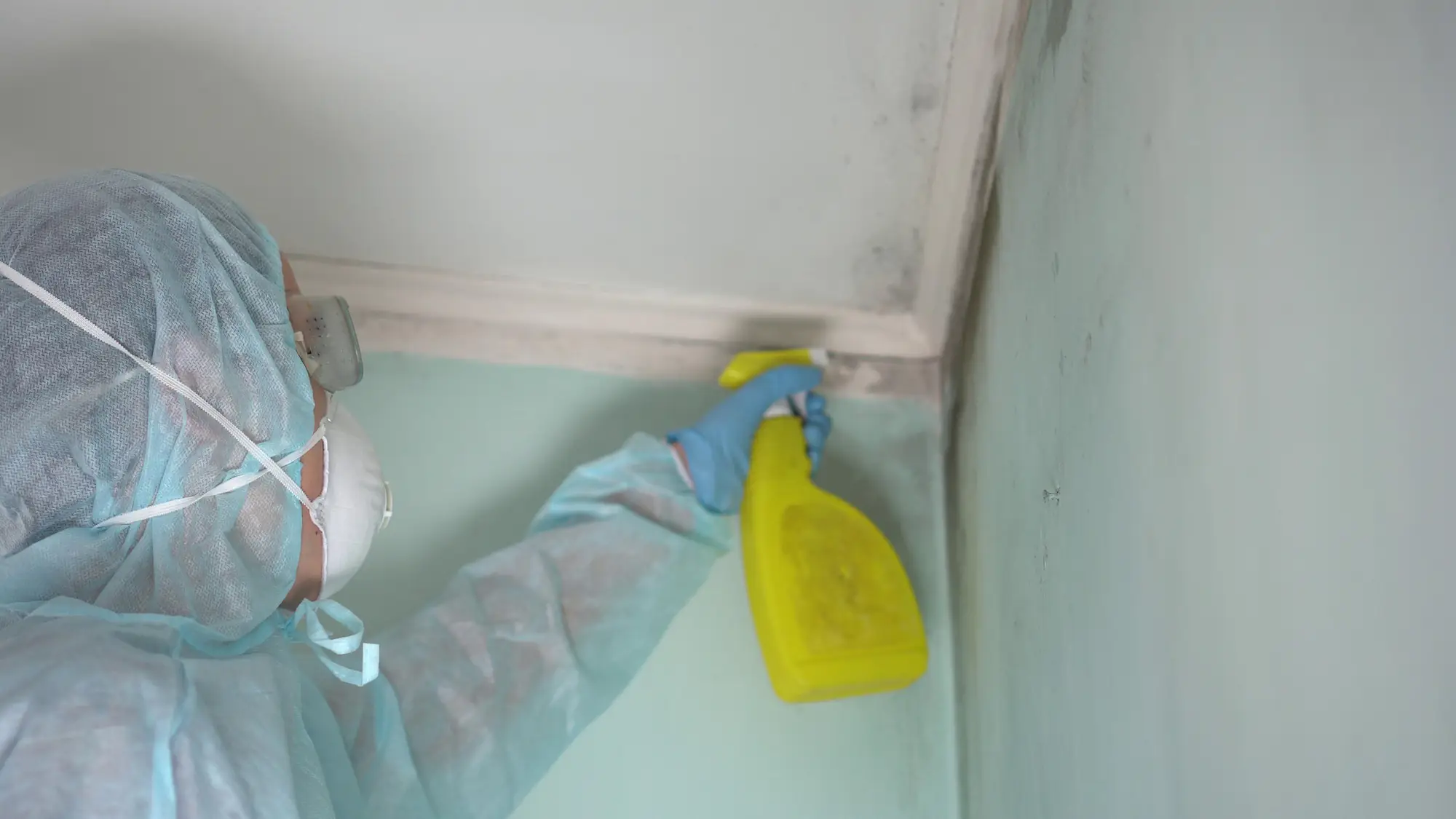
Your report will tell you what type of mold or contaminants we found, how much is present, and where it’s concentrated. From there, we’ll explain your options. Sometimes the fix is simple—better ventilation, a dehumidifier, or cleaning your HVAC system. Other times, you’ll need professional mold remediation to remove contaminated materials and treat affected areas.
We’ll never push you into services you don’t need, and we’re upfront about costs. If remediation makes sense, we’ll walk you through what that involves and give you a clear estimate. If it’s something you can handle yourself, we’ll tell you that too. The point of testing isn’t to create work—it’s to give you clarity so you can make the best decision for your home and your family’s health.
There’s no magic number, but every three to five years is a reasonable baseline if you’ve got kids, pets, or anyone with allergies or asthma. That said, you should test sooner if something changes.
If you’ve had water damage, flooding, a roof leak, or plumbing issues, test after repairs are done. Mold can start growing within 24 to 48 hours of water exposure, and it doesn’t always show up where you’d expect. Same goes if you’re noticing new symptoms, strange smells, or visible mold growth anywhere in the house.
You should also consider testing if you’re moving into a new home or preparing to sell. Buyers in Lower Makefield are getting smarter about asking for mold and air quality reports, and having one ready can speed up the process and prevent deals from falling apart. If you’ve made major renovations—especially in basements, bathrooms, or kitchens—it’s worth checking that contractors didn’t trap moisture or create conditions for mold growth. Testing isn’t something you need to do constantly, but when the situation calls for it, it’s one of the smartest investments you can make.
Other Services we provide in Lower Makefield