
Hear from Our Customers
You can’t fix what you can’t see. That’s the problem with mold in Upper Black Eddy homes—it hides in crawl spaces, behind drywall, inside HVAC systems, and under flooring where humidity from Pennsylvania summers creates the perfect breeding ground.
A professional mold inspection gives you the full picture. Not just surface-level guessing, but actual detection using moisture meters, thermal imaging, and air quality testing that reveals hidden growth before it spreads. You’ll know where the mold is, what type it is, and how serious the contamination has become.
From there, you’re not left wondering. You get a clear assessment, straightforward recommendations, and a realistic plan. No scare tactics. No upselling services you don’t need. Just honest answers about your home and what it’ll take to make it safe again.
We’ve been serving Bucks County homeowners for years, and Upper Black Eddy properties come with their own challenges. Older homes built in the ’70s, high humidity summers, aging roofs, and basements that flood after heavy storms—these aren’t surprises to us.
Our team knows what to look for in this area because we’ve seen it dozens of times. We’re not a national franchise reading from a script. We’re local, we’re certified, and we show up when we say we will.
You’ll work with inspectors who understand Pennsylvania climate conditions and how they affect homes like yours. That means faster assessments, better accuracy, and recommendations that actually fit your situation.
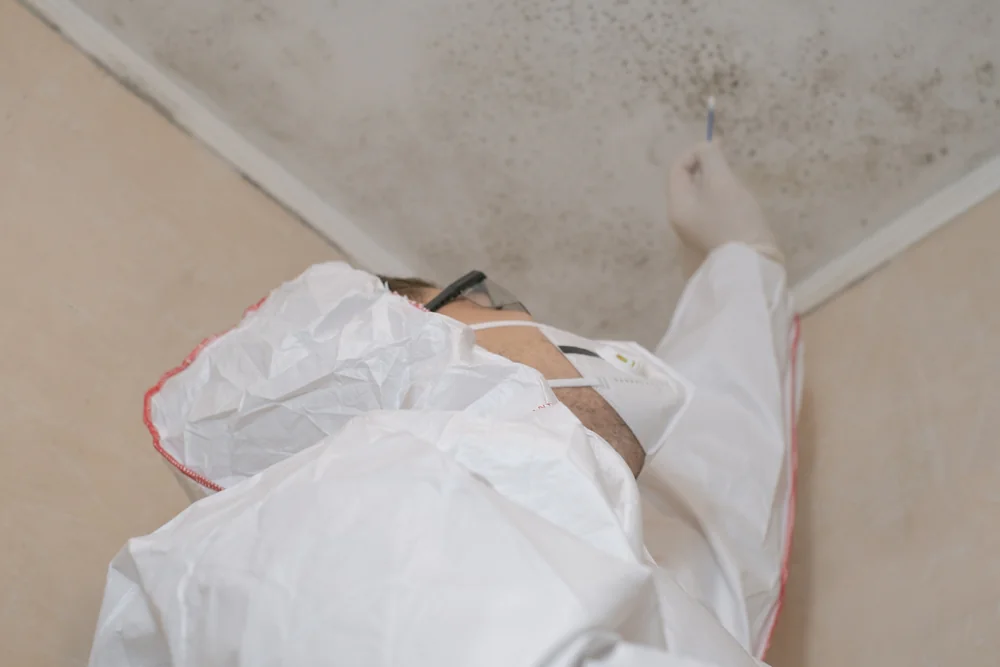
First, we walk through your property and talk about what you’ve noticed—musty smells, water damage, discoloration, health symptoms. That conversation matters because it tells us where to focus.
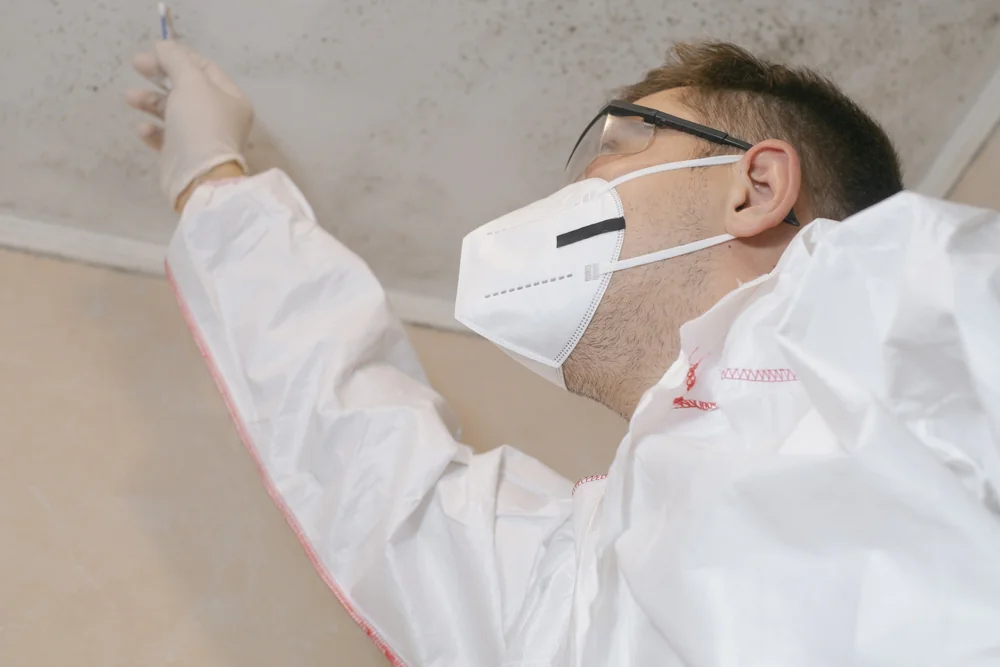
Next, we inspect the areas most likely to harbor mold: basements, attics, bathrooms, kitchens, crawl spaces, and anywhere water intrusion has occurred. We use moisture meters to detect hidden dampness, thermal imaging to spot temperature differences that indicate leaks, and air sampling to measure spore levels in your indoor environment.
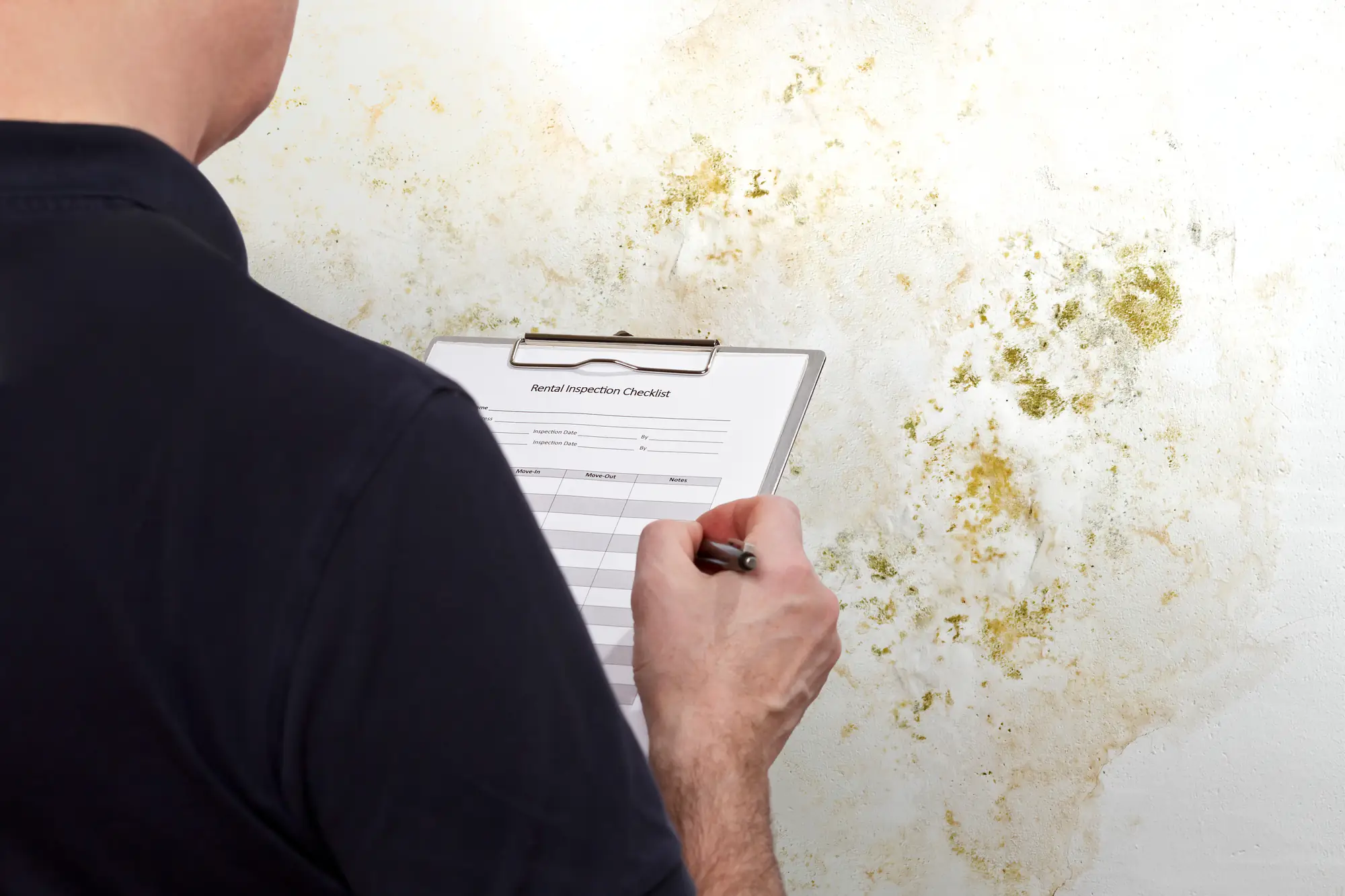
If we find visible mold, we document it. If we suspect hidden growth, we investigate further—sometimes that means checking behind walls or under flooring. We’re thorough, but we’re not invasive unless there’s a reason to be.
After the inspection, you get a detailed report. It explains what we found, where we found it, and what the contamination level is. Then we walk you through your options—what needs immediate attention, what can wait, and what you can prevent moving forward. No pressure. Just clear information so you can make the right call for your home.

Ready to get started?
Every home mold inspection includes a visual assessment of your property’s interior and exterior, moisture mapping to identify problem areas, air quality testing to measure spore concentration, and surface sampling when necessary to determine mold type. You’re not paying for a quick look-around—you’re getting a full diagnostic.
Upper Black Eddy homes face specific risks. Pennsylvania’s humid summers mean your attic can stay damp for days without a single roof leak. Basements flood during storms, and if materials aren’t dried within 24 to 48 hours, mold colonies start forming. Older homes often lack proper vapor barriers, and aging HVAC systems circulate contaminated air without anyone noticing.
Our inspections account for all of that. We check the spots most homeowners miss and explain what’s happening in plain language. You’ll understand why the mold is there, what conditions are feeding it, and how to stop it from coming back.
We also provide documentation you can share with your insurance company if you’re filing a claim. And if remediation is needed, we’ll give you an upfront estimate—no surprises, no hidden fees. You’ll know the cost before any work begins.
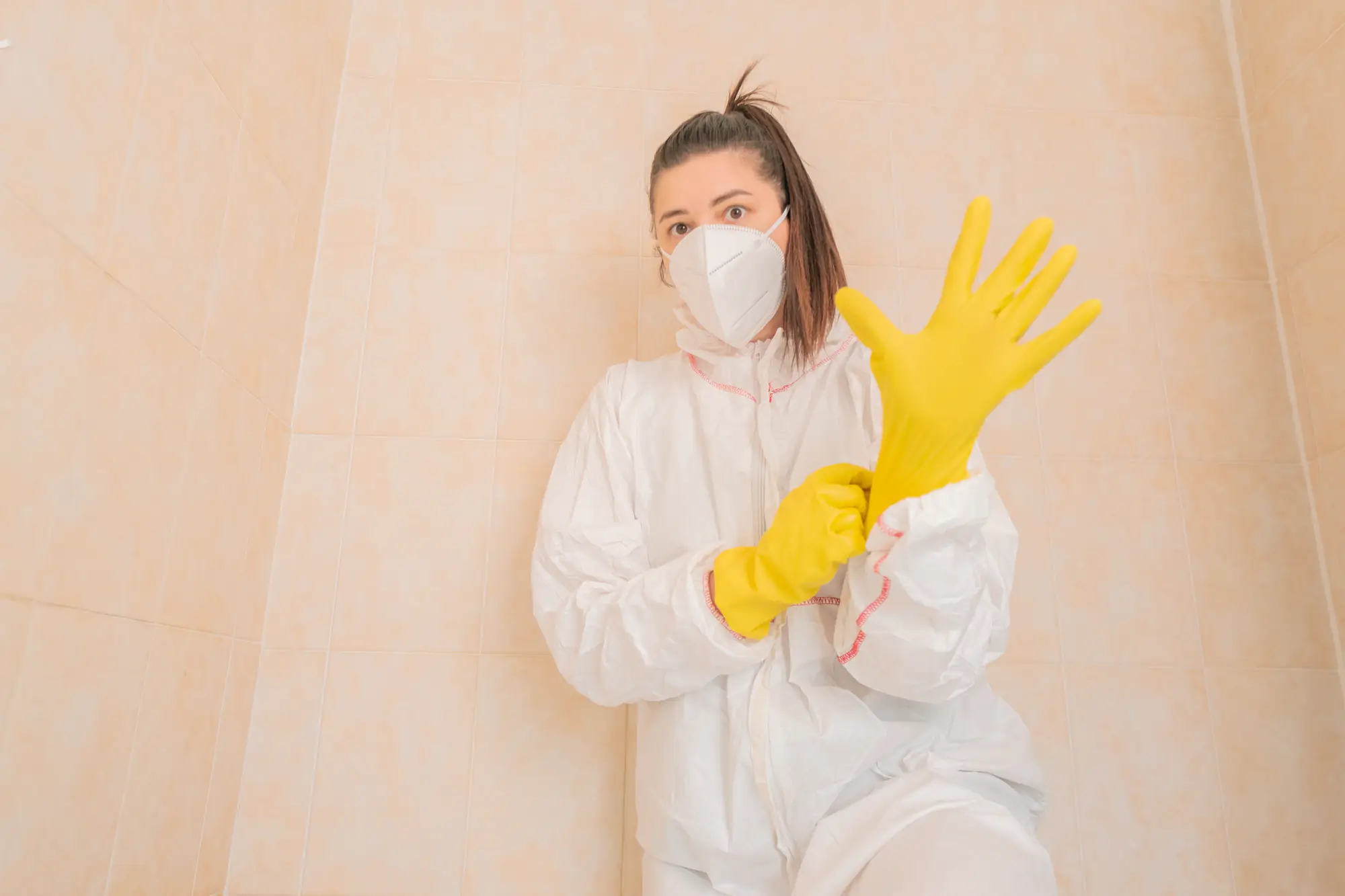
Most residential mold inspections in Bucks County range from $200 to $600, depending on your home’s size and the level of testing required. Smaller homes with straightforward assessments cost less. Larger properties or homes with multiple suspected contamination areas cost more because they require additional air samples, surface testing, and time.
We offer free initial inspections to assess your situation. If further testing is needed—like lab analysis of mold species or extensive air quality sampling—we’ll explain what’s involved and why it matters before moving forward. You’ll never pay for services you don’t need or tests that won’t change the outcome.
Some companies charge separately for the inspection and the lab work. We bundle what’s necessary and keep pricing transparent. If your situation is urgent—like after a flood or sewage backup—we prioritize your appointment and work with your insurance company to help cover costs when applicable.
Musty odors are the most common red flag, especially in basements, bathrooms, or areas with poor ventilation. If you smell something earthy or damp but can’t locate the source, mold is likely growing somewhere hidden. Visible discoloration on walls, ceilings, or around windows is another clear indicator—black, green, or white patches that spread over time.
Water damage is a major trigger. If you’ve had a roof leak, burst pipe, basement flooding, or even persistent condensation, mold can colonize within 24 to 48 hours. Even if the area looks dry now, moisture may still be trapped inside walls or under flooring. Health symptoms also signal a problem—persistent coughing, sneezing, eye irritation, or worsening asthma, especially when symptoms improve after leaving the house.
In Upper Black Eddy, older homes with aging infrastructure are particularly vulnerable. If your property was built in the ’70s or earlier, lacks updated ventilation, or has a history of moisture issues, a professional mold inspection gives you peace of mind. You’re not overreacting—you’re protecting your investment and your family’s health.
Most residential mold inspections take between one and three hours, depending on your home’s size and the extent of suspected contamination. A small home with a single problem area—like a bathroom with visible mold—can be assessed quickly. Larger properties or homes with multiple moisture-prone areas require more time for thorough testing.
The process includes a visual walkthrough, moisture mapping, air sampling, and surface testing if needed. We don’t rush. If something looks off, we investigate. If your HVAC system is circulating spores, we check the ductwork. If your basement flooded recently, we inspect behind drywall and under flooring to catch hidden growth before it spreads.
After the inspection, lab results typically come back within 24 to 48 hours. Once we have the data, we’ll schedule a follow-up to review findings and discuss next steps. You’re not left waiting for weeks—we move fast because mold doesn’t slow down.
DIY mold test kits are available at hardware stores, but they have serious limitations. Most kits only test for the presence of mold spores—which exist in every home—without telling you the type, concentration, or whether it’s actually a health risk. You’ll spend money on a test that doesn’t give you actionable information.
Professional mold inspections use calibrated equipment and lab analysis to identify specific mold species, measure contamination levels, and pinpoint moisture sources. Certified inspectors know where mold hides—inside wall cavities, under flooring, in HVAC systems—and how to detect it without causing unnecessary damage. You’re not just getting a test result; you’re getting an expert assessment of your home’s condition.
In Pennsylvania, where humidity and aging housing stock create ideal conditions for mold growth, a professional inspection is worth the investment. You’ll know exactly what you’re dealing with, whether remediation is necessary, and how to prevent future problems. DIY kits can’t offer that level of clarity or accuracy.
If we find mold, you’ll get a detailed report that explains the type, location, and severity of contamination. Not all mold requires full remediation—sometimes improved ventilation or a dehumidifier solves the problem. Other times, especially with toxic black mold or widespread growth, professional removal is necessary to protect your health and property.
We’ll walk you through your options with honest recommendations. If remediation is needed, we provide an upfront estimate that covers containment, removal, air filtration, and prevention measures. You’ll know the cost before work begins, and we’ll explain what’s involved at every step. If your situation qualifies for insurance coverage, we’ll help you navigate the claims process.
For Upper Black Eddy homeowners, addressing mold quickly prevents bigger problems. Pennsylvania’s climate means mold spreads fast once it takes hold. Catching it early saves you money, protects your home’s value, and keeps your family safe. You’re not stuck guessing—you’ll have a clear plan and a team that follows through.
Prevention starts with controlling moisture. Fix leaks immediately—roof damage, plumbing issues, and foundation cracks all create entry points for water. In Upper Black Eddy, where summer humidity and heavy storms are common, proper drainage around your home’s foundation is critical. Gutters should direct water away from the house, and downspouts need to extend at least five feet from the foundation.
Indoor humidity should stay below 60 percent. Use dehumidifiers in basements and crawl spaces, especially during Pennsylvania’s humid months. Ventilate bathrooms and kitchens with exhaust fans, and make sure your HVAC system is maintained regularly. Dirty filters and clogged ducts circulate mold spores throughout your home, so change filters every three months and schedule annual HVAC inspections.
After remediation, we’ll give you specific recommendations based on your home’s vulnerabilities. That might include improving attic ventilation, sealing basement walls, or upgrading insulation to prevent condensation. You’re not left to figure it out alone—we’ll tell you exactly what works for properties like yours and how to keep mold from returning.
Other Services we provide in Upper Black Eddy