

Hear from Our Customers
You shouldn’t have to wonder if the air in your home is making you sick. That persistent cough, the musty smell in your basement, the dark spots creeping up your bathroom wall—these aren’t things you should live with.
Professional mold removal means you get your home back. The air clears up. The health symptoms start fading. You stop worrying about what’s growing behind your walls or under your floors.
Homes in Upper Black Eddy deal with humidity, older construction, and the kind of damp basements that create perfect conditions for mold. When you address it the right way—with proper containment, removal, and prevention—you’re not just cleaning up a mess. You’re protecting a significant investment and giving your family a healthier place to live.
The difference between DIY attempts and professional mold cleaning services is simple: one removes what you can see, the other removes what’s actually there. Mold spreads through spores you can’t see. It hides in places you can’t reach. A mold specialist uses detection tools, containment barriers, and removal techniques that stop it from coming back.
We’ve been handling mold problems in Upper Black Eddy and throughout Bucks County for years. We know the homes here—many built in the ’70s with basements that weren’t designed with modern moisture control in mind.
We’re certified, we follow EPA and IICRC standards, and we respond fast when you need help. Most importantly, we don’t just show up and spray something on your walls. We find the source, contain the problem, remove it completely, and help you understand how to keep it from happening again.
You’re dealing with a home worth protecting. We treat it that way.

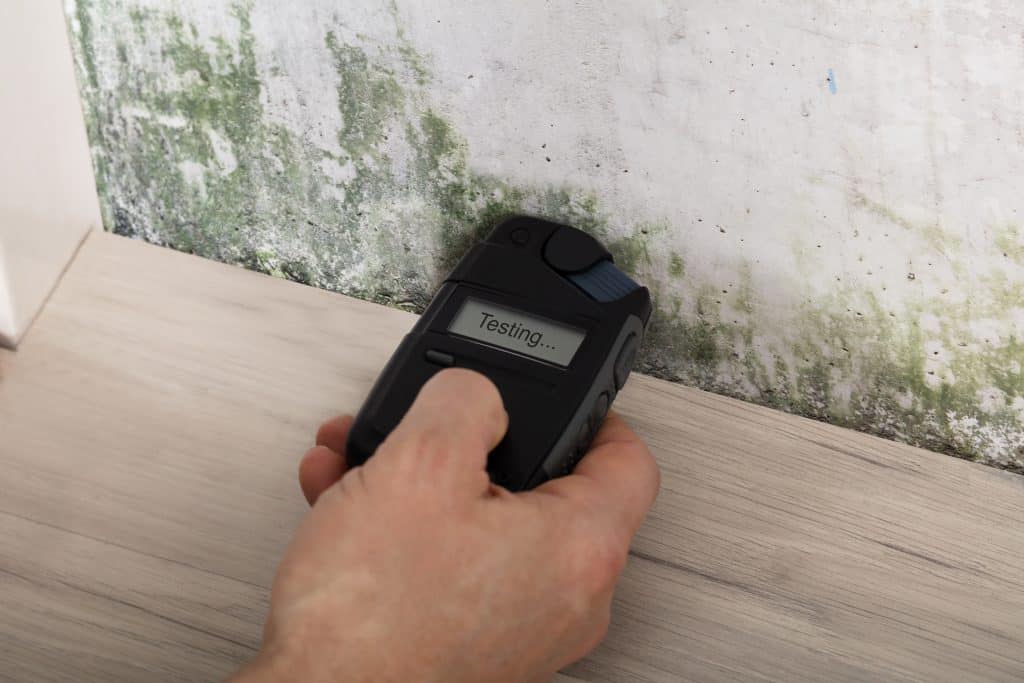
First, we inspect your property to find all the mold—not just the obvious spots. We use moisture meters and air quality testing to locate hidden growth in walls, crawl spaces, attics, and other areas you wouldn’t think to check.
Next, we contain the affected area. Mold spreads through airborne spores, so we seal off the work zone with physical barriers and negative air pressure to keep contamination from reaching the rest of your home.
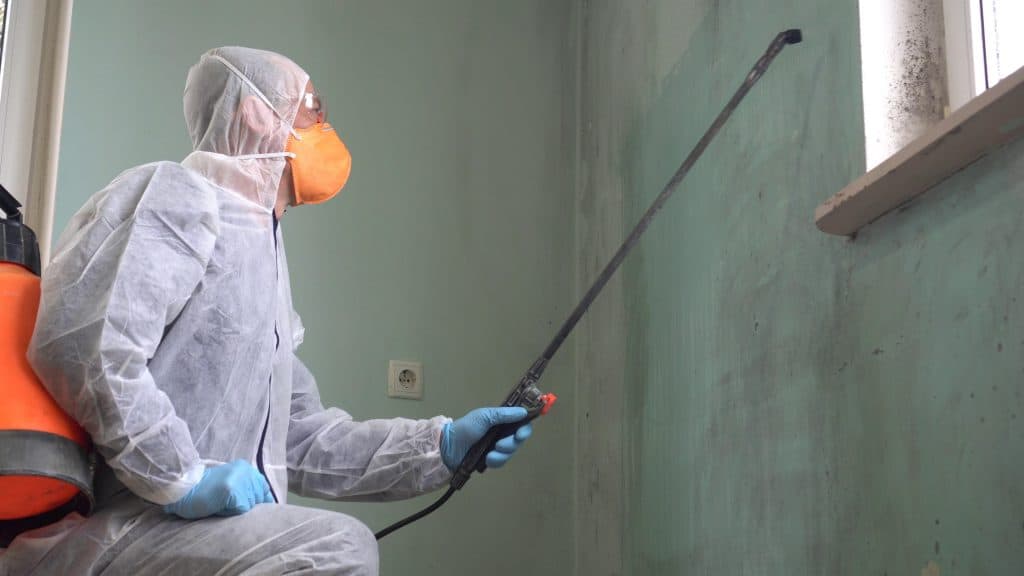
Then comes removal. We don’t just wipe surfaces down. We remove contaminated materials, treat affected areas with antimicrobial solutions, and use HEPA filtration to clean the air. If drywall, insulation, or flooring is too far gone, we remove it.
After removal, we address the moisture problem that caused the mold in the first place. That might mean fixing a leak, improving ventilation, or recommending dehumidification. Without that step, mold comes back.
Finally, we verify the work. Air quality testing confirms the mold is gone and your home is safe again.
Ready to get started?
You get a full inspection and mold testing to identify the type and extent of growth. That includes checking basements, attics, bathrooms, kitchens, and crawl spaces—the most common problem areas in Upper Black Eddy homes.
Containment and air filtration protect the rest of your home during the removal process. We set up barriers, use HEPA air scrubbers, and create negative pressure zones to prevent cross-contamination.
All contaminated materials get removed safely. We handle everything from surface cleaning to full tear-out of drywall, insulation, carpeting, or subflooring when necessary. We also treat structural elements like wood framing with antimicrobial solutions to kill remaining spores.
You also get help identifying the moisture source. Whether it’s a leaky pipe, poor ventilation, foundation seepage, or humidity buildup, we help you understand what caused the problem so you can prevent it. Many homeowners in this area deal with damp basements due to the age of their homes and Bucks County’s climate—we see it constantly and know how to address it.
If you’re filing an insurance claim, we provide documentation and work with your provider to make the process easier.
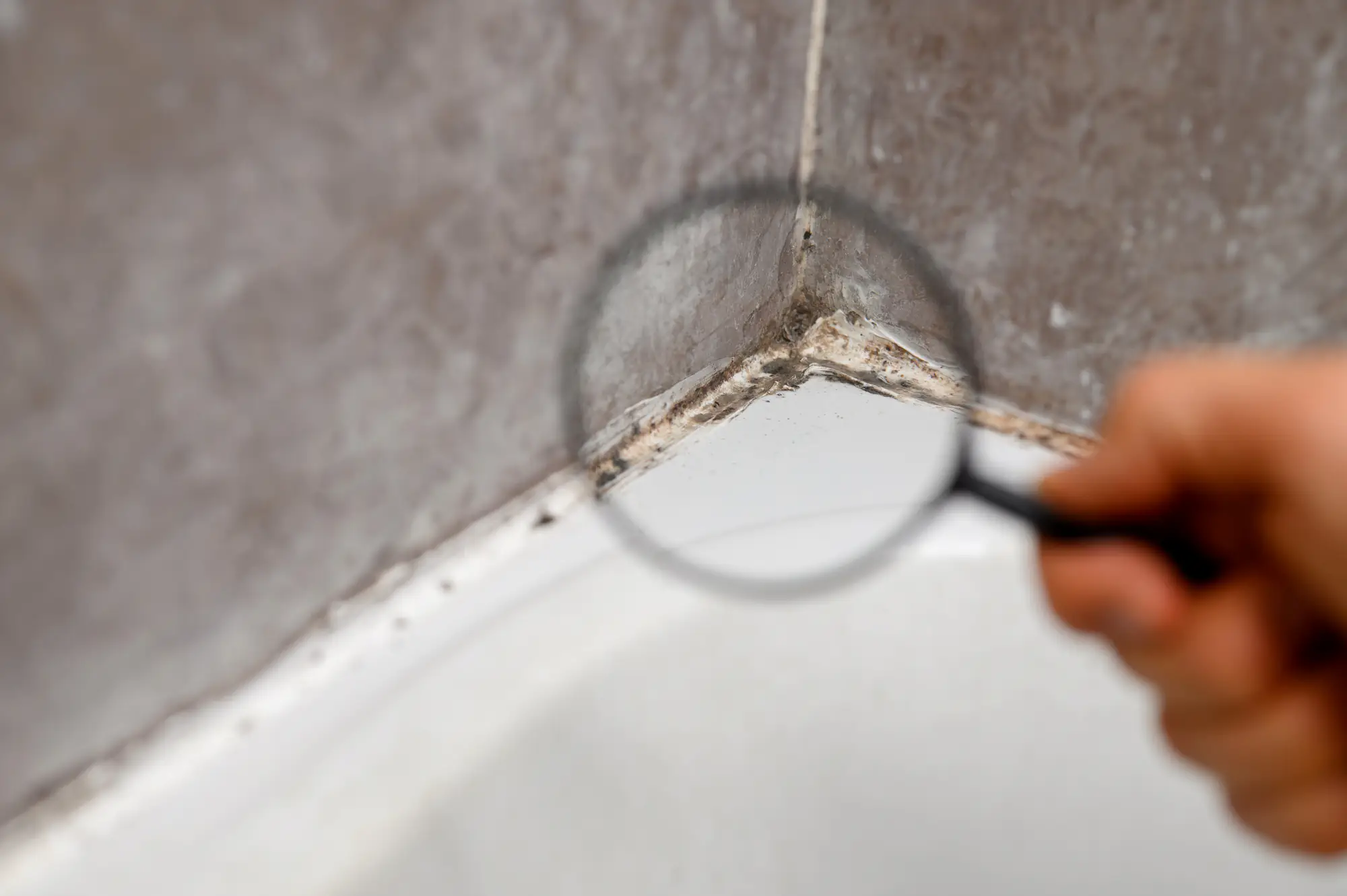
Visible growth is the most obvious sign—dark spots on walls, ceilings, grout, or around windows. But mold doesn’t always show itself right away.
A musty odor is a strong indicator, especially in basements, bathrooms, or areas with poor airflow. If you smell it but don’t see anything, there’s a good chance mold is growing behind drywall, under flooring, or in your HVAC system.
Health symptoms can also point to mold exposure. Persistent coughing, sneezing, itchy eyes, throat irritation, or worsening asthma—especially when symptoms improve after leaving the house—are red flags. Homes in Upper Black Eddy with older construction and high humidity are more prone to hidden mold growth, so if you’re noticing these signs, it’s worth getting a professional inspection.
Small surface mold—like a little growth on bathroom tile—can sometimes be cleaned with the right products. But if the affected area is larger than about 10 square feet, or if mold is growing on porous materials like drywall or wood, DIY removal usually makes things worse.
Scrubbing or spraying mold releases millions of spores into the air. Without proper containment, those spores spread to other parts of your home and start new colonies. You also can’t see mold inside walls, under floors, or in HVAC ducts—so even if you clean what’s visible, the problem often remains.
Professional mold removal uses containment barriers, HEPA filtration, antimicrobial treatments, and moisture control to actually solve the problem. It’s not just about killing mold. It’s about removing it safely, finding the source, and preventing it from coming back. If you’re dealing with black mold or any growth tied to water damage, skipping professional help usually costs you more in the long run.
Moisture is the main culprit. Mold needs water to grow, and homes in this area face several common moisture sources.
Basements are a big one. Many Upper Black Eddy homes were built in the 1970s, and older basements often have foundation cracks, poor drainage, or inadequate waterproofing. Humidity from Bucks County’s climate doesn’t help—especially in summer when warm, moist air condenses on cool basement surfaces.
Leaks are another frequent cause. Roof leaks, plumbing failures, and poorly sealed windows let water into walls and ceilings where mold thrives unnoticed. Bathrooms and kitchens with insufficient ventilation trap moisture, creating ideal conditions for growth around sinks, tubs, and appliances.
Flooding or water damage—whether from storms, burst pipes, or appliance malfunctions—can lead to mold within 24 to 48 hours if not dried properly. The key is controlling moisture at the source, which is why professional mold remediation always includes identifying and fixing the underlying problem.
It depends on the size and severity of the problem. A small, contained area might take a day or two. Larger infestations or situations involving structural damage can take a week or more.
The process includes inspection, containment, removal, treatment, and verification. Each step takes time to do correctly. Rushing through it means mold comes back, which defeats the purpose.
If materials like drywall or insulation need to be removed, that adds time. If there’s an underlying moisture issue—like a leak or drainage problem—that needs to be addressed before remediation is complete. We also run air quality tests after the work is done to confirm the mold is actually gone.
Most homeowners in Upper Black Eddy want the job done right more than they want it done fast. We move as quickly as we can without cutting corners, and we keep you informed throughout the process so you know what to expect.
It depends on what caused the mold. Most homeowners insurance policies cover mold removal if it resulted from a “covered peril”—like a burst pipe, roof damage from a storm, or appliance malfunction.
If mold developed due to long-term neglect, poor maintenance, or ongoing moisture problems you didn’t address, insurance typically won’t cover it. Policies also often have limits on mold coverage, sometimes capping payouts at $1,000 to $10,000 even when the cause is covered.
The best approach is to contact your insurance provider as soon as you discover mold and explain the situation. We can help by providing documentation, photos, moisture readings, and detailed reports that support your claim.
We’ve worked with insurance companies throughout Bucks County and can assist with the paperwork and communication to make the process smoother. Even if insurance doesn’t cover the full cost, addressing mold quickly prevents bigger problems—and bigger bills—down the road.
Control moisture and you control mold. It’s that straightforward.
Fix leaks immediately—roof leaks, plumbing issues, foundation cracks. Even small, slow leaks create enough moisture for mold to thrive. Improve ventilation in bathrooms, kitchens, and laundry rooms by using exhaust fans and opening windows when possible.
Keep humidity levels below 60%, ideally between 30% and 50%. Dehumidifiers work well in basements and other damp areas, especially during humid Bucks County summers. Make sure your gutters and downspouts direct water away from your foundation to prevent seepage.
Inspect your home regularly for signs of water damage or moisture buildup. Check under sinks, around windows, in attics, and in crawl spaces. Catching problems early makes a huge difference.
After professional mold removal, the source of moisture should already be identified and addressed. Sticking to a maintenance routine—fixing issues fast, managing humidity, and keeping airflow strong—keeps mold from returning and protects your home long-term.
Other Services we provide in Upper Black Eddy