
Hear from Our Customers
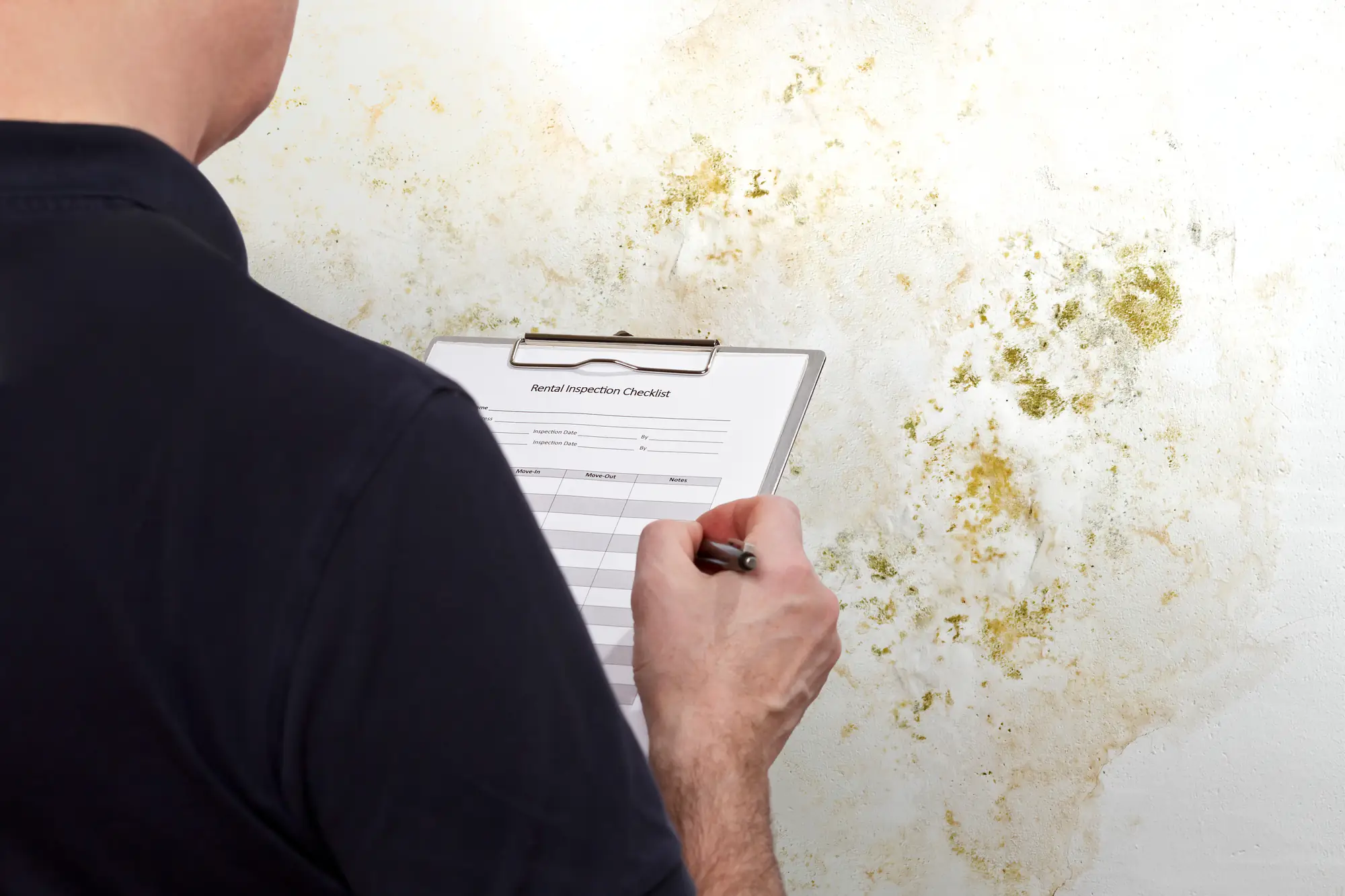
You’re not overreacting. That musty smell, those allergy symptoms that won’t quit, the water stain you fixed months ago—these are real concerns.
Mold doesn’t announce itself. It grows quietly in crawl spaces, behind drywall, under carpets. By the time you see it, you’re already dealing with a bigger problem than you needed to. Early mold detection means you catch it before it spreads through your HVAC system or compromises the air your family breathes every day.
Here’s what changes after a thorough home mold inspection: you know exactly what you’re dealing with. No more guessing if that discoloration is serious. No more wondering if your kid’s cough is related to something in the house. You get clear answers, documentation for insurance if you need it, and a realistic plan for what comes next. Most importantly, you stop a small issue from becoming an expensive one.
We’ve been serving homeowners throughout Bucks County for years. We understand the specific challenges properties face in Weisel, PA—the humid summers, the older homes with brick foundations, the basements that stay damp no matter what you try.
We’re not a national franchise reading from a script. We’re local, and we’ve seen what happens when moisture gets trapped in the types of homes common to this area. That experience matters when you need someone who can spot problems specific to how homes are built here.
You get a free initial inspection because we want you to see what we find before you commit to anything. That’s how this should work.
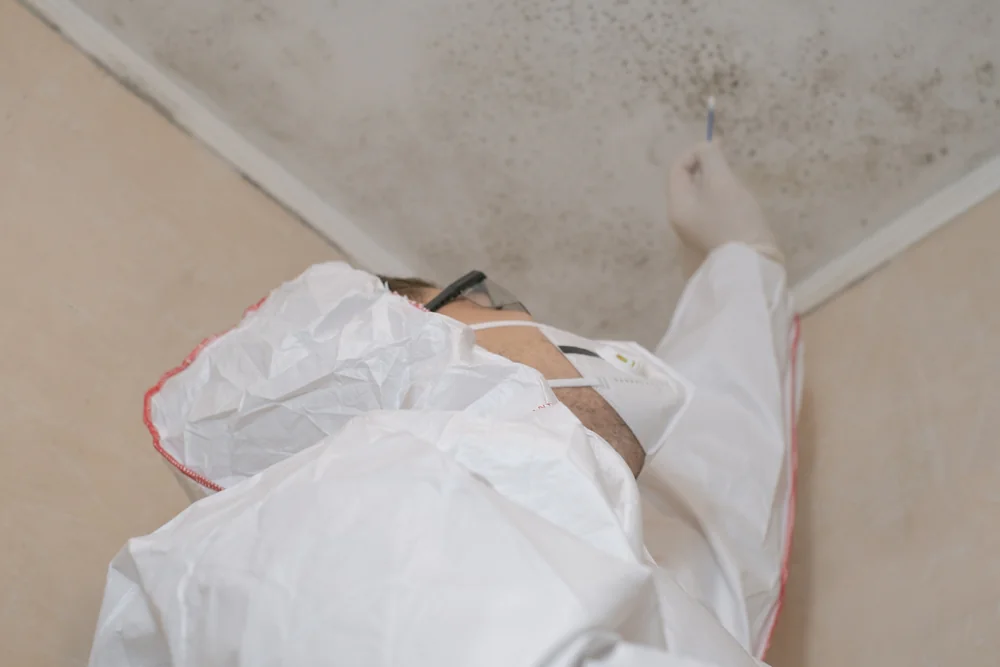
First, we walk through your property with you. You show us the areas that concern you, and we look at the spots most homeowners don’t think to check—the places mold typically hides in Weisel homes.
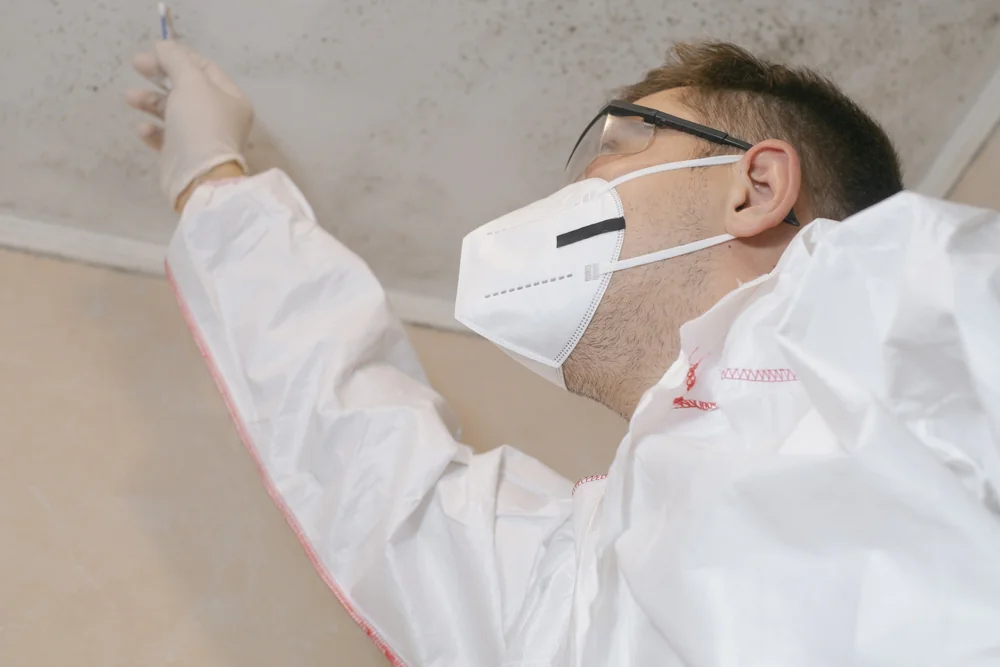
We use moisture detection equipment to find dampness behind surfaces. High moisture readings tell us where to look closer. We inspect your HVAC system, check your basement or crawl space, examine areas around windows and doors, and investigate any past water damage sites. If we find visible mold or conditions that suggest hidden growth, we document everything.
When testing is needed, we collect air samples or surface samples and send them to a lab. You get a detailed report that explains what we found, what type of mold is present if any, and what the contamination level means for your home. Then we talk through your options—what needs to happen now versus what can wait, realistic costs, and how to prevent this from happening again. You’re not locked into anything. You’re just informed.

Ready to get started?
Your inspection covers the full property—not just the obvious problem areas. We check basements, attics, crawl spaces, bathrooms, kitchens, and anywhere water or humidity could create conditions for mold growth.
In Weisel, PA, we pay special attention to older homes with stone foundations and homes near wooded areas where moisture tends to accumulate. The climate here—with higher than average rainfall and humidity—means mold can establish itself quickly if conditions are right. We’re looking for active growth, but also for the moisture problems that lead to mold before you can see it.
You receive documentation of our findings with photos, moisture readings, and lab results if samples were taken. This matters if you’re buying or selling a home, filing an insurance claim, or just need to understand the scope of what you’re dealing with. We also explain the difference between surface mold you can clean yourself and contamination that requires professional mold detection services and remediation. Not every mold problem is an emergency, but you deserve to know which type you have.

Most mold inspections in Pennsylvania start around $300 for a visual examination with moisture detection tools and two air samples. The actual cost depends on your home’s size, how many samples need lab testing, and how accessible the areas of concern are.
We offer a free initial inspection so you can see what we find before deciding whether to move forward with testing. Many homeowners don’t need extensive lab work—sometimes a visual inspection and moisture readings are enough to identify the problem and create a plan. We’ll tell you upfront what makes sense for your situation.
If you’re buying a home in Weisel, a pre-purchase mold inspection often pays for itself. Homes here can drop 20% to 37% in value when mold issues surface, and half of buyers walk away once they learn about mold problems. Spending a few hundred dollars now can save you from inheriting someone else’s expensive problem.
The obvious signs are visible mold growth, musty odors that don’t go away, and water stains on ceilings or walls. But you should also consider an inspection if you or your family have unexplained allergy symptoms—runny nose, itchy eyes, coughing, headaches, or trouble breathing that improves when you leave the house.
Past water damage is another red flag, even if you fixed the leak. Mold can grow within 24 to 48 hours after materials get wet, and it often establishes itself inside walls or under flooring where you can’t see it. If you’ve had flooding, roof leaks, plumbing problems, or foundation moisture, there’s a real chance mold is growing somewhere.
Homes in Weisel with basements, crawl spaces, or poor ventilation are especially susceptible. The humid climate here creates ideal conditions for mold, particularly in older homes where moisture management wasn’t part of the original design. If your home fits that description and you’re noticing any of these signs, an inspection gives you clarity.
A typical home mold inspection takes between one and three hours depending on your property’s size and how many areas need close examination. Smaller homes or condos might take an hour. Larger homes with basements, attics, and crawl spaces take longer.
The inspection itself is just the first part. If we collect samples for lab testing, you’ll wait a few days for results—usually three to five business days. Once we have the lab report, we schedule a follow-up conversation to walk through what the results mean and what your options are.
We don’t rush this. You’re paying for a thorough evaluation, and cutting corners defeats the purpose. We take the time to check areas other inspectors might skip, especially in older Weisel homes where mold hides in places that aren’t obvious. When we’re done, you’ll have a complete picture of your home’s condition.
You can check for visible mold and obvious moisture problems yourself, but you’ll miss what’s hidden. Mold grows inside walls, under flooring, in ductwork, and behind cabinets—places you can’t access without the right tools and experience.
Professional mold detection uses moisture meters, thermal imaging, and air sampling equipment that homeowners don’t typically own. We also know where to look based on how homes in this area are built and where problems typically develop. A DIY inspection might catch surface mold in your bathroom, but it won’t tell you if there’s contamination spreading through your HVAC system.
Lab testing is another piece you can’t replicate at home. Identifying the type of mold and measuring contamination levels requires proper sample collection and analysis. That information determines whether you’re dealing with something you can clean yourself or whether you need professional remediation. If you’re buying a home, refinancing, or dealing with health symptoms, a professional inspection gives you documentation that actually means something.
A mold inspection is the visual examination of your property. We look for visible mold, check for moisture problems, inspect areas where mold commonly grows, and identify conditions that support mold growth. Most inspections include moisture readings and thermal imaging to find hidden dampness.
Mold testing happens when we need to confirm what type of mold is present or measure contamination levels. We collect air samples or surface samples and send them to a lab for analysis. Testing tells us whether you’re dealing with common mold or more problematic species like black mold, and it quantifies how much mold is in your indoor air compared to outdoor levels.
Not every inspection requires testing. Sometimes the visual evidence and moisture readings are enough to identify the problem and recommend next steps. We’ll tell you if testing makes sense for your situation or if it’s an unnecessary expense. If you’re selling a home, dealing with health issues, or need documentation for insurance, testing provides the proof you need. Otherwise, a thorough inspection might be all you require.
It depends on what caused the mold. Most homeowners insurance policies cover mold remediation if it resulted from a covered peril—like a burst pipe or storm damage. If mold developed because of long-term neglect, poor maintenance, or chronic moisture problems you didn’t address, insurance typically won’t pay.
The key is documenting everything. If you have sudden water damage, get it inspected quickly and keep records of the damage and your response. Insurance companies want to see that you acted promptly to prevent further damage. A professional mold inspection provides the documentation you need to file a claim and prove the mold resulted from a covered event.
In Weisel, PA, where older homes are common and moisture problems can develop slowly, prevention matters more than hoping insurance will cover it later. Regular inspections after water events, maintaining your gutters and downspouts, and addressing humidity issues in basements can prevent the kind of mold growth that insurance won’t touch. We can walk you through what your policy likely covers during your inspection.
Other Services we provide in Weisel