
Hear from Our Customers
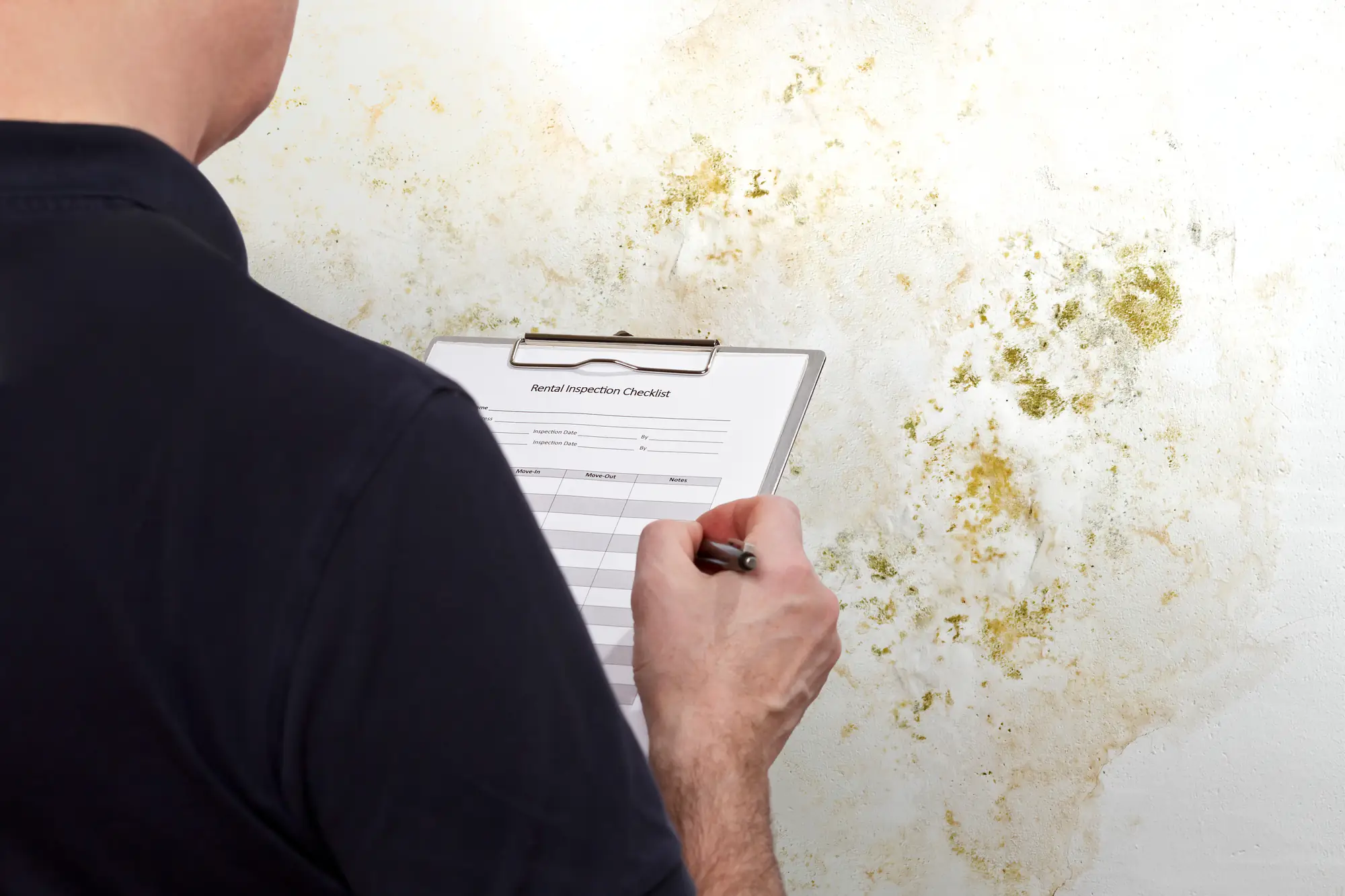
You’ve noticed the smell. Maybe you’ve seen discoloration on a wall or dealt with a leak that “dried up” months ago. Now you’re wondering if there’s mold somewhere you can’t see.
That’s the problem with mold. It doesn’t always show up where you’re looking. It grows behind drywall, under flooring, inside HVAC systems, and in crawl spaces you haven’t checked in years. By the time it’s visible, it’s usually been there a while.
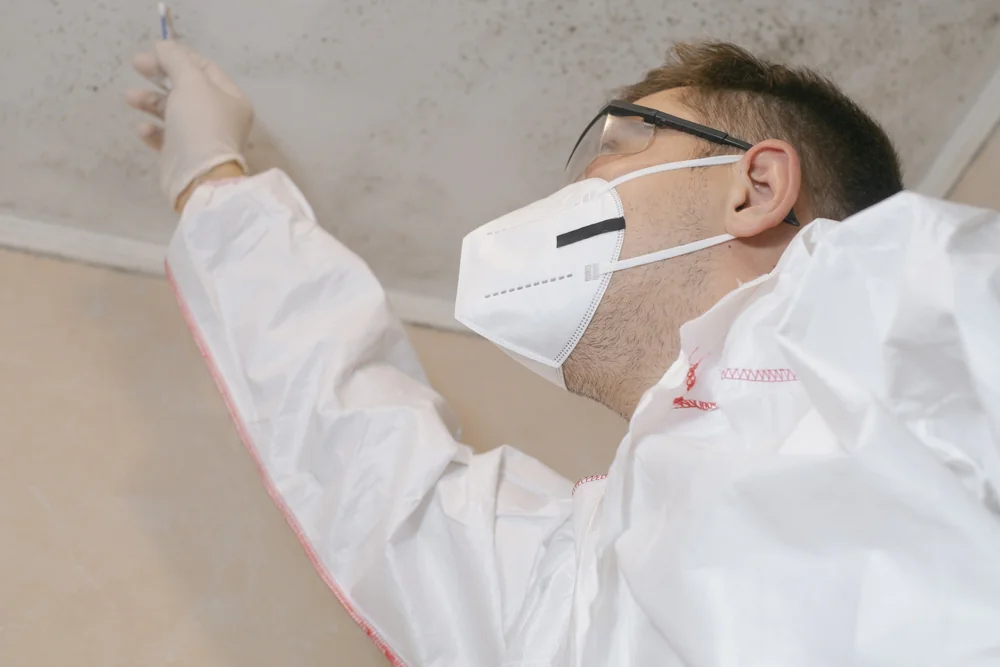
A real mold inspection doesn’t just confirm what you already know. It finds what you don’t. We use moisture meters, thermal imaging, and air quality testing to detect mold in places you’d never think to check. You get a full report that explains where the mold is, what type it is, and what’s causing it to grow. No guessing. No surprises later.
Once you know what’s actually happening in your home, you can make decisions based on facts instead of fear.
We’ve been inspecting and remediating mold in Bucks County homes for years. We know the basements here leak. We know how Pennsylvania’s wet climate creates the perfect conditions for mold growth, especially in older homes with poor ventilation.
Bath Addition has a high percentage of owner-occupied homes, many of them decades old. That means foundation cracks, outdated moisture barriers, and HVAC systems that weren’t designed with humidity control in mind. We’ve seen it all, and we know how to find it.
Our team is certified, our methods follow EPA standards, and our inspections are free. We’re not here to sell you a remedy you don’t need. We’re here to tell you the truth about what’s in your home so you can protect your family and your investment.
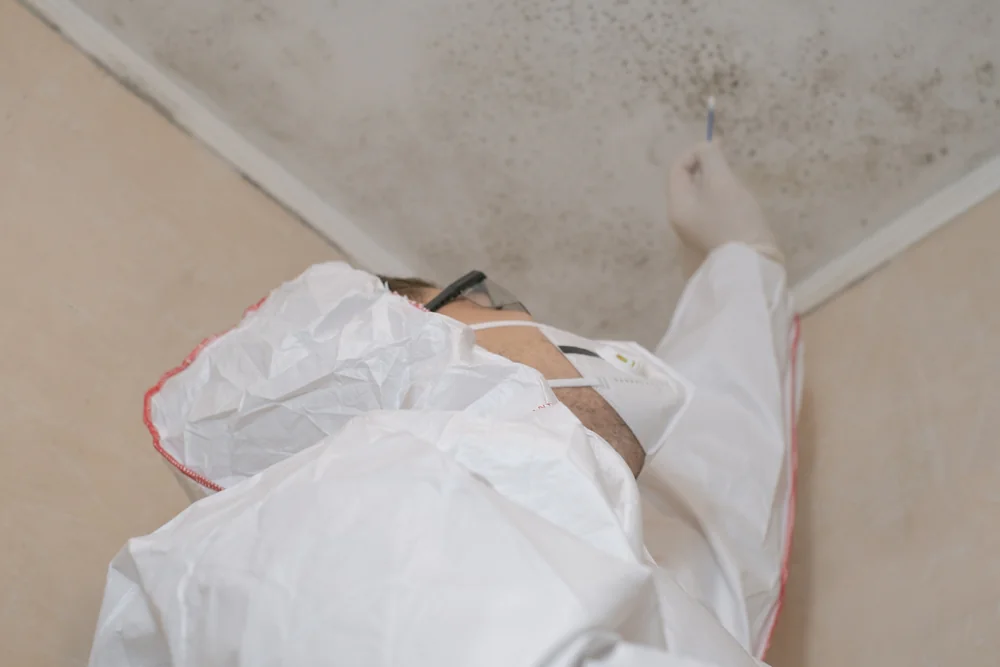
We start with a visual assessment of your property, inside and out. That means checking basements, attics, crawl spaces, bathrooms, kitchens, and anywhere moisture tends to collect. We’re looking for active mold growth, water stains, condensation, and structural issues that could be feeding the problem.
Next, we use moisture meters and thermal imaging to detect hidden water intrusion. Mold needs moisture to survive, so if we find elevated moisture levels behind a wall or under a floor, there’s a good chance mold is growing there too. This step catches problems before they become visible.
If we find mold or suspect it’s present, we can take air samples or surface samples for lab testing. That tells us exactly what type of mold you’re dealing with and whether it poses a health risk. You’ll get a detailed report that breaks down the findings in plain language.
From there, we’ll explain what needs to happen next. If remediation is necessary, we’ll walk you through the process, give you an upfront estimate, and help coordinate with your insurance if applicable. If it’s something you can handle on your own, we’ll tell you that too.

Ready to get started?
Every inspection includes a thorough walkthrough of your property with attention to high-risk areas like basements, bathrooms, attics, and crawl spaces. We check for visible mold, water damage, humidity issues, and ventilation problems that could be contributing to growth.
We use professional-grade equipment to detect moisture and temperature variations that indicate hidden mold. This isn’t something you can do with a flashlight and a hunch. It requires tools that measure what’s happening inside your walls and under your floors.
In Bath Addition, we pay special attention to common local issues: basement moisture from groundwater, poor grading around foundations, and older homes with limited airflow. Pennsylvania’s increased precipitation over the past decade has made these problems worse, and many homeowners don’t realize mold is growing until it’s already spread.
You’ll receive a written report that documents everything we find, including photos, moisture readings, and recommendations for next steps. If testing is needed, we’ll explain why and what it will cost before moving forward. No hidden fees. No pressure. Just information you can use to make the right call for your home.
If you’ve had water damage, noticed a musty smell, or seen discoloration on walls or ceilings, you should get an inspection. Even if the leak was fixed, mold can continue growing in hidden areas if moisture wasn’t fully addressed.
Health symptoms can also be a sign. If anyone in your home is experiencing unexplained respiratory issues, headaches, or allergy-like symptoms that improve when they leave the house, mold could be the cause.
Older homes in Bath Addition are especially vulnerable. Many were built before modern moisture barriers and ventilation standards existed. If your home is over 30 years old and you’ve never had a mold inspection, it’s worth doing—especially if you’ve noticed any water issues in the past.
A mold inspection is a visual and technical assessment of your property to identify mold growth and moisture problems. We look for visible mold, check moisture levels, and use thermal imaging to find hidden issues. Most of the time, an inspection is enough to determine whether you have a problem and where it’s located.
Mold testing involves taking air or surface samples and sending them to a lab for analysis. This tells you exactly what type of mold is present and whether it’s a health concern. Testing is useful when mold is suspected but not visible, or when you need documentation for insurance or health reasons.
We don’t automatically recommend testing for every inspection. If we can see the mold and identify the moisture source, testing usually isn’t necessary. But if you’re dealing with persistent health symptoms or need proof for a claim, we’ll walk you through the testing process and explain what the results mean.
Our inspections are free. We’ll come to your home, assess the situation, and give you a full rundown of what we find at no cost. If testing is needed, we’ll give you a price upfront before moving forward.
If remediation is necessary, the cost depends on the size of the affected area, the type of mold, and what’s causing it. Small jobs might run a few hundred dollars. Larger projects involving structural repairs or extensive contamination can cost more. We’ll give you a detailed estimate before any work begins so you know exactly what you’re paying for.
Many homeowners don’t realize that mold remediation may be covered by insurance, especially if it’s the result of a sudden water event like a burst pipe. We work directly with insurance companies to help you navigate the claims process and get the coverage you’re entitled to.
It depends on the size and type of mold. If it’s a small area—less than 10 square feet—and it’s surface mold caused by something like a minor leak or condensation, you can usually handle it yourself with the right cleaning products and protective gear.
But if the mold covers a larger area, is growing inside walls or under flooring, or is the result of contaminated water like sewage, you need professional remediation. Disturbing mold without proper containment can spread spores throughout your home and make the problem worse.
Black mold, or Stachybotrys, is another situation where DIY isn’t recommended. It can produce mycotoxins that pose serious health risks, especially to children, elderly individuals, and anyone with respiratory conditions. We follow EPA protocols to safely remove mold and address the moisture source so it doesn’t come back.
Most inspections take between one and two hours, depending on the size of your home and the extent of the problem. We’re thorough, but we’re not going to waste your time looking at things that don’t matter.
If we need to take samples for lab testing, that adds a few minutes to the process, but results typically come back within a few days. We’ll contact you as soon as we have them and explain what they mean in plain language.
After the inspection, we’ll sit down with you and go over everything we found. You’ll leave with a clear understanding of whether you have mold, where it is, what’s causing it, and what your options are. No jargon. No runaround. Just straight answers so you can decide what to do next.
Moisture. That’s it. Mold needs water to survive, and Pennsylvania’s climate provides plenty of it. We’ve seen 5 to 10 percent more precipitation over the past decade, which means more basement flooding, more roof leaks, and more humidity in homes that weren’t designed to handle it.
In Bath Addition specifically, many homes have older foundations that develop cracks over time. Poor grading around the property can direct water toward the house instead of away from it. Add in outdated sump pumps, clogged gutters, and inadequate ventilation, and you’ve got the perfect recipe for mold growth.
Leaky pipes, roof damage, and HVAC condensation are also common culprits. Even something as simple as a dryer vent that exhausts into the attic instead of outside can create enough moisture to support mold. We identify the source during the inspection so you can fix the root cause, not just the symptom.
Other Services we provide in Bath Addition