

Hear from Our Customers
You can’t see most mold spores. They’re in your air, behind your walls, under your floors. You might smell something musty in the basement or notice your kids coughing more at night, but you don’t know if it’s mold or how bad it is.
That’s where professional mold testing comes in. We use thermal imaging cameras and moisture meters to find water sources you didn’t know existed. We take air samples with calibrated pumps and send them to independent labs for identification. You get a written report that tells you what species are present, where they’re concentrated, and what levels you’re dealing with.
This isn’t about scaring you into unnecessary work. It’s about giving you real data so you can make informed decisions about your home and your family’s health. If there’s a problem, you’ll know exactly what it is and where to focus your attention. If there isn’t, you’ll have peace of mind backed by lab results.
We serve Bath and the surrounding Bucks County area with professional mold inspection and testing services. We understand how Pennsylvania’s climate affects your home—the humidity spikes in summer, the freeze-thaw cycles that create foundation cracks, the increased precipitation that’s gone up 5-10% in recent years.
We’re licensed mold assessors in Pennsylvania, which means we’ve met the state’s training and certification requirements. We use the same equipment and protocols whether we’re testing a 1,200 square foot ranch or a 4,000 square foot colonial. Our samples go to certified third-party labs, not an in-house facility, so your results are unbiased.
Most importantly, we respond fast. If you request a quote online, you’ll hear back within 24-48 hours. If you need an inspection, we can usually get to your property within 24 hours.
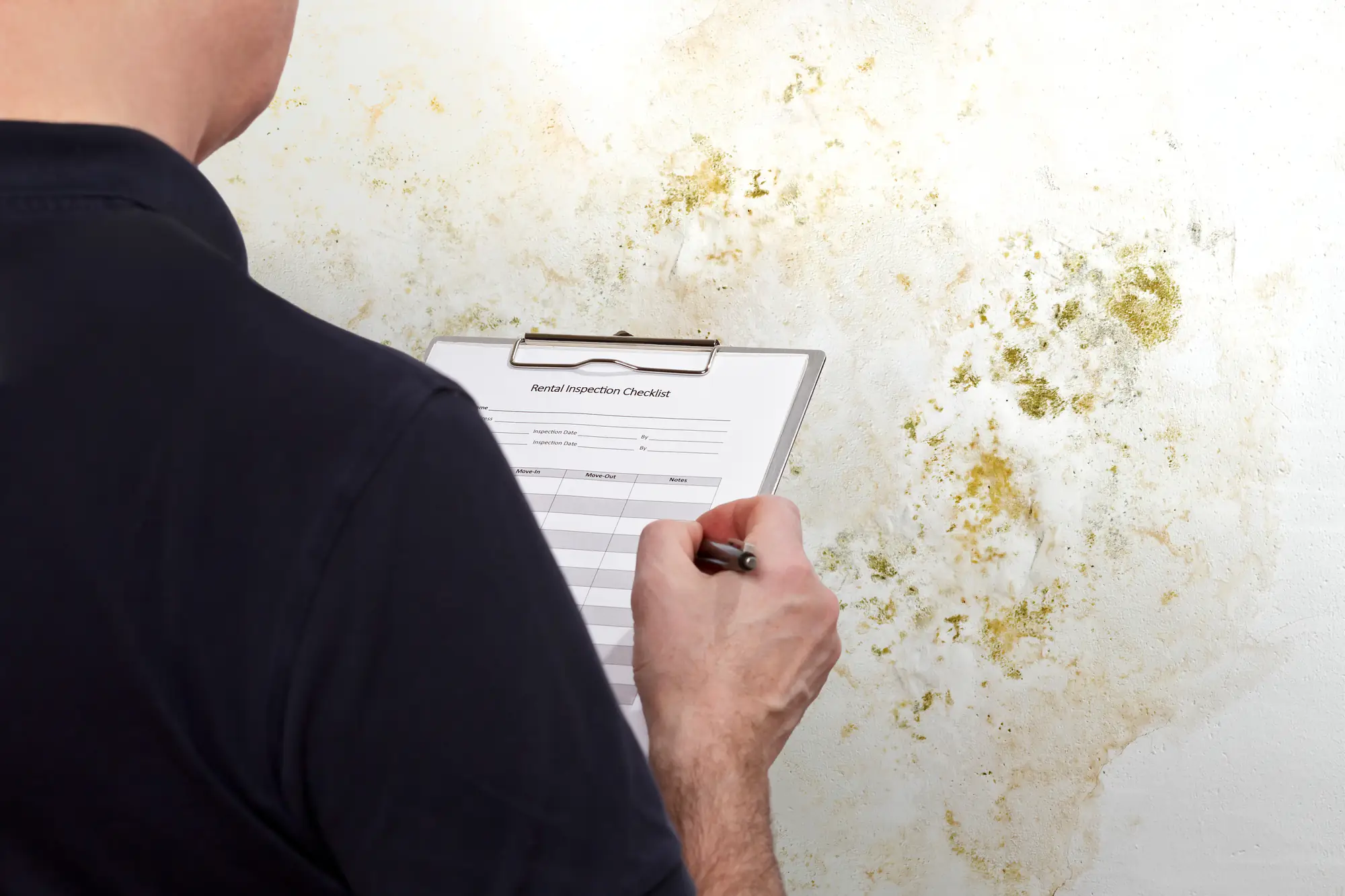
First, we walk through your home with you and ask about any concerns—strange smells, visible growth, recent water damage, health symptoms. We’re looking for clues about where moisture is getting in and where mold is likely growing.
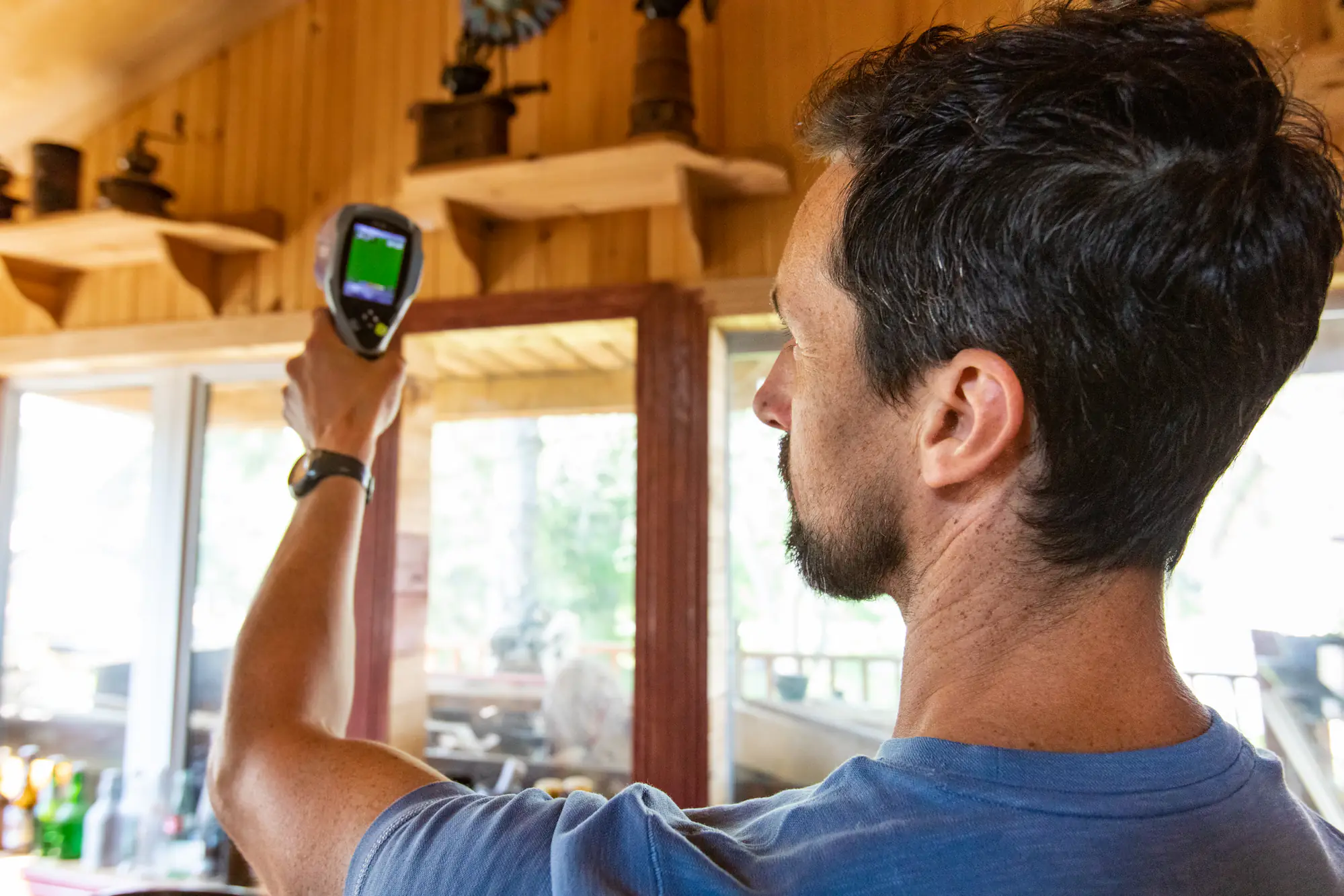
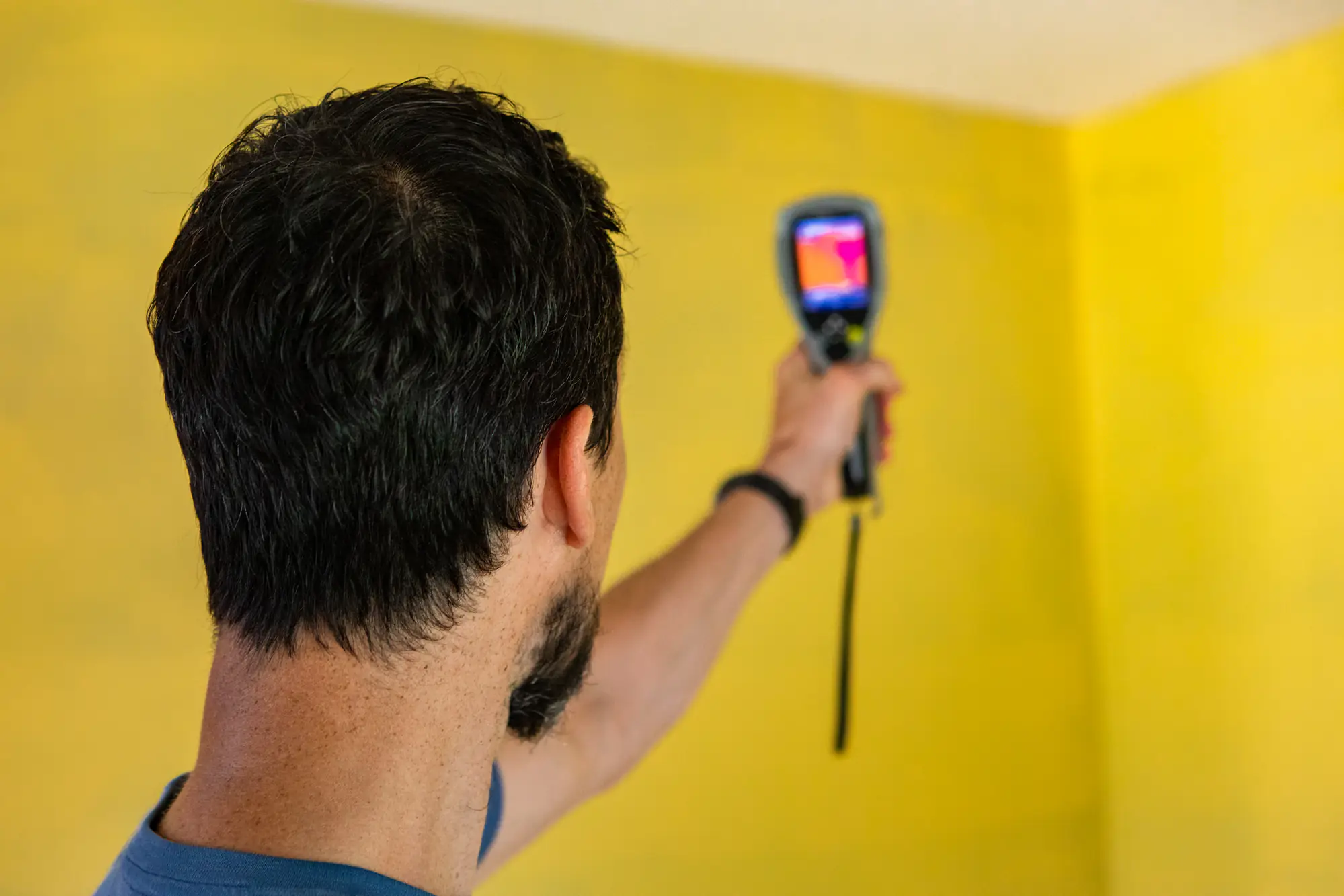
Then we use a moisture meter to check walls, ceilings, and floors for elevated moisture levels. We use a thermal imaging camera to spot temperature differences that indicate water intrusion or poor ventilation. These tools help us find problems you can’t see with your eyes alone.
Next comes sampling. We take air samples from different rooms using a calibrated pump that pulls a measured volume of air through a special filter. If we see visible growth or suspect contamination in a specific area, we’ll take surface samples too. Each sample gets labeled, sealed, and sent to an independent lab for analysis.
The lab identifies what species of mold are present and at what concentration. We get those results back, review them, and put together a written report that explains what we found in plain language. Then we walk you through it and answer your questions. If remediation is needed, we’ll tell you what areas to focus on and why.
Ready to get started?
Every mold inspection includes a complete visual assessment of your property, moisture readings with professional-grade meters, and thermal imaging to detect hidden water sources. You’re not paying for a quick walk-through. You’re getting a thorough evaluation of your indoor environment.
We take air samples from multiple locations to measure spore concentrations throughout your home. If there’s visible growth or a specific area of concern, we’ll take surface samples for species identification. All samples go to a certified lab—not a kit you buy online that grows a petri dish on your counter.
Bath and the surrounding Bucks County area deal with specific moisture challenges. Older homes often have stone foundations that wick moisture. Newer homes sometimes have ventilation issues from being built too tight. Bathrooms with exhaust fans vented into attics create perfect conditions for mold growth. We know what to look for because we’ve seen it in hundreds of local homes.
Your report includes lab results, photos of problem areas, moisture readings, and specific recommendations. If your insurance company needs documentation for a claim, you’ll have it. If you’re buying or selling a home and need proof of conditions, you’ll have that too.
Professional mold testing typically ranges from a few hundred dollars for a basic inspection to more for comprehensive testing with multiple samples. The exact cost depends on the size of your home, how many samples we need to take, and whether we’re testing air quality, surfaces, or both.
Here’s what affects the price: A 1,500 square foot home with one area of concern costs less than a 3,000 square foot home where you want air samples from every level. Lab analysis is the same cost per sample regardless of your home size, but larger homes often need more samples to get accurate results.
If you’ve had a recent leak or flood and your insurance covers mold inspection, your policy may pay for testing. Check your homeowner’s policy or call your agent. Some policies cover mold inspection if it results from a covered event like a burst pipe. Either way, you’ll get a detailed invoice and report you can submit.
DIY kits from hardware stores or online retailers use petri dishes or swabs that you expose to air or surfaces in your home. Then you mail them to a lab or watch them grow. The problem is they’re not calibrated, they don’t measure spore concentration, and they almost always show mold growth because mold spores exist everywhere.
Professional testing uses calibrated air pumps that pull a specific volume of air through a filter over a set time period. This gives you a spore count per cubic meter, which tells you if levels are elevated compared to outdoor air. That’s the data you need to know if you have a problem.
We also use moisture meters and thermal imaging to find the source of mold growth, not just confirm that it exists. A DIY kit might tell you there’s mold in your bathroom—which you probably already knew. Professional testing tells you there’s an elevated concentration of Stachybotrys in your basement air, your moisture meter readings show 18% moisture content in the drywall, and your thermal camera shows a cold spot indicating a foundation leak. That’s actionable information.
If you’re experiencing unexplained respiratory issues, chronic sinus problems, or persistent allergies that get worse at home, testing makes sense. If you smell a musty odor but can’t find the source, that’s another reason. If you’ve had any water damage—a roof leak, burst pipe, flooding, or even just persistent condensation—you should test.
“Black mold” usually refers to Stachybotrys chartarum, which is dark green or black and grows on materials with high cellulose content like drywall, wood, and paper. It needs consistent moisture to grow. But here’s the thing: you can’t identify mold species by color alone. Lots of molds look black. The only way to know what you’re dealing with is lab testing.
Real estate transactions are another common reason for testing. If you’re buying a home in Bath and the inspector noted moisture issues or musty smells, get a mold test before you close. If you’re selling and want to address any issues upfront, testing gives you documentation. Either way, you’re making decisions based on facts instead of guesses.
The on-site inspection usually takes one to two hours depending on your home’s size and how many areas we’re testing. We’re not rushing through. We’re checking moisture levels, taking photos, collecting samples, and answering your questions as we go.
After we collect samples, they go to the lab for analysis. Most labs return results within three to five business days. Rush processing is available if you’re on a tight timeline—like a real estate closing—but standard turnaround is usually fine for most situations.
Once we get the lab results, we review them and prepare your written report. Then we schedule a time to go over everything with you, either by phone or in person. The report includes the lab’s findings, our photos and notes from the inspection, and our recommendations based on what we found. You’ll have everything you need to move forward, whether that’s remediation, additional testing, or just monitoring the situation.
First, don’t panic. Finding mold doesn’t mean your house is condemned or worthless. It means you have information to work with. The report will show you what species are present, where concentrations are highest, and what levels were detected. We’ll explain what those numbers mean in practical terms.
Your next step is addressing the moisture source. Mold needs water to grow, so if you fix the leak, improve ventilation, or reduce humidity, you stop the growth. Sometimes that’s as simple as running a dehumidifier or fixing a gutter. Sometimes it requires more work like repairing a foundation crack or replacing water-damaged materials.
If remediation is needed, you’ll know exactly which areas to focus on based on our moisture readings and sample locations. You can hire a remediation company, or if it’s a small area, you might handle it yourself following EPA guidelines. Either way, you’re making informed decisions based on real data. After remediation, we can do post-testing to confirm spore levels are back to normal.
It depends on your policy and what caused the mold. Most homeowner’s insurance in Pennsylvania covers mold testing and remediation if the mold resulted from a covered peril—like a sudden pipe burst, appliance leak, or storm damage. If mold developed from long-term neglect, poor maintenance, or gradual seepage, most policies won’t cover it.
Read your policy or call your insurance agent before you schedule testing. Ask specifically about mold coverage and what documentation they need. Some insurers require you to use their preferred vendors. Others will reimburse you for any licensed professional. Either way, get it in writing.
When we complete your inspection, you’ll receive a detailed report with lab results, photos, and our findings. That’s the documentation your insurance company needs to process a claim. If they approve coverage, they’ll typically pay for both testing and remediation. If they don’t, at least you’ll know what you’re dealing with and can decide how to proceed on your own.
Other Services we provide in Bath Addition