
Hear from Our Customers
When your HVAC system is running clean, the difference is noticeable pretty quickly. Fewer headaches, less stuffiness, and that musty smell that hits every time the heat or AC turns on gone. For families with kids or anyone dealing with allergies or asthma, cleaner duct air isn’t a luxury. It’s something you feel every single day.
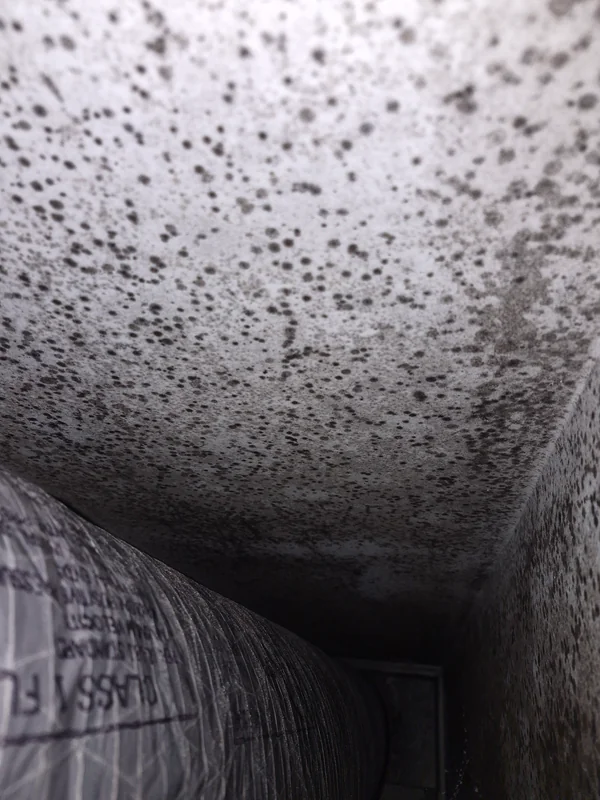
Bath Addition sits in a section of Bristol Township where the Delaware River is a real part of life and so is the moisture it brings. Flooding events push groundwater into the foundations of these older homes, and that moisture doesn’t stay in the basement. It travels. It gets into walls, into crawl spaces, and eventually into the HVAC system, where dark, damp ductwork becomes exactly the kind of environment mold needs to take hold. Once it’s in there, every heating and cooling cycle is distributing it to every room.
The other thing worth knowing about homes in Bath Addition: most were built without central air conditioning. HVAC systems were added later sometimes decades later and that ductwork has been modified, patched, and largely forgotten ever since. A professional cleaning doesn’t just clear out dust. It gives you a clear picture of what’s actually been building up inside a system that, in many cases, has never been properly inspected.
We’re based in Bensalem right next door to Bath Addition. That’s not a technicality. When someone in Bath Addition calls about a mold concern in their HVAC system, our response is fast and the person showing up actually knows this area.
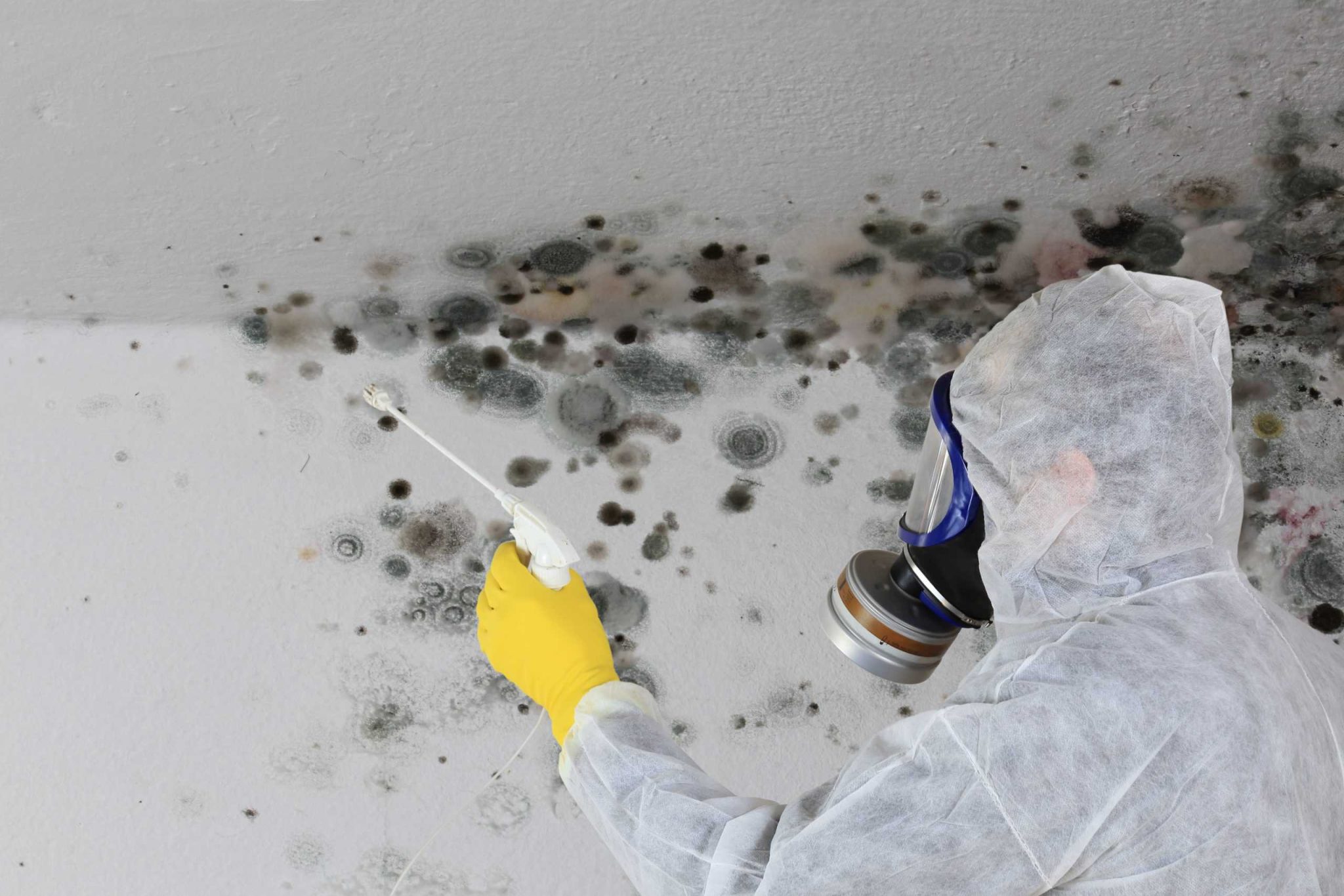
With over 15 years of experience serving Bucks County, we bring certified mold remediation expertise to every air duct cleaning job. That matters here more than it might somewhere else. The combination of 1950s housing stock, aging ductwork, and Delaware River moisture conditions in Bath Addition creates a specific set of problems that a general HVAC cleaning company isn’t trained to handle. Disturbing mold inside ductwork without proper containment protocols can spread spores through the entire home making a manageable problem significantly worse.
We also work directly with insurance companies when water damage or flooding is involved, and we offer free inspections so you know exactly what you’re dealing with before any work begins.

It starts with a free inspection. Before anything else, one of our certified inspectors takes a close look at your HVAC system the ductwork, the registers, the areas around the coils and drip pans where moisture tends to collect. In a Bath Addition home, that inspection often turns up things that haven’t been seen in decades. Homes accessed off Bristol Oxford Valley Road onto streets like Hatfield or Old Orchard Lane are mostly 1950s construction, and the ductwork in those homes tells a story. The inspection determines whether you’re dealing with routine buildup, biological growth, or active mold and that shapes everything that comes next.
If mold is found, our approach changes from a standard cleaning to a proper mold remediation process. That means containment first isolating the affected sections so spores aren’t disturbed and pushed into the living space followed by mechanical removal using professional-grade equipment. This is the step that separates a mold specialist from a general duct cleaner. When the source is biological, you need containment protocols, not just a powerful vacuum.
After the cleaning is complete, we test the affected areas to confirm mold levels have returned to safe ranges. You get documentation, not just a handshake. If your situation involves an insurance claim which is common in Bath Addition after flooding events near the Delaware River that documentation matters.
Ready to get started?
Our air duct cleaning service covers both supply and return ducts not just the registers you can see. That distinction matters. A lot of low-cost services clean what’s visible and leave the rest. In a Bath Addition home where the ductwork runs through interior walls and subfloor cavities that have been absorbing Bristol Township moisture for 60-plus years, what’s not visible is often where the real problem lives.
Beyond mechanical cleaning, we also offer air duct sanitizing an antimicrobial treatment applied to the duct surfaces after cleaning. For Bath Addition homes where the underlying moisture conditions aren’t going away (older foundations, river proximity, heavy annual rainfall), sanitizing adds a layer of protection against biological regrowth that cleaning alone doesn’t provide. We also provide dryer vent cleaning, and it’s worth taking seriously in homes this age. Vent configurations in 1950s construction often run longer distances or through outdated pathways, and the NFPA reports that failure to clean dryer vents is the leading cause of dryer-related house fires roughly 15,970 per year nationally.
Financing is available for homeowners who need the work done now but want flexibility on timing the cost. We provide free inspections and upfront pricing before any work begins.

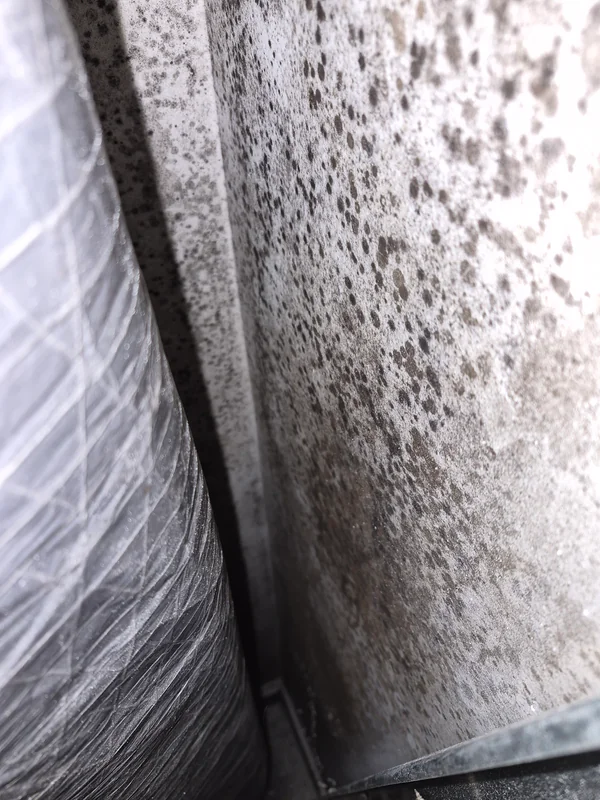
The most common sign is a musty or stale smell that shows up specifically when your HVAC system kicks on not all the time, but right when the air starts moving. That’s a strong indicator that something biological is living inside the ductwork and getting pushed into your living space every time the system runs. Other signs include worsening allergy or asthma symptoms that seem tied to being indoors, visible discoloration or dark spotting around your supply registers, or a history of water intrusion in your basement or crawl space.
In Bath Addition specifically, that last point is worth paying attention to. Bristol Township’s proximity to the Delaware River means basement moisture events are common and when groundwater gets into the foundation of a 1950s home, it doesn’t stay put. Moisture migrates into the HVAC system over time, and the interior of aging ductwork is exactly the kind of dark, damp environment where mold colonizes. If you’ve had any water in your basement in the past few years and haven’t had your ducts inspected, that’s a reasonable starting point for concern.
The honest answer is: it depends on why you’re doing it. The EPA’s position is that routine duct cleaning absent any specific problem has unclear benefits. But when there’s confirmed or suspected mold, evidence of pest activity, or significant debris buildup from a renovation or water event, cleaning is the right call. The EPA explicitly recommends it in those situations.
Where the scam concern comes from is real, though. The industry has a well-documented problem with low-ball offers companies that advertise $99 whole-house cleanings and then use that as a foot in the door for aggressive upselling once they’re in your home. A legitimate job, done properly with professional equipment on both supply and return ducts, costs significantly more than that. We provide free inspections and upfront pricing before any work starts. You know the full cost before anyone picks up a tool. If the inspection shows your ducts are genuinely fine, we’ll tell you that too.
They’re two separate steps that address two different problems. Cleaning is the mechanical process using professional equipment to physically remove dust, debris, and biological matter from inside the ductwork. Sanitizing is what comes after: applying an antimicrobial treatment to the interior duct surfaces to kill any remaining biological contamination and inhibit future growth.
If the issue in your ducts is mold, cleaning alone isn’t enough. You can remove the visible growth, but mold spores are microscopic and can survive on duct surfaces even after a thorough mechanical cleaning. Sanitizing addresses that. For Bath Addition homeowners, this step is particularly relevant because the conditions that caused mold to grow in the first place aging foundations, Delaware River moisture, lower Bucks County’s above-average annual rainfall aren’t going away after the cleaning is done. Sanitizing gives the cleaned surfaces a level of biological resistance that helps prevent the problem from returning as quickly.
Yes, and it’s worth understanding how. Homes built in Bath Addition during the 1950s Levittown-era construction boom were originally built without central air conditioning. HVAC systems were retrofitted later sometimes in the 1960s, sometimes in the 1980s and the ductwork installed during those retrofits has often been modified multiple times since. That means the system running through your walls and floors today may have sections of different ages, different materials, and different levels of deterioration.
From a cleaning standpoint, this creates a few practical considerations. Older duct materials can be more fragile, so the inspection phase matters a lot you want to know what you’re working with before applying mechanical pressure. It also means there’s a higher likelihood of finding accumulated biological growth, because these systems have had decades to collect moisture cycling and humidity without ever being professionally cleaned. A certified mold inspector who has worked in this type of housing stock which we have, throughout Bucks County will know what to look for and how to handle it without creating new problems in the process.
It can, and that’s actually one of the more serious aspects of mold in ductwork. Your HVAC system is designed to move air to every room in your home simultaneously. When mold is present inside the ducts, every time the system runs, it’s distributing spores through every supply register in the house. A mold colony that started in one section of ductwork say, near a return duct in a damp basement can effectively seed every room in the home over time.
This is also why the cleaning approach matters so much. A company that opens up a mold-contaminated duct and starts vacuuming without proper containment protocols can accelerate exactly this kind of spread. Disturbing mold without isolating the affected sections first pushes spores into the air and into the broader duct system. We use containment procedures before any mechanical cleaning begins, specifically to prevent that from happening. The goal is to remove the problem not move it around.
Yes, we provide dryer vent cleaning, and it’s a service that tends to get overlooked until something goes wrong. The NFPA reports approximately 15,970 home structure fires per year involving dryers, and failure to clean the dryer vent is the leading cause. That’s a fire safety issue, not just a maintenance preference.
In Bath Addition and the surrounding Bristol Township neighborhoods, this is worth taking seriously for a specific reason: homes built in the 1950s often have dryer vent configurations that were installed or last updated decades ago. Older vent runs in this type of construction can be longer than current best practices recommend, may pass through more interior wall sections, or may use outdated flexible duct materials that collect lint more readily than rigid metal. A vent that hasn’t been cleaned in several years and in a home this age, it may have been much longer can reach dangerous lint accumulation levels well before any visible warning signs appear. We can inspect and clean the vent as part of the same service visit, so you’re not scheduling a separate appointment for it.
Other Services we provide in Bath Addition