
Hear from Our Customers
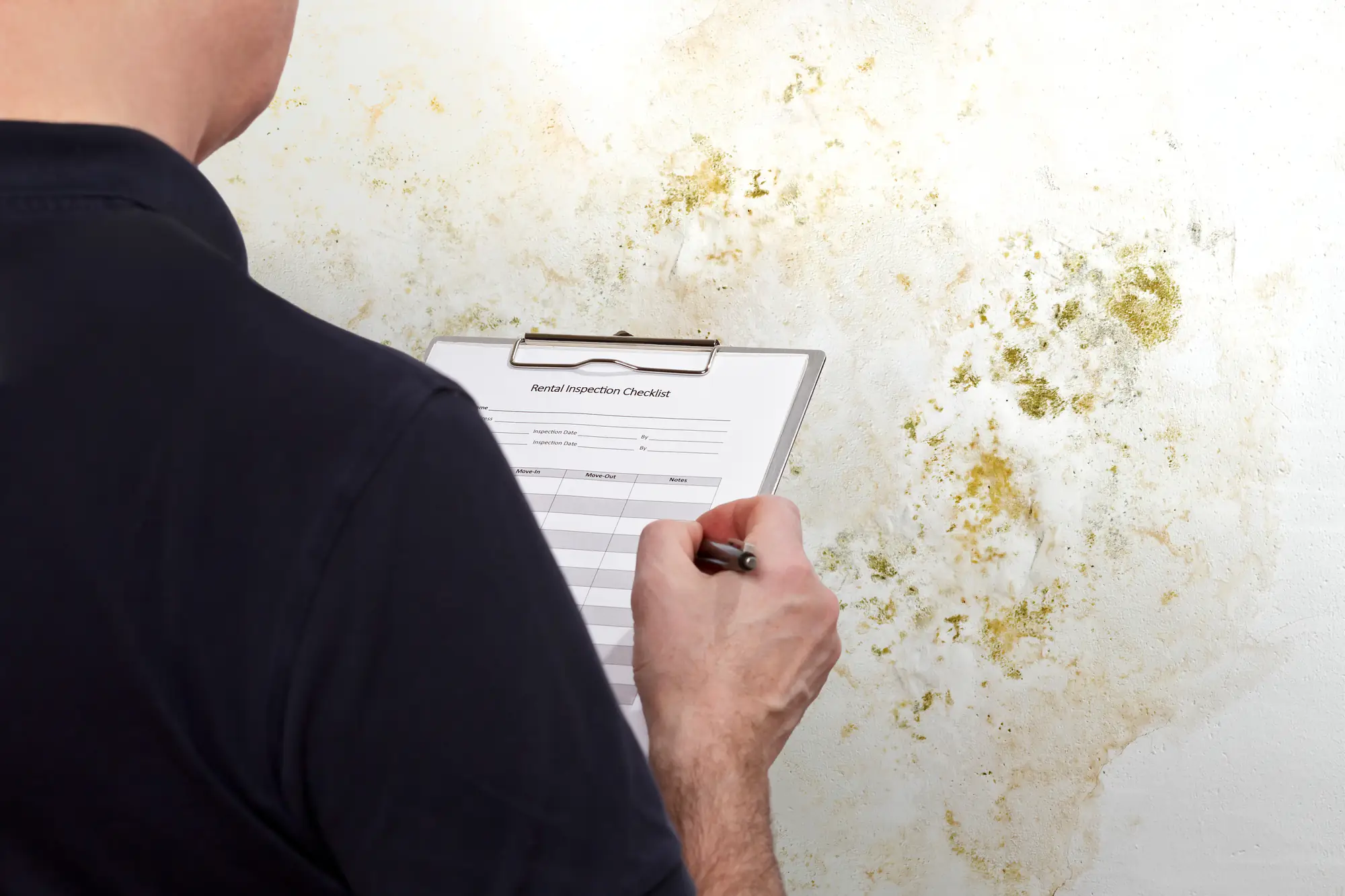
Most homeowners in Winder Village don’t realize they have a mold problem until someone gets sick or they spot visible growth. By then, you’re looking at expensive remediation and potential structural damage.
A proper mold inspection tells you what’s actually happening in your home. We check the areas you can’t see—inside walls, under flooring, in HVAC systems, and anywhere moisture gets trapped. You get a clear report that shows whether you have mold, what type it is, and how serious the situation is.
That information matters when you’re buying a home, dealing with water damage, or just trying to figure out why your family keeps getting respiratory issues. Early detection through professional mold testing saves you from costly removal treatments down the line. In Bucks County, where humidity and precipitation create perfect conditions for mold growth, knowing what’s in your home isn’t paranoia—it’s smart homeownership.
We serve homeowners throughout Winder Village and Bucks County with one focus: accurate mold detection using technology that actually works. We’re not here to upsell you on services you don’t need or miss problems that will cost you later.
Our team uses thermal imaging, moisture mapping, and air sampling to find mold growth in places most people never think to check. We’ve inspected hundreds of homes across Bucks County, and we know exactly where mold hides in Pennsylvania’s humid climate.
You get a straightforward assessment, a detailed report, and honest recommendations. No pressure, no guessing, no wondering if you’re being taken advantage of. Just the information you need to make the right call for your home and your family.
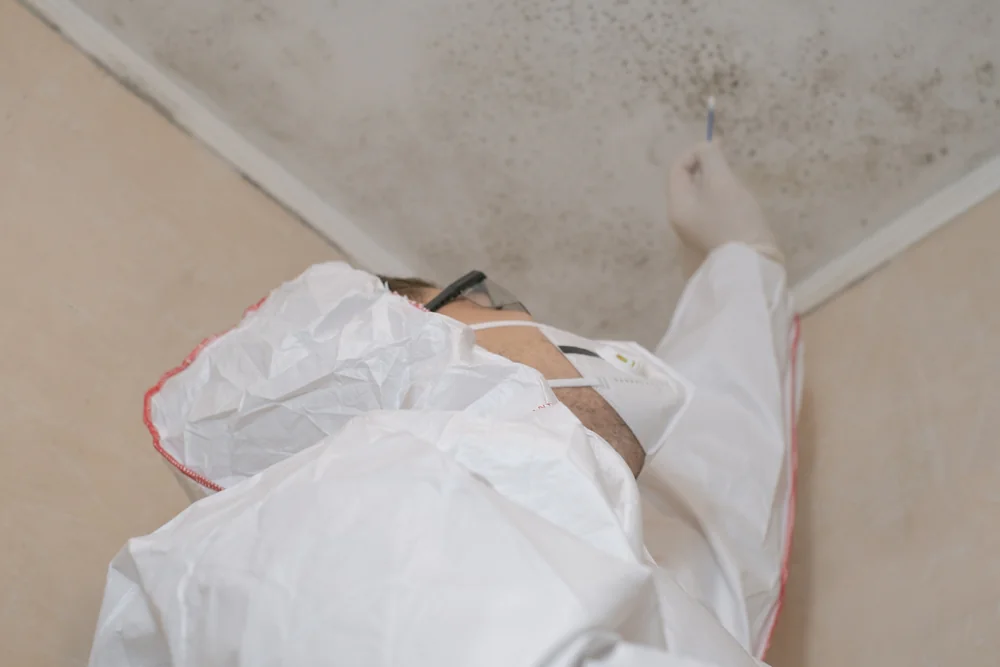
We start with a visual assessment of your entire property. That means checking basements, crawl spaces, attics, bathrooms, and anywhere water or humidity could create problems. We’re looking for visible mold, water stains, moisture buildup, and conditions that support mold growth.
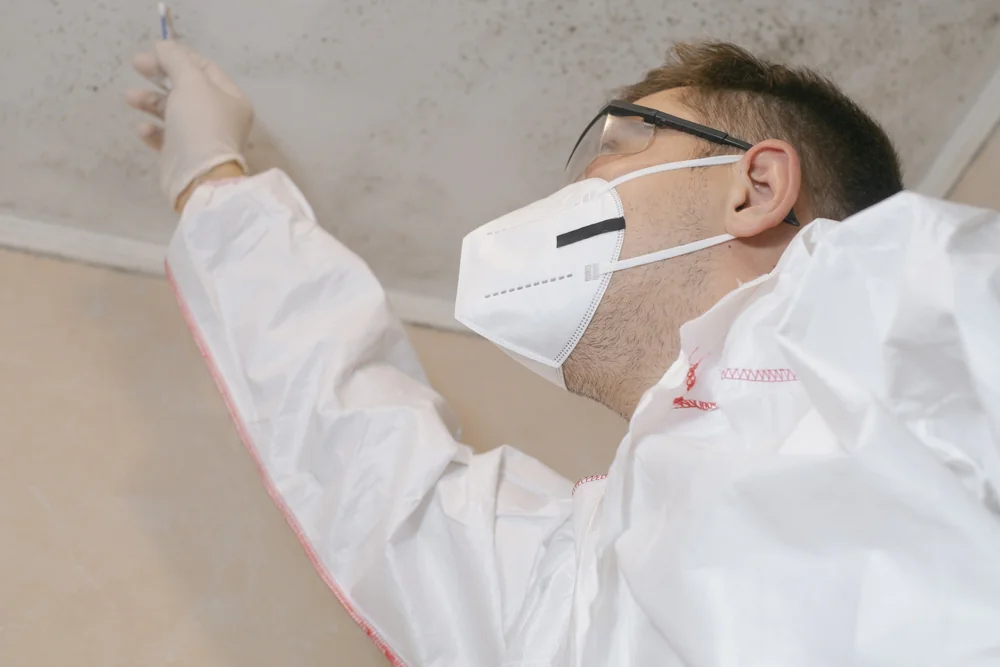
Next comes the technology. We use thermal imaging to detect temperature differences that indicate moisture behind walls or under floors. Moisture meters tell us exactly how wet building materials are. If we find concerning areas, we take air samples and surface samples to identify the specific type of mold and concentration levels.
You get a full report within a few days. It breaks down what we found, where we found it, and what it means for your home. If you need remediation, we explain what that looks like. If you just need better ventilation or a dehumidifier, we’ll tell you that too. The goal is giving you accurate information so you can move forward with confidence, whether that’s completing a real estate transaction, filing an insurance claim, or planning remediation work.

Ready to get started?
Every mold inspection in Winder Village includes a complete property assessment. We examine all visible areas and use diagnostic equipment to check hidden spaces where mold typically grows undetected.
Your inspection includes thermal imaging to map moisture patterns, air quality sampling to measure mold spore levels, and surface testing when we identify suspicious growth. We also inspect your HVAC system, since ductwork often harbors mold that spreads throughout your home every time the system runs.
Bucks County’s climate creates specific challenges. Pennsylvania has seen a 5% to 10% increase in precipitation recently, and that extra moisture has to go somewhere. Basements, crawl spaces, and older homes with poor ventilation are especially vulnerable. We know where to look in local properties because we’ve seen how mold behaves in this area.
You receive documentation that works for insurance claims, real estate transactions, or your own peace of mind. The report includes photos, lab results if we sent samples for testing, and clear explanations of what action—if any—you should take. No jargon, no confusion, just straight answers about what’s happening in your home.

Most professional mold inspections in Bucks County run between a few hundred dollars for a basic assessment and more for comprehensive testing with lab analysis. The exact cost depends on your home’s size, how many areas need testing, and whether you need air sampling or just a visual inspection with moisture detection.
Here’s what affects the price: a 1,500 square foot home with one suspected problem area costs less than a 3,000 square foot property where we’re testing multiple rooms and taking several air samples. If you’re buying a home and just need confirmation that there’s no major mold issue, that’s different from investigating ongoing health symptoms where we need detailed lab work to identify specific mold types.
Some insurance policies cover mold inspection if the mold resulted from a covered event like a burst pipe or storm damage. Check your policy before assuming you’re paying out of pocket. Even without coverage, the cost of an inspection is minimal compared to what you’ll spend on remediation if you let a mold problem go undetected. Homes with serious mold issues can require $10,000 or more in remediation work.
The most obvious sign is visible mold growth—dark spots on walls, fuzzy growth on bathroom ceilings, or discoloration around windows. But you can have a serious mold problem without seeing anything at all.
Pay attention to musty odors that don’t go away, even after cleaning. That smell usually means mold is growing somewhere you can’t see—behind drywall, under flooring, or inside your HVAC system. If family members are experiencing unexplained respiratory issues, headaches, or allergy symptoms that improve when they leave the house, mold could be the cause.
Water damage always warrants an inspection, even if you dried everything quickly. Mold can start growing within 24 to 48 hours of water exposure, and it often develops in hidden areas where you can’t monitor it. Previous flooding, leaky pipes, roof leaks, or even high humidity in basements creates conditions where mold thrives. In Winder Village and throughout Bucks County, our humid climate means homes are constantly at risk. If you’re buying a home, getting an inspection before closing protects you from inheriting someone else’s mold problem.
A typical mold inspection for an average-sized home takes two to three hours. Larger properties or homes with multiple problem areas take longer. We’re not rushing through your home—we’re checking everywhere mold typically hides.
The inspection itself involves visual assessment of all accessible areas, thermal imaging to detect moisture behind surfaces, and collecting air or surface samples if needed. We examine basements, crawl spaces, attics, bathrooms, kitchens, and around windows and doors. HVAC systems get checked because ductwork often harbors mold that spreads through your home.
After the on-site inspection, lab analysis of any samples takes a few days. You’ll receive a complete report with findings, photos, and recommendations. If we’re just doing a visual inspection with moisture detection and no lab work, you can get preliminary results the same day. Most homeowners in Winder Village schedule inspections when they have a few hours to be present, ask questions, and understand what we’re finding as we go through the property.
You can buy DIY mold test kits, but they won’t give you the same information as a professional inspection. Those kits typically collect air samples that you mail to a lab, but they don’t tell you where mold is growing, how extensive the problem is, or what’s causing it.
Professional mold detection uses thermal imaging and moisture meters to find hidden mold growth behind walls, under floors, and in other areas you can’t access without tearing your home apart. We know where to look based on how homes in Bucks County are built and where moisture typically accumulates. A DIY kit might confirm that mold spores are present—which is true in virtually every home—but it won’t tell you if you have a problem that needs remediation.
Pennsylvania requires a license to conduct professional mold assessment. That licensing exists because proper mold inspection requires training in building science, moisture dynamics, and how to interpret test results. If you’re dealing with health symptoms, buying a home, or filing an insurance claim, you need documentation from a certified inspector. DIY testing won’t hold up in those situations, and it might give you false confidence about a problem that’s actually serious.
Mold inspection identifies whether you have mold, what type it is, where it’s growing, and how severe the problem is. Mold remediation is the actual removal and cleanup process. You need to know what you’re dealing with before you start tearing out drywall or spending money on remediation.
Think of inspection as the diagnosis and remediation as the treatment. During an inspection, we’re gathering information using visual assessment, moisture detection, and lab testing. We’re not removing anything or making repairs—we’re documenting the current condition of your property and giving you a roadmap for what needs to happen next.
Some companies do both inspection and remediation, which can create a conflict of interest. They have an incentive to find problems that require expensive remediation work. We focus on accurate detection so you get honest information about your home. If you need remediation, we’ll tell you what that involves and help you understand your options. If you just need to fix a ventilation issue or reduce humidity, we’ll tell you that too. The inspection comes first because you can’t make good decisions without accurate information about what’s actually happening in your home.
It depends on what caused the mold. Most Pennsylvania homeowners insurance policies cover mold inspection and remediation if the mold resulted from a covered peril—like a burst pipe, storm damage, or sudden water damage from a malfunctioning appliance. They typically won’t cover mold that developed from long-term neglect, poor maintenance, or ongoing moisture problems you ignored.
Read your policy carefully. Some policies have specific mold coverage limits, often capped at a few thousand dollars. Others exclude mold entirely unless you purchased additional coverage. If you’re filing a claim, document everything. Take photos, keep records of when you discovered the problem, and get a professional inspection as soon as possible.
Insurance companies want to see that you acted quickly to prevent further damage. If you knew about water damage and waited weeks to address it, they might deny your claim. Pennsylvania law requires home sellers to disclose known material defects including mold, but there’s no state regulation requiring mold remediation. That means the burden is on you as a homeowner to address problems before they escalate. Getting an inspection after any water damage—even if you think you dried everything—protects you from discovering a major mold problem months later when insurance won’t cover it.
Other Services we provide in Winder Village