
Hear from Our Customers
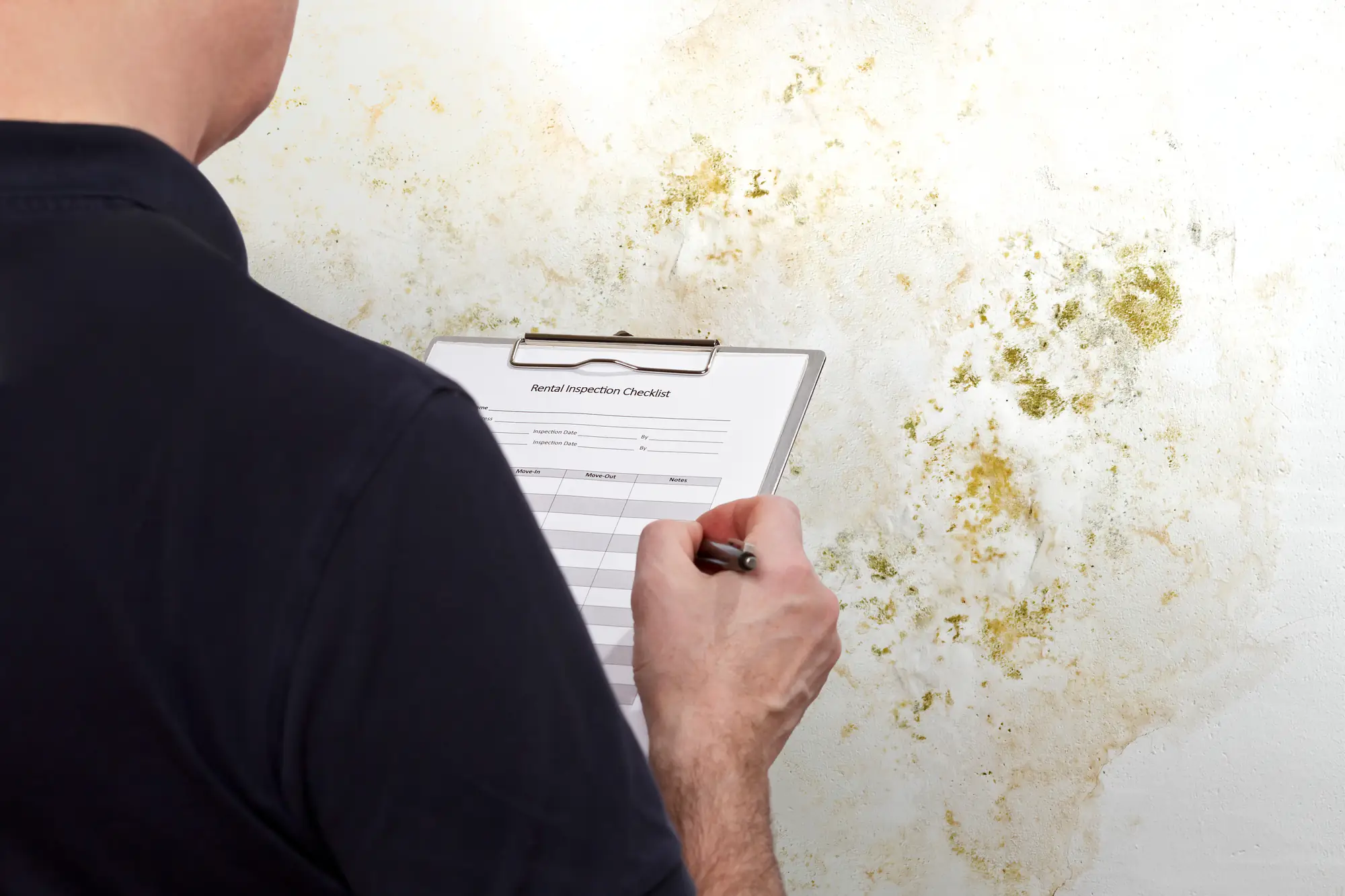
You’re not imagining it. The musty smell, the persistent cough, the worry every time you walk past that water stain—these things eat at you. A professional mold inspection gives you actual answers instead of sleepless nights wondering what’s hiding behind your walls.
When you know exactly what you’re dealing with, the anxiety stops. You’ll get a detailed report that identifies mold types, contamination levels, and the source of the problem. No more guessing whether that dark spot is serious or if your family’s health is at risk.
The inspection also protects your property value. Mold issues can slash your home’s worth by 20% to 37% if left unchecked. Early detection means you can address problems before they become deal-breakers for buyers or insurance nightmares for you.
We’ve been serving Pennsport, PA homeowners with certified mold inspection services that put your needs first. We don’t do remediation, which means our testing results aren’t influenced by trying to sell you removal services. You get unbiased facts.
Our inspectors are certified through InterNACHI and trained to find mold in places you’d never think to look. Pennsport’s older housing stock and proximity to the Delaware River create perfect conditions for hidden moisture problems. We know the local construction styles, common problem areas, and exactly where mold loves to hide in homes around here.
When you work with us, you’re getting someone who’s done this thousands of times and knows the difference between surface mildew and a serious contamination issue.
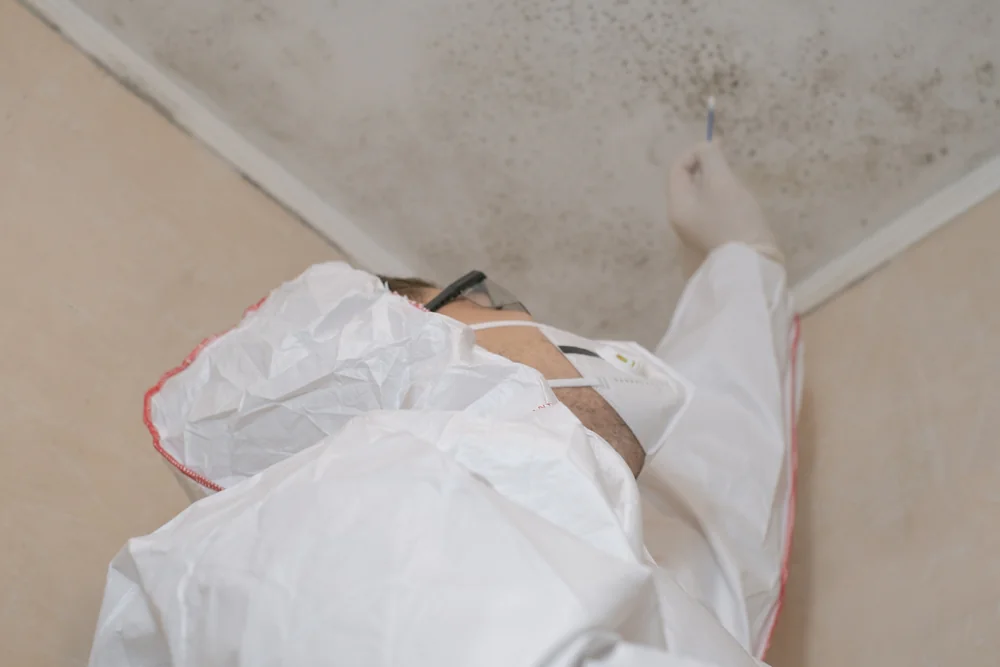
The inspection starts with a conversation. You’ll tell us what you’ve noticed—smells, stains, health symptoms, water damage history. This helps us focus on the most likely problem areas first.
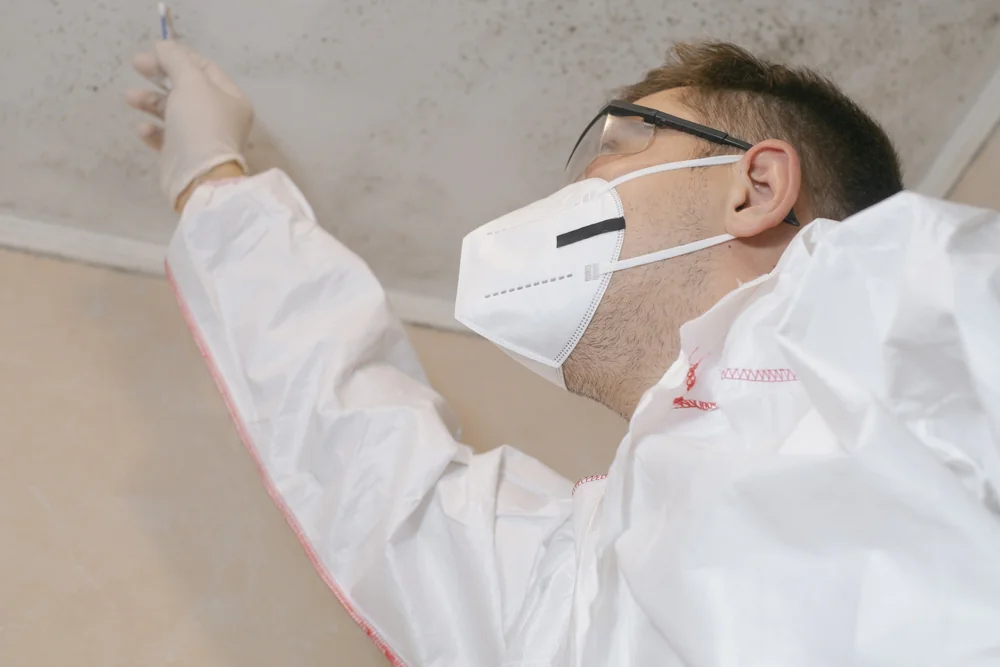
Then we do a thorough visual assessment of your property. We’re checking bathrooms, basements, attics, HVAC systems, and any spaces with poor ventilation or past moisture issues. We use moisture meters and thermal imaging to detect hidden water sources that feed mold growth.
Next comes the testing. We take air samples and surface samples from suspected areas. These get sent to an independent lab for analysis. You’ll receive a detailed report within days that breaks down exactly what types of mold are present, concentration levels, and whether they pose health risks.
The report also includes our professional recommendations. We’ll tell you what needs attention immediately and what you can monitor. If remediation is necessary, you’ll have documentation that any qualified mold removal company can work from—or that your insurance company will accept.

Ready to get started?
Your inspection includes a comprehensive visual assessment of the entire property, not just the obvious problem spots. We’re trained to identify conditions that promote mold growth, even if you don’t see visible mold yet.
You’ll get both air quality testing and surface sampling. Air tests measure airborne mold spores throughout your home, while surface samples identify specific mold species on walls, floors, or other materials. This combination gives you the complete picture of what’s happening in your indoor environment.
Pennsport homes, especially those built before 1950, often have basements with stone foundations and limited waterproofing. These older construction methods make moisture intrusion common, particularly during heavy rain or snowmelt. Our inspectors understand these local challenges and know where to look for the resulting mold problems.
The lab analysis identifies not just the presence of mold, but the specific types and their concentrations. This matters because some molds produce mycotoxins that cause serious health effects, while others are relatively harmless. You’ll know exactly what you’re dealing with and whether it requires immediate action.
Most professional mold inspections in Pennsport range from $300 to $600 depending on your property size and the extent of testing needed. A typical single-family home inspection with air and surface sampling usually falls around $400 to $500.
The cost covers the inspector’s time on-site (usually 2-4 hours for a thorough assessment), laboratory analysis of samples, and a detailed written report with findings and recommendations. Some companies charge extra for additional air samples or testing in multiple areas, so ask upfront what’s included.
This investment often saves you money in the long run. Without professional testing, you might spend thousands on unnecessary remediation for a minor issue, or worse, miss a serious problem that grows into major structural damage. The inspection gives you facts to make informed decisions about your next steps.
A mold inspection is the complete assessment—it includes the visual examination of your property, identification of moisture sources, and evaluation of conditions that support mold growth. It’s the detective work that determines where problems exist and why.
Mold testing is the laboratory analysis part. It involves collecting air or surface samples and sending them to a lab to identify specific mold species and concentration levels. Testing gives you scientific data about what’s actually present.
You need both for a complete picture. The inspection finds the problems and their causes. The testing confirms what types of mold you’re dealing with and whether concentrations are elevated enough to require remediation. Some situations only need an inspection—if there’s obvious extensive mold growth, you already know you need removal. But when mold is hidden or you’re experiencing health symptoms without a clear source, testing becomes essential for proper diagnosis.
You can buy DIY mold test kits at hardware stores, but they have serious limitations. Most kits only tell you that mold is present—which isn’t particularly useful since mold exists in virtually every indoor environment. They don’t tell you the concentration levels, whether it’s a problem, or where it’s coming from.
DIY kits also can’t access hidden mold behind walls, in ductwork, or under flooring where the real problems often hide. You might test a visible spot and miss the larger contamination issue growing out of sight. Plus, improper sampling technique can give you inaccurate results that either cause unnecessary panic or false reassurance.
A professional inspection includes the expertise to interpret findings in context. We know the difference between normal background mold levels and actual contamination. We can identify the moisture source feeding the growth, which is critical for solving the problem permanently. If you’re dealing with health concerns, property transactions, or insurance claims, you’ll need professional documentation anyway—the DIY kit won’t cut it for those situations.
A thorough mold inspection typically takes 2 to 4 hours depending on your property size and the complexity of the situation. Larger homes or properties with multiple problem areas take longer. We’re not rushing through—we’re checking every potential moisture source and mold habitat.
The on-site portion includes the visual assessment, moisture readings, thermal imaging, and sample collection. Then the samples go to the lab, which usually takes 3 to 5 business days to complete the analysis and send results. You’ll receive your detailed report shortly after we get the lab findings.
If you need faster results for a real estate transaction or urgent situation, some labs offer expedited testing for an additional fee. But in most cases, the standard timeline works fine. The few days of waiting is worth it to get accurate, reliable data about what’s happening in your home. Quick answers don’t help if they’re wrong answers.
Yes, your inspection report will include clear recommendations about whether remediation is necessary. We’ll tell you what needs immediate attention, what you can monitor, and what’s within normal levels that don’t require action.
The report breaks down findings by area and mold type. If we find elevated levels of toxic molds like Stachybotrys (black mold) or Aspergillus, we’ll recommend professional remediation. If it’s minor surface mold in a bathroom that you can clean yourself, we’ll tell you that too. The goal is giving you accurate information, not overselling problems.
Because we don’t do mold removal ourselves, you can trust our recommendations aren’t influenced by trying to upsell services. We’re the independent assessment—you can take our report to any qualified remediation company for quotes. Many homeowners appreciate this separation because it means they’re getting unbiased advice about what actually needs to be done versus what someone wants to sell them.
Pennsport’s location along the Delaware River and the neighborhood’s older housing stock create specific mold challenges. Many homes here were built in the early 1900s with stone foundations and minimal waterproofing, making basement moisture intrusion extremely common during heavy rain or spring thaw.
The area’s humidity levels, especially in summer months, combined with older homes that lack modern ventilation systems, create perfect conditions for mold growth. Bathrooms without exhaust fans, unventilated attics, and crawl spaces with poor air circulation are frequent problem spots. Row homes, which are common in Pennsport, can also trap moisture between shared walls.
Past flooding events near the riverfront have left some properties with lingering moisture issues in foundations and lower levels. Even homes that were properly dried after flooding can develop mold problems years later if the initial water damage wasn’t completely addressed. If your home has a history of water intrusion, leaky roofs, plumbing issues, or you’ve noticed that musty basement smell, a professional mold inspection can identify whether these conditions have led to actual mold growth that needs attention.
Other Services we provide in Pennsport