

Hear from Our Customers
The mold doesn’t come back three weeks later. Your basement stops smelling like a wet towel. You’re not wondering if there’s black mold behind the drywall that nobody checked.
Most mold removal companies show up, spray some stuff, wipe down the visible spots, and leave. That’s surface work. It doesn’t address why the mold grew in the first place.
If the leak’s still there, the humidity’s still high, or the ventilation’s still terrible, you’re just buying time. We go after the source—whether that’s a cracked foundation, condensation from poor airflow, or a slow pipe leak you didn’t know existed. Then we remove the contamination properly, using containment barriers and HEPA filtration so spores don’t spread to other rooms while we work.
You get documentation. You get post-testing if needed. And you get a home that’s actually clear—not just cleaner for a month.
We’ve spent over 15 years working in rowhouses, older builds, and flood-prone basements across Pennsport and the surrounding neighborhoods. We know what happens when summer humidity sits in a brick home with no central air. We know how Delaware River proximity affects moisture year-round.
This isn’t a national franchise following a script. We’re a local mold removal company that understands the specific problems South Philadelphia homeowners deal with—and how to fix them for good.
Our team is certified, our equipment is commercial-grade, and our process follows EPA standards and Pennsylvania regulations. We’re not here to upsell you or work for your insurance company. We work for you.

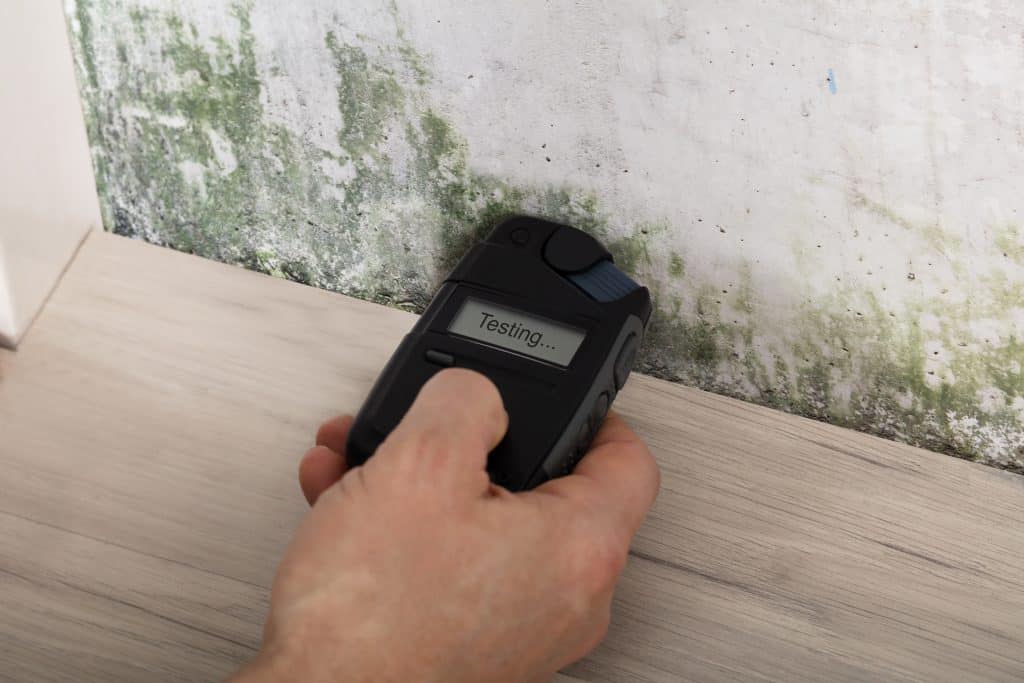
We start with a free inspection. That means someone comes out, checks the visible mold, uses a moisture meter to find hidden dampness, and explains what’s going on. No charge for that.
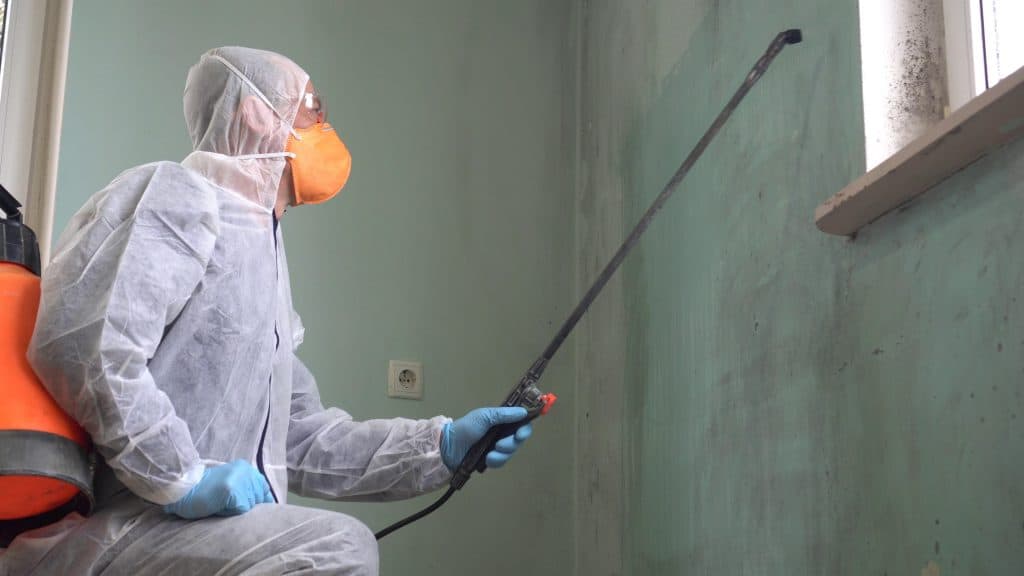
If you move forward, we contain the area so mold spores don’t travel through your HVAC or into other rooms. Then we remove contaminated materials—drywall, insulation, whatever can’t be salvaged. What can be cleaned gets treated with antimicrobial solutions and HEPA-vacuumed.
While that’s happening, we’re also identifying the moisture source. Leaky pipe? We’ll let you know. Poor ventilation in the crawl space? We’ll tell you what needs to change. High humidity with no dehumidifier? Same thing.
After removal, we run air scrubbers and verify the space is clear. Most jobs take one to five days depending on the size and severity. If your insurance is involved, we handle the documentation and work directly with your adjuster. You’re not navigating that process alone.
Ready to get started?
You get a full inspection with thermal imaging and moisture detection to find mold you can’t see. You get containment setup so the problem doesn’t spread. You get removal of contaminated materials and proper disposal.
We also handle the cleaning—HEPA vacuuming, antimicrobial treatment, air filtration. If drywall or flooring has to come out, we coordinate the rebuild. If your insurance requires lab testing to confirm the mold species, we arrange that too.
In Pennsport, a lot of the calls we get are for basement mold and crawl space issues. The rowhouse construction here wasn’t designed for the kind of humidity we see in July and August. Couple that with aging plumbing and you’ve got recurring problems that need more than a bottle of bleach.
We also see black mold in bathrooms with no exhaust fans, attic mold from roof leaks that went unnoticed, and mold behind washing machines where a slow drip sat for months. Every situation is different, but the process is the same—find it, remove it, fix what caused it.
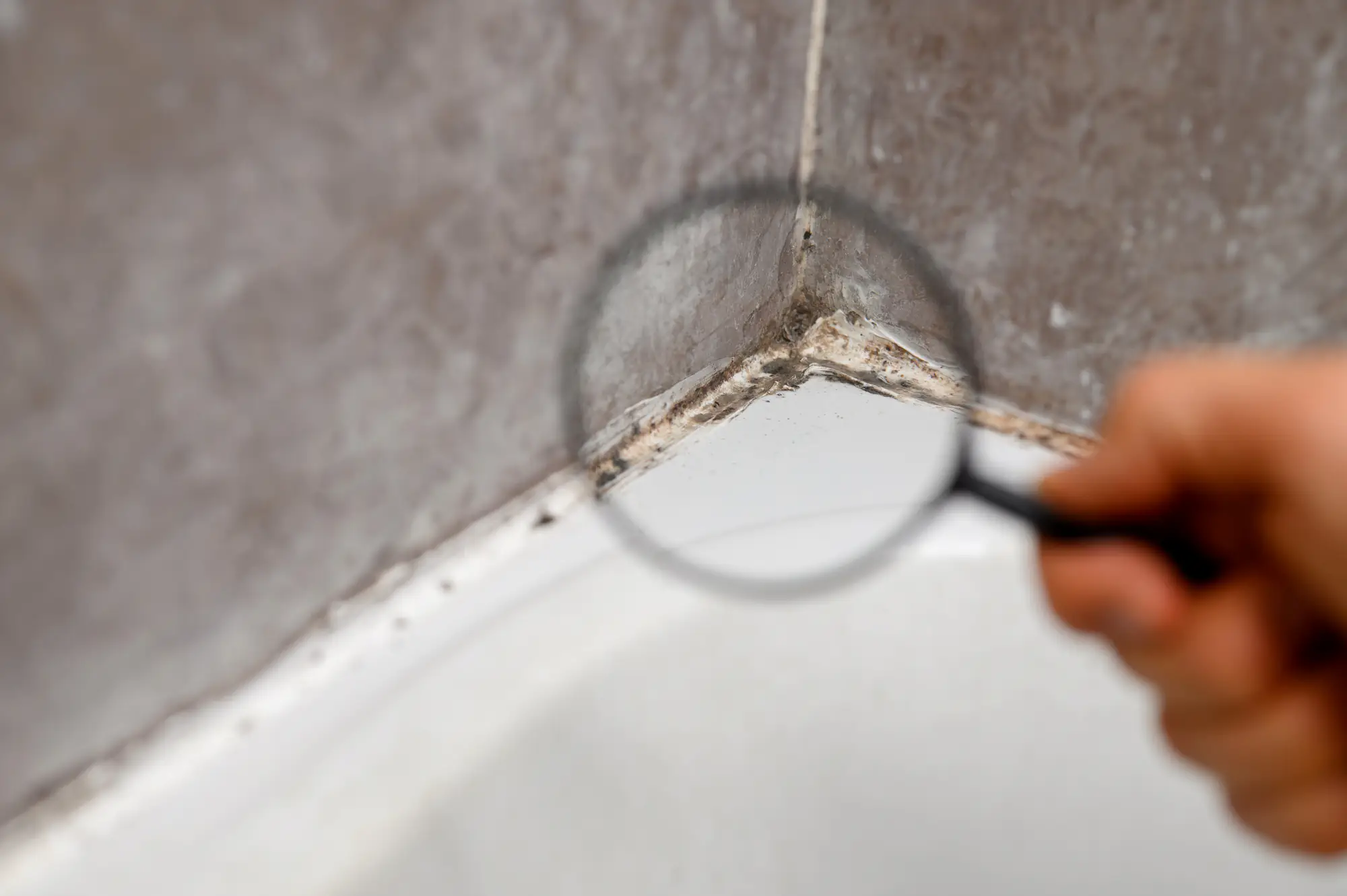
If the mold covers more than 10 square feet, it’s in your HVAC system, or it’s caused by contaminated water like sewage backup, you need a professional. The EPA uses that 10-square-foot threshold because anything larger usually means there’s a bigger moisture problem and a higher risk of spreading spores during cleanup.
You also want a mold specialist if you’ve tried cleaning it before and it came back. That’s a sign the source wasn’t fixed. DIY mold removal with bleach or vinegar only works on hard, non-porous surfaces—and even then, it doesn’t kill the roots if the material is already compromised.
If you’re dealing with black mold, have health issues like asthma, or aren’t sure what’s behind the wall, don’t risk it. Professional mold removal includes containment, proper ventilation, and equipment you don’t have at home. It’s not about the scrubbing—it’s about doing it safely and completely.
They’re mostly the same thing, but remediation is the more accurate term. You can’t remove every single mold spore from a building—mold exists everywhere. What you can do is bring it back to normal, safe levels and eliminate the active growth.
Mold remediation means identifying the contamination, removing affected materials, cleaning salvageable surfaces, and fixing the conditions that allowed mold to grow. It’s a complete process, not just a surface wipe-down.
Some companies use “mold removal” because that’s what people search for, but if they’re doing the job right, they’re doing remediation. That includes moisture control, air filtration, and post-cleanup testing to confirm the space is safe. If someone’s only talking about removal and not addressing humidity or leaks, that’s a red flag.
Most residential mold removal projects in Pennsport run between $1,200 and $3,400, with the average around $2,200. Small jobs—like a bathroom corner or under a sink—might cost $500 to $1,500. Larger jobs involving multiple rooms, attic mold, or structural damage can go up to $5,000 or more.
The price depends on the size of the affected area, what materials need to be removed, how accessible the mold is, and whether testing is required. Basements and crawl spaces tend to cost more because of limited access and the likelihood of hidden damage.
We give you a detailed estimate after the free inspection, so there’s no guessing. If insurance is covering it, we work with your adjuster and help you understand what’s included. The goal is transparency—you should know what you’re paying for and why before any work starts.
It depends on what caused the mold. If it’s from a sudden, accidental event—like a burst pipe or storm damage—most policies will cover remediation. If it’s from long-term neglect, poor maintenance, or gradual leaks, they usually won’t.
Insurance companies also require documentation. That means photos, moisture readings, and often lab-confirmed testing to prove the mold species and contamination levels. We handle that process and work directly with your adjuster to make sure everything’s submitted correctly.
Pennsylvania doesn’t require insurers to cover mold, so it comes down to your specific policy. Some have mold caps—like $10,000 max—even if the damage costs more. We recommend calling your insurance company as soon as you find mold, then calling us. We’ll help you figure out what’s covered and what your out-of-pocket costs might be.
Most residential mold removal jobs take one to five days depending on the extent of contamination and how much material needs to be removed. A small bathroom or closet might be done in a day. A full basement with structural damage could take a week or more.
The timeline includes setup and containment, removal of affected materials, cleaning and treatment, drying time, and post-remediation testing if required. We can’t rush the drying phase—if surfaces aren’t completely dry, mold will just grow back.
If reconstruction is needed after removal, that adds time. Replacing drywall, repainting, or reinstalling flooring happens after the mold work is verified complete. We’ll give you a realistic timeline during the estimate so you know what to expect. Most people are surprised how fast we move once the job starts, but we’re not cutting corners to save a day.
Don’t touch it or try to clean it with bleach if it’s larger than a small patch. You’ll stir up spores and spread them to other areas. Turn off your HVAC system if the mold is near a vent—you don’t want it circulating through the whole house.
If there’s active water or a leak, stop it if you can. Shut off the water supply to that area or put a bucket under the drip. Take photos for your records and your insurance company. Then call us for a free inspection.
If you’re smelling mold but can’t see it, that’s common in Pennsport’s older homes. It’s often behind walls, under floors, or in the crawl space. We use moisture meters and thermal imaging to track it down. The faster you address it, the less damage it does and the lower your remediation cost. Don’t wait for it to spread.
Other Services we provide in Pennsport