
Hear from Our Customers
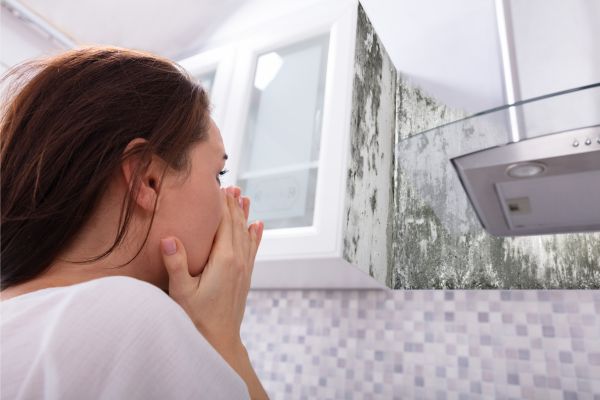
You’re not imagining that musty smell. Your kid’s cough isn’t just allergies. And that water stain from last winter? It left more than a mark.
Here’s what you get with professional mold testing: you know exactly what type of mold is in your home, where it’s hiding, and how much of it you’re dealing with. No guessing. No wondering if that dark spot in the corner is dangerous or just dirt.
You walk away with lab results that tell you if you need to act now or if you can breathe easy. You get documentation that insurance companies actually accept. And you get a clear path forward—whether that means remediation or just fixing a leak and moving on.
Most importantly, you stop lying awake wondering if your home is making your family sick.
We’ve been helping homeowners in Bucks County figure out their mold problems for years. We know the basements in Pennsport flood. We know the row homes hold moisture. We know the old HVAC systems in this area create condensation issues that nobody notices until it’s too late.
Our technicians are certified, our testing methods follow EPA guidelines, and our equipment actually works. We’re not here to scare you into services you don’t need. We test, we report, and we tell you the truth about what’s happening in your home.
You’re not getting a sales pitch. You’re getting results from a lab and a conversation about what those results actually mean for your property.
First, we show up and actually look at your property. Not just the obvious spots—we’re checking behind appliances, inside wall cavities if needed, around windows, in crawl spaces, and anywhere moisture likes to hide. We’re looking for visible mold, water damage, and conditions that let mold grow.
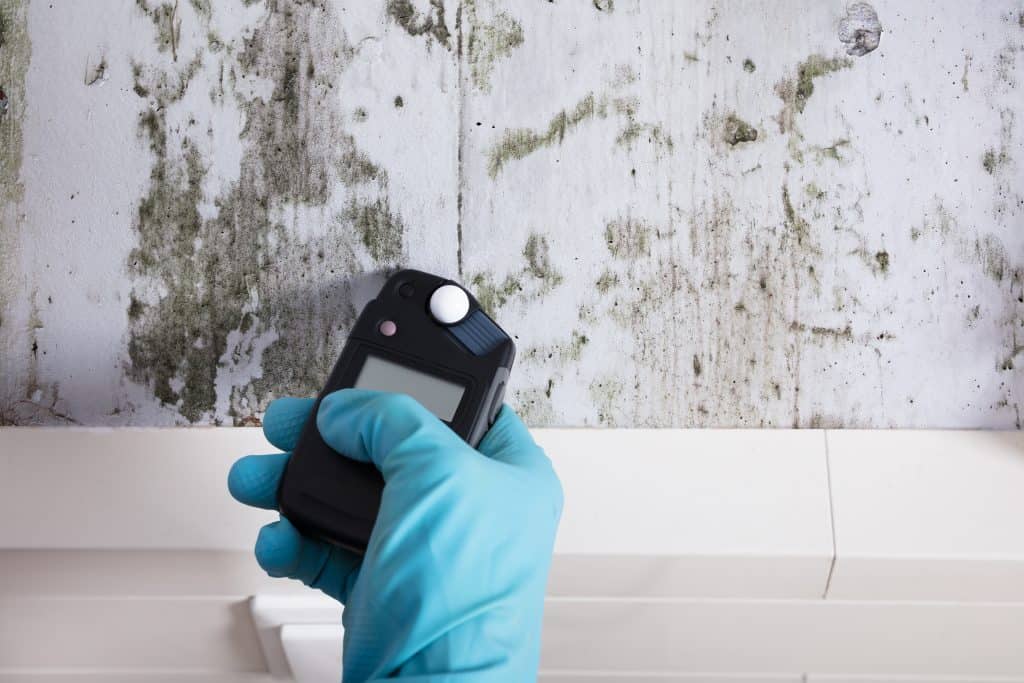
Then we collect samples. Air samples tell us what’s floating around that you’re breathing. Surface samples tell us what’s growing on your walls, floors, or belongings. We send everything to an independent lab because you deserve results that aren’t tied to whether we get hired for remediation.
You get a detailed report within a few days. It shows mold types, concentration levels, and where the problems are. We walk you through what it means in plain language—no jargon, no scare tactics. If you need remediation, we explain why. If you don’t, we tell you that too.
Then you decide what happens next. You’ve got the facts. You’ve got options. And you’ve got someone who actually knows Pennsport homes answering your questions.
Ready to get started?
You get a thorough inspection of your entire property—not just the room where you saw something suspicious. Pennsport homes, especially the older row houses near the Delaware, have unique moisture issues. Basement seepage is common. So is condensation from old heating systems. We check it all.
You get both air quality testing and surface testing. Air testing catches mold spores you can’t see. Surface testing identifies exactly what’s growing on that wall or ceiling. Both matter, and both get sent to a certified lab for analysis.
You get a written report that breaks down mold types, spore counts, and contamination levels. If we find Stachybotrys (black mold), you’ll know. If it’s just surface mildew from a humid bathroom, you’ll know that too. The report includes photos, lab results, and our assessment of moisture sources.
You also get honest recommendations. If your issue is a $50 dehumidifier and better ventilation, we’ll tell you. If you need full remediation, we’ll explain why and what’s involved. You’re not getting upsold. You’re getting information that helps you make the right call for your home and your budget.
You need professional mold testing if you can see mold growing, if you smell that persistent musty odor that won’t go away, or if someone in your home is dealing with unexplained respiratory issues or allergies that get worse indoors. You also need testing if you’ve had water damage—even if it was months ago and you think it dried out.
Here’s the thing about mold in Pennsport: our humidity levels during summer regularly hit 70% or higher. That’s more than enough for mold to grow inside wall cavities, under flooring, or in your HVAC system where you can’t see it. A visual inspection only catches surface problems.
Testing is also critical if you’re buying or selling a home, filing an insurance claim for water damage, or if a previous mold problem came back. You need documentation that shows exactly what you’re dealing with—not just a guess based on what something looks like.
A mold inspection is a visual assessment where a technician examines your property for signs of mold growth, water damage, and moisture problems. Testing goes further—it involves collecting air or surface samples and sending them to a lab for analysis.
You might only need an inspection if there’s obvious mold in one small area and you just want to confirm the source of moisture. But if you’re dealing with health symptoms, hidden mold, or you need documentation for insurance or real estate purposes, you need actual testing with lab results.
Most homeowners in Pennsport benefit from both. The inspection finds problem areas and moisture sources. The testing tells you exactly what type of mold is present and how much of it you’re dealing with. That combination gives you the full picture—and it’s what insurance companies and buyers expect to see if you’re making a claim or negotiating a sale.
The actual testing appointment usually takes one to two hours, depending on the size of your home and how many areas we’re sampling. We’re not rushing through it—we’re checking basements, attics, bathrooms, kitchens, and anywhere else moisture could be hiding.
Lab results typically come back within three to five business days. We use independent certified labs, not in-house testing that could be biased. Once we get the results, we schedule a time to walk you through the report and explain what everything means.
You’ll get a written report that includes lab analysis, photos from the inspection, moisture readings, and our recommendations. If you need remediation, we’ll give you a clear scope of work and pricing. If you don’t need remediation, we’ll tell you what you should monitor or fix to prevent future problems. The whole process from testing to having answers in your hand is usually less than a week.
You can, but those kits have serious limitations. Most hardware store test kits only tell you that mold is present—which isn’t helpful because mold spores exist in every home. They don’t tell you what type of mold it is, how much is there, or whether the levels are actually dangerous.
Professional testing uses calibrated equipment to measure air quality and collect samples from specific problem areas. The samples go to certified labs that can identify exact mold species and compare concentration levels to outdoor air. That’s critical information—you need to know if you’re dealing with common mildew or something like Stachybotrys that requires immediate attention.
DIY kits also can’t find hidden mold. In Pennsport’s older homes, mold often grows inside walls, under floors, or in HVAC systems. A petri dish sitting on your counter won’t catch that. Professional testing includes thermal imaging and moisture meters that detect problems you can’t see. If you’re serious about knowing what’s in your home, professional testing is worth the investment.
Proper testing doesn’t spread mold—it’s designed specifically to avoid that. When we collect air samples, we’re using equipment that captures spores without disturbing surfaces. Surface samples involve careful collection methods that don’t kick up spores into the air you’re breathing.
What does spread mold is improper cleanup. Scrubbing visible mold with bleach or tearing out contaminated materials without containment sends millions of spores airborne. That’s why testing before you touch anything is so important—you need to know the extent of contamination before you start ripping out drywall.
If we find significant mold during testing, we’ll recommend containment procedures before remediation starts. That means sealing off affected areas, using negative air pressure, and following EPA protocols that keep spores from traveling to clean areas of your home. Testing is the safe first step. It’s the cleanup without professional guidance that causes problems.
Professional mold testing in Pennsport typically ranges from $300 to $600 for a standard residential property, depending on the size of your home and how many samples we need to collect. That includes the inspection, sample collection, lab analysis, and a detailed report with recommendations.
If you’re testing a larger property or need extensive sampling—like testing multiple rooms or checking both indoor air quality and HVAC systems—the cost goes up. But you’re paying for accurate information from a certified lab, not a guess from someone trying to sell you remediation services.
Here’s what matters: testing costs a few hundred dollars now, but it can save you thousands later. If you have mold and don’t address it properly, it spreads. If you don’t have dangerous mold and someone convinces you that you do, you waste money on unnecessary remediation. Testing gives you facts so you can make the right decision for your home and your budget. We also offer free initial inspections—so you can get a professional assessment before committing to full testing.
Other Services we provide in Pennsport