
Mold Inspection in East Rockhill, PA

Find the Mold Before It Finds You

Hidden mold can damage your home and make your family sick. We’ll locate it, test it, and tell you exactly what needs to happen next.
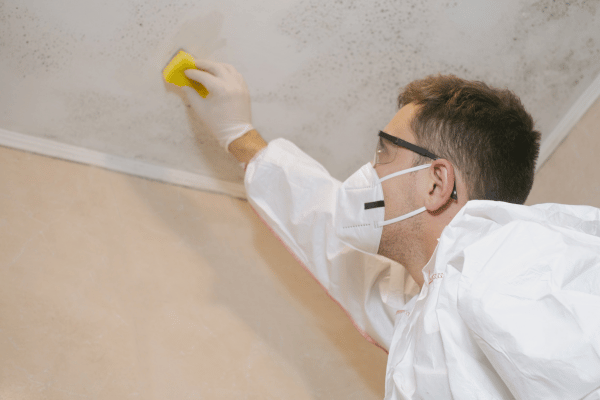
Protective worker in safety suit inspecting or treating mold spots on an indoor ceiling, addressing moisture damage and potential mold growth inside a building.

Hear from Our Customers

Home Mold Inspection Services

Know What's Growing in Your Home

You can’t fix what you can’t see. Mold grows behind walls, under floors, inside your HVAC system—places you’d never think to check. By the time you smell it or see discoloration, it’s already spread.

A professional mold inspection gives you the full picture. You’ll know if you’re dealing with surface mold or something deeper. You’ll know if it’s the harmless stuff or black mold that needs immediate attention. And you’ll have a clear plan instead of guessing what to do next.

This matters because half of interested home buyers walk away after learning about mold problems. Your property value can drop 20% to 37% if mold goes unaddressed. And if someone in your household has asthma or allergies, living with mold makes everything worse. We find it early so you can deal with it before it becomes expensive or dangerous.

Mold Detection Company East Rockhill

We've Been Doing This for Over 20 Years

We’ve spent two decades testing air quality and inspecting homes across Bucks County. We’re certified, we’re local, and we’ve seen what happens when mold gets ignored in East Rockhill’s humid summers and damp basements.

We’re not the cheapest option, and that’s intentional. You’re paying for accurate detection, honest reporting, and inspectors who know the difference between a minor issue and a major problem. We don’t upsell you on services you don’t need, and we don’t downplay risks to close a deal faster.

If you’re buying a home, selling one, or just want to know what’s happening inside your walls, we’ll give you straight answers. No scare tactics. No vague reports. Just clear information so you can make the right call for your property and your family.

Protective worker collecting a mold sample from a stained indoor ceiling using a swab, inspecting moisture damage and potential mold growth inside a building.

Our Mold Inspection Process

Here's What Happens When You Call Us

First, we talk. You’ll tell us what you’re seeing, smelling, or worried about—water damage, musty odors, health symptoms, whatever brought you here. That conversation helps us know where to focus when we arrive.

Then we inspect your property. We’re checking the obvious spots and the hidden ones: crawl spaces, attics, behind appliances, inside ductwork. We use moisture meters and thermal imaging to find areas where mold is likely growing, even if it’s not visible yet.

If we find something, we take samples. Those samples get tested to identify the type of mold and the contamination level. Within a few days, you’ll get a detailed report that explains what we found, where we found it, and what it means for your home. We’ll also walk you through the next steps—whether that’s remediation, further testing, or just keeping an eye on a minor issue.

You’re not locked into using us for removal. The inspection stands on its own. You’ll have the information you need to move forward however you choose.

Home interior with mold remediation in progress as a worker sprays treatment on a wall using a ladder, while a resident relaxes on a covered sofa in a renovated living room.

Ready to get started?

Explore More Services

About Mack's Mold Removal

Black Mold Inspection East Rockhill

What You Get with Our Inspection

Every mold inspection includes a full visual assessment of your property, moisture readings in key areas, and air quality testing if needed. We’re looking for active growth, water intrusion points, and conditions that let mold thrive.

East Rockhill homes face specific challenges. The area’s seasonal humidity and older housing stock mean basements stay damp, crawl spaces trap moisture, and attics don’t always ventilate properly. We know where mold hides in homes like yours because we’ve inspected hundreds of them.

If we take samples, they’re sent to a certified lab for analysis. You’ll get a report that identifies the mold species, spore counts, and contamination levels. We’ll explain what those numbers mean in plain language—no jargon, no guessing. And if remediation is necessary, we’ll outline what that process looks like, how long it takes, and what it typically costs.

You’ll also get recommendations for preventing future mold growth. Sometimes that’s as simple as fixing a leak or improving ventilation. Other times it requires more involved work. Either way, you’ll know exactly where you stand.

How much does a mold inspection cost in East Rockhill?

Most mold inspections in East Rockhill run between $300 and $600, depending on your home’s size and how much testing is needed. A basic visual inspection with moisture readings costs less than a full inspection with lab-tested air and surface samples.

If you’re buying or selling a home, expect to pay toward the higher end because lenders and buyers want detailed reports. If you’re just checking a specific area—like a basement corner with water stains—the cost is usually lower.

Some companies offer free inspections, but they’re often tied to remediation services. That’s not always a problem, but it can create a conflict of interest. We charge for inspections because it keeps the process independent. You get honest findings, not a sales pitch.

Most inspections take one to two hours, depending on your home’s size and layout. A small condo might take an hour. A larger home with a basement, attic, and crawl space could take closer to three hours.

We’re not rushing through it. We’re checking everywhere mold is likely to grow—bathrooms, kitchens, basements, attics, around windows, near HVAC systems. If we find something suspicious, we’ll spend extra time investigating that area.

After the inspection, lab results take three to five business days. Once we have those results, we’ll send you a full report and schedule a call to walk through the findings. From start to finish, you’ll have answers within a week.

You can check for visible mold and buy a DIY test kit, but it won’t tell you much. Those kits detect mold spores in the air, which are present in every home. What matters is the type of mold, the concentration, and where it’s growing—and DIY kits don’t answer those questions.

Professional inspections use calibrated equipment to measure moisture levels, thermal cameras to spot hidden water damage, and lab-tested samples to identify specific mold species. We also know where to look. Mold hides in places you wouldn’t think to check: inside wall cavities, under flooring, in HVAC ducts.

If you’re dealing with a small patch of surface mold on a bathroom tile, you can probably handle it yourself. If you’re smelling mold but can’t find it, or if someone in your home is getting sick, call us. The cost of an inspection is a lot less than the cost of ignoring a serious problem.

Mold inspection is the full process—visual assessment, moisture readings, identifying problem areas. Mold testing is the lab work that happens if we find something worth analyzing.

Not every inspection requires testing. If we see a small amount of surface mold in a bathroom with poor ventilation, we already know what’s causing it and how to fix it. Testing wouldn’t add useful information.

But if you’re buying a home and the seller claims the mold problem was fixed, testing confirms whether spore levels are back to normal. If someone in your household has unexplained respiratory issues, testing identifies whether toxic mold is present. If there’s hidden mold and we need to know how far it’s spread, testing gives us that data. We only recommend testing when it changes your next steps.

If you’re smelling a musty odor but can’t find the source, that’s a reason to call. If you’ve had water damage—leaking roof, burst pipe, basement flooding—and it’s been more than 48 hours, mold has likely started growing.

Other signs include visible discoloration on walls or ceilings, peeling paint, warped floors, or condensation on windows. If anyone in your home is experiencing worsening allergies, asthma, or respiratory issues, mold exposure could be the cause.

You should also get an inspection before buying a home, especially if it’s older or has a basement. Sellers aren’t always required to disclose mold problems, and you don’t want to find out after closing. An inspection gives you leverage to negotiate repairs or walk away if the problem is too big.

If we find mold, we’ll document it, test it if necessary, and explain what you’re dealing with. The report will show you where the mold is, what type it is, and how severe the contamination is.

From there, you’ll decide what to do next. Small areas of surface mold can often be cleaned up without professional help. Larger infestations or toxic mold like black mold require remediation—that means containment, removal, and treating the affected areas to prevent regrowth.

We’ll give you a clear estimate for remediation if you want us to handle it. If you’d rather hire someone else or get a second opinion, that’s fine. The inspection report is yours, and you’re free to use it however you need. Our job is to give you accurate information so you can make the right call for your home and your budget.

Other Services we provide in East Rockhill