
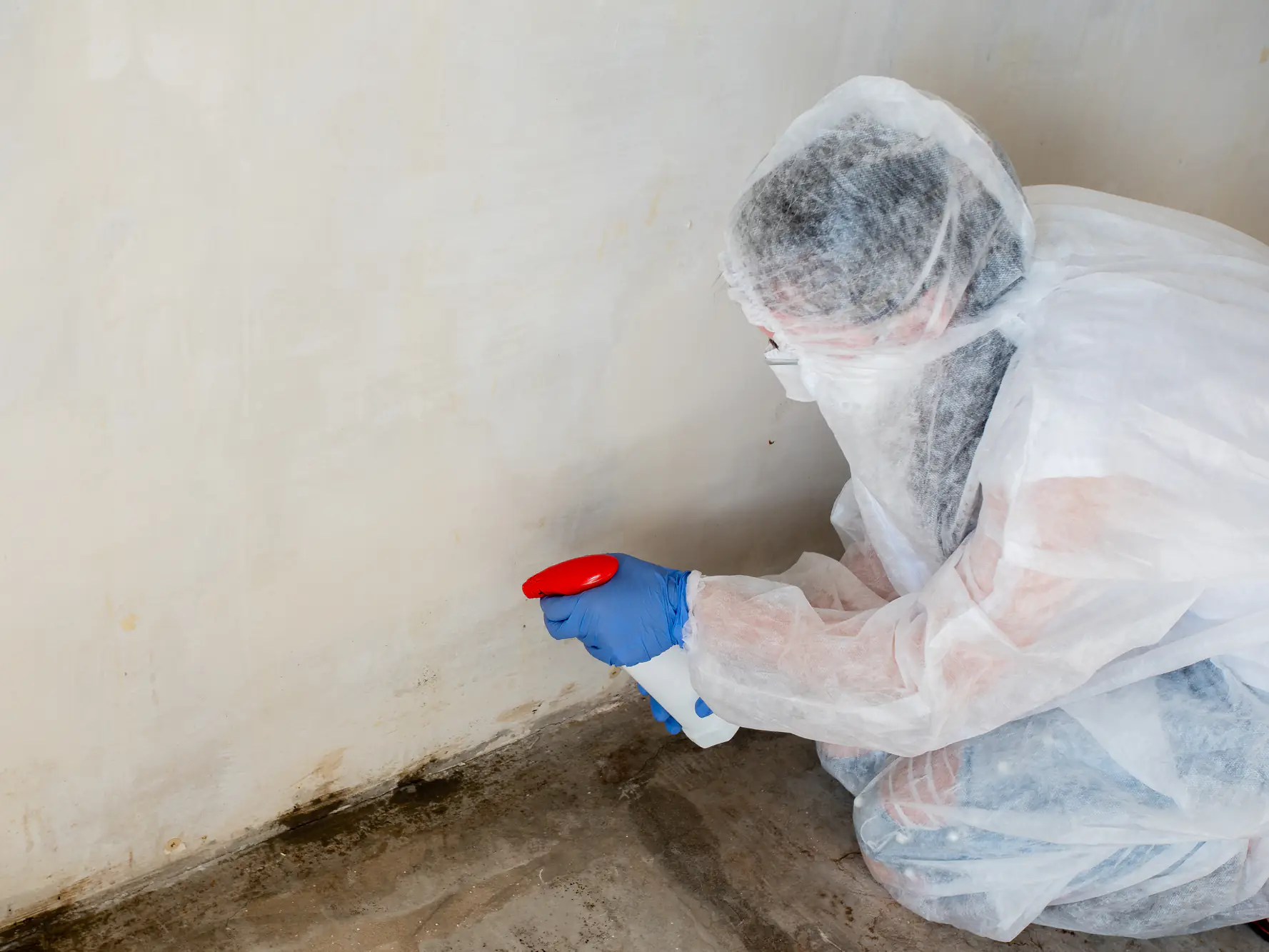
Hear from Our Customers
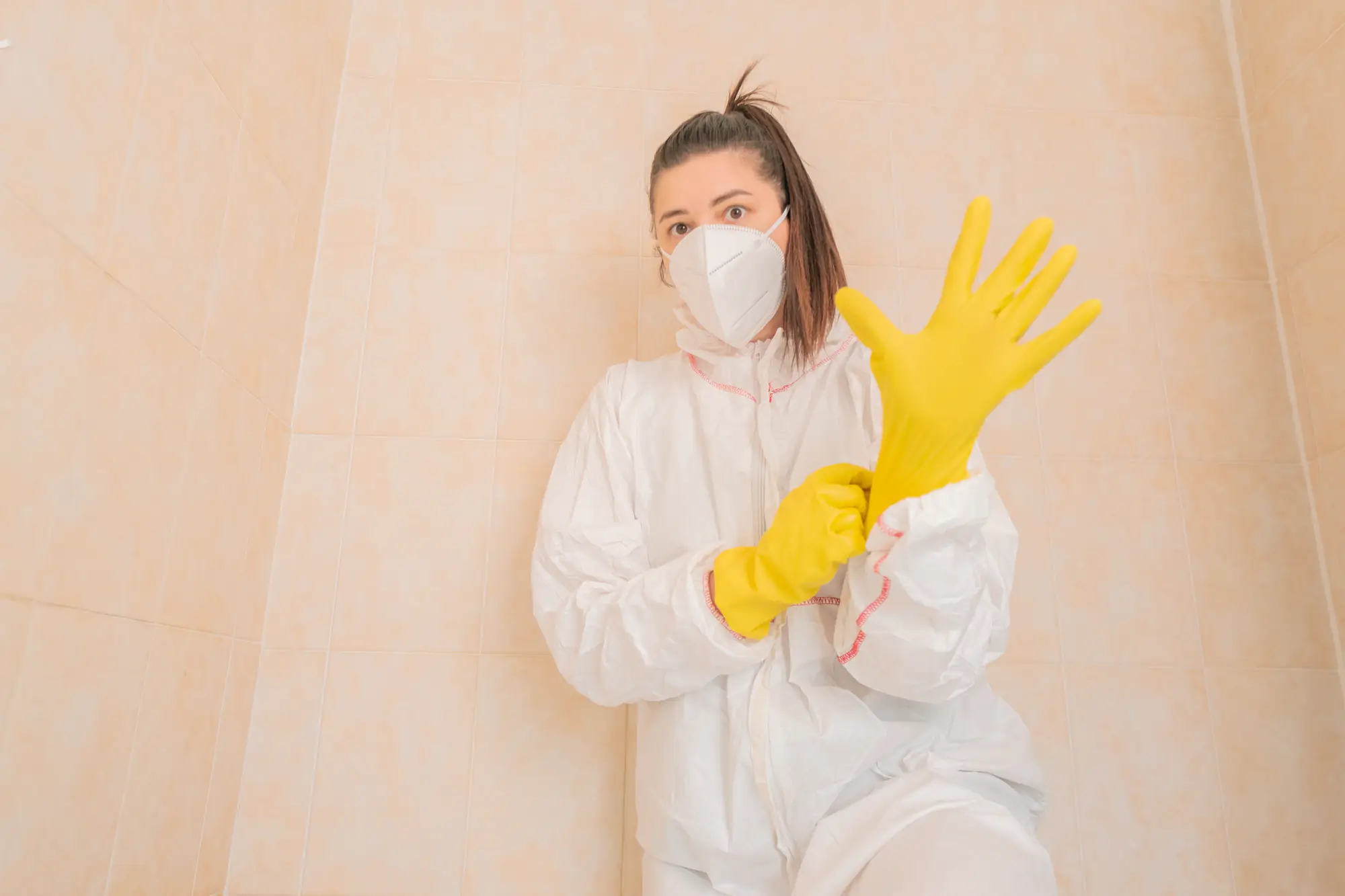
Your headaches stop. The musty smell disappears. You’re not wondering what’s growing behind your walls anymore.
That’s what happens when mold remediation is done right. Not just surface cleaning—actual removal that addresses the moisture source, cleans contaminated materials, and restores air quality.
You get your home back. Your family breathes easier. You stop worrying about what you can’t see.
The difference between mold removal and mold remediation comes down to this: one wipes it away temporarily, the other eliminates the conditions that let it grow in the first place. In East Rockhill, where humid summers and older homes create perfect conditions for hidden growth, that difference matters.
You shouldn’t have to live with respiratory issues, allergy flare-ups, or the constant fear that mold is spreading. When the job’s done correctly, those concerns end.
We’ve been serving East Rockhill and surrounding Bucks County communities for years. We’ve seen what happens in basements after spring flooding, what grows in crawl spaces during July humidity, and where mold hides in homes built before modern ventilation standards.
We’re IICRC certified, which means our team follows the highest industry standards for water damage restoration and mold remediation. We use thermal imaging and moisture meters—not guesswork.
You’re hiring local mold and mildew experts who understand the specific challenges of Pennsylvania homes. We know the building styles in East Rockhill, the common problem areas, and how to fix them permanently.
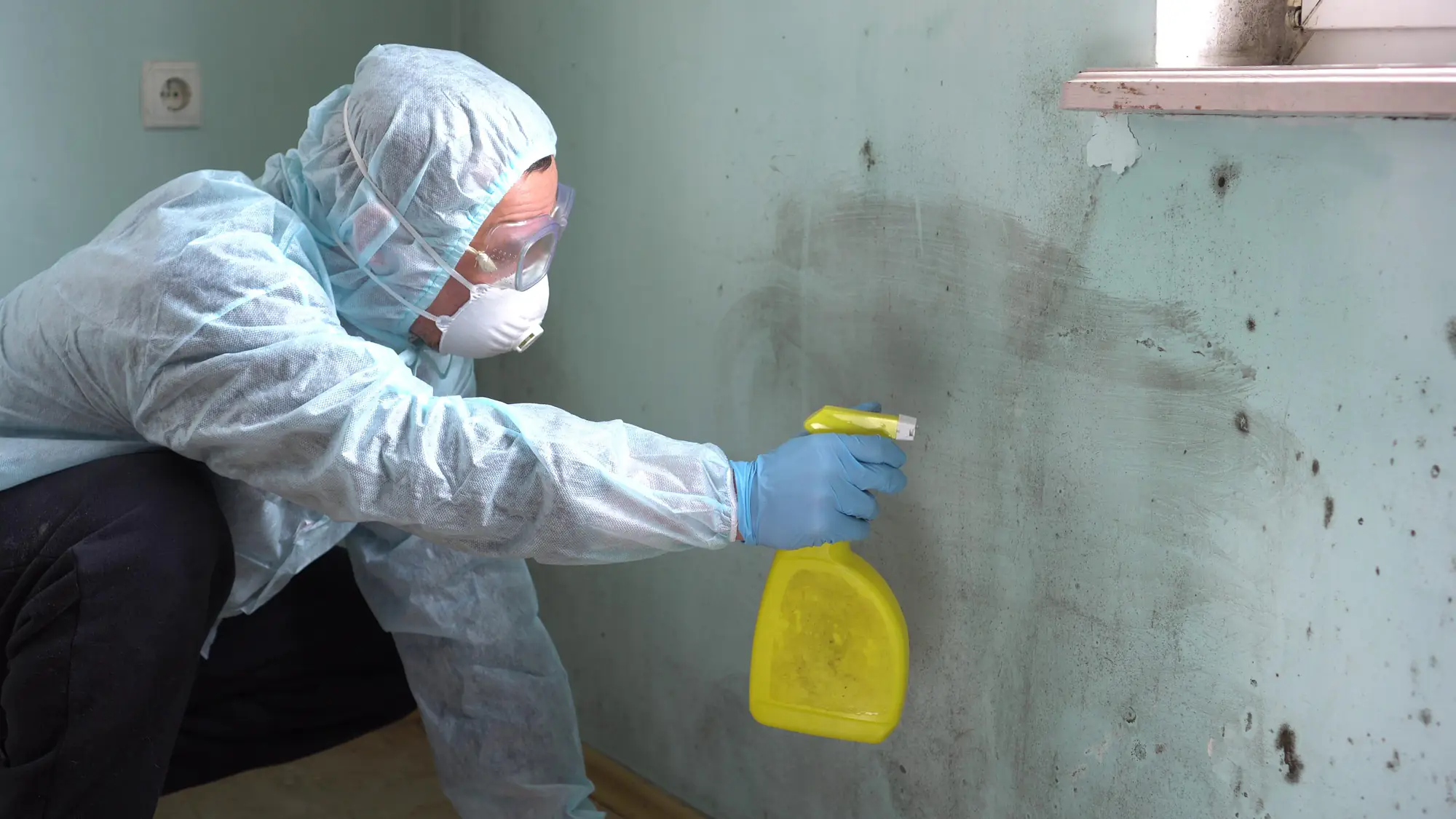
First, we inspect your property for free. We’re looking for visible mold, but more importantly, we’re finding the moisture source—leaking pipes, poor ventilation, foundation issues, whatever’s feeding the problem.
We use thermal imaging cameras to see temperature differences in walls and ceilings. We use moisture meters to measure water content in materials. This isn’t a visual inspection—it’s a diagnostic process.
Once we know what we’re dealing with, you get a detailed estimate. No surprises. No upselling. Just a clear explanation of what needs to happen and what it costs.
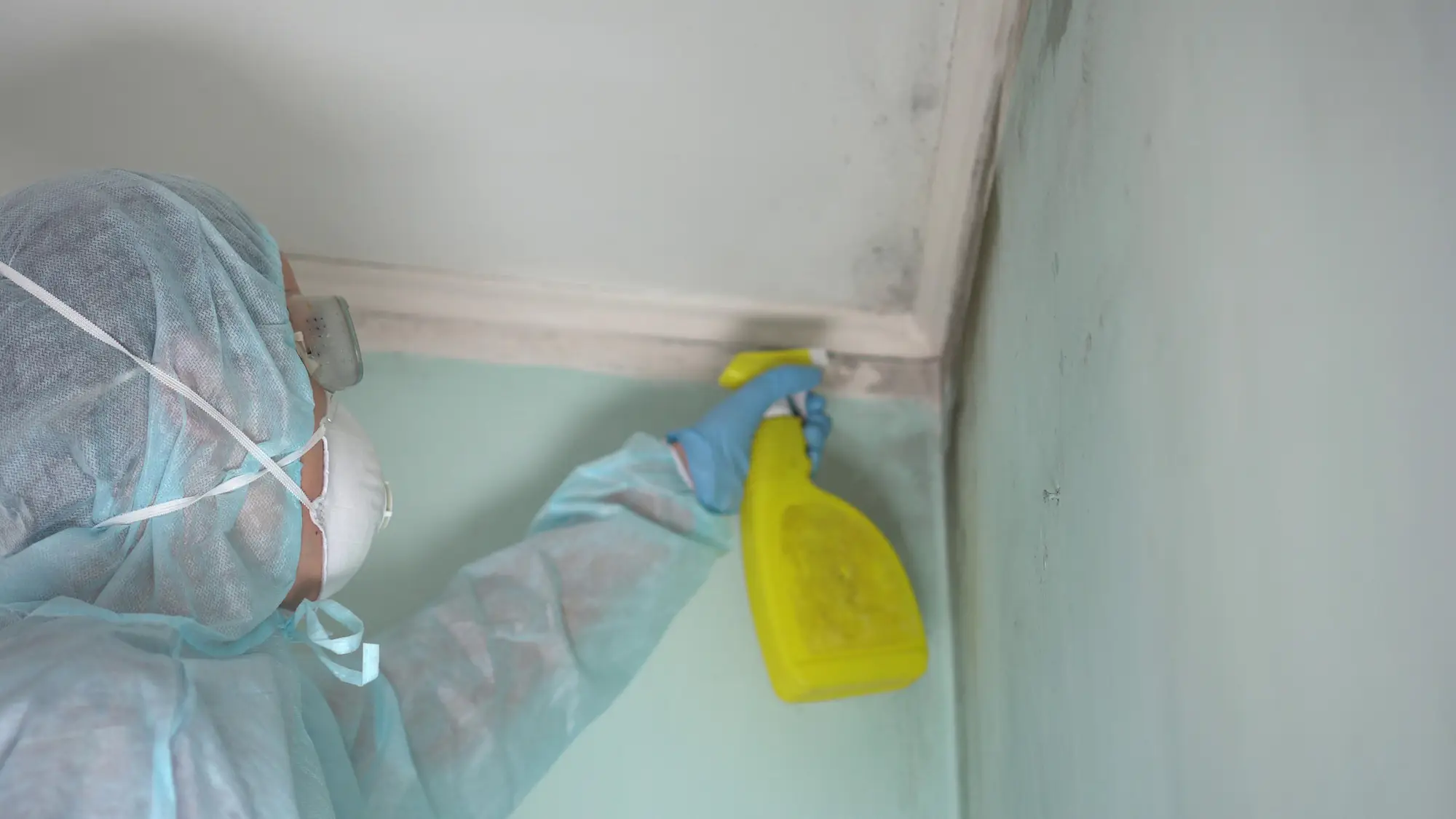
Then we contain the affected area to prevent spores from spreading during removal. We use HEPA filtration and negative air pressure. We remove contaminated materials safely, treat surfaces with EPA-approved antimicrobials, and dry everything thoroughly.
After removal, we fix the source. That might mean repairing a leak, improving ventilation, or waterproofing a basement. Without that step, you’re just waiting for mold to come back.
Finally, we verify the work with post-remediation testing if needed, and we can handle any reconstruction—drywall, flooring, whatever was removed.
Ready to get started?
You get a thorough inspection using professional-grade detection equipment. Not a guy with a flashlight—actual thermal imaging and moisture mapping.
You get containment and air filtration during the removal process, so mold spores don’t spread to clean areas of your home. This is critical and often skipped by cheaper contractors.
You get safe removal of all contaminated materials, following EPA and CDC guidelines. In Pennsylvania, there aren’t specific state regulations for mold remediation, which means some companies cut corners. We don’t.
You get the source problem fixed. In East Rockhill, that often means addressing basement moisture issues, repairing old plumbing, or improving attic ventilation. Bucks County homes—especially older ones—weren’t built with mold prevention in mind.
You get help with insurance claims if your mold problem resulted from covered water damage. We document everything, write detailed estimates, and communicate directly with adjusters.
You also get our availability when you need it. Mold doesn’t wait for business hours, and neither do we.

You might see discoloration on walls or ceilings—black, green, or white patches. You might smell something musty that doesn’t go away. Or you might just feel worse when you’re home—headaches, congestion, allergy symptoms that improve when you leave.
But here’s the thing: visible mold is often just the surface issue. The real problem is usually behind walls, under flooring, or in your HVAC system. That’s why a proper inspection matters.
We use moisture meters to measure water content in building materials and thermal imaging to spot temperature differences that indicate hidden moisture. If materials are holding moisture above 16-20%, mold is likely growing or about to. In Bucks County’s humid climate, basements and crawl spaces are especially vulnerable. A free inspection gives you actual data instead of guessing.
You can clean surface mold on non-porous materials like tile or glass. But if mold is growing on drywall, wood, insulation, or carpet, surface cleaning doesn’t work. Mold roots penetrate porous materials, and bleach only kills what’s on the surface.
More importantly, DIY removal doesn’t address why the mold is there. If you don’t fix the moisture source, it comes back. Always.
There’s also a safety issue. Disturbing mold releases spores into the air. Without proper containment and filtration, you’re spreading contamination throughout your home. The best mold remediation company will contain the work area, use HEPA filtration, and remove contaminated materials entirely—not just spray them. For small surface spots, DIY might be fine. For anything behind walls, under floors, or covering more than 10 square feet, you need professional mold removal specialists.
It depends on the size and location of the problem. A small bathroom issue might take one day. A basement with widespread contamination might take a week.
Whether you can stay home depends on the extent of the mold and your health. If the affected area is contained and you don’t have respiratory issues, you can usually stay. If mold is throughout your HVAC system or you have asthma or immune concerns, it’s safer to stay elsewhere during active removal.
We contain work areas with plastic sheeting and negative air pressure to keep spores from spreading. We use HEPA air scrubbers to filter the air continuously. The goal is to make the process as minimally disruptive as possible while still doing it right. After removal, we verify that spore counts are back to normal levels before calling the job complete. You’ll know exactly what to expect before we start.
It depends on what caused the mold. If it resulted from a sudden, covered event—like a burst pipe, storm damage, or appliance leak—insurance often covers remediation. If it’s from long-term neglect, poor maintenance, or gradual seepage, probably not.
The key is documentation. Insurance companies want to see that the mold resulted from a specific incident, not ongoing moisture problems you ignored. That’s why it’s important to call quickly after water damage—waiting too long can hurt your claim.
We work with insurance companies regularly. We document the damage thoroughly, write detailed estimates, and communicate directly with adjusters to streamline the claims process. We know what information they need and how to present it. Even if insurance doesn’t cover everything, we’ll give you a clear breakdown of costs upfront so there are no surprises. Many homeowners are surprised to learn their policy covers more than they thought when the claim is handled correctly.
Mold removal usually means cleaning visible mold off surfaces. Mold remediation means eliminating the mold, removing contaminated materials, fixing the moisture source, and restoring normal air quality.
Removal is surface-level. Remediation is comprehensive. One is a temporary fix. The other is a permanent solution.
Here’s what proper remediation includes: inspection to find all affected areas and the moisture source, containment to prevent spores from spreading during work, removal of contaminated porous materials that can’t be saved, treatment of salvageable surfaces with antimicrobials, drying and dehumidification, source repair so moisture doesn’t return, and verification that the environment is safe again. Mold removal might involve spraying bleach on a wall. Mold remediation involves cutting out that wall section, fixing the leak behind it, treating the framing, and rebuilding properly. As mold experts, we focus on remediation—not because it’s more profitable, but because it’s the only approach that actually works long-term.
Mold can start growing within 24 to 48 hours after materials get wet. Within 72 hours, colonies are established and spreading. That’s why speed matters after flooding, leaks, or any water intrusion.
The longer materials stay wet, the worse the problem gets. Drywall, insulation, carpet, and wood all absorb water quickly. Once they’re saturated, mold spores—which are always present in the air—land and start growing.
In East Rockhill’s humid climate, the window is even shorter during summer months. Basements and crawl spaces are especially vulnerable because they’re already prone to moisture. If you’ve had water damage, don’t wait to see if mold appears. By the time it’s visible, it’s already established. The best approach is immediate water extraction, drying, and inspection. If materials have been wet for more than 48 hours, professional assessment is critical. We can measure moisture levels in materials and determine what can be dried and what needs removal. Acting fast saves you money and prevents a small water problem from becoming a major mold remediation project.
Other Services we provide in East Rockhill