

Hear from Our Customers
You shouldn’t have to wonder what’s growing behind your walls or whether that musty smell is making your family sick. Mold doesn’t just sit there. It spreads, releases spores into the air you breathe, and damages whatever it touches.
When it’s handled right, you get your air quality back. You stop worrying every time someone coughs or complains about headaches. The smell goes away, and so does the anxiety about what you can’t see.
That’s what professional mold removal does. It clears out the contamination, treats the surfaces properly, and addresses the moisture issue that let mold grow in the first place. You’re not just covering up a problem or bleaching over it. You’re removing it and preventing it from coming back.
We’ve been handling mold problems across Bucks County for years. We’ve seen what happens in older colonials with basement moisture issues, split-levels with poor ventilation, and newer builds that still trap humidity in all the wrong places.
East Rockhill’s housing stock and climate create the exact conditions mold loves. High summer humidity, older construction without modern vapor barriers, clay-heavy soil that holds water near foundations. We’ve worked in enough local homes to know where to look and what actually works.
Our team includes certified mold remediation specialists who use EPA-approved methods and advanced detection equipment. We’re not a general cleaning company that dabbles in mold. This is what we do.

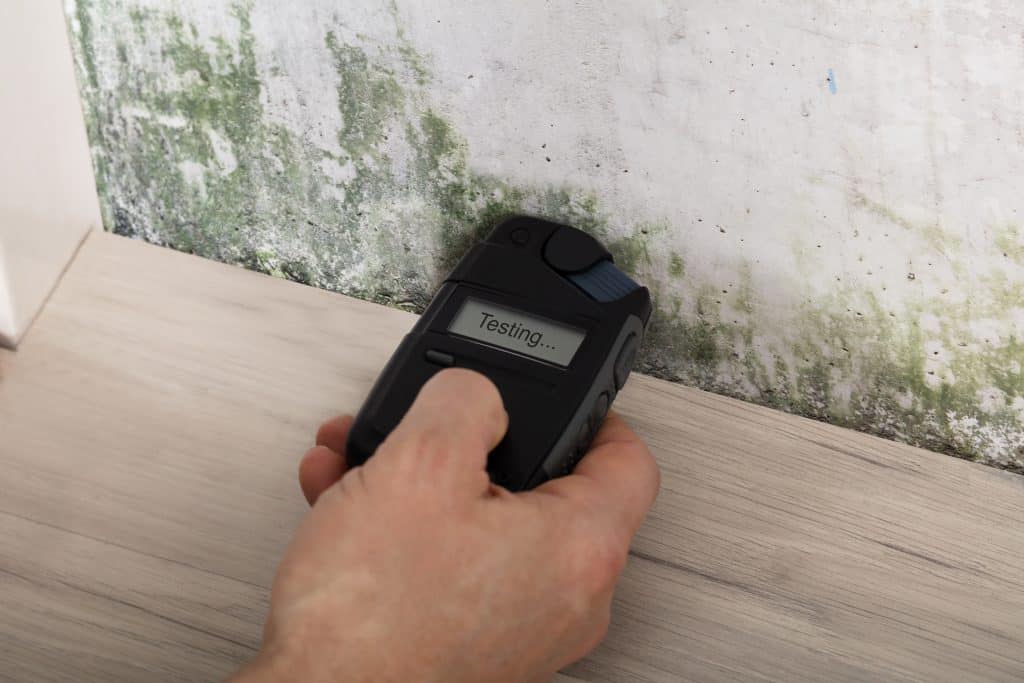
First, we come out and inspect your property at no cost. We’re looking for visible mold, but also checking areas where it hides: behind walls, under flooring, inside HVAC systems. We use moisture meters and thermal imaging to find what you can’t see.
Once we know what we’re dealing with, we take samples and send them to a lab. That tells us exactly what type of mold you have and how aggressive the remediation needs to be. Then we give you a clear plan and upfront pricing before any work starts.
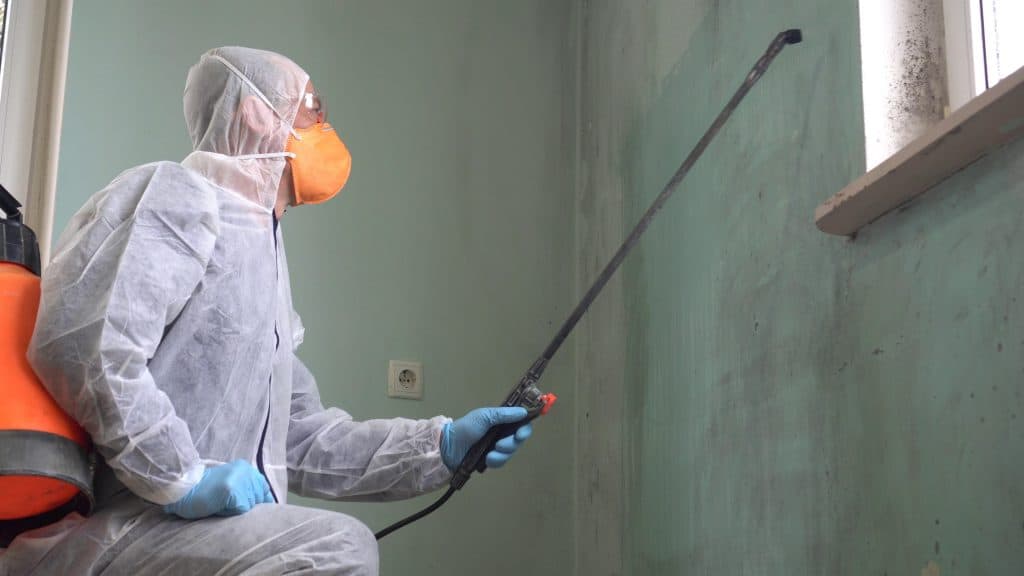
During removal, we contain the affected area to prevent spores from spreading to clean parts of your home. We use HEPA filtration and negative air pressure. We remove contaminated materials that can’t be salvaged and treat surfaces with antimicrobial solutions. Then we address the moisture source, whether that’s a leak, condensation problem, or ventilation issue.
After everything’s cleaned and dried, we can help with restoration work to get your home back to normal. And we’ll walk you through prevention steps so you’re not dealing with this again in six months.
Ready to get started?
You get a free inspection with advanced detection technology that finds mold even in hidden areas. We provide lab testing to identify the specific mold type and determine the right removal strategy. Our certified specialists use EPA-approved methods and commercial-grade equipment to safely remove contamination without spreading it through your home.
We handle insurance claims assistance because we know how stressful that process can be. If you’re dealing with an emergency situation, we’re available 24/7. We also offer flexible financing options since mold remediation isn’t usually a planned expense.
In Bucks County, basement mold is extremely common due to high humidity and older construction. Nearly half of homes in this region show signs of mold or dampness. The clay-heavy soil around East Rockhill holds water near foundations, and many homes were built before modern moisture management became standard. That means inadequate vapor barriers, poor drainage, and aging materials that trap moisture.
We’ve worked in enough local homes to know these patterns. We’re not guessing at solutions. We’re applying what actually works in this specific area.
The honest answer is that it depends on how much mold you have, where it’s located, and what’s causing it. A small area of surface mold in a bathroom might cost a few hundred dollars to treat properly. A basement with extensive contamination behind walls and under flooring can run several thousand.
Most mold removal companies, including us, offer free inspections so you can get an accurate assessment before committing to anything. We’ll tell you what we find, what needs to be done, and what it’s going to cost before any work starts. No surprises.
We also work with your insurance company if your policy covers mold remediation, and we offer financing options to make the cost more manageable. The bigger cost is usually waiting. Mold doesn’t get better on its own, and the longer it spreads, the more expensive and complicated removal becomes.
If you’re dealing with a very small area of surface mold on a non-porous surface like tile, you can probably handle it yourself with proper precautions. But most mold problems are bigger than they look, and DIY attempts often make things worse.
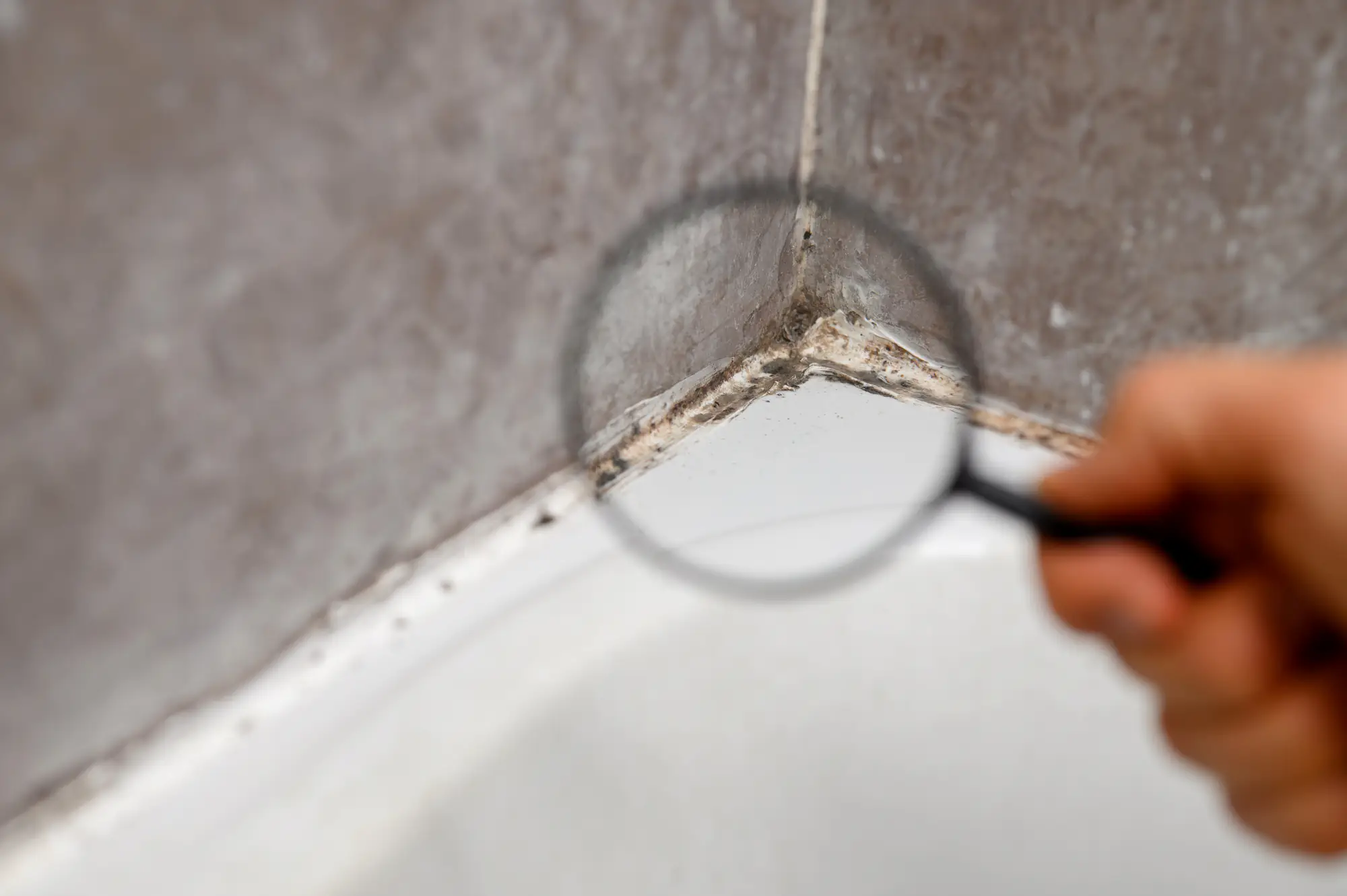
Here’s why: mold grows in colonies that extend deeper than what you see on the surface. If you scrub or spray bleach on it, you might kill some surface spores, but you’re also disturbing the colony and sending thousands of spores into the air. Those spores land elsewhere and start new growth. Bleach also doesn’t penetrate porous materials like drywall or wood, so it’s not actually killing the roots.
Professional mold removal involves containment, HEPA filtration, proper removal of contaminated materials, and treatment of underlying causes. We’re not just cleaning what you can see. We’re removing the entire problem and preventing it from coming back. If mold has spread behind walls, into HVAC systems, or covers more than a few square feet, you need professional help.
A straightforward mold removal job in a single room usually takes one to three days. More extensive contamination that involves multiple areas, structural materials, or HVAC systems can take a week or longer.
The timeline depends on several factors: how much mold is present, where it’s located, what materials are affected, and how long it takes to dry everything out properly. Drying is critical. If we remove mold but don’t eliminate the moisture that caused it, you’ll have mold again within weeks.
During the inspection, we’ll give you a realistic timeline based on what we find. We’re not going to rush through the job just to finish faster. Mold remediation done wrong is worse than not doing it at all because it spreads contamination and gives you a false sense of security. We’d rather take the time to do it right the first time.
Mold releases spores and mycotoxins into the air, and when you breathe them in, they can cause a range of health problems. Common symptoms include respiratory issues like coughing and difficulty breathing, sinus congestion, sore throat, headaches, fatigue, and skin irritation. If you or someone in your family has asthma, mold exposure can make symptoms significantly worse.
Black mold, or Stachybotrys, is particularly concerning because it produces mycotoxins that can cause more severe reactions. It’s commonly found in basements and crawl spaces in this area due to high humidity and moisture issues.
The tricky part is that symptoms often mimic a cold or allergies, so people don’t always connect them to mold. If you notice that symptoms improve when you’re away from home and return when you’re back, that’s a strong indicator that something in your indoor environment is the problem. Mold contributes to over 4.6 million asthma cases annually in the U.S., and removing it can reduce asthma symptoms by 25% to 45%. It’s not something to ignore.
The most obvious sign is visible mold growth, which can look like black, green, white, or brown spots or patches on walls, ceilings, or other surfaces. But mold often grows in places you can’t see: behind walls, under flooring, in crawl spaces, inside HVAC ducts.
A musty, earthy smell is usually a giveaway that mold is present somewhere, even if you can’t see it. You might also notice water stains, discoloration, or peeling paint and wallpaper, which indicate moisture problems that lead to mold growth.
Health symptoms are another clue. If people in your home are experiencing unexplained respiratory issues, headaches, or allergy-like symptoms that improve when they leave the house, mold could be the cause. The only way to know for sure is to have a professional inspection. We use moisture meters, thermal imaging, and air quality testing to detect mold in hidden areas. Nearly 47% of homes in the U.S. have mold or dampness issues, so if you suspect a problem, you’re probably right.
Mold will come back if the moisture problem that caused it isn’t fixed. You can remove every visible trace of mold, treat surfaces with antimicrobial solutions, and clean the air, but if water is still leaking, humidity is still high, or ventilation is still poor, new mold will grow.
That’s why professional mold removal addresses the root cause, not just the symptoms. We identify where the moisture is coming from—whether it’s a roof leak, plumbing issue, foundation crack, condensation problem, or poor ventilation—and we help you fix it. Sometimes that means repairing a leak, installing a dehumidifier, improving airflow, or waterproofing a basement.
Once the moisture source is eliminated and the area stays dry, mold can’t grow back. We also provide recommendations for ongoing prevention, like maintaining proper humidity levels and checking vulnerable areas regularly. The goal isn’t just to get rid of mold today. It’s to make sure you’re not calling us again next year.
Other Services we provide in East Rockhill