
Mold Inspection in Fairless Hills, PA

Find the Mold Before It Finds You

We use thermal imaging and moisture meters to detect hidden mold in your walls, basement, and crawl spaces before it becomes a health problem or tanks your property value.
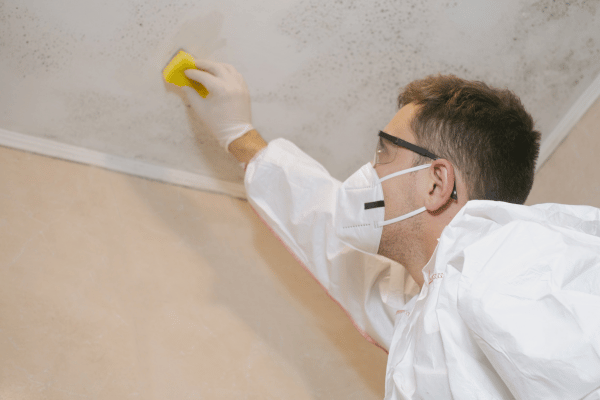
Protective worker in safety suit inspecting or treating mold spots on an indoor ceiling, addressing moisture damage and potential mold growth inside a building.

Hear from Our Customers

Professional Mold Detection Services Fairless Hills

Know Exactly What You're Dealing With

Most mold grows where you can’t see it. Behind drywall. Under flooring. Inside your HVAC system.

You might notice a musty smell in your basement. Maybe your kids are dealing with allergies that won’t quit, or you’re worried about that water leak from last month. A home mold inspection gives you answers, not guesses.

We map out every affected area in your house using infrared cameras and professional-grade moisture detection equipment. You’ll know what type of mold you’re dealing with, where the moisture is coming from, and what it’ll actually take to fix it. No upselling. No scare tactics. Just documentation you can use whether you’re filing an insurance claim, selling your home, or just trying to breathe easier.

The inspection takes about an hour. You get a full report with photos, moisture readings, and a clear explanation of what happens next. Most homeowners tell us the relief of finally knowing is worth more than the service itself.

Trusted Mold Detection Company Fairless Hills

We've Been Inspecting Homes Here Since 2009

We’ve spent over 15 years working inside Fairless Hills homes. We know the construction styles in this area because we’ve seen them all.

Most houses here were built in the 1940s and 50s when builders weren’t thinking about vapor barriers or ventilation systems. That means basements stay damp, crawl spaces trap moisture, and mold finds a way in during our humid Pennsylvania summers. We’ve inspected hundreds of these older homes, so we know exactly where to look.

When local insurance adjusters need documentation they can trust, they send people to us. When contractors find something suspicious during a renovation, they call us before they keep going. That’s the reputation we’ve built by showing up on time, being honest about what we find, and never charging for work you don’t need.

Protective worker collecting a mold sample from a stained indoor ceiling using a swab, inspecting moisture damage and potential mold growth inside a building.

Our Mold Inspection Process Fairless Hills

Here's What Happens During Your Inspection

First, we walk through your home and talk. You tell us what you’ve noticed—smells, stains, health symptoms, water problems. We listen because those details tell us where to focus.

Then we start the actual inspection. We use moisture meters to check walls, floors, and ceilings for hidden water. Thermal imaging cameras show us temperature differences that indicate moisture trapped inside your walls. We inspect your HVAC system, check your basement and attic, and look in crawl spaces most homeowners never go near.

If we find visible mold, we document it with photos and note the extent. If we suspect hidden growth, we’ll recommend lab testing to confirm the type and concentration. Air quality samples tell us if spores are circulating through your home even when you can’t see the source.

The whole process takes about an hour for most homes. When we’re done, you get a written report that breaks down what we found, where the moisture is coming from, and what your options are. We’ll explain whether you need full remediation, a targeted fix, or just better ventilation. You’ll have everything you need to make an informed decision, and if you want us to handle the work, we’ll give you an upfront price before we start.

Home interior with mold remediation in progress as a worker sprays treatment on a wall using a ladder, while a resident relaxes on a covered sofa in a renovated living room.

Ready to get started?

Explore More Services

About Mack's Mold Removal

What's Included in Mold Inspection Services

You Get More Than Just a Walkthrough

Every mold inspection includes a visual assessment of your entire home, moisture mapping with professional meters, and thermal imaging to find hidden water damage. We check the obvious spots and the ones most companies miss.

In Fairless Hills, that means we’re looking at your basement first. Homes built during the post-war boom weren’t designed with modern moisture control, so basements here stay damp year-round. We also inspect crawl spaces, attics, around windows and doors, inside wall cavities near plumbing, and your HVAC system where mold spreads through your whole house.

You’ll get a full written report with photos, moisture readings, and lab results if we collected samples. We document everything because you might need it for insurance, for selling your home, or just for your own peace of mind. If we find mold, we’ll identify the moisture source—whether that’s a roof leak, poor ventilation, foundation cracks, or humidity from your HVAC system.

The report also includes our recommendations. Sometimes you need full remediation with containment and air scrubbers. Sometimes you just need to fix a gutter and run a dehumidifier. We’ll tell you exactly what makes sense for your situation and your budget, and we’ll never push you toward more work than you actually need.

How much does a mold inspection cost in Fairless Hills?

We offer free initial inspections to assess your situation and give you an honest evaluation of what you’re dealing with. If you need lab testing to identify specific mold types or measure spore concentrations, that typically runs between $300 and $500 depending on how many samples we collect.

Most homeowners don’t need lab testing unless they’re filing an insurance claim, dealing with health issues, or buying or selling a home. A visual inspection with moisture mapping is usually enough to determine if you have a problem and where it’s coming from.

We’ll never charge you for services you don’t need. If we can solve your problem with a dehumidifier and better ventilation, we’ll tell you that instead of selling you a full remediation. The goal is to give you accurate information so you can make the right call for your home and your family.

The most obvious sign is a musty, earthy smell that won’t go away—especially in your basement, bathroom, or near your HVAC vents. That smell means mold is actively growing somewhere, even if you can’t see it.

Visible signs include dark spots or discoloration on walls, ceilings, or around windows. Water stains, peeling paint, or warped drywall all indicate moisture problems that lead to mold growth. If you’ve had any water damage in the last year—roof leaks, burst pipes, flooding, or even just persistent condensation—you should get an inspection.

Health symptoms are another red flag. If people in your home are dealing with unexplained allergies, respiratory issues, headaches, or fatigue that improve when they leave the house, mold exposure could be the cause. And if you’re buying or selling a home in Fairless Hills, an inspection protects your investment and gives you documentation for the transaction.

You can buy a test kit at the hardware store, but it won’t tell you much. Those kits detect mold spores in the air, which exist in every home whether you have a problem or not. What matters is the type of mold, the concentration, and where it’s growing—and a $10 kit can’t tell you any of that.

Professional mold detection uses thermal imaging to find moisture inside your walls, moisture meters to measure water content in building materials, and targeted sampling in areas where we actually see growth or suspect hidden contamination. We’re not just checking if mold exists—we’re finding the source, identifying the species, and determining if it’s a health risk.

The other issue with DIY kits is that they don’t help you fix the problem. Even if the test comes back positive, you still don’t know where the mold is growing, what’s causing the moisture, or what it’ll take to remediate it. A professional inspection gives you a clear plan, documentation for insurance, and the information you need to actually solve the problem instead of just confirming it exists.

Mold can start growing within 24 to 48 hours after water damage if the conditions are right. In Fairless Hills, our humid summers and damp basements create perfect conditions, so growth happens fast.

That’s why timing matters. If you had a leak, a flood, or even just heavy condensation, you’ve got a narrow window to dry everything out before mold takes hold. Once it starts growing, it spreads quickly through porous materials like drywall, insulation, and wood framing.

If it’s been more than a few days since your water problem, you should assume mold is already growing somewhere—even if you can’t see it yet. A mold inspection will tell you if the damage is contained or if it’s spread into your walls and subfloors. The sooner you know, the less expensive and disruptive the fix will be. Waiting just gives the mold more time to spread and increases the chance it’ll affect your indoor air quality and your family’s health.

It depends on what caused the mold. If it’s from a sudden, accidental event—like a burst pipe or a roof leak during a storm—most policies will cover the inspection and remediation. If it’s from long-term neglect, poor maintenance, or gradual moisture buildup, they usually won’t.

That’s why documentation matters. When we inspect your home, we provide a detailed report with photos, moisture readings, and an explanation of what caused the mold growth. That documentation is what you’ll need to file a claim and prove the damage qualifies for coverage.

We’ve worked with insurance companies throughout Bucks County for years, so we know what adjusters are looking for. We’ll give you everything you need to support your claim, and we can work directly with your insurer if that makes the process easier. Even if your policy doesn’t cover the full cost, having a professional inspection protects your home’s value and gives you a clear plan to fix the problem before it gets worse.

Mold inspection is the diagnostic phase. We find the mold, identify the type, measure the extent of contamination, and figure out what’s causing the moisture. You get a report that tells you exactly what you’re dealing with and what your options are.

Mold remediation is the actual cleanup and removal. That’s when we contain the affected area, remove contaminated materials, treat surfaces with antimicrobial solutions, and use HEPA filtration to clean the air. Remediation also includes fixing the moisture source—whether that’s repairing leaks, improving ventilation, or installing dehumidifiers—so the mold doesn’t come back.

You can’t skip the inspection and go straight to remediation because you need to know where the mold is growing and what’s feeding it. Cleaning up visible mold without addressing hidden growth or moisture problems just means you’ll be dealing with the same issue again in a few months. We handle both services, so once we inspect your home and you decide to move forward, we’ll take care of everything from containment to final clearance testing.

Other Services we provide in Fairless Hills