
Hear from Our Customers
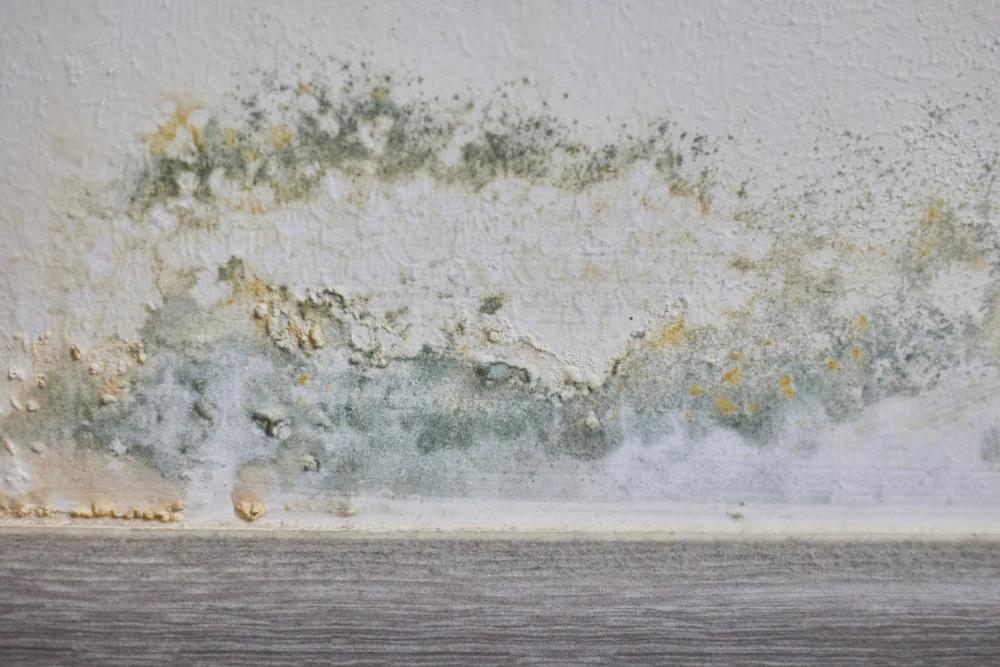
You know something’s wrong when you walk into your basement and smell it. Or when your kids keep coughing and nothing helps. Or when you open a closet and see that dark stain creeping up the wall.
Mold mitigation isn’t about wiping down surfaces with bleach. That’s how you make it worse. Real mitigation means finding every place it’s growing, sealing it off so spores don’t spread through your house, removing contaminated materials safely, treating what stays, and fixing whatever let moisture in to begin with.
When it’s done right, the air smells normal again. Your family stops waking up congested. You’re not wondering if that stain is going to reappear in three weeks. And if you ever sell, you’ve got documentation showing the problem was handled by certified professionals, not covered up.
We’ve been working in Fairless Hills and throughout Bucks County for over 15 years. We’re certified mold remediation specialists, which means we follow Pennsylvania codes and industry standards for containment, removal, and documentation.
Most of the homes we work on in Fairless Hills were built in the 1940s and 50s. They weren’t designed with vapor barriers or proper ventilation. Combine that with Bucks County’s humid summers and you’ve got basements that stay damp, crawl spaces that trap moisture, and attics that grow mold after a roof leak nobody noticed for six months.
We know where to look. We know what caused it. And we know how to fix it so you’re not calling us back next year.
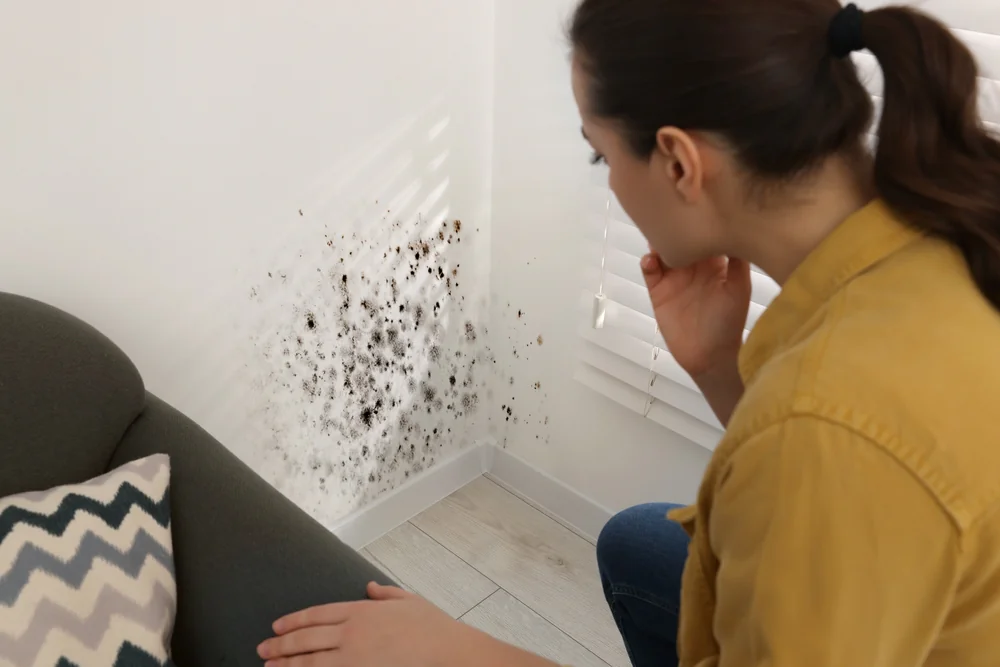
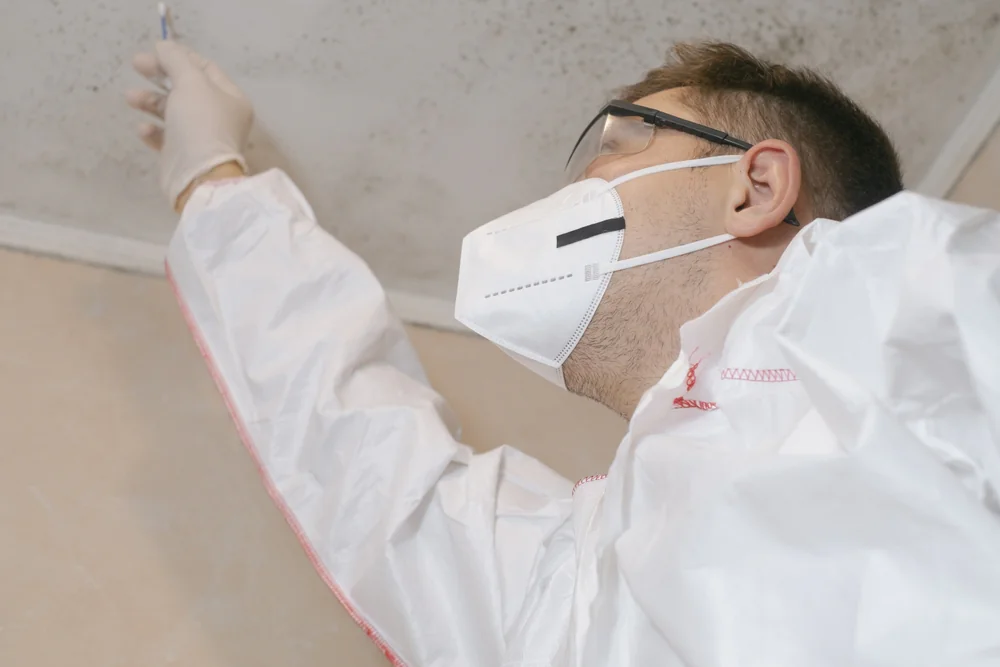
First, we come out and inspect. We’re looking for visible mold, but also using moisture meters and infrared cameras to find what’s hidden behind walls, under floors, or in your attic. We measure humidity levels and figure out where the water is coming from.
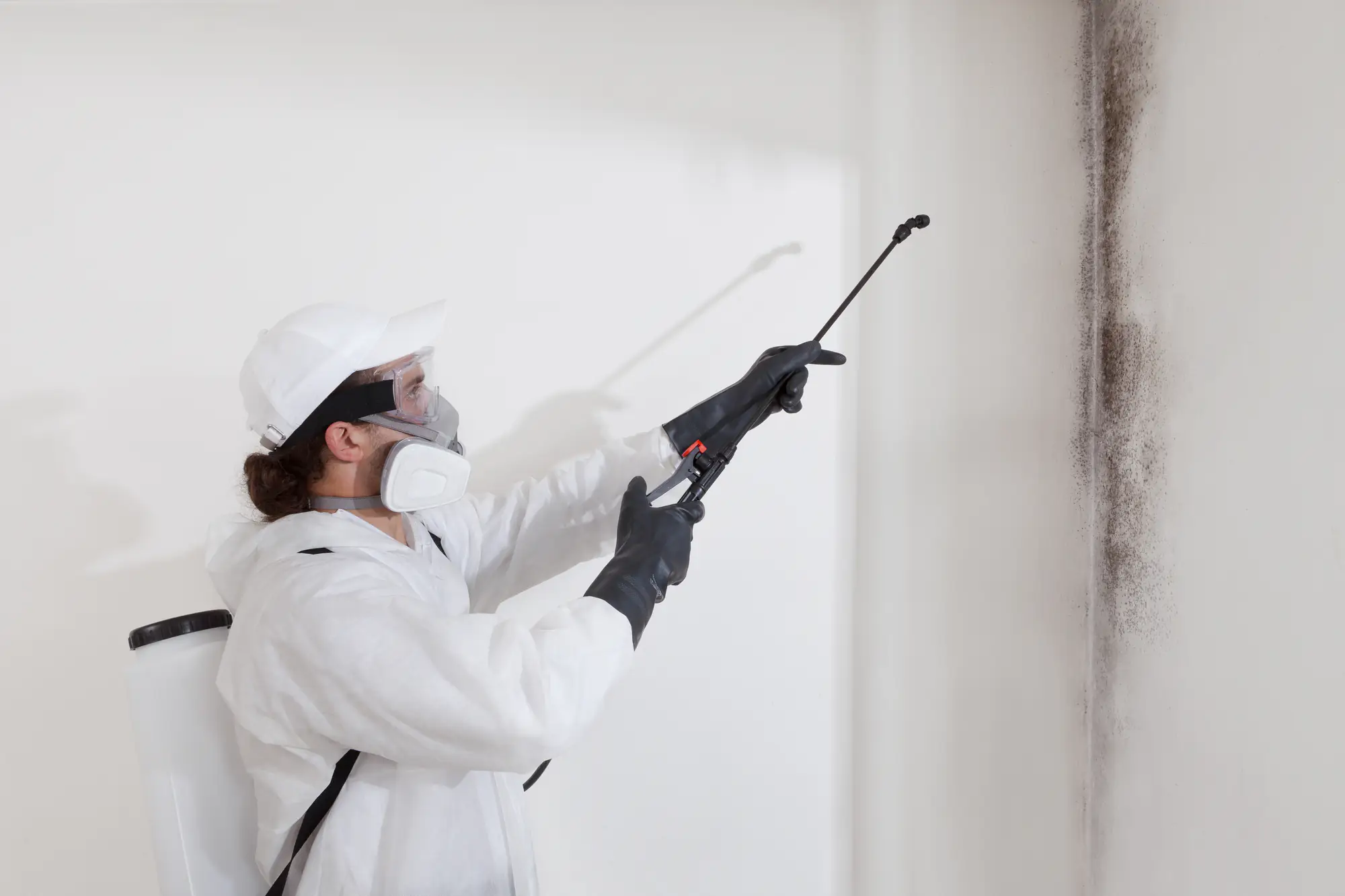
Then we contain the area. We seal it off with plastic sheeting and set up negative air pressure with HEPA filtration so mold spores don’t blow into the rest of your house while we work. This step matters more than most people realize.
Next, we remove contaminated materials. Drywall, insulation, baseboards—anything porous that’s been colonized has to go. We treat surfaces that stay with antimicrobial solutions. Then we dry everything completely, because mold can’t grow without moisture.
Last, we address the source. If it’s a leaky pipe, we fix it. If it’s condensation from poor ventilation, we recommend solutions. If it’s groundwater seeping into your basement, we talk about waterproofing. Without this step, you’re just waiting for it to come back.
Ready to get started?
You get a full inspection with moisture mapping and documentation. We identify every affected area, not just the obvious spots. That includes checking your basement, crawl space, attic, bathrooms, and anywhere else moisture tends to accumulate in Fairless Hills homes.
You get professional containment with sealed barriers and HEPA-filtered negative air machines. This keeps spores from spreading to clean areas of your house during removal. You get safe removal of all contaminated materials, proper disposal, antimicrobial treatment of remaining surfaces, and complete drying with commercial dehumidifiers.
You also get documentation for your insurance company. Before and after photos, moisture readings, scope of work, materials removed—everything they ask for when you file a claim. We work directly with insurance adjusters because we know what they need to see.
And you get the source fixed. Whether that’s a plumbing repair, a ventilation upgrade, or a recommendation for basement waterproofing, we don’t leave until we’ve addressed why the mold grew in the first place. That’s the difference between mitigation and just cleaning up what you can see.
It depends on how much mold there is, where it’s growing, and what caused it. A small bathroom job might run $1,500 to $3,000. A basement with significant growth can be $5,000 to $10,000 or more if structural materials need replacing.
The cost goes up when mold is hidden behind walls or when the moisture source requires additional work like plumbing repairs or waterproofing. Most homeowners insurance policies cover mold mitigation if it resulted from a covered event like a burst pipe, but not if it’s from long-term neglect or maintenance issues.
We give you an upfront estimate after the inspection. No surprises, no hidden fees. And we provide all the documentation your insurance company needs if you’re filing a claim.
Small surface mold on non-porous materials like tile or glass, you can handle with the right cleaner. But if it’s covering more than 10 square feet, growing on porous materials like drywall or wood, or you’re seeing it in multiple places, you need professional mold mitigation services.
Here’s why: scrubbing mold releases millions of spores into the air. Without proper containment and filtration, you’re spreading the problem throughout your house. And if you’re only cleaning what you can see without addressing the moisture source, it’s coming back in weeks.
Black mold mitigation especially requires professional equipment and training. Some mold species produce mycotoxins that cause serious health problems. Certified specialists know how to test, contain, remove, and dispose of contaminated materials safely. We also fix what caused it so you’re not dealing with recurring growth.
A small, contained area like a bathroom might take one to two days. A larger job like a basement or multiple rooms can take three to five days, sometimes longer if we’re waiting for materials to dry completely or if structural repairs are needed.
The timeline depends on the size of the affected area, how much material needs removing, and how long it takes to dry everything out. Bucks County’s humidity can slow drying times, especially in summer. We use commercial dehumidifiers and air movers to speed the process, but we won’t close up walls or call a job done until moisture levels are where they need to be.
We give you a realistic timeline during the estimate. Most homeowners are more concerned about it being done right than done fast, and we agree.
Not if the moisture source is fixed. Mold needs water to grow. Remove the water, and it can’t survive. That’s why real mold mitigation includes identifying and repairing whatever caused the problem—leaky pipes, poor ventilation, groundwater intrusion, roof leaks, whatever it is.
If you only remove visible mold without addressing the source, yes, it’s coming back. That’s what happens with DIY cleanups or companies that just spray and leave. The spores are everywhere in the environment. They only become a problem when they land on a damp surface.
We don’t just mitigate mold damage. We fix what let it grow. And if the solution requires work outside our scope, like major waterproofing or HVAC modifications, we’ll tell you exactly what needs to happen and connect you with the right contractors. Our goal is making sure you don’t call us back for the same problem.
Mold removal sounds like you’re getting rid of every spore, which isn’t realistic. Mold spores are everywhere—in the air, on surfaces, floating through your house right now. They’re part of the environment. Mold mitigation is the accurate term because it means reducing mold levels to normal, removing contaminated materials, and controlling moisture so it doesn’t grow back.
Professional mold mitigation companies focus on containment, safe removal of affected materials, treatment of remaining surfaces, and source correction. We’re not promising a mold-free environment because that doesn’t exist. We’re bringing levels back to normal and eliminating the conditions that allowed overgrowth.
The EPA and industry professionals use “mitigation” or “remediation” for this reason. If someone promises complete mold removal, they either don’t understand the science or they’re overselling. What you want is a certified mold mitigation company that follows IICRC standards and fixes the underlying problem.
Usually no, as long as we’re working in a contained area and you don’t have severe mold allergies or respiratory conditions. We seal off the work area with plastic barriers and run HEPA-filtered negative air machines to prevent spores from spreading to the rest of your house. Most families stay home and go about their normal routine.
If the affected area is large, if it’s black mold in a central location like your main HVAC return, or if someone in your household has asthma or immune issues, we might recommend staying elsewhere for a day or two. We’ll tell you upfront during the inspection if that’s necessary.
For smaller jobs like a bathroom or part of a basement, containment keeps the rest of your home safe. You might hear equipment running and smell cleaning solutions, but the work area stays isolated. We take air samples before and after to confirm spore levels in unaffected areas remain normal.
Other Services we provide in Fairless Hills