
Hear from Our Customers
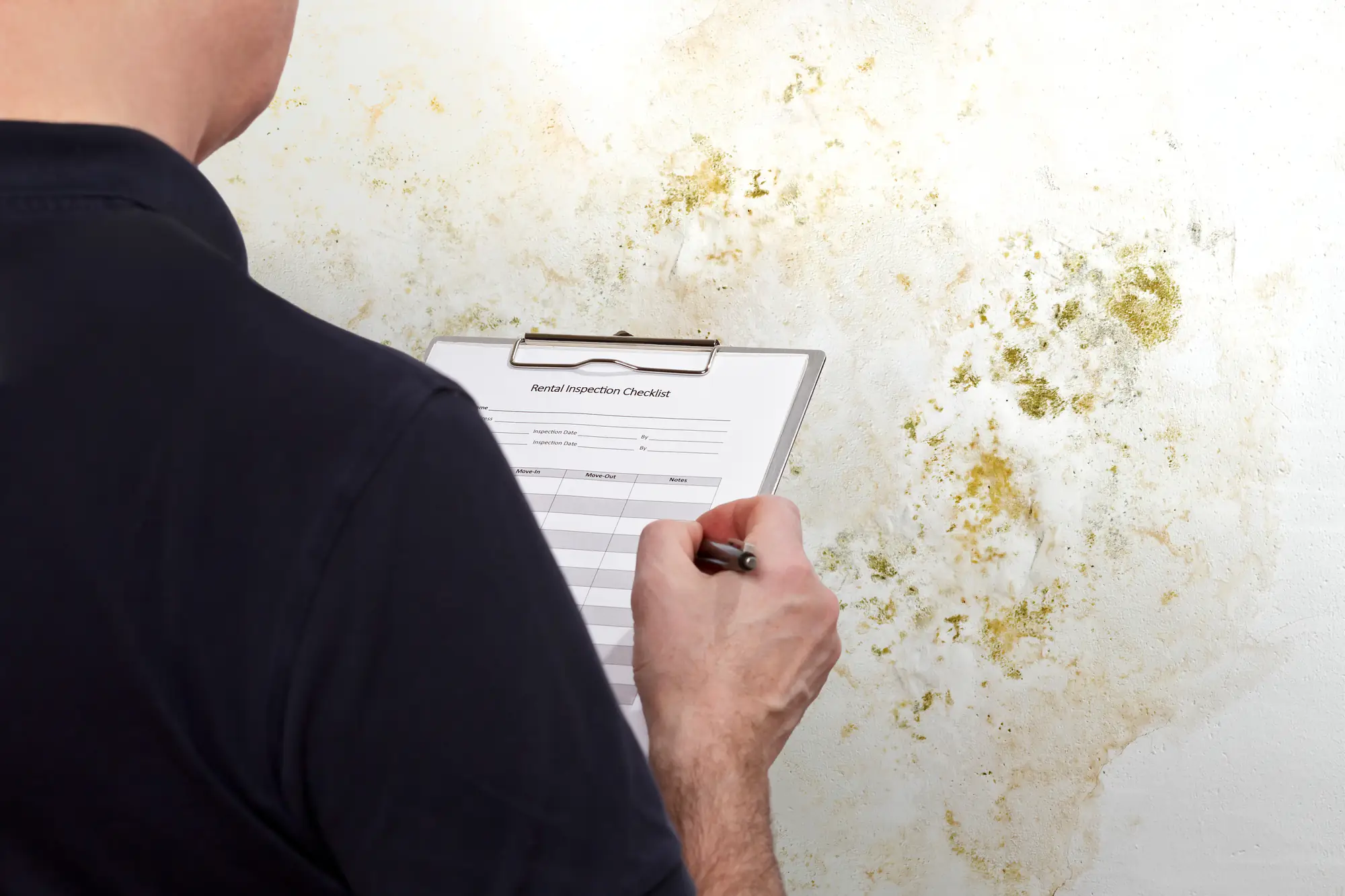
You’ve noticed the musty smell in the basement. Or maybe you’re staring at a water stain on the ceiling and wondering what’s happening behind that drywall. The worst part isn’t the mold itself—it’s not knowing how bad it actually is.
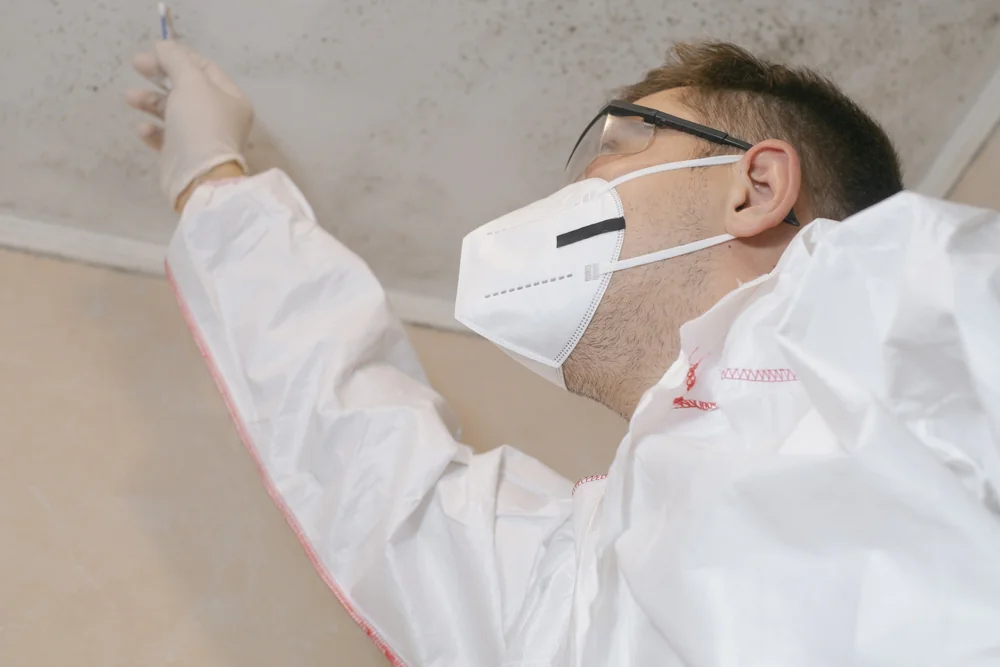
A professional mold inspection gives you facts instead of fear. We check the places you can’t see: inside walls, under floors, in crawl spaces, and around HVAC systems. You get a detailed report that tells you exactly where mold is growing, what type it is, and how serious the problem has become.
That clarity matters when you’re deciding whether to call a remediation company, file an insurance claim, or just monitor the situation. You’re not guessing anymore. You’re making decisions based on real data about your home.
Hinkletown’s humid summers and cold winters create perfect conditions for moisture problems. Older homes with aging pipes and poor ventilation make it worse. An inspection catches mold while it’s still manageable, before it spreads into your HVAC system or weakens structural wood.
We’ve been serving Pennsylvania homeowners for over 20 years. We’re IICRC-certified, which means we’ve been trained to identify mold correctly and assess it accurately. That certification isn’t just a piece of paper—it’s proof we know what we’re looking at when we open up your walls or test your air quality.
We focus on inspection and detection, not remediation. That matters because in Pennsylvania, companies that remove mold aren’t supposed to be the same ones testing for it. It’s a conflict of interest. We give you an independent assessment so you can make informed choices about what happens next.
Hinkletown homeowners deal with specific challenges: older construction, basements that flood during heavy rains, and attics with poor airflow. We’ve seen it all in this area, and we know where mold likes to hide in homes like yours.
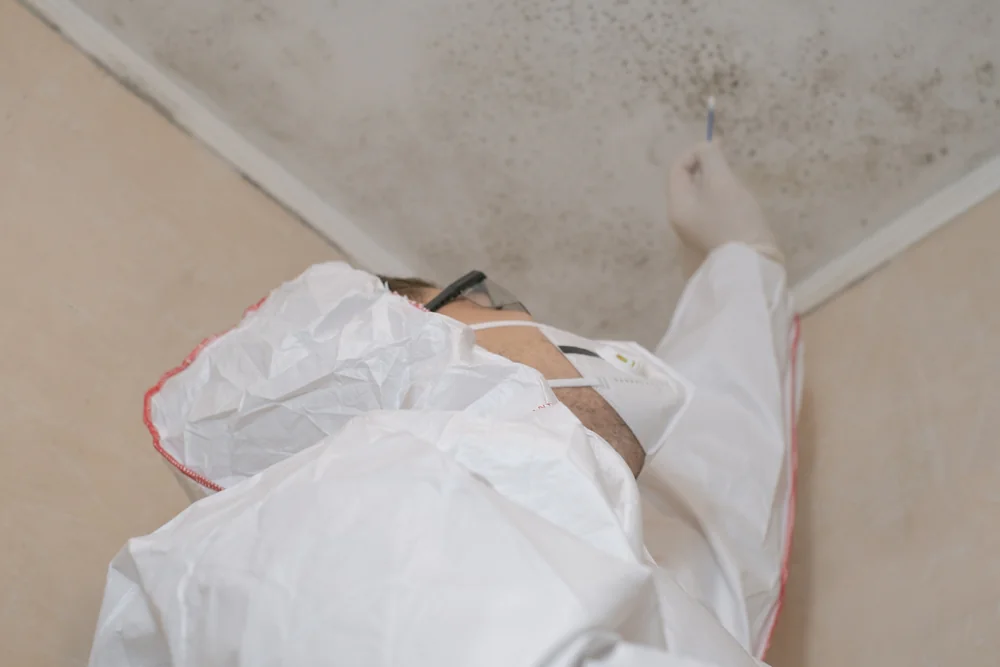
First, we walk through your home and talk about what you’ve noticed—smells, stains, health symptoms, or recent water damage. That conversation helps us know where to focus. We’re not just running through a checklist. We’re listening to what’s actually happening in your house.
Next, we do a visual inspection of the areas you’re concerned about, plus the spots where mold commonly hides: basements, crawl spaces, attics, around windows, near plumbing, and inside HVAC systems. We use moisture meters to find wet spots you can’t see and thermal imaging to detect temperature differences that signal hidden water.
If we find visible mold or suspect hidden growth, we take air samples and surface samples. Those samples go to a lab for analysis. The lab identifies the mold species and measures concentration levels. You get a written report that explains what we found, where we found it, and what it means for your home.
The whole process usually takes a few hours, depending on the size of your house and the scope of the problem. You’ll have results within a few days, along with our recommendations for next steps.

Ready to get started?
You get a thorough visual inspection of your entire home, focusing on moisture-prone areas and anywhere you’ve noticed problems. We check basements, crawl spaces, attics, bathrooms, kitchens, and around all plumbing fixtures. We also inspect your HVAC system, which can spread mold spores throughout your house if it’s contaminated.
We use moisture detection equipment to find hidden water problems and thermal imaging to spot cold spots that indicate leaks or poor insulation. If we find mold or conditions that support mold growth, we collect air samples and surface samples for lab testing. Those tests identify the specific mold species and measure how much mold is in your air compared to outdoor levels.
You receive a detailed written report with photos, lab results, and clear explanations of what we found. The report includes recommendations for remediation if needed, along with tips for preventing future mold growth. If your mold problem resulted from a covered event like a burst pipe, this documentation can support your insurance claim.
Hinkletown’s older homes often have basements with stone foundations and minimal waterproofing. Those basements stay damp, especially during spring thaws and summer storms. We know what to look for in these conditions, and we’ll tell you honestly whether you’re dealing with a minor issue or something that needs immediate attention.
Most mold inspections in this area run between $300 and $700, depending on the size of your home and how many samples we need to collect. A basic inspection for a smaller home with one or two areas of concern will cost less than a full inspection of a large house with multiple problem areas.
The price includes the visual inspection, moisture testing, sample collection, lab analysis, and a written report. If you need additional air samples or surface samples beyond what’s included in the basic package, those cost extra—usually around $75 to $125 per sample.
Some homeowners worry about the cost, but here’s the reality: finding mold early saves you money. A small mold problem in one bathroom might cost $500 to remediate. That same problem, left alone for six months, can spread into walls and floors and cost $5,000 or more to fix. The inspection is cheap compared to what you’ll pay if you wait.
Plan on two to four hours for the inspection itself. Smaller homes with no major issues take less time. Larger homes or properties with multiple problem areas take longer.
We’re not rushing through your house checking boxes. We’re looking carefully at the places mold grows, using equipment to find hidden moisture, and collecting samples that need to be handled correctly. That takes time if you want accurate results.
After the inspection, samples go to the lab for analysis. You’ll typically have results within three to five business days. We’ll send you a complete report with lab findings, photos, and our recommendations. If you need results faster for a real estate transaction or insurance claim, some labs offer expedited testing for an additional fee.
You can buy a test kit, but it won’t tell you much. Those kits detect mold spores in the air, which isn’t useful information by itself. Every house has some mold spores. What matters is the type of mold, the concentration, and where it’s growing.
A DIY kit can’t identify mold species. It can’t tell you if you’re dealing with common mold that’s not a big concern or toxic black mold that needs immediate remediation. It also can’t find hidden mold behind walls, under floors, or in your HVAC system.
Professional mold detection uses lab-grade testing that identifies specific mold types and measures concentration levels against outdoor baselines. We also use thermal imaging and moisture meters to find problems you can’t see. If you’re serious about knowing what’s in your house, a professional inspection gives you answers a $10 kit can’t provide. If you’re just curious, save your money—those kits create more questions than they answer.
Inspection is testing and assessment. Remediation is removal and cleanup. They’re two different services, and in Pennsylvania, they’re supposed to be done by different companies to avoid conflicts of interest.
During an inspection, we find mold, identify it, and measure how much is present. We give you a report that tells you what you’re dealing with. We don’t remove anything or make repairs. That’s remediation, and it’s a separate process that happens after you know what needs to be fixed.
This separation protects you. If the same company does testing and removal, they have a financial incentive to tell you the problem is worse than it is. An independent inspection gives you unbiased information so you can make smart decisions about whether to hire a remediation company, how extensive the work needs to be, and what it should cost. You’re not taking anyone’s word for it—you have lab results and documentation.
Get an inspection if you smell musty odors that won’t go away, see visible mold growth, or notice water stains and discoloration on walls or ceilings. Those are obvious signs something’s wrong.
You should also get an inspection after any water damage—burst pipes, roof leaks, flooding, or sewage backups. Mold starts growing within 24 to 48 hours after materials get wet. Even if you dried everything quickly, moisture can hide in places you can’t see. An inspection confirms whether you caught it in time or if mold has started growing.
Other good times to inspect: before buying a home, especially an older one; if anyone in your house is experiencing unexplained respiratory problems, allergies, or headaches; or if you’re selling and want to address problems before they show up in a buyer’s inspection. Hinkletown’s older homes with stone basements and aging plumbing are particularly vulnerable. If your house is more than 30 years old and you’ve never had it checked, it’s worth doing.
It depends on what caused the mold. If mold resulted from a sudden, covered event like a burst pipe or storm damage, many insurance policies will cover the inspection and remediation. If mold developed slowly over time due to poor maintenance or chronic moisture problems, most policies won’t cover it.
You’ll need to check your specific policy and talk to your insurance company. Some policies explicitly exclude mold coverage. Others cover it up to a certain dollar amount. The key is whether the mold resulted from a covered peril or from neglect.
Even if insurance won’t pay for the inspection, getting one is still smart. The report documents the problem, which can be useful if you later discover the mold was caused by a covered event. It also gives you the information you need to fix the problem correctly the first time, which is cheaper than doing it wrong and having to start over. Most homeowners find that the $300 to $700 inspection cost is worth it for the peace of mind and clear direction it provides.
Other Services we provide in Hinkletown