
Mold Inspection in Queen Village, PA

Find Hidden Mold Before It Finds You

Certified mold detection for Queen Village homes – unbiased testing, detailed reports, and the answers you need to protect your family and your investment.
Protective worker in safety suit inspecting or treating mold spots on an indoor ceiling, addressing moisture damage and potential mold growth inside a building.

Hear from Our Customers

Professional Mold Detection Services

Know Exactly What You're Dealing With

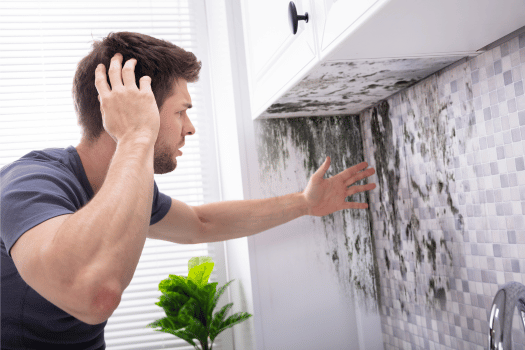
You’re not imagining it. That musty smell in the basement, the coughing that won’t quit, the dark spots behind the radiator – these aren’t things you should ignore or try to fix with bleach and hope.

Mold grows where you can’t see it. Behind plaster walls in trinity homes. Under floorboards near old plumbing. Inside HVAC systems that haven’t been checked in years. Queen Village’s historic rowhouses are beautiful, but they weren’t built with modern ventilation, and Philadelphia’s humid summers create perfect conditions for hidden growth.

A real mold inspection tells you what’s actually happening in your home. Not a guess. Not a sales pitch for remediation you may not need. Just certified testing, lab results, and a clear report that shows you what type of mold is present, where it’s growing, and what’s causing it. That’s what lets you make informed decisions about your health and your home.

Certified Mold Inspectors Queen Village

We Test Mold, We Don't Remove It

We’ve been serving Pennsylvania homeowners since 1997. We’re certified mold inspectors, and we don’t do remediation work – that’s intentional.

When the company doing your inspection also quotes your removal, there’s a built-in conflict of interest. We only test. That means our findings are unbiased, our reports hold up with insurance companies and real estate transactions, and you get answers you can trust.

We know Queen Village. We’ve inspected hundreds of rowhouses, trinity homes, and historic properties throughout Philadelphia. We understand how moisture moves through shared walls, how old brick foundations trap humidity, and where mold hides in homes built before anyone thought about vapor barriers. That local knowledge matters when you’re trying to protect a home this close to the Delaware River.

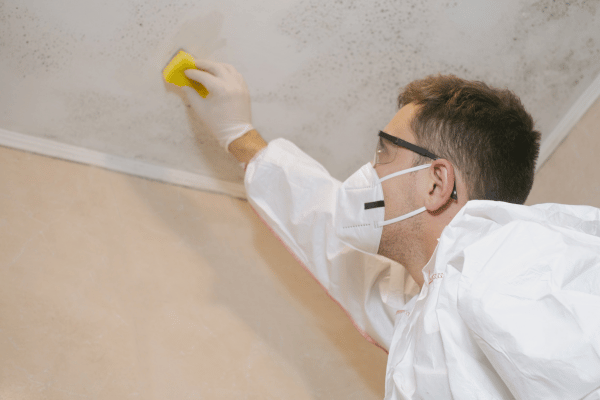
Protective worker collecting a mold sample from a stained indoor ceiling using a swab, inspecting moisture damage and potential mold growth inside a building.

Our Mold Inspection Process

Here's What Happens During Your Inspection

First, we walk through your home and talk. You’ll show us the areas that concern you, and we’ll ask about any health symptoms, water damage history, or changes you’ve noticed. This isn’t a checklist – it’s a conversation that helps us understand what’s happening in your space.

Then we inspect. We’re looking in places most homeowners never check: behind baseboards, inside HVAC ducts, underneath sinks, around window seals, in crawl spaces and attics. We use moisture meters, thermal imaging, and air quality testing equipment to find problems that aren’t visible yet.

We collect samples – air samples, surface samples, sometimes bulk samples if we find suspicious material. Those go to an accredited lab for analysis. You’ll get a detailed report that identifies the type of mold, the concentration levels, the moisture sources feeding the growth, and our recommendations for next steps. If remediation is needed, you’ll know exactly what needs to happen. If it’s not, we’ll tell you that too.

Home interior with mold remediation in progress as a worker sprays treatment on a wall using a ladder, while a resident relaxes on a covered sofa in a renovated living room.

Ready to get started?

Explore More Services

About Mack's Mold Removal

Home Mold Inspection Queen Village

What's Included in Your Mold Inspection

You’re getting a full assessment from certified inspectors who’ve seen what mold does in homes like yours. We inspect your entire property – not just the obvious spots. That includes your HVAC system, plumbing, basement, attic, bathrooms, kitchen, and any area where moisture could be an issue.

We test your indoor air quality. Air sampling catches mold spores you’re breathing but can’t see. Surface testing identifies what’s growing on walls, ceilings, or floors. If we find hidden moisture, we document it with readings and thermal images that show exactly where water is accumulating.

Queen Village homes face specific challenges. Rowhouses share walls, which means a neighbor’s leak can become your mold problem. Narrow spiral staircases and tight spaces make thorough inspection difficult – but necessary. Old window seals fail. Basement drainage systems weren’t designed for the amount of rain Philadelphia gets now. We check all of it.

The lab results come back with species identification and spore counts. Our report explains what it means in plain language. You’ll know if you’re dealing with common molds or toxic black mold. You’ll know if levels are elevated. You’ll know what’s causing it and how to stop it. That’s the information you need to move forward – whether that’s remediation, repairs, or just better ventilation.

How much does a mold inspection cost in Queen Village?

Most homeowners in Queen Village pay between $300 and $1,000 for a professional mold inspection, with the average around $670. The size of your home is the biggest factor – a small trinity home costs less to inspect than a full three-story rowhouse.

What you’re paying for is certified expertise, professional equipment, lab testing, and a detailed report. If you’re buying or selling a home, dealing with insurance claims, or facing health issues you suspect are mold-related, that documentation is worth it. Certified results hold up legally and give you leverage in disputes.

Skipping the inspection to save money often backfires. Mold remediation can cost thousands or tens of thousands depending on how far it’s spread. Catching it early through inspection almost always costs less than discovering it after it’s destroyed drywall, insulation, or structural materials. You’re spending money upfront to avoid spending a lot more later.

You can buy a mold test kit at the hardware store, but it won’t tell you what a professional inspection will. Those kits test for the presence of mold – which is almost always going to come back positive because mold spores exist everywhere. What you need to know is what type of mold, how much, and where it’s coming from.

DIY kits don’t identify moisture sources. They don’t check your HVAC system, inspect behind walls, or use thermal imaging to find hidden leaks. They can’t tell you if you’re dealing with harmless mold or toxic varieties. And they don’t produce the certified documentation you’ll need if this becomes an insurance or legal issue.

Professional mold detection means a trained inspector who knows what to look for in Queen Village’s older homes. Someone who understands how Philadelphia’s climate affects indoor air quality. Someone who’s seen this before and can tell you what’s normal and what’s a problem. If you’re serious about protecting your health and your home, the DIY route doesn’t cut it.

Aspergillus and Stachybotrys – commonly called black mold – are the most frequent problems we find in Philadelphia. Both thrive in the humidity and temperature swings this area experiences. Aspergillus grows on dust, insulation, and fabrics. Stachybotrys grows on water-damaged materials like drywall, wood, and ceiling tiles.

Black mold gets the most attention because it produces mycotoxins that can cause serious health problems, especially for people with asthma, allergies, or weakened immune systems. But other molds matter too. Penicillium grows in water-damaged buildings and can trigger allergic reactions. Cladosporium appears on fabrics and wood surfaces and spreads easily through the air.

The specific type matters because it tells us about the moisture conditions in your home and the health risks you’re facing. Some molds indicate chronic water problems. Others suggest poor ventilation or humidity control. A proper mold inspection identifies the species through lab testing, which gives you the information you need to address both the mold and the conditions that caused it.

Mold can start growing within 24 to 48 hours after materials get wet. That’s why water damage in Queen Village rowhouses needs immediate attention – especially in basements, bathrooms, or anywhere plumbing runs through old walls.

The timeline depends on conditions. Warm temperatures, high humidity, and organic materials like wood or drywall speed up growth. Philadelphia’s humid summers create ideal conditions. If water sits on surfaces or soaks into porous materials, mold establishes quickly and spreads from there.

This is why acting fast matters. A small leak under the sink becomes a mold problem if you don’t catch it right away. A roof leak during a rainstorm turns into black mold in the attic if it’s not dried and treated within two days. If you’ve had any water intrusion – from flooding, leaks, or even persistent condensation – get a mold inspection. Waiting to see if mold appears just gives it time to spread where you can’t see it.

Yes, especially in Queen Village where most homes are historic rowhouses with aging infrastructure. A standard home inspection doesn’t include mold testing. The inspector might note visible mold or moisture issues, but they won’t test air quality or identify hidden growth behind walls.

Mold problems are expensive to fix, and they’re not always disclosed by sellers. Old plumbing, shared walls with neighboring properties, basement moisture, inadequate ventilation – these are common in Queen Village homes, and they all contribute to mold growth. You need to know what you’re buying before you close.

A pre-purchase mold inspection gives you leverage. If testing reveals elevated mold levels or hidden water damage, you can negotiate repairs, request remediation before closing, or adjust your offer. It also protects you legally – certified test results document the condition of the home at the time of sale. For the cost of an inspection, you’re avoiding potential surprises that could cost thousands down the road.

First, read the report carefully. It’ll tell you what type of mold was found, where it’s located, how severe the contamination is, and what’s causing it. Not all mold requires professional remediation – sometimes improved ventilation or fixing a small leak is enough.

If remediation is needed, hire a licensed mold removal company. Because we don’t do removal work, we’re not trying to sell you services you don’t need. Our report gives you the facts, and you can get quotes from multiple remediation companies based on those findings. Make sure whoever you hire addresses the moisture source, not just the visible mold.

After remediation is complete, get clearance testing. This is a follow-up inspection that verifies mold levels have returned to normal. It’s the only way to confirm the job was done right. We provide that service too – independent verification that your home is safe and the problem is actually solved. Don’t skip this step. Remediation companies can miss spots or fail to address underlying moisture issues, and you won’t know unless you test again.

Other Services we provide in Queen Village