
Hear from Our Customers

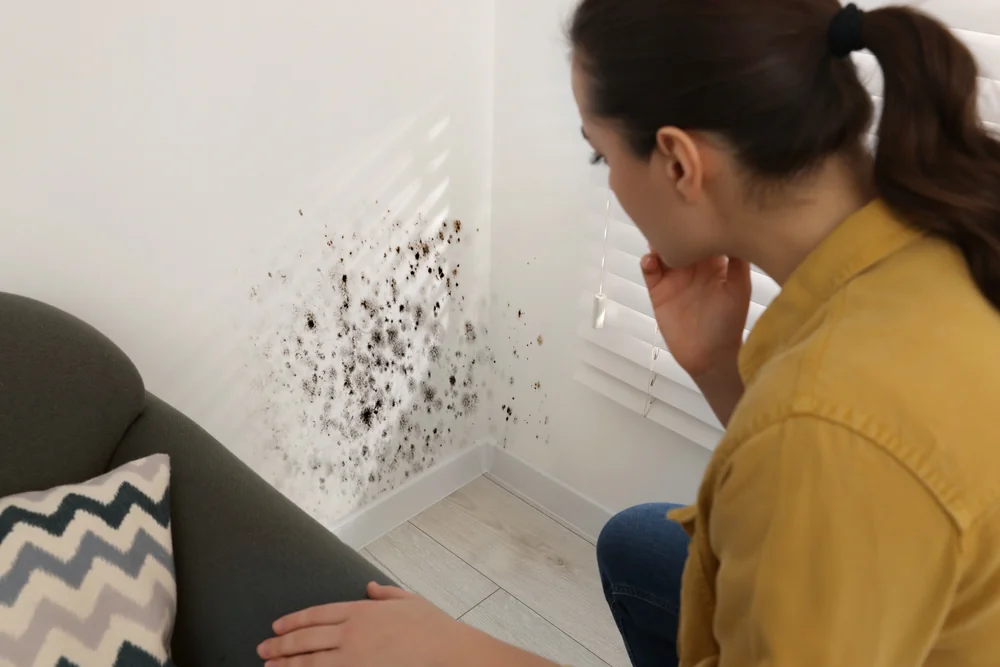
You spend 90% of your time indoors. If someone in your house has unexplained allergies, headaches, or respiratory issues that won’t go away, your air might be the problem.
Indoor air can be 2 to 5 times more contaminated than outdoor air. Mold spores, dust mites, volatile organic compounds—they all circulate through sealed homes without you noticing. Your nose might pick up a musty smell in the basement, but that’s just what you can detect on the surface.
A home air quality test gives you the full picture. We use EPA-approved methods and advanced equipment to measure what’s actually in your air—not just what you can see or smell. You’ll get a detailed report that tells you if mold is present, where moisture problems exist, and what’s triggering those symptoms your family keeps dealing with.
Once you know what you’re working with, you can fix it. No more wondering if that cough is seasonal or something worse.
Queen Village has some of the most beautiful historic rowhomes in Philadelphia. Many were built in the 1860s through 1920s—long before modern ventilation systems existed. That means your home might look stunning but struggle with airflow, humidity control, and hidden moisture issues that create perfect conditions for mold.
We’ve tested air quality in hundreds of older homes across Bucks County and Philadelphia. We understand how these buildings behave, where problems hide, and what your home needs to stay healthy. Our team uses state-of-the-art testing equipment, follows EPA standards, and we’re available 24/7 if you’re dealing with an urgent situation.
You’re not getting a one-size-fits-all assessment. We look at your specific home, your specific concerns, and give you answers that actually matter.

First, we talk. You tell us what you’ve noticed—odors, symptoms, visible moisture, whatever’s concerning you. That conversation shapes where we look and what we test for.
Then we inspect your home. We’re not just taking air samples and leaving. We use moisture meters to find hidden water problems behind walls. We use infrared cameras to spot temperature differences that indicate poor insulation or ventilation issues. We check areas you can’t easily access—crawl spaces, behind appliances, inside HVAC systems.
We collect air samples from multiple rooms using professional-grade equipment. Those samples go to a certified lab that identifies and quantifies exactly what’s in your air—mold species, spore counts, allergen levels, VOCs.
You get a detailed report within a few days. We walk you through what we found, what it means for your health, and what needs to happen next. If there’s a problem, we’ll tell you how serious it is and what your options are. If your air is fine, you’ll have documentation and peace of mind.

Ready to get started?
Your indoor air quality test includes a full visual inspection of your property, moisture mapping with professional meters, infrared thermal imaging to detect hidden problems, and air sampling from multiple locations in your home. We test for mold spores, allergens, bacteria, and volatile organic compounds.
Queen Village’s humid summers and older building stock create specific challenges. About 54.7% of homes in your neighborhood were built before 1940. These historic rowhomes often have limited ventilation, original plaster walls that trap moisture, and basements that stay damp year-round. Pennsylvania’s climate promotes mold growth in poorly ventilated spaces, and many of these older homes weren’t designed with modern air circulation in mind.
We also provide a written report with lab results, photos, moisture readings, and clear recommendations. If we find mold, we’ll tell you the species, the concentration, and whether it’s a health concern. If we find moisture problems, we’ll show you exactly where they are and what’s causing them.
You’ll also get documentation you can use for insurance claims or real estate transactions. And if remediation is needed, we handle that too—but we’ll never push services you don’t need.
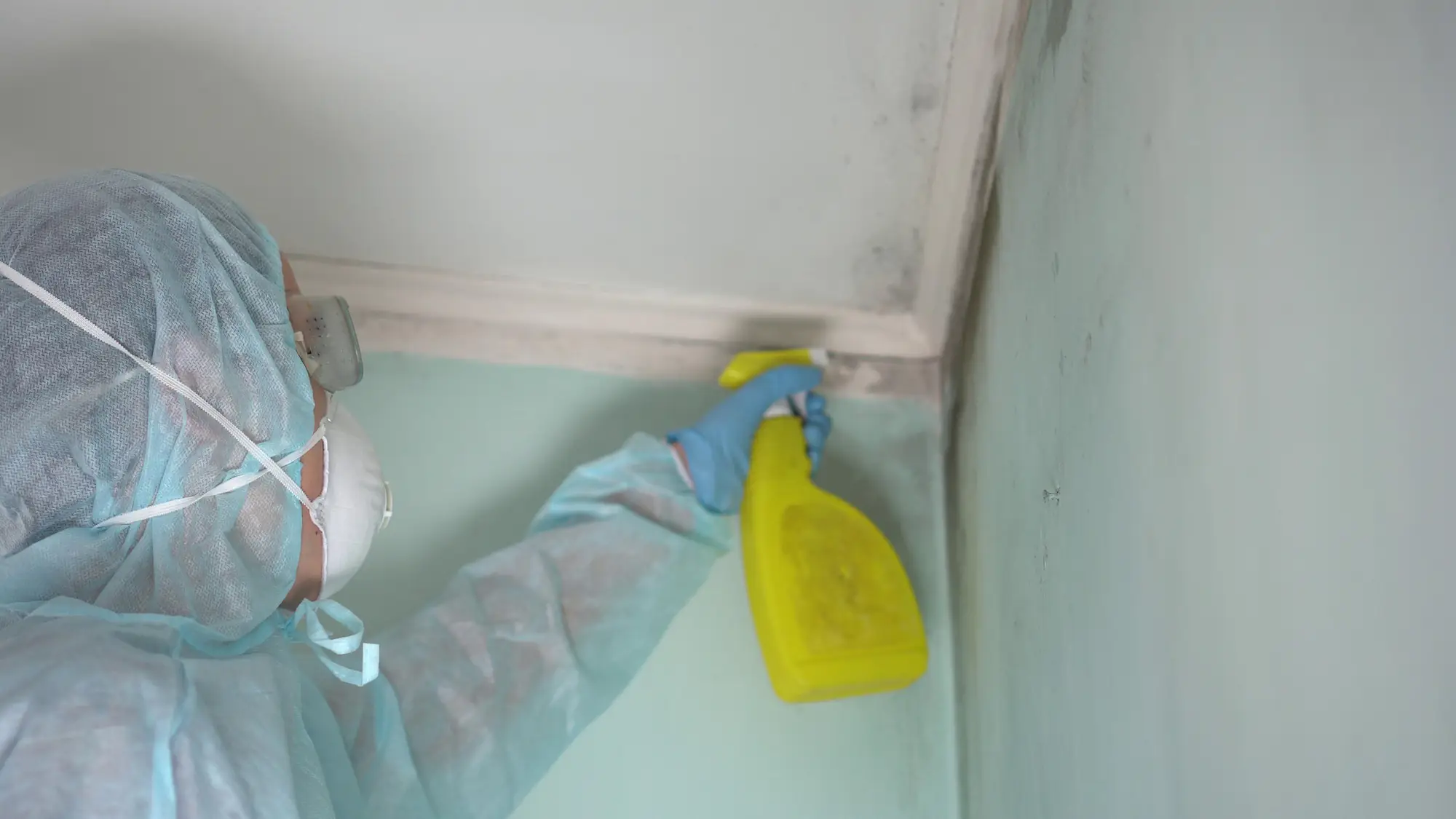
You need testing if anyone in your house has unexplained health symptoms that improve when they leave. Persistent coughing, sneezing, headaches, fatigue, itchy eyes, or skin rashes can all be signs of poor indoor air quality.
You also need testing if you’ve had water damage, notice musty odors, see visible mold, or live in an older home with humidity issues. In Queen Village, where many homes were built before modern ventilation existed, moisture problems are common even if you don’t see obvious signs.
Testing is also smart before buying or selling a home, after any flooding or leaks, or if you just want to know your air is safe. Many homeowners test every 3 to 5 years as a preventive measure, especially if they have young children or family members with asthma or allergies.
A mold air test identifies the types and concentrations of mold spores in your indoor air. The lab analyzes your samples and tells you which species are present, how many spores per cubic meter, and whether those levels are higher than outdoor air (which is the baseline).
Some mold species are harmless. Others produce allergens or mycotoxins that can cause serious health problems. The test results show you exactly what you’re dealing with so you can make informed decisions.
We also compare indoor levels to outdoor levels. If your indoor air has significantly higher mold counts than outside, that’s a red flag. It means mold is growing somewhere inside your home, even if you can’t see it. The test doesn’t tell you where the mold is—that’s what the visual inspection and moisture mapping are for—but it confirms whether you have a problem and how severe it is.
Air testing detects mold spores circulating in your air, which can indicate hidden growth. But air samples alone won’t pinpoint the exact location. That’s why we combine air testing with moisture meters and infrared cameras.
Moisture meters measure the water content in walls, floors, and ceilings. If we find elevated moisture levels, there’s a good chance mold is growing in that area even if you can’t see it. Infrared cameras show temperature differences that reveal hidden leaks, poor insulation, or areas where moisture is trapped.
If air tests show high mold levels and our equipment detects moisture behind a wall, we can be confident there’s hidden growth. At that point, we may recommend a small exploratory opening to confirm before starting remediation. We don’t tear into walls unnecessarily, but sometimes it’s the only way to know for sure what’s happening inside your home’s structure.
The on-site inspection and air sampling usually take 1 to 2 hours, depending on the size of your home and how many areas we’re testing. We’re thorough, but we’re not going to waste your time.
Lab results typically come back within 3 to 5 business days. Some labs offer rush processing if you need answers faster, though that costs extra. Once we get the results, we’ll schedule a time to walk you through the report and answer your questions.
If we find visible mold or obvious moisture problems during the inspection, we’ll tell you right away. You won’t have to wait for lab results to know something needs attention. The air test just confirms what’s in your air and gives you documentation for insurance or remediation planning.
Cost depends on the size of your home, how many samples we collect, and what type of testing you need. A basic residential air quality test with 2 to 3 air samples typically ranges from $300 to $600. More comprehensive testing with additional samples, surface testing, or VOC analysis costs more.
We offer a free initial consultation where we assess your situation and give you a clear estimate before any work begins. You’ll know exactly what you’re paying for and why. No surprises, no upselling.
If testing reveals a problem and you need remediation, we’ll provide a separate estimate for that work. Some homeowners insurance policies cover mold testing and remediation if the mold resulted from a covered event like a burst pipe. We can work with your insurance company and provide the documentation they need to process your claim.
If we find elevated mold levels, we’ll explain what species are present, whether they’re a health concern, and where the mold is likely growing based on our moisture readings and visual inspection. Not all mold requires aggressive remediation—it depends on the type, the amount, and the location.
We’ll give you a detailed remediation plan if one is needed. That includes containment to prevent spores from spreading, removal of contaminated materials, HEPA air filtration, antimicrobial treatment, and fixing the moisture problem that caused the mold in the first place. If we don’t fix the source, the mold will just come back.
You’re not locked into using us for remediation. You can take our report and get other quotes if you want. But if you do hire us, we handle everything from start to finish, and we guarantee the work. We’ll also do post-remediation testing to confirm the mold is gone and your air quality is back to safe levels.
Other Services we provide in Queen Village