

Hear from Our Customers
You don’t need another opinion. You need data.
Mold testing tells you exactly what’s in your air, where moisture is hiding, and whether that smell in the basement is actually a problem. It’s not about scaring you into spending money. It’s about giving you the information to make a smart decision.
Most homes in Queen Village were built before 1940. That means old plumbing, settling foundations, and HVAC systems that weren’t designed for today’s humidity levels. Add in Philadelphia’s wet summers and proximity to the Delaware River, and you’ve got the perfect recipe for mold growth—whether you see it or not.
Testing catches it early. Before your kids start coughing. Before your insurance company asks questions. Before a $2,000 problem turns into a $10,000 one.
We’ve been serving Queen Village, PA and the greater Philadelphia area for years. We’re a local mold testing company, and we don’t do the removal work. That’s intentional.
When the company testing your home is also the one quoting the cleanup, there’s a conflict. We stay out of that. Our job is to give you unbiased lab results so you can decide what happens next—whether that’s hiring someone, monitoring it yourself, or doing nothing at all.
We know Queen Village. We know the rowhouses, the brick exteriors, the basements that flood when it rains. We’ve tested hundreds of historic homes in this neighborhood, and we understand what to look for in buildings this old.
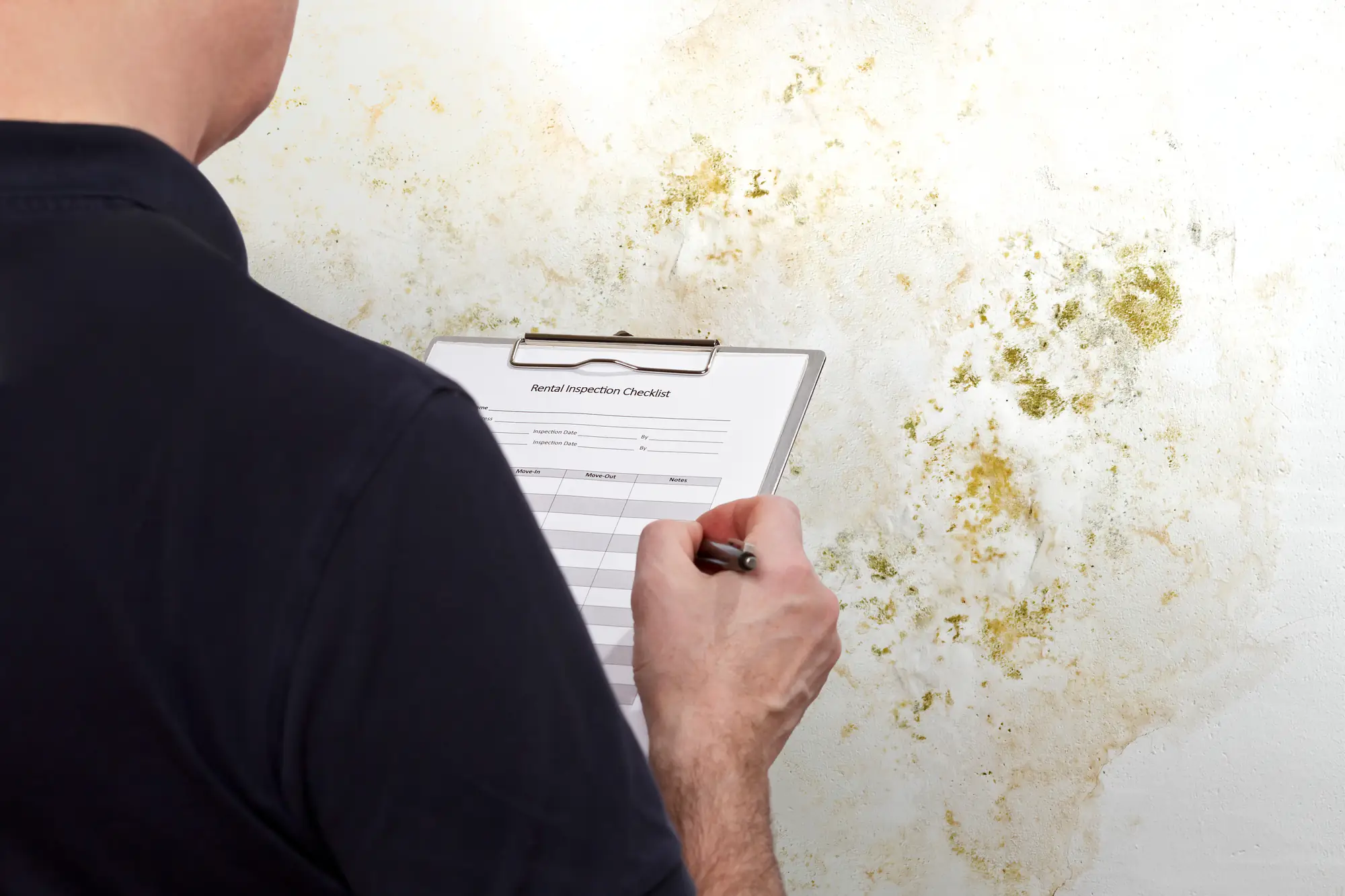
First, we walk through your home and look for visible mold, water damage, or moisture issues. We’re checking basements, crawl spaces, behind appliances, around windows—anywhere water likes to hide.
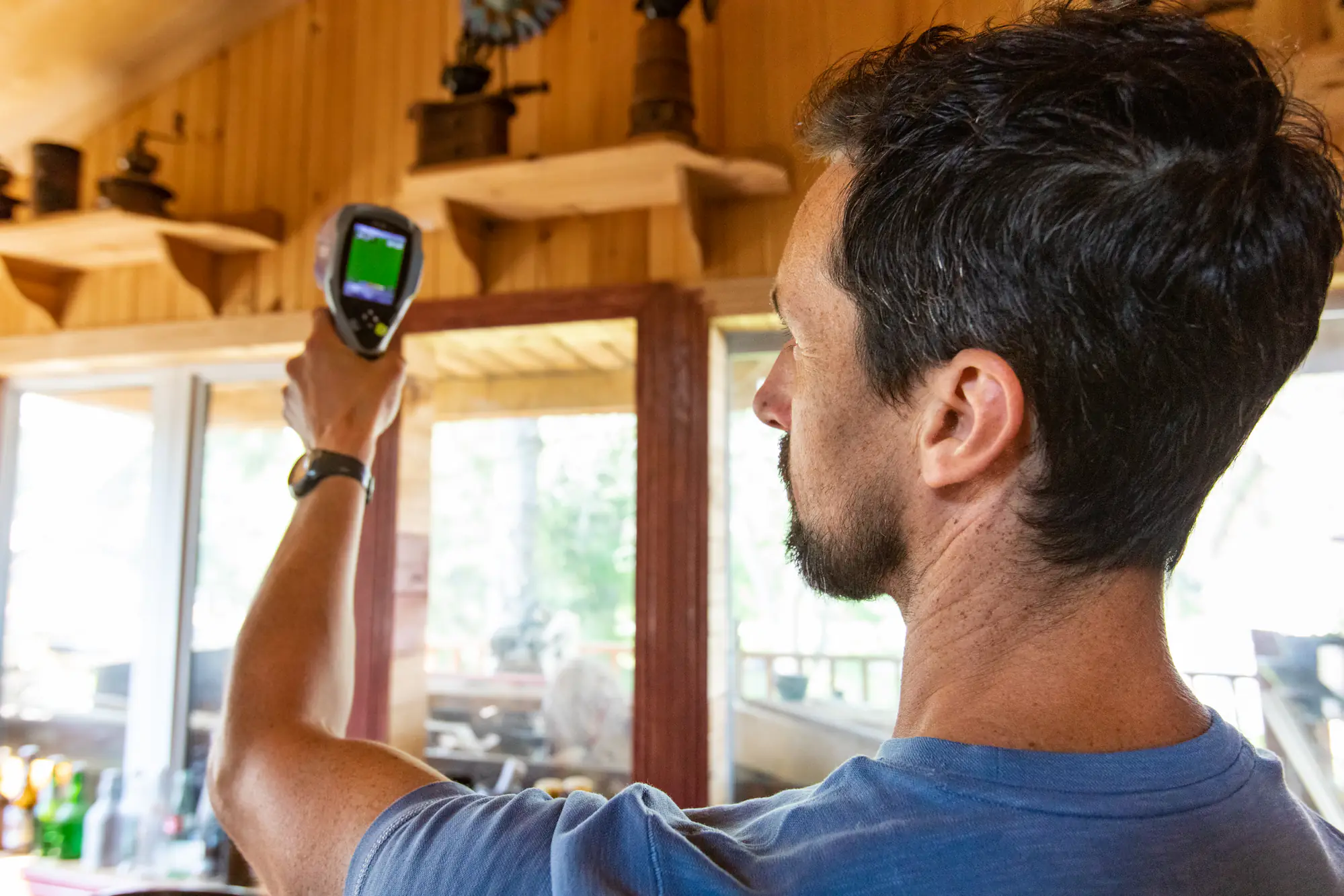
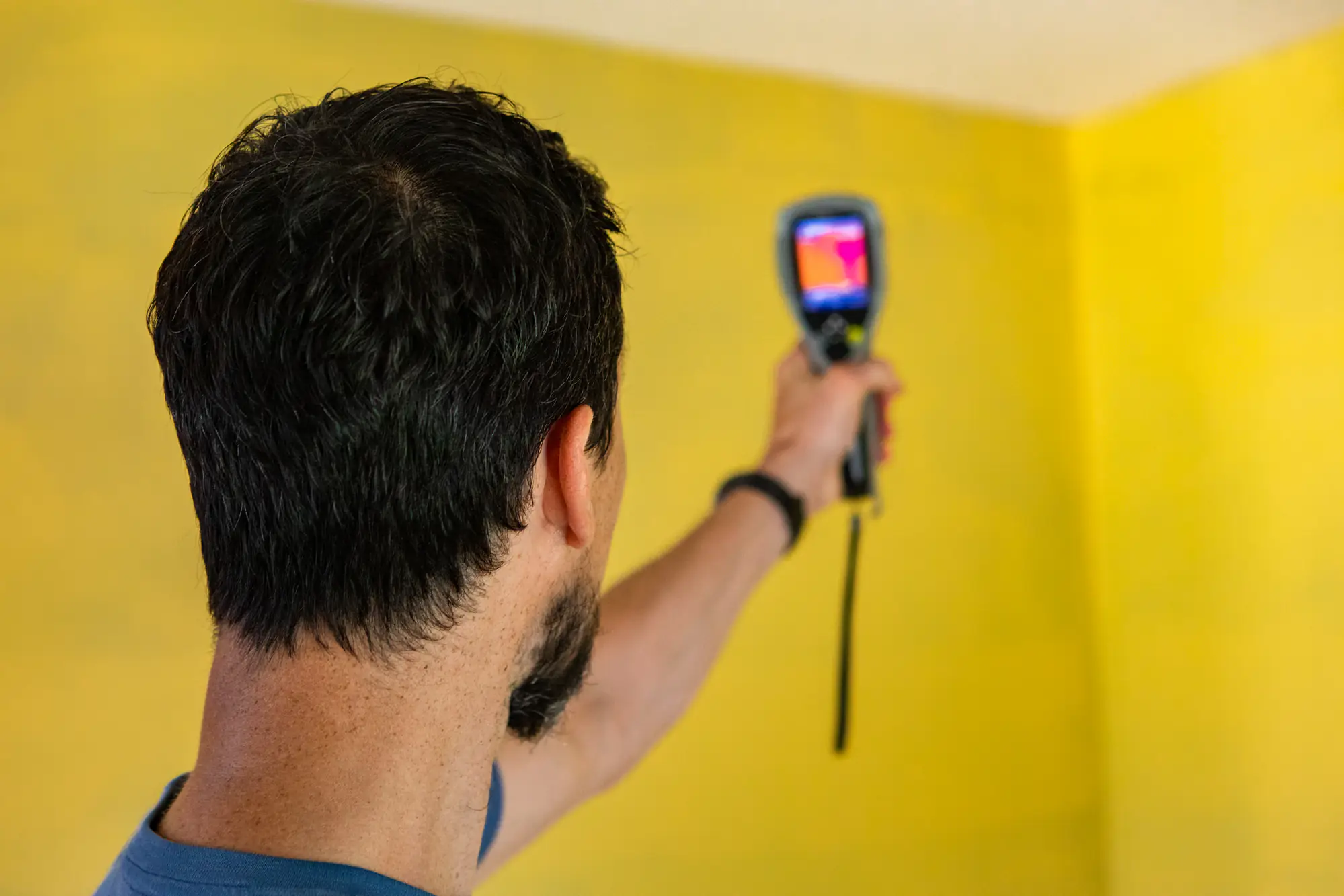
Then we take air samples. These get sent to a certified lab that identifies the type and concentration of mold spores in your indoor air. We also use moisture meters to measure humidity levels in your walls, floors, and ceilings. High moisture doesn’t always mean mold, but it’s a warning sign.
You’ll get a full report within a few days. It breaks down what we found, what it means, and whether you need to take action. If there’s a problem, we’ll explain it in plain English—not scare tactics, not jargon. Just the facts.
And because we don’t do remediation, you’re free to take that report to any contractor you want. Or handle it yourself. Or get a second opinion. It’s your home.
Ready to get started?
Every residential mold testing appointment includes a visual inspection, air quality sampling, moisture readings, and a lab report. We’re looking for all types of mold—not just black mold, which gets all the attention but isn’t always the worst offender.
In Queen Village, PA, we pay extra attention to basements and first floors. Homes here sit close together, and many share walls. Water can travel between units, especially in older construction. We’ve seen mold start in one townhouse and spread to the neighbor’s through shared brick or old mortar.
We also check HVAC systems. If your ducts are moldy, you’re blowing spores into every room. That’s why people sometimes feel worse at home than they do outside—they’re breathing contaminated air all day, especially if they work from home like 31% of Queen Village residents.
The lab report will tell you if your spore count is higher than outdoor levels, which is the baseline we use. If it’s elevated, that’s your cue to act. If it’s normal, you’re good. Either way, you’ll know.
Most residential mold testing runs between $300 and $600 depending on the size of your home and how many samples you need. A typical rowhome in Queen Village usually falls on the lower end of that range.
That price includes the inspection, lab analysis, and a written report. Some companies charge extra for things like crawl space access or additional air samples, so ask up front what’s covered.
If you’re buying or selling a home, some inspectors offer mold testing as an add-on to a general home inspection. That can save you money, but make sure they’re sending samples to an actual lab—not just doing a visual check and calling it done.
Sometimes, yes. Mold grows inside walls, under floors, in ductwork—places you can’t see without tearing things apart.
If you’re smelling something musty, dealing with unexplained allergies, or noticing condensation on your windows, those are all reasons to test even if nothing’s visible. Same goes if you’ve had a leak, flood, or plumbing issue in the past year. Water damage doesn’t always show up right away, but mold can start growing within 48 hours.
In older Queen Village homes, we also recommend testing if you’re about to renovate. You don’t want to open up a wall and find out it’s been growing mold for 20 years. Better to know before the contractor gets there.
A mold inspection is the visual walkthrough—looking for water damage, checking humidity levels, identifying problem areas. Mold testing is when we actually collect samples and send them to a lab for analysis.
You can get an inspection without testing, but you can’t get testing without an inspection. The inspection tells us where to sample. The lab results tell us what’s growing and how much.
Most people need both. If you’ve got visible mold covering a large area, you might not need testing—you already know it’s there, and it needs to go. But if you’re trying to figure out whether that smell is mold or something else, or if you want documentation for insurance, testing is the way to go.
The inspection itself usually takes one to two hours depending on the size of your home and how much access we need. We’re thorough, but we’re not tearing your house apart.
Lab results come back in three to five business days. Some labs offer rush processing for an extra fee if you’re in a hurry—like if you’re in the middle of a real estate transaction and need answers fast.
Once we get the results, we’ll walk you through them. If you want to meet in person, we can do that. If you’d rather talk on the phone, that works too. Most people have questions, and we’d rather explain it clearly than leave you staring at a report full of scientific names you’ve never heard of.
You can, but those kits don’t tell you much. They’ll confirm that mold exists—which it does, in every home, all the time. What they won’t tell you is what type it is, how much is there, or whether it’s actually a problem.
The issue with DIY kits is that they’re not quantitative. They show you that spores are present, but not whether the levels are normal or dangerous. Professional testing compares your indoor air to outdoor air, which is the only way to know if you’re dealing with contamination or just regular background mold.
If you’re trying to save money, we get it. But if you’re testing because you’re worried about your health or trying to satisfy an insurance claim, a $30 kit isn’t going to cut it. You need lab-grade results from a certified facility, and that requires professional sampling.
Yes. A lab analysis will identify the specific species of mold in your home, including Stachybotrys chartarum—the technical name for what people call black mold.
But here’s the thing: black mold isn’t always black, and not all black-colored mold is Stachybotrys. There are thousands of mold species, and plenty of them can cause health problems or damage your home. Focusing only on black mold misses the bigger picture.
What matters more than the type is the concentration. High levels of any mold can trigger respiratory issues, especially in kids, elderly residents, or anyone with asthma. The lab report will break down exactly what’s in your air and whether the levels are concerning. That’s the information you actually need to make a decision.
Other Services we provide in Queen Village