

Hear from Our Customers
You’ve probably noticed the musty smell in your basement. Maybe you’ve seen dark spots spreading behind the toilet or along the windowsill. Your kids are coughing more than usual, and you’re wondering if it’s allergies or something worse.
Mold doesn’t just look bad. It affects your health, damages your property, and gets worse the longer you wait. If you’re living in one of Queen Village’s historic rowhouses or trinity homes, you already know how tricky moisture can be—narrow spaces, shared walls, old brick basements that trap humidity like a sponge.
Here’s what happens when you actually fix the problem. Your indoor air quality improves within days. Allergy symptoms start fading. That constant worry about what’s growing behind your walls? Gone. You’re not just covering up mold—you’re protecting your family and your investment in a home that’s probably worth more than it’s ever been.
We’ve been serving Queen Village and the greater Philadelphia area for years. We’re not a national franchise with a script. We’re local professionals who understand why your basement floods every spring, why condensation forms on your attic beams in summer, and why that “small patch” of mold keeps coming back.
Queen Village homes are beautiful, but they weren’t built with modern moisture barriers. Seventy percent of Philly’s housing stock is rowhouses, and most of them have plaster walls, brick foundations, and ventilation systems that haven’t been updated since the ’70s. We’ve worked in hundreds of them.
When you call us, you’re getting someone who knows your neighborhood, understands your home’s construction, and won’t try to sell you services you don’t need. We show up, assess the damage, explain what’s happening, and give you a clear plan to fix it.

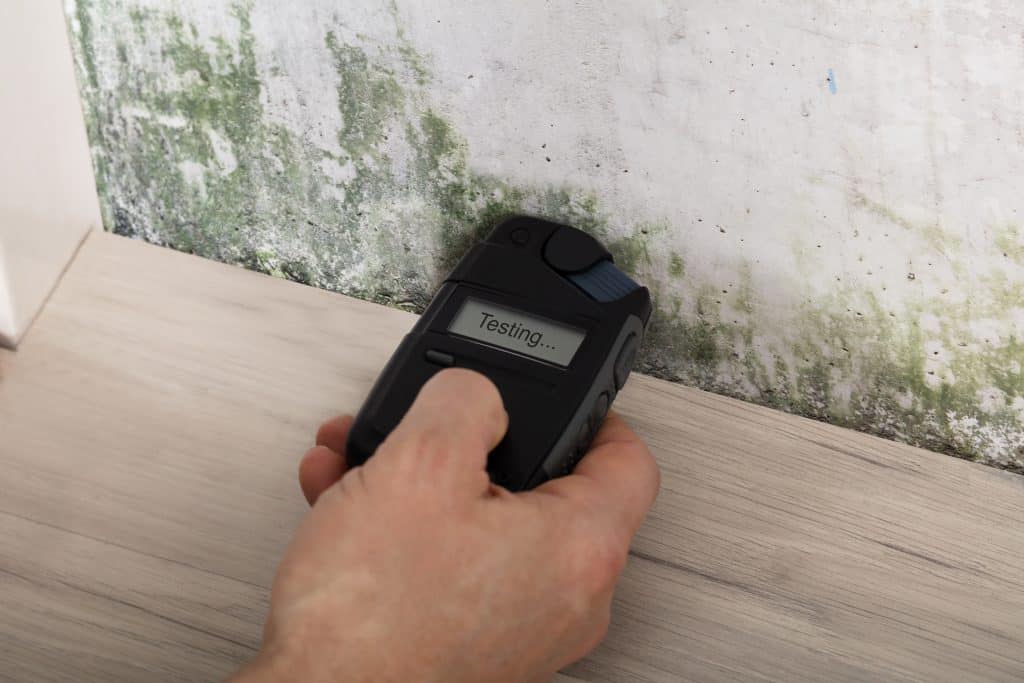
First, we do a free inspection. We’re not just looking at the mold you can see—we’re using moisture meters and thermal imaging cameras to find what’s hiding behind walls, under floors, and in your attic. Most mold problems start somewhere you’d never think to check.
Once we know what we’re dealing with, we identify the moisture source. That’s the leak, the ventilation issue, or the humidity problem that caused the mold in the first place. If we don’t fix that, the mold will come back in a few weeks. So we address it—whether that means repairing a pipe, improving airflow, installing a dehumidifier, or sealing a foundation crack.
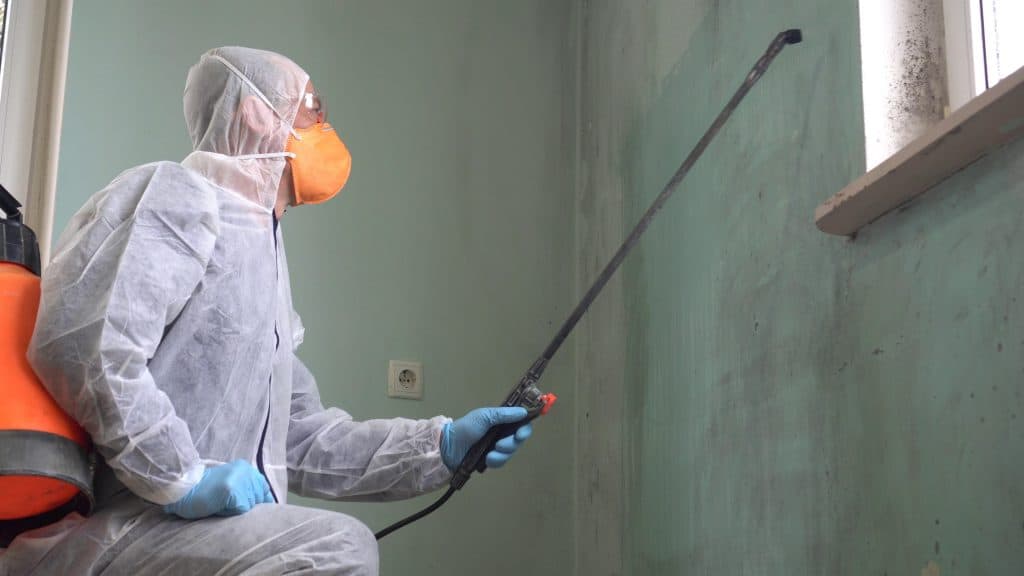
Then we remove the mold. We contain the area, use HEPA filtration to keep spores from spreading, and remove contaminated materials safely. We don’t just spray bleach and call it done. We follow proper remediation protocols so the job is done right the first time.
After removal, we treat and seal affected areas to prevent future growth. You get documentation of the work, recommendations for keeping your home mold-free, and our contact info if anything comes up later.
Ready to get started?
Every job starts with a thorough inspection—no charge, no obligation. We test air quality, check moisture levels, and map out exactly where the mold is growing and why. You get a written report with photos and a clear estimate before any work starts.
Our mold removal process includes containment to prevent cross-contamination, HEPA air filtration during the entire job, safe removal of affected materials, antimicrobial treatment of all surfaces, and proper disposal of contaminated debris. We’re not cutting corners to save time.
We also fix the root cause. In Queen Village, that usually means dealing with basement moisture, improving ventilation in tight spaces, repairing old window seals, or addressing drainage issues around your foundation. Philadelphia’s humid summers and frequent rain create perfect conditions for mold growth, especially in older homes with poor airflow.
You’ll also get insurance assistance if your policy covers the damage, transparent pricing with no surprise fees, and a follow-up plan to keep your home protected. We’re available 24/7 for emergencies, and if you request a quote online, we’ll call you back within 48 hours.
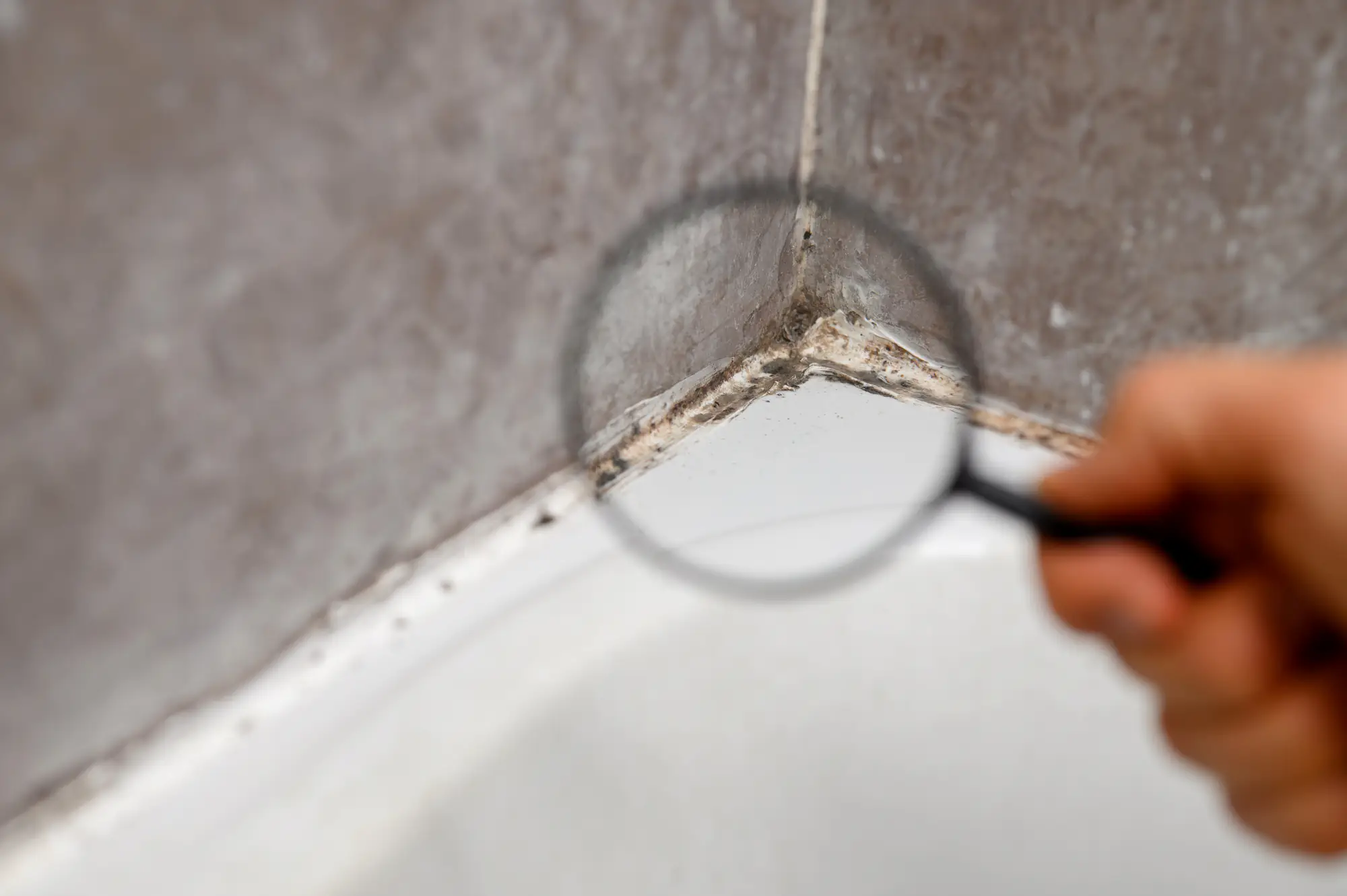
Mold has a distinct musty, earthy smell—kind of like wet cardboard or rotting wood. If you’re smelling that, you’ve got mold growing somewhere, even if you can’t see it yet. Visually, mold appears as black, green, or white patches that spread over time, often in corners, along baseboards, or around windows and pipes.
Dirt wipes away clean. Mold doesn’t. If you try to clean a spot and it keeps coming back, that’s mold. You might also notice increased allergy symptoms—sneezing, coughing, itchy eyes—that get worse when you’re home and better when you leave.
The tricky part is that mold often grows behind walls, under floors, or in attics where you never look. That’s why a professional inspection with moisture meters and thermal imaging is the only way to know for sure. We can detect hidden mold and moisture problems before they become expensive structural issues.
You can try, but it won’t solve the problem. Bleach kills surface mold on non-porous materials like tile or glass, but it doesn’t penetrate porous surfaces like drywall, wood, or insulation—where mold roots actually live. Within a few weeks, it grows back.
More importantly, DIY cleaning doesn’t address why the mold is there in the first place. If you have a leak, a ventilation problem, or high humidity, the mold will keep returning no matter how many times you scrub it. You’re treating the symptom, not the cause.
Professional mold remediation includes identifying and fixing the moisture source, safely removing contaminated materials, treating affected areas with antimicrobial solutions, and preventing future growth. We also contain the work area and use HEPA filtration so mold spores don’t spread to other parts of your home during removal. That’s not something you can replicate with a spray bottle.
It depends on the size of the affected area, the type of mold, and what’s causing it. A small bathroom mold issue might cost a few hundred dollars. A basement with extensive water damage and structural mold could run several thousand. We give you an upfront estimate after the free inspection so there are no surprises.
Most homeowners insurance policies cover mold removal if it’s caused by a sudden event like a burst pipe or storm damage. We work directly with insurance companies to help you file claims and get reimbursed. If your policy doesn’t cover it, we offer flexible payment options.
Here’s what affects cost: the square footage of contamination, whether we need to remove drywall or flooring, the source of moisture and how complicated it is to fix, and whether you need additional services like waterproofing or dehumidification. We don’t upsell—we tell you exactly what needs to happen and why. The goal is to fix it once, not create a recurring revenue stream.
Most residential mold removal jobs take between one and five days, depending on the extent of the damage. A single room with surface mold might be done in a day. A whole basement or multiple rooms with structural issues could take a week.
The timeline includes inspection and testing (usually same day or next day), containment and prep work (a few hours), actual mold removal and treatment (one to three days depending on size), and drying and dehumidification (one to two days). If we need to remove drywall, flooring, or insulation, that adds time.
We don’t rush the job to move on to the next one. Proper mold remediation requires thorough drying and treatment, or you’ll have the same problem in a month. We’ll give you a realistic timeline during the inspection and keep you updated if anything changes. Most homeowners are surprised by how fast we work once we start—but we’re not cutting corners to save hours.
Mold removal means getting rid of visible mold growth. Mold remediation means reducing mold levels to normal, safe levels and fixing the conditions that allowed it to grow. Remediation is the more accurate term because it’s impossible to remove every single mold spore from a building—they’re everywhere in the air naturally.
The goal isn’t zero mold. The goal is to bring mold levels back to what’s normal for outdoor air, eliminate active growth, and prevent it from coming back. That means addressing moisture problems, improving ventilation, and treating affected areas so mold can’t regrow.
When we say “mold removal,” we’re really talking about full remediation. We’re not just scrubbing surfaces—we’re identifying the source, removing contaminated materials, treating the area, and fixing what caused the problem. It’s a complete process, not a quick cleanup. That’s the difference between a professional mold remediation company and someone with a bottle of bleach.
Because the moisture source was never fixed. Mold needs three things to grow: moisture, organic material (like wood or drywall), and warm temperatures. Your home has plenty of the last two. The issue is moisture—and in Queen Village’s historic rowhouses, that’s a constant battle.
Shared walls trap humidity between units. Old brick basements wick moisture from the ground. Plaster walls don’t breathe like modern drywall. Windows installed decades ago leak air and condensation. Add in Philadelphia’s humid summers and frequent rain, and you’ve got the perfect environment for mold growth.
If someone cleaned your mold but didn’t fix the leak, improve your ventilation, or address your basement’s moisture problem, the mold will absolutely come back. That’s why our process starts with finding the source. We use moisture meters and thermal cameras to identify exactly where water is coming from—whether it’s a hidden pipe leak, poor drainage, condensation, or groundwater seeping through your foundation. Then we fix it so you’re not calling us back in six months.
Other Services we provide in Queen Village