
Hear from Our Customers
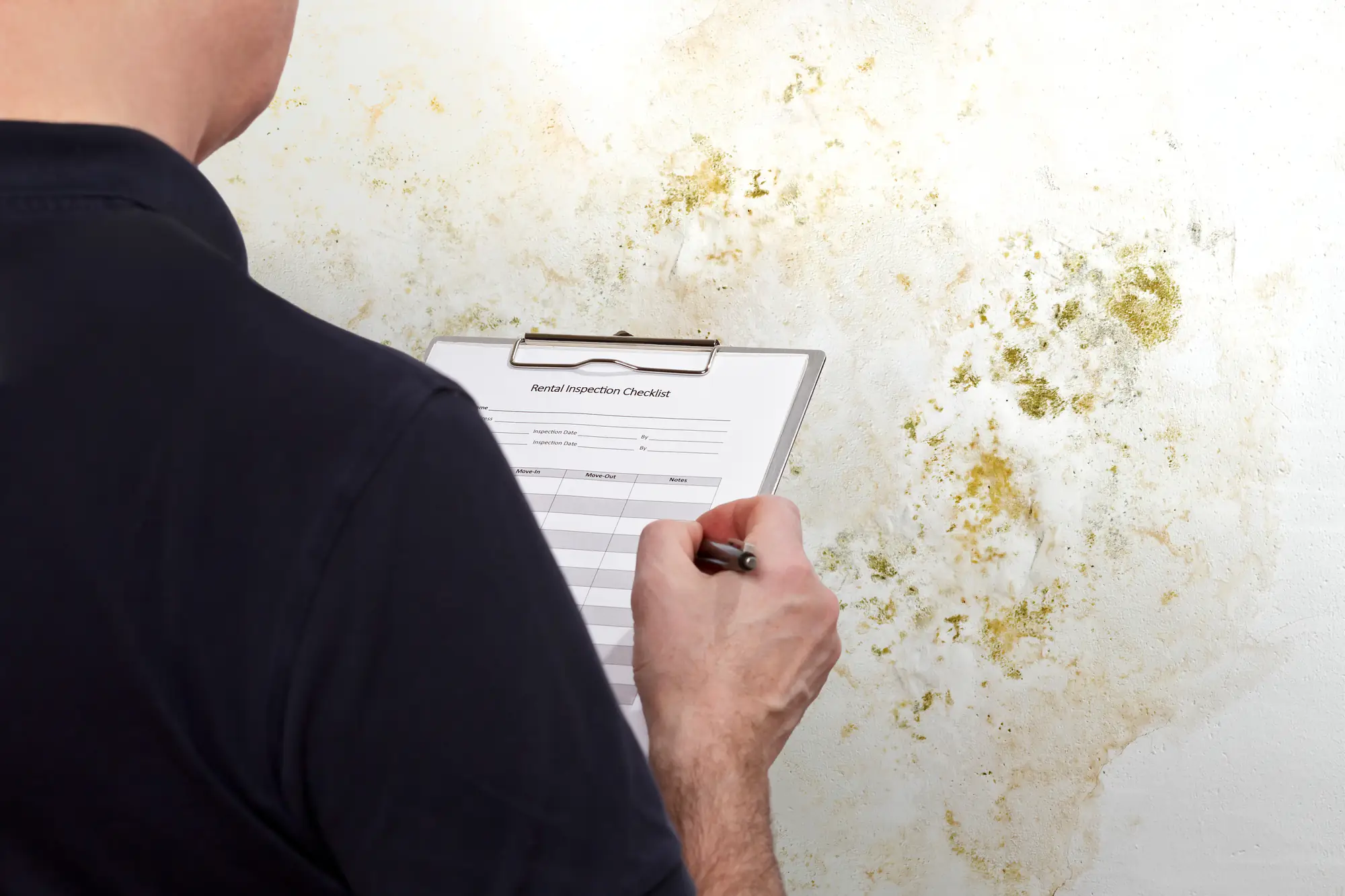
You’ve noticed the smell. Or maybe you’ve been dealing with headaches, congestion, or fatigue that won’t quit. Maybe you’re buying or selling a home and need documentation. Whatever brought you here, you need to know if there’s mold, where it is, and how bad it really is.
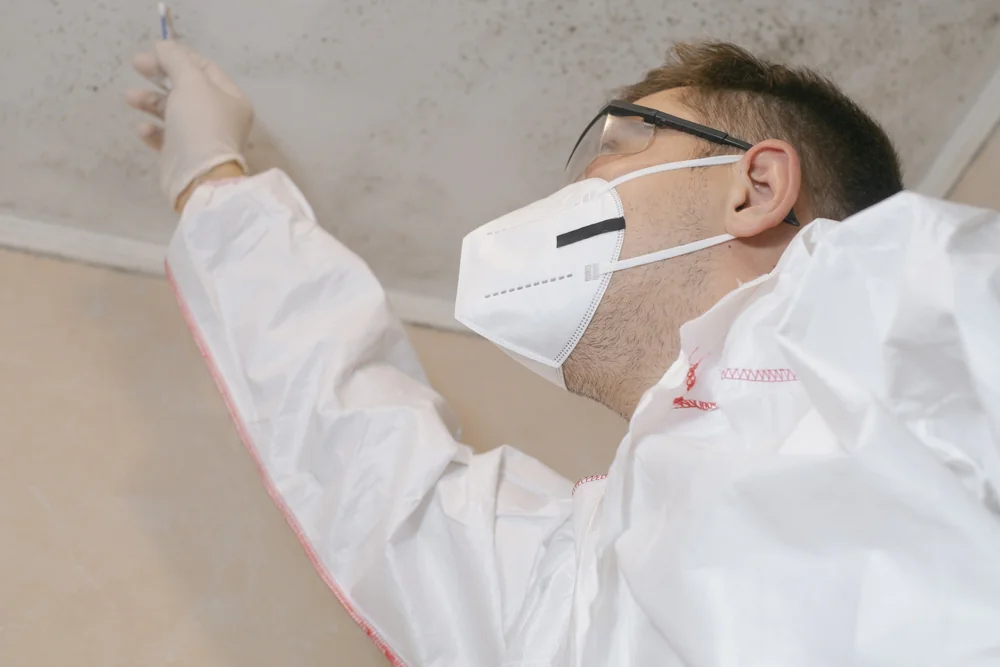
A professional mold inspection gives you that answer. We use thermal imaging cameras and calibrated moisture meters to find mold growing behind walls, under floors, and in places you can’t see. We take samples and send them to independent labs for analysis. You get a detailed report that tells you what type of mold is present, how much, and where the moisture is coming from.
This isn’t about scaring you into unnecessary work. It’s about giving you real information so you can make the right call. If there’s a problem, you’ll know the scope before it spreads. If there isn’t, you’ll have documentation and peace of mind. Either way, you’re not guessing anymore.
Mack’s Mold Removal is based right here in Bucks County. We’re licensed to conduct mold assessments in Pennsylvania, and we’ve been inspecting homes in Deep Run and the surrounding area long enough to know exactly how this climate affects older properties.
Humid summers and damp winters create perfect conditions for mold growth, especially in basements with stone foundations and attics with poor ventilation. We’ve seen it in crawl spaces after spring flooding, behind shower tiles in older bathrooms, and in HVAC systems that haven’t been maintained. We know what to look for because we’ve been doing this work in your neighborhood for years.
Our equipment gets calibrated daily. Our samples go to third-party labs, not in-house testing that could create a conflict of interest. You get honest answers from people who actually live and work in this community.
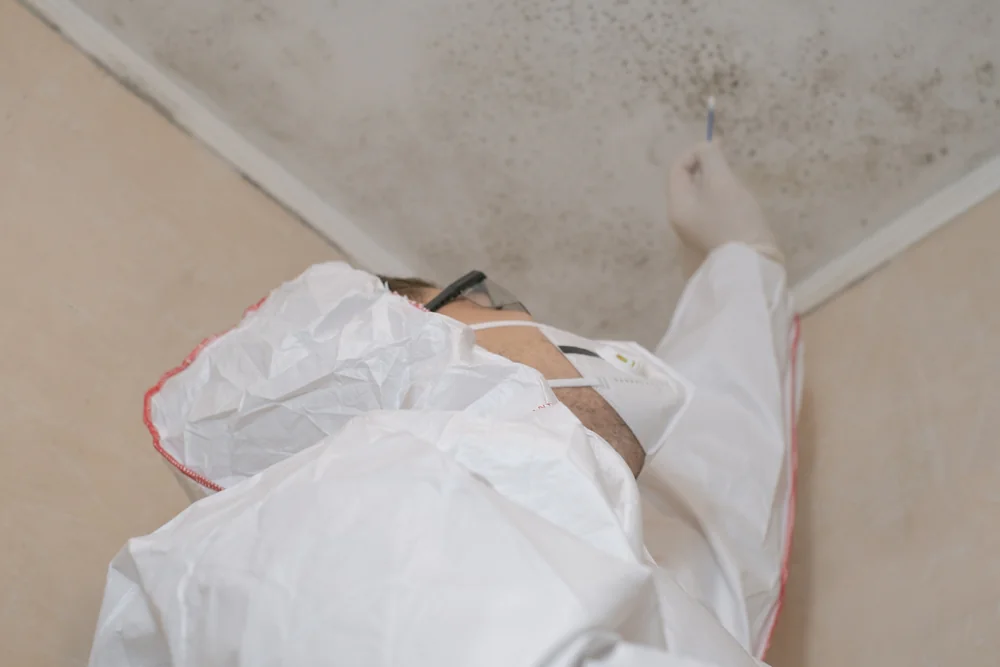
We start with a walkthrough of your property. You show us the areas you’re concerned about, and we look at the spaces most vulnerable to moisture—basements, bathrooms, attics, crawl spaces, and around windows and doors.
We use thermal imaging cameras to detect temperature differences that indicate moisture behind walls or ceilings. Our moisture meters measure humidity levels in building materials. If we find elevated readings or visible growth, we take air samples and surface samples. Those samples get sent to an independent lab for analysis.
The lab identifies the type and concentration of mold spores. We compile everything into a detailed report that shows you where the mold is, what kind it is, and what’s causing the moisture problem. We also explain what needs to happen next—whether that’s a simple fix you can handle yourself or professional remediation.
You’ll get the report in writing, along with a clear explanation of what we found. No pressure, no upselling. Just information you can use to make the right decision for your home and your family.

Ready to get started?
Every inspection includes a visual assessment of your entire property, thermal imaging to detect hidden moisture, and moisture meter readings throughout affected areas. We test your HVAC system because that’s how mold spreads from one room to another. We check behind appliances, under sinks, around windows, and in any area where water or humidity could be a problem.
Air sampling measures the concentration of mold spores in your indoor air compared to outdoor levels. Surface sampling identifies the specific type of mold growing on walls, floors, or other materials. All samples go to an accredited third-party lab, and you get a full report with lab results, photos, moisture readings, and our assessment of what’s causing the problem.
In Deep Run and throughout Bucks County, we see a lot of mold issues related to basement moisture, poor attic ventilation, and older homes with foundation problems. Pennsylvania law requires sellers to disclose known material defects, which means if you’re selling your home, you need documentation. If you’re buying, you need to know what you’re getting into before you sign. A professional inspection protects you either way.
This also matters for insurance claims. If you’ve had water damage and you’re filing a claim, documented mold testing strengthens your case and helps ensure you get the coverage you’re entitled to.
We offer free mold inspections. We come to your property, assess the situation, and give you an honest evaluation at no cost. If lab testing is needed to identify specific mold types or measure spore concentrations, there may be a fee for the lab work itself, but we’ll discuss that with you upfront before proceeding.
Most mold detection companies in Bucks County charge between $300 and $600 for a full inspection with lab testing. The cost depends on the size of your home, how many samples need to be taken, and whether air quality testing is included. For real estate transactions or insurance claims, the documentation from professional testing is worth the investment. It protects you legally and financially.
We don’t push unnecessary testing. If we can see the problem and identify the moisture source during the visual inspection, we’ll tell you that. Lab testing makes sense when you need confirmation of mold type, when someone in your home is experiencing health symptoms, or when you need documentation for legal or insurance purposes.
A thorough home mold inspection typically takes between one and three hours, depending on the size of your property and the extent of the problem. We’re not rushing through it. We’re checking every area where moisture could be an issue.
The visual inspection and moisture detection happen on-site. If we take air or surface samples, those go to the lab for analysis, which usually takes three to five business days. You’ll get a full written report once the lab results come back.
If you’re dealing with an urgent situation—like you just discovered significant mold growth or you’re experiencing health symptoms—we can prioritize your inspection and expedite lab results when possible. We’re available 24/7 for emergency situations, and we understand that sometimes you need answers fast, especially if you’re in the middle of a real estate transaction or dealing with a health concern.
A mold inspection is the full assessment—visual examination, thermal imaging, moisture readings, and identification of problem areas. Mold testing refers specifically to collecting samples and sending them to a lab for analysis. Testing is often part of an inspection, but not always necessary.
You need testing when you can’t see the mold but suspect it’s there, when someone in your home has health symptoms that might be mold-related, or when you need documentation for insurance, real estate, or legal purposes. Testing identifies the specific type of mold and measures spore concentration in your air or on surfaces.
You might not need testing if the mold is visible and the source is obvious—like a small patch of mold around a leaky pipe. In that case, the inspection identifies the problem and the moisture source, and you can move straight to fixing it. We’ll tell you honestly whether testing makes sense for your situation. We’re not going to recommend lab work you don’t need just to run up a bill.
DIY mold test kits from hardware stores can tell you if mold spores are present, but they can’t tell you much beyond that. Every home has some mold spores in the air—that’s normal. What matters is the type of mold, the concentration, and where it’s growing.
DIY tests also can’t find hidden mold behind walls, under floors, or in your HVAC system. They don’t measure moisture levels in building materials or use thermal imaging to detect problem areas you can’t see. If you’re dealing with health symptoms, preparing for a real estate transaction, or filing an insurance claim, a DIY test won’t give you the documentation you need.
Professional mold detection uses calibrated equipment and accredited lab analysis. We’re trained to know where to look and how to interpret the results. If you’re trying to save money, we understand that. But if you’re going to spend time and money on testing, it makes sense to get accurate results from someone who knows what they’re doing. A professional inspection costs more upfront, but it gives you actionable information instead of just a yes-or-no answer that doesn’t tell you what to do next.
If you’re buying an older home in Bucks County, a mold inspection is one of the smartest investments you can make. Pennsylvania law requires sellers to disclose known defects, but they can only disclose what they know about. If they haven’t had the home inspected for mold, they might not know it’s there.
Basements with stone foundations, crawl spaces with dirt floors, and attics with poor ventilation are all common problem areas in this region. Mold can hide behind finished walls, under carpeting, and inside HVAC ducts. A standard home inspection doesn’t always catch it because inspectors aren’t using thermal imaging or taking air samples.
Finding mold before you close gives you leverage. You can negotiate for the seller to handle remediation, ask for a price reduction, or walk away if the problem is too extensive. Discovering mold after you’ve already bought the property means you’re paying for remediation out of pocket. A few hundred dollars for an inspection can save you thousands in repairs and protect your family’s health. If the inspection comes back clean, you have peace of mind and documentation that the home is safe.
If we find mold, you’ll get a detailed report that explains where it is, what type it is, how severe the problem is, and what’s causing it. The report includes photos, lab results, moisture readings, and our recommendations for what needs to happen next.
Small areas of surface mold—like a little growth around a bathroom window—might be something you can clean yourself once the moisture problem is fixed. Larger areas, mold inside walls or HVAC systems, or toxic mold like black mold usually require professional remediation. We’ll be straight with you about what you’re dealing with.
We follow IICRC S520 standards for remediation, which means proper containment, air filtration, removal of affected materials, and treatment to prevent regrowth. If remediation is needed, we’ll give you a clear scope of work and a detailed estimate. There’s no pressure and no surprise charges. You’ll know exactly what needs to be done and what it costs before any work starts. Our goal is to fix the problem correctly so it doesn’t come back.
Other Services we provide in Deep Run