
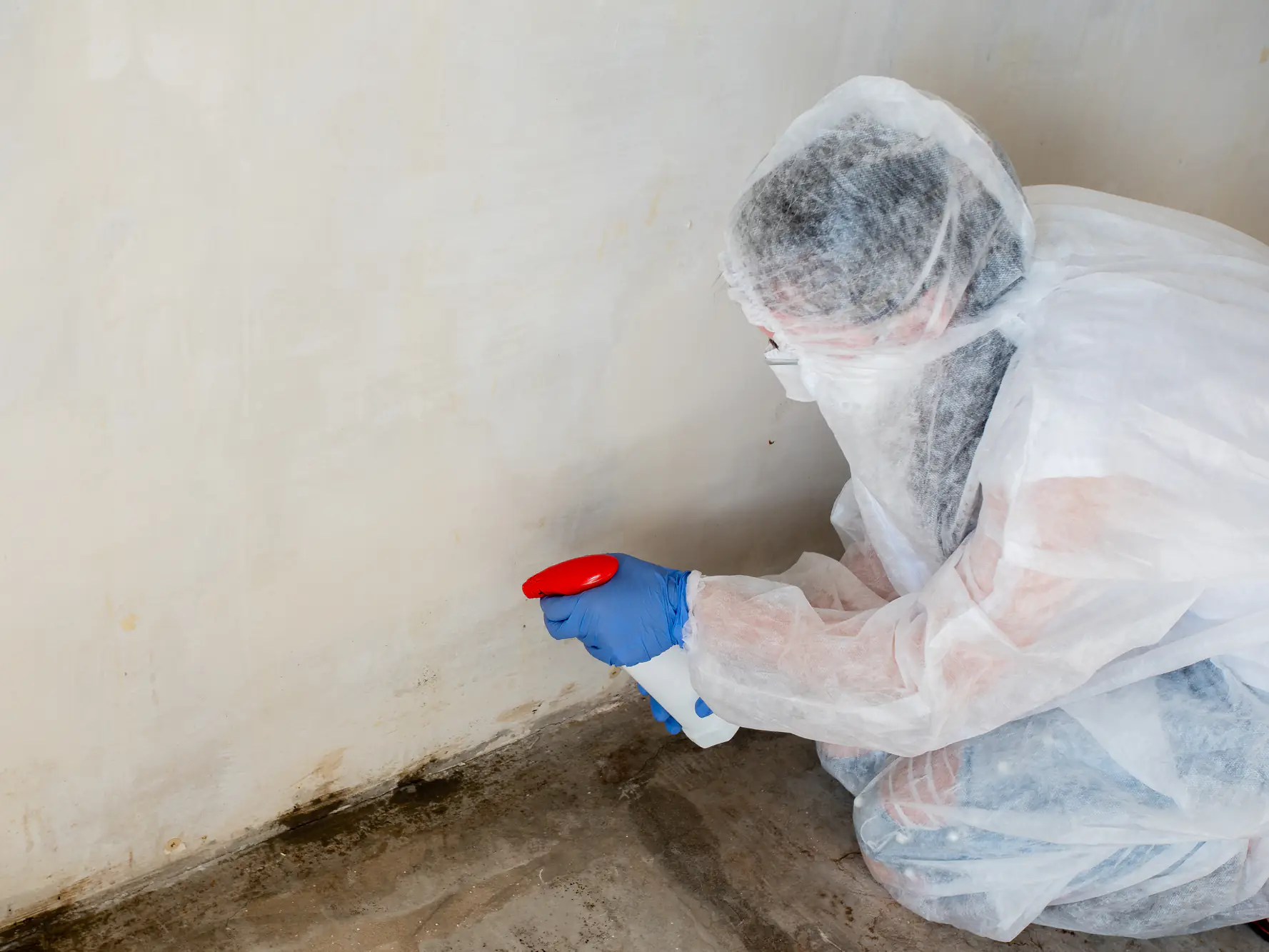
Hear from Our Customers
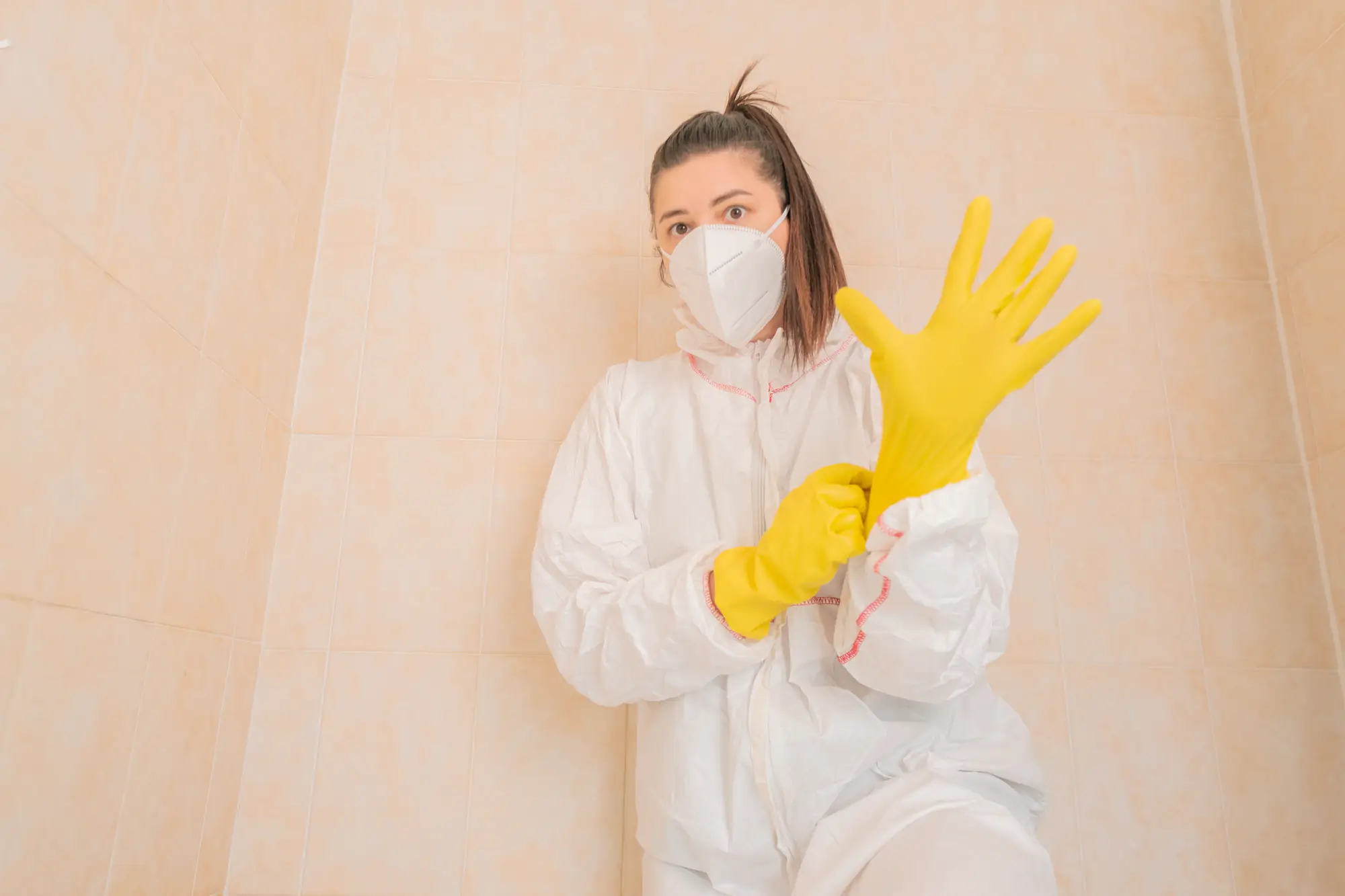
You’ve probably noticed the musty smell. Maybe you’ve seen the dark spots spreading in your basement or crawling up bathroom walls. Your kids are coughing more. Your allergies are worse indoors than out.
Mold isn’t just ugly. In Pennsylvania’s climate, it spreads fast—sometimes within 24 to 48 hours of water exposure. And Bucks County’s humid summers create perfect conditions for growth you can’t always see.
Here’s what changes after proper mold remediation: the air smells clean again. Respiratory symptoms start clearing up. You’re not wondering what’s growing behind your walls. Your home feels safe, not like a health risk you’re living with every day.
We don’t just scrub visible mold and call it done. We test to find hidden growth. We identify the moisture source—whether it’s a leaky pipe, poor ventilation, or groundwater seeping through your foundation. Then we fix the root cause so you’re not paying for the same problem twice.
Mack’s Mold Removal serves Deep Run and surrounding Bucks County communities. We’ve worked in enough basements, attics, and crawl spaces around here to know exactly how Pennsylvania’s climate affects your home.
We’re not a national franchise with a call center three states away. When you call, you’re talking to someone who understands local building styles, seasonal humidity patterns, and the specific mold challenges homes face in this area.
Our technicians use EPA-approved methods and follow Pennsylvania regulations for mold remediation. We offer free inspections because we’d rather you know what you’re dealing with upfront—no pressure, no surprise fees later.
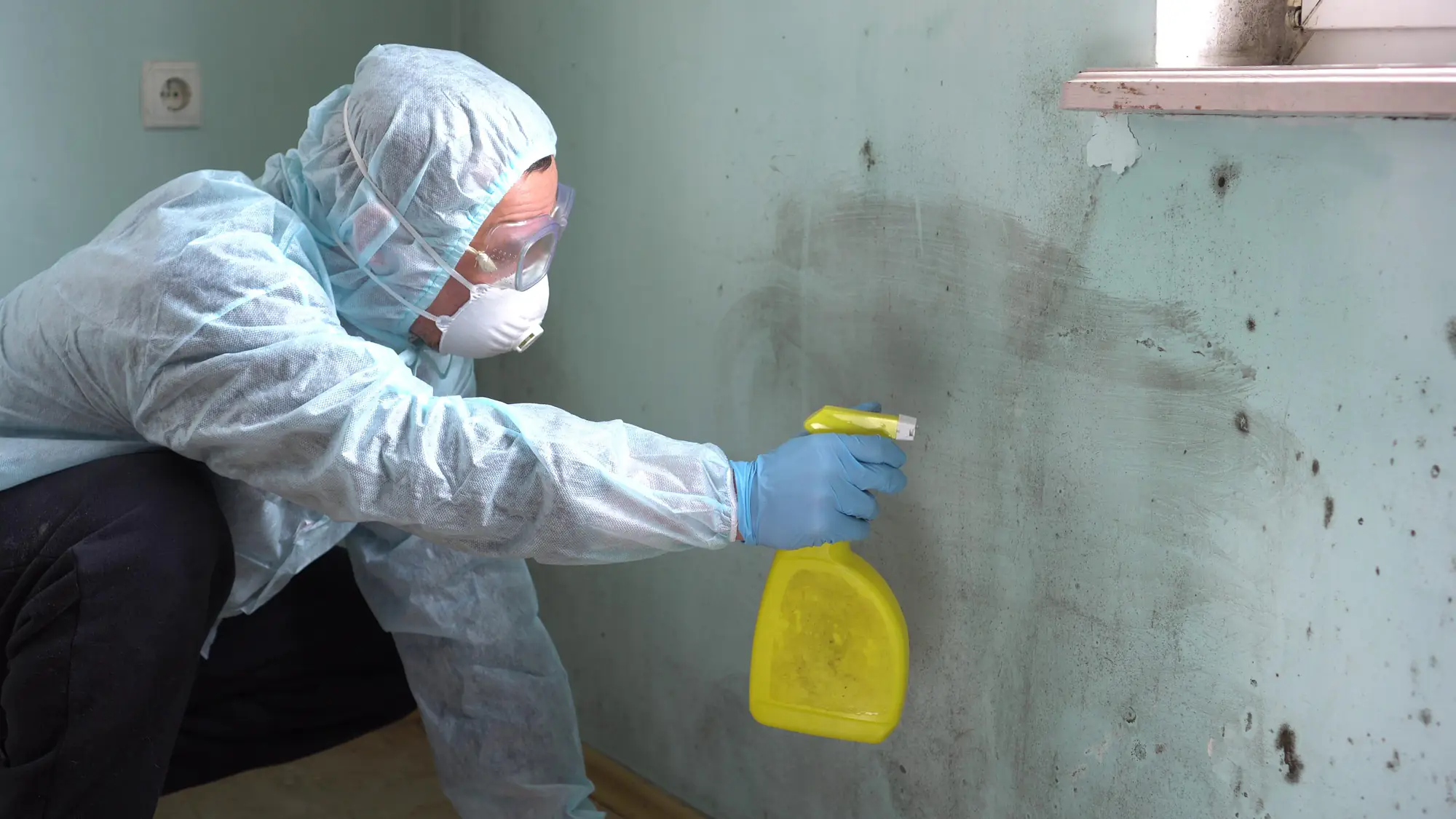
First, we inspect your property at no cost. We’re looking for visible mold, but also testing areas where growth hides—behind walls, under flooring, in HVAC systems. You’ll get a clear assessment of what we found and what needs to happen next.
Once you approve the plan, we contain the affected area to prevent spores from spreading during removal. We use HEPA filtration and negative air pressure to keep the rest of your home clean while we work.
Then comes removal. We don’t just wipe surfaces. We remove contaminated materials that can’t be salvaged, treat affected areas with antimicrobial solutions, and clean everything thoroughly. If your drywall or insulation is compromised, we handle that too.
The final step is fixing what caused the mold. Maybe it’s repairing a leak, improving ventilation, or addressing drainage issues around your foundation. We don’t leave until the source is handled, because removing mold without fixing the cause just means you’ll be calling someone again in six months.
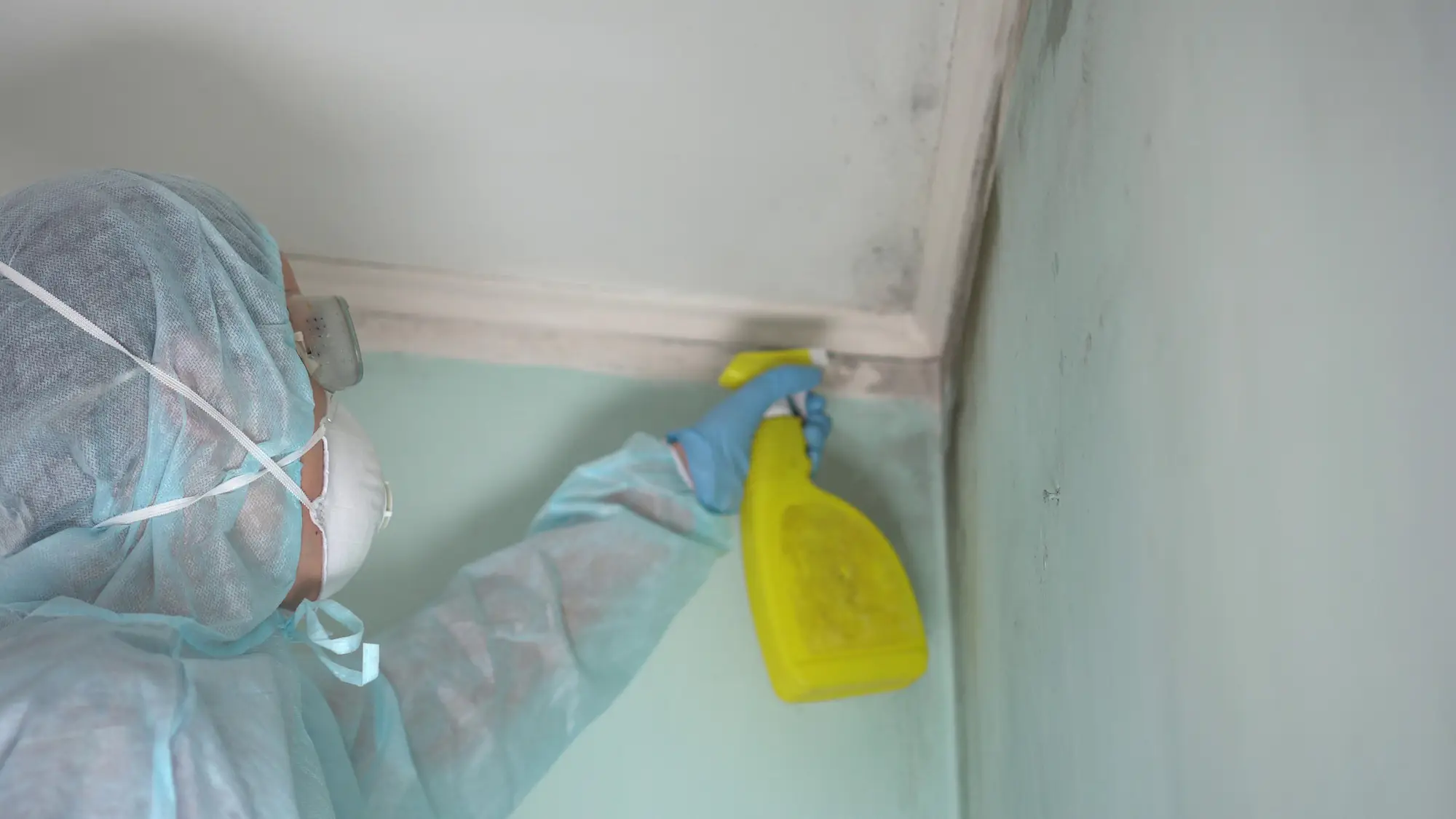
Ready to get started?
You get a thorough inspection that identifies both visible and hidden mold growth. Our testing covers basements, attics, bathrooms, kitchens, and anywhere moisture tends to accumulate in Bucks County homes.
We provide detailed documentation throughout the process. This matters if you’re filing an insurance claim or selling your property. Pennsylvania law requires sellers to disclose known mold issues, and buyers often request proof of professional remediation. We make sure you have everything you need.
Our service includes containment, removal, cleaning, and restoration. If we have to remove drywall or flooring, we rebuild it. You’re not left with half-finished work or a list of contractors you still need to call.
We also work directly with your insurance company when applicable. Mold claims can be complicated, and we’ve handled enough of them to know what documentation insurers require. We’ll help streamline that process so you’re not stuck managing paperwork while trying to get your home safe again.
Deep Run’s climate means mold problems often come back if the underlying moisture issue isn’t resolved. We identify whether you’re dealing with a one-time water event or an ongoing humidity problem, then address it accordingly.

Mold can start growing within 24 to 48 hours after water exposure, especially in Bucks County’s humid climate. Pennsylvania summers regularly push indoor humidity to 75-80%, which is well above the 60% threshold where mold thrives.
If you’ve had a leak, flood, or even just persistent condensation, time matters. The longer moisture sits, the more extensive the growth becomes. What starts as a small patch behind a toilet can spread through drywall, insulation, and into areas you can’t see without opening walls.
This is why we offer 24/7 emergency response. Catching it early means less damage, lower costs, and fewer health risks. If you’re dealing with fresh water damage, don’t wait to see if it dries on its own. It probably won’t—not fast enough to prevent mold.
Mold removal usually means cleaning visible mold off surfaces. Remediation means addressing the entire problem—finding hidden growth, removing contaminated materials, treating affected areas, and fixing the moisture source so it doesn’t return.
You can scrub mold off a bathroom wall yourself, but if you don’t fix the ventilation issue or leaky pipe causing it, you’ll be scrubbing again in a few months. That’s removal without remediation.
Professional mold remediation also involves containment to prevent spores from spreading during the work, HEPA filtration to clean the air, and antimicrobial treatments that go beyond surface cleaning. We’re not just making it look better temporarily. We’re eliminating the problem and preventing recurrence. That’s the difference between a quick fix and actually solving the issue.
It depends on the extent of the mold and where it’s located. For small, contained areas like a bathroom or closet, you can usually stay in your home while we work. We seal off the work area and use negative air pressure to prevent spores from spreading to other rooms.
For larger infestations—especially if mold is in your HVAC system or spread across multiple rooms—it’s often safer to stay elsewhere during active remediation. This is particularly true if anyone in your household has asthma, allergies, or a compromised immune system.
We’ll tell you upfront whether leaving is necessary. We’re not going to make you pack up and leave if it’s not needed, but we also won’t downplay risks to keep a job convenient. Your health matters more than our schedule. Most jobs in Deep Run homes take two to four days depending on severity, so even if you do need to leave, it’s usually not for long.
Sometimes. Pennsylvania homeowners insurance typically covers mold remediation if the mold resulted from a covered peril—like a sudden pipe burst or storm damage. If mold developed because of long-term neglect, poor maintenance, or gradual leaks you didn’t address, coverage is less likely.
Insurance companies want to see that you acted quickly after discovering water damage. They also require documentation showing the mold was caused by a specific incident, not ongoing humidity or deferred maintenance.
We work with insurance companies regularly and know what they need for claims. We provide detailed documentation, photos, and reports that support your case. We’ll also communicate directly with your adjuster if needed. Even if insurance doesn’t cover everything, we’ll be transparent about costs upfront so you can make informed decisions. Don’t assume you’re not covered—let us help you find out before you pay out of pocket.
You might smell it before you see it. That musty, earthy odor is often the first sign of hidden mold growth. If certain rooms smell off even after cleaning, there’s probably mold somewhere you can’t see—inside walls, under flooring, or in your HVAC ducts.
Other signs include water stains on ceilings or walls, peeling paint or wallpaper, warped floors, and increased allergy or respiratory symptoms that improve when you leave the house. If your basement feels damp or you’ve had any water intrusion—even minor—there’s a good chance mold is growing somewhere.
Our free inspection includes testing in areas where mold commonly hides in Bucks County homes. We check behind appliances, inside crawl spaces, around windows and doors, and in attics where condensation builds up. We use moisture meters and sometimes infrared cameras to find problems that aren’t visible. You shouldn’t have to guess whether your home is safe. Let us look and give you a definitive answer.
Mold comes back when the moisture source isn’t fixed. You can remove every visible spore, but if water is still leaking, humidity is still high, or condensation is still forming, new mold will grow. It’s not a cleaning problem—it’s an environmental problem.
Common causes in Deep Run include poor basement waterproofing, inadequate ventilation in bathrooms and kitchens, leaky roofs or windows, and HVAC systems that aren’t controlling humidity properly. Sometimes it’s as simple as a dryer vent that’s not exhausting outside or gutters that are dumping water against your foundation.
This is why our remediation process always includes identifying and fixing the source. We don’t just treat the symptom. If your basement floods every spring, we talk about drainage solutions. If your bathroom has no exhaust fan, we discuss ventilation options. Mold removal without moisture control is temporary. Fix both, and it stays gone.
Other Services we provide in Deep Run